Is the Willamette Valley a Good Place to Live?
The Willamette Valley is Oregon's heart — a 150-mile corridor of farmland, cities, university towns, and world-class wine country running between the Coast Range to the west and the Cascades to the east. It is home to roughly 70% of Oregon's population, anchored by the Portland Metro at its northern end, Salem in the middle, and Eugene at the southern end. If you are moving to Oregon and aren't certain which part fits you, the Willamette Valley is the safest starting point: it concentrates the state's employment, education, healthcare, and cultural infrastructure into an accessible, navigable geography.
The Valley runs north to south along I-5. Commute distances are real but manageable: Salem to Portland is 47 miles — about 50 minutes. Corvallis to Salem is 38 miles, roughly 40 minutes. Eugene to Corvallis is 45 miles, about 45 minutes. The Cascade Range — Mt Hood, Mt Jefferson, the Three Sisters — is accessible along the entire eastern edge, with most ski areas and major trailheads between 60–120 miles from any Willamette Valley city. The Oregon Coast sits 50–70 miles west, making weekend trips practical without overnight stays.
The Valley's economy is more diverse than its agricultural image suggests. Salem is Oregon's state capital with government employment anchoring a stable, recession-resistant job base supplemented by healthcare and manufacturing. Corvallis hosts Oregon State University, with a tech and biotech ecosystem built around it. Eugene anchors the southern Valley with the University of Oregon, PeaceHealth medical system, and outdoor industry employers. Between these anchors, agriculture — wine, hazelnuts, grass seed, hops, berries — supports a working rural economy that is genuinely productive.
Wine country is a defining feature of the north and mid-Valley. The Chehalem Mountains, Dundee Hills, and Eola-Amity Hills AVAs produce Pinot Noir and Pinot Gris that consistently rank among the world's finest. Cities like Newberg, Dundee, and McMinnville sit at the center of this wine landscape and attract buyers who want proximity to tasting rooms, farm-to-table culture, and a pace of life shaped by seasons and harvests. McMinnville in particular has developed a genuine downtown food and arts scene that rivals cities twice its size, making it one of Oregon's most desirable smaller cities.
Housing in the Willamette Valley is broadly more affordable than Portland, with meaningful variation by city. Salem and Albany offer median home prices in the $340K–$420K range — strong value for the infrastructure they provide. Eugene and Corvallis run slightly higher at $380K–$480K. Newberg and McMinnville now cluster in the $420K–$530K range, driven by wine country demand. Smaller cities like Lebanon, Dallas, Stayton, and Woodburn offer genuine affordability in the $290K–$370K range. Oregon's no-sales-tax advantage creates compelling financial scenarios for households relocating from high-cost metros.
Whether you're drawn to university life in Eugene or Corvallis, the wine country charm of McMinnville and Dundee, or the affordability of cities like Albany and Lebanon, we've broken down what it's actually like to live here. Read on to learn about neighborhoods, crime, cost of living, schools, and even what it's like to retire in the Willamette Valley. More city profiles are being added continuously as we build out a complete relocation hub for the Willamette Valley.
Explore All 22 Cities in the Willamette Valley
Click into any city for the complete guide — neighborhoods, home prices, cost of living, pros & cons, schools, top employers, and mortgage help.
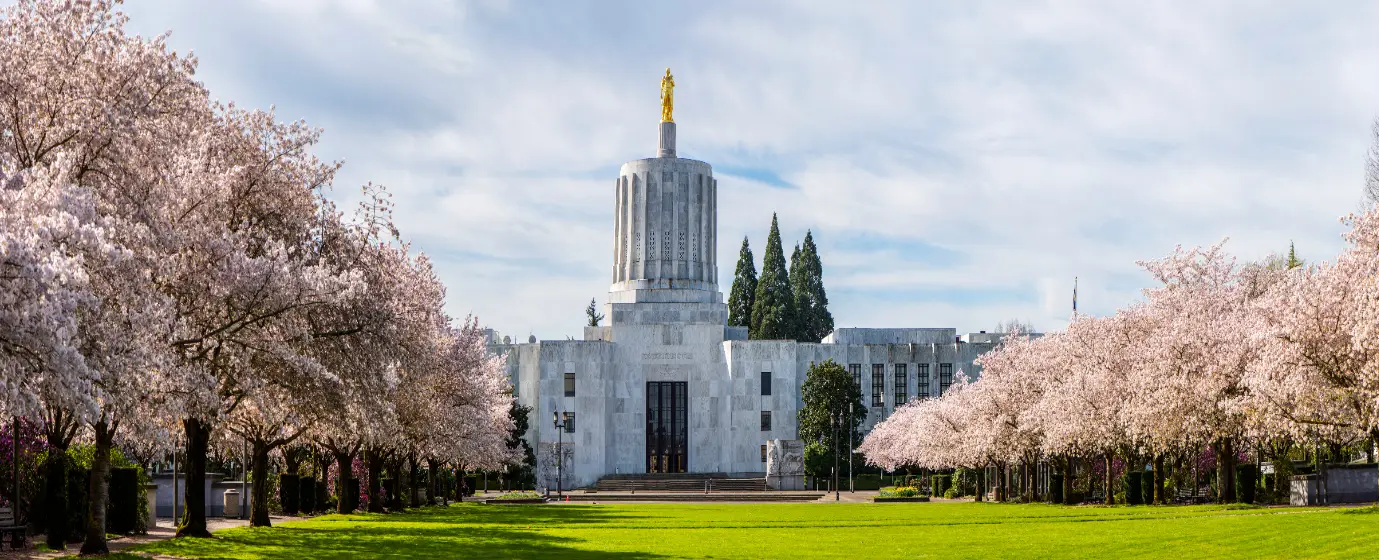
Salem
Oregon's state capital and the Valley's largest city after Portland. Salem offers a stable government-anchored economy, a revitalizing downtown, excellent healthcare, and home prices well below Portland. 47 miles south on I-5. Median homes $340K–$430K.
Full Salem Guide →- The Ultimate Salem Relocation Guide (2026)
- Is Salem Safe? Crime Rates & Neighborhoods (2026)
- Cost of Living in Salem (2026)
- Best Neighborhoods in Salem (2026)
- Salem Schools & Family Life (2026)
- Youth Sports in Salem: Leagues & Facilities (2026)
- Parks & Recreation in Salem (2026)
- Retiring in Salem: Is It the Right Fit? (2026)
- First-Time Home Buyer Guide: Salem, Oregon (2026)
- Moving to Salem from California: What to Expect (2026)
- 1031 Exchange in Salem: Real Estate Investor's Guide (2026)
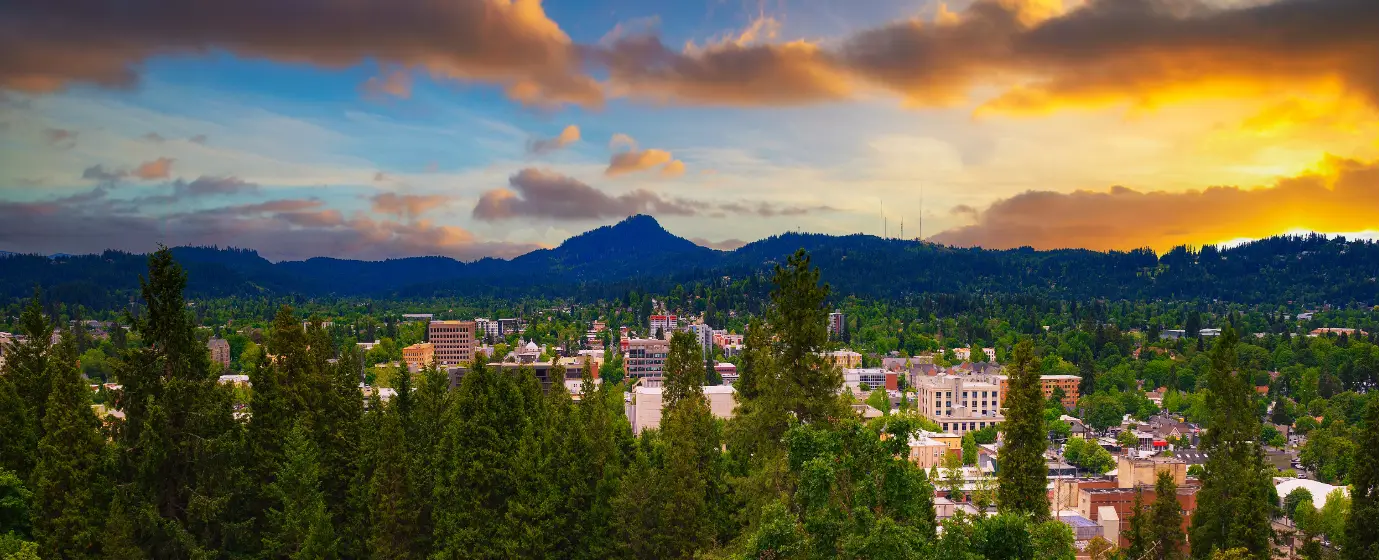
Eugene
Home to the University of Oregon and Hayward Field — the world's premier track and field venue — Eugene is Oregon's second-largest city with a vibrant creative economy, strong outdoor culture, and a world-class food scene. Gateway to Cascade wilderness. Median homes $380K–$480K.
Full Eugene Guide →- The Ultimate Eugene Relocation Guide (2026)
- Is Eugene Safe? Crime Rates & Neighborhoods (2026)
- Cost of Living in Eugene (2026)
- Best Neighborhoods in Eugene (2026)
- Eugene Schools & Family Life (2026)
- Youth Sports in Eugene: Leagues & Facilities (2026)
- Parks & Recreation in Eugene (2026)
- Retiring in Eugene: Is It the Right Fit? (2026)
- First-Time Home Buyer Guide: Eugene, Oregon (2026)
- Moving to Eugene from California: What to Expect (2026)
- 1031 Exchange in Eugene: Real Estate Investor's Guide (2026)
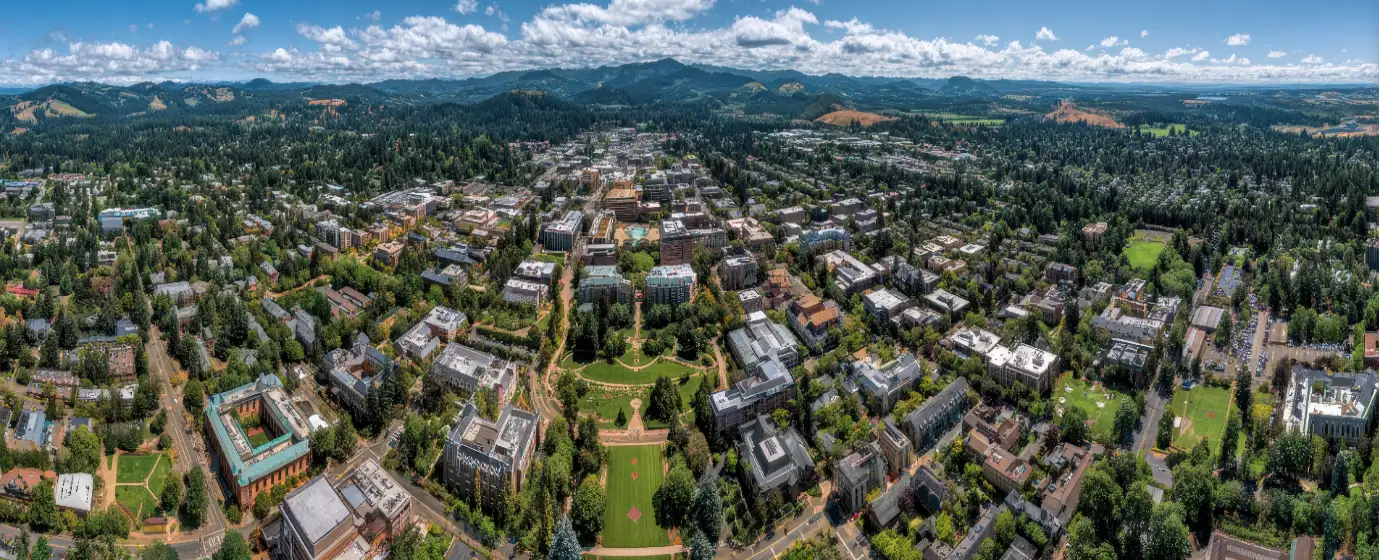
Corvallis
Consistently ranked among Oregon's most livable cities — an educated, walkable college town anchored by Oregon State University with a strong STEM economy, top-performing schools, and direct Cascade access via Hwy 20. Median homes $390K–$490K.
Full Corvallis Guide →- The Ultimate Corvallis Relocation Guide (2026)
- Is Corvallis Safe? Crime Rates & Neighborhoods (2026)
- Cost of Living in Corvallis (2026)
- Best Neighborhoods in Corvallis (2026)
- Corvallis Schools & Family Life (2026)
- Youth Sports in Corvallis: Leagues & Facilities (2026)
- Parks & Recreation in Corvallis (2026)
- Retiring in Corvallis: Is It the Right Fit? (2026)
- First-Time Home Buyer Guide: Corvallis, Oregon (2026)
- Moving to Corvallis from California: What to Expect (2026)
- 1031 Exchange in Corvallis: Real Estate Investor's Guide (2026)
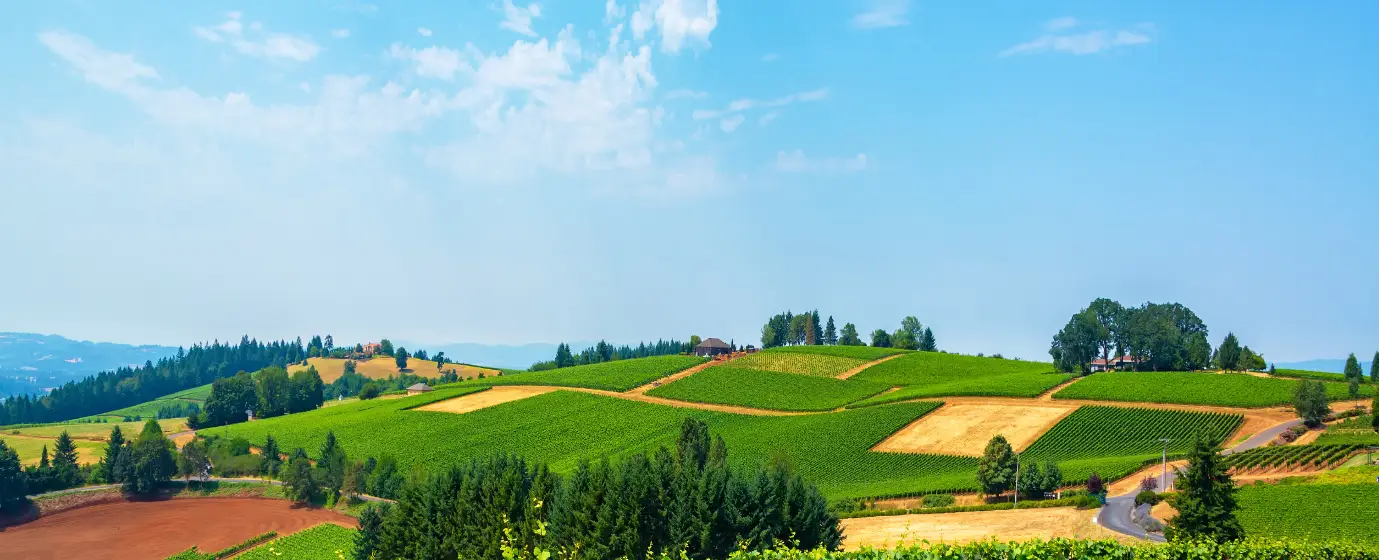
McMinnville
The Willamette Valley's most celebrated smaller city — a genuine downtown restaurant and wine scene, Linfield University, and the heart of Yamhill County wine country. McMinnville punches well above its size for quality of life. Median homes $420K–$530K.
Full McMinnville Guide →- The Ultimate Mcminnville Relocation Guide (2026)
- Is Mcminnville Safe? Crime Rates & Neighborhoods (2026)
- Cost of Living in Mcminnville (2026)
- Best Neighborhoods in Mcminnville (2026)
- Mcminnville Schools & Family Life (2026)
- Youth Sports in Mcminnville: Leagues & Facilities (2026)
- Parks & Recreation in Mcminnville (2026)
- Retiring in Mcminnville: Is It the Right Fit? (2026)
- First-Time Home Buyer Guide: Mcminnville, Oregon (2026)
- Moving to Mcminnville from California: What to Expect (2026)
- 1031 Exchange in Mcminnville: Real Estate Investor's Guide (2026)
- The McMinnville Realtor's Perspective (2026)
- Moving to McMinnville? Top 10 Questions Realtors Get About Living in McMinnville, Oregon (2026)
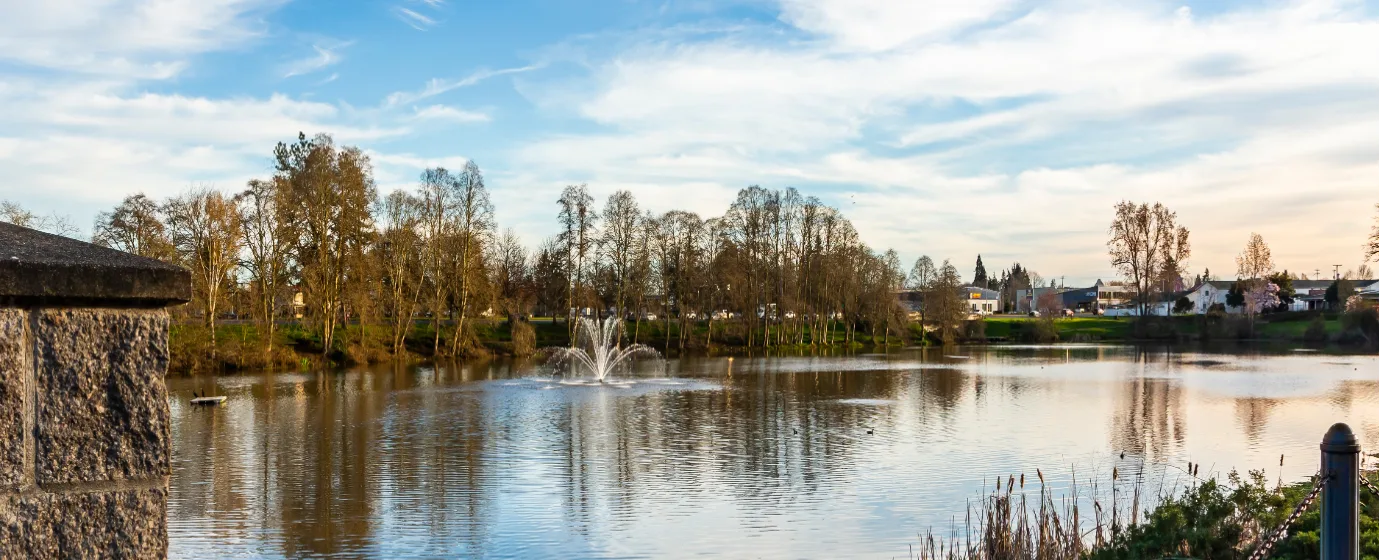
Albany
A working mid-Valley city with a beautifully preserved Victorian historic district, strong manufacturing base (rare metals, technology), and one of the region's most affordable home markets. Equidistant between Salem and Corvallis on I-5. Median homes $320K–$400K.
Full Albany Guide →- The Ultimate Albany Relocation Guide (2026)
- Is Albany Safe? Crime Rates & Neighborhoods (2026)
- Cost of Living in Albany (2026)
- Best Neighborhoods in Albany (2026)
- Albany Schools & Family Life (2026)
- Youth Sports in Albany: Leagues & Facilities (2026)
- Parks & Recreation in Albany (2026)
- Retiring in Albany: Is It the Right Fit? (2026)
- First-Time Home Buyer Guide: Albany, Oregon (2026)
- Moving to Albany from California: What to Expect (2026)
- 1031 Exchange in Albany: Real Estate Investor's Guide (2026)

Newberg
The northern gateway to Yamhill County wine country, 25 miles southwest of Portland. George Fox University anchors a community that blends college-town character with Chehalem Mountains tasting room access. Median homes $420K–$520K.
Full Newberg Guide →- The Ultimate Newberg Relocation Guide (2026)
- Is Newberg Safe? Crime Rates & Neighborhoods (2026)
- Cost of Living in Newberg (2026)
- Best Neighborhoods in Newberg (2026)
- Newberg Schools & Family Life (2026)
- Youth Sports in Newberg: Leagues & Facilities (2026)
- Parks & Recreation in Newberg (2026)
- Retiring in Newberg: Is It the Right Fit? (2026)
- First-Time Home Buyer Guide: Newberg, Oregon (2026)
- Moving to Newberg from California: What to Expect (2026)
- 1031 Exchange in Newberg: Real Estate Investor's Guide (2026)
- The Newberg Realtor's Perspective (2026)
- Moving to Newberg? Top 10 Questions Realtors Get About Living in Newberg, Oregon (2026)

Woodburn
A diverse, largely Latino community 30 miles south of Portland with one of the state's best outlet shopping centers and a strong agricultural economy. Among the most affordable I-5 corridor cities. Median homes $310K–$390K.
Full Woodburn Guide →- The Ultimate Woodburn Relocation Guide (2026)
- Is Woodburn Safe? Crime Rates & Neighborhoods (2026)
- Cost of Living in Woodburn (2026)
- Best Neighborhoods in Woodburn (2026)
- Woodburn Schools & Family Life (2026)
- Youth Sports in Woodburn: Leagues & Facilities (2026)
- Parks & Recreation in Woodburn (2026)
- Retiring in Woodburn: Is It the Right Fit? (2026)
- First-Time Home Buyer Guide: Woodburn, Oregon (2026)
- Moving to Woodburn from California: What to Expect (2026)
- 1031 Exchange in Woodburn: Real Estate Investor's Guide (2026)

Lebanon
A small mid-Valley city between Albany and Sweet Home with a manufacturing base, low home prices, and easy Cascade access via Hwy 20. A practical choice for buyers wanting affordability near Corvallis. Median homes $280K–$360K.
Full Lebanon Guide →- The Ultimate Lebanon Relocation Guide (2026)
- Is Lebanon Safe? Crime Rates & Neighborhoods (2026)
- Cost of Living in Lebanon (2026)
- Best Neighborhoods in Lebanon (2026)
- Lebanon Schools & Family Life (2026)
- Youth Sports in Lebanon: Leagues & Facilities (2026)
- Parks & Recreation in Lebanon (2026)
- Retiring in Lebanon: Is It the Right Fit? (2026)
- First-Time Home Buyer Guide: Lebanon, Oregon (2026)
- Moving to Lebanon from California: What to Expect (2026)
- 1031 Exchange in Lebanon: Real Estate Investor's Guide (2026)

Keizer
A bedroom community directly north of Salem offering newer housing stock, low crime rates, and easy access to Salem's employment base. Popular with families and state government employees. Median homes $340K–$430K.
Full Keizer Guide →- The Ultimate Keizer Relocation Guide (2026)
- Is Keizer Safe? Crime Rates & Neighborhoods (2026)
- Cost of Living in Keizer (2026)
- Best Neighborhoods in Keizer (2026)
- Keizer Schools & Family Life (2026)
- Youth Sports in Keizer: Leagues & Facilities (2026)
- Parks & Recreation in Keizer (2026)
- Retiring in Keizer: Is It the Right Fit? (2026)
- First-Time Home Buyer Guide: Keizer, Oregon (2026)
- Moving to Keizer from California: What to Expect (2026)
- 1031 Exchange in Keizer: Real Estate Investor's Guide (2026)

Silverton
One of the Valley's most charming small cities, 14 miles east of Salem near Silver Falls State Park — Oregon's largest state park with 10 waterfalls. Walkable historic downtown, art community, and strong local identity. Median homes $330K–$420K.
Full Silverton Guide →- The Ultimate Silverton Relocation Guide (2026)
- Is Silverton Safe? Crime Rates & Neighborhoods (2026)
- Cost of Living in Silverton (2026)
- Best Neighborhoods in Silverton (2026)
- Silverton Schools & Family Life (2026)
- Youth Sports in Silverton: Leagues & Facilities (2026)
- Parks & Recreation in Silverton (2026)
- Retiring in Silverton: Is It the Right Fit? (2026)
- First-Time Home Buyer Guide: Silverton, Oregon (2026)
- Moving to Silverton from California: What to Expect (2026)
- 1031 Exchange in Silverton: Real Estate Investor's Guide (2026)
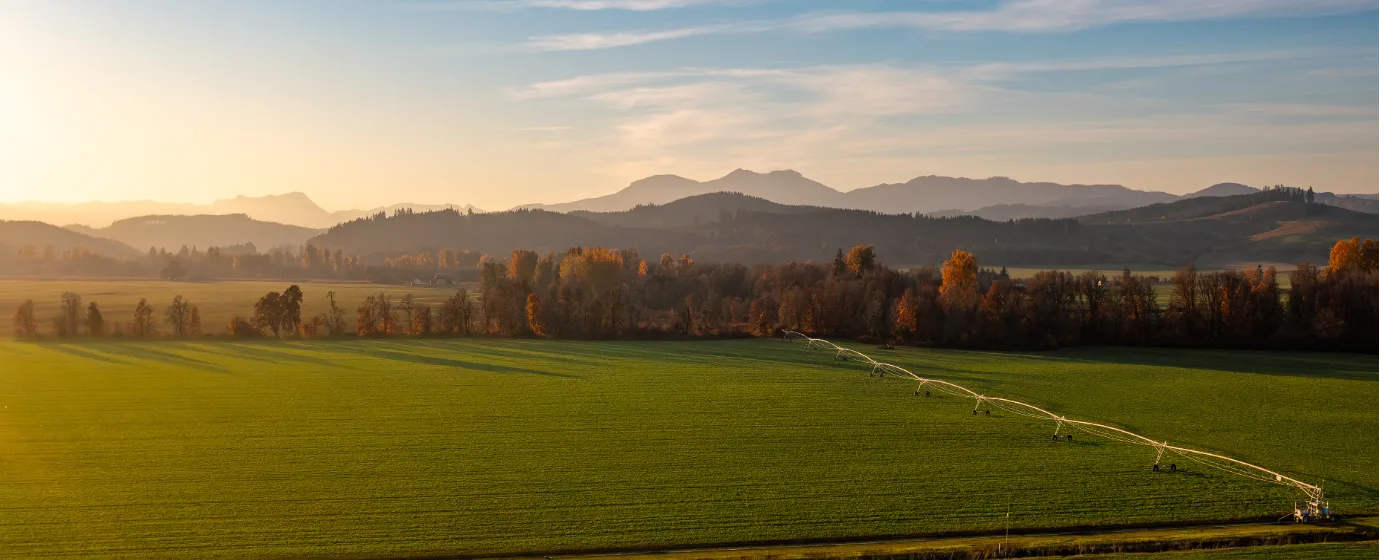
Dallas
A quiet residential city 15 miles west of Salem with some of the mid-Valley's most affordable home prices and practical access to Salem's employment base. Good for buyers wanting space and quiet within commuting range. Median homes $290K–$370K.
Full Dallas Guide →- The Ultimate Dallas Relocation Guide (2026)
- Is Dallas Safe? Crime Rates & Neighborhoods (2026)
- Cost of Living in Dallas (2026)
- Best Neighborhoods in Dallas (2026)
- Dallas Schools & Family Life (2026)
- Youth Sports in Dallas: Leagues & Facilities (2026)
- Parks & Recreation in Dallas (2026)
- Retiring in Dallas: Is It the Right Fit? (2026)
- First-Time Home Buyer Guide: Dallas, Oregon (2026)
- Moving to Dallas from California: What to Expect (2026)
- 1031 Exchange in Dallas: Real Estate Investor's Guide (2026)
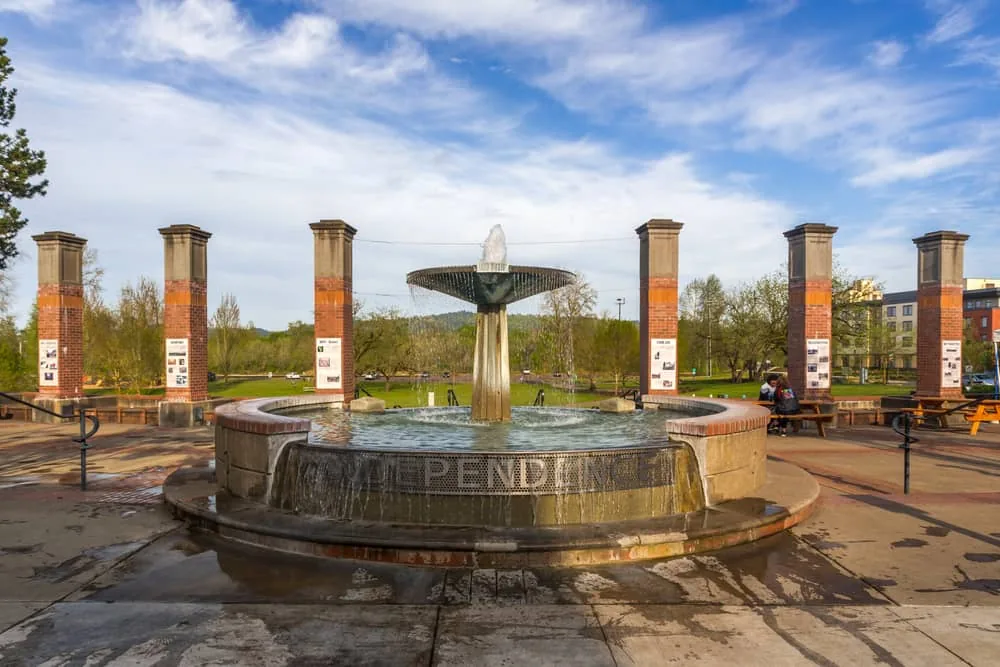
Independence
A small Willamette River city 12 miles southwest of Salem quietly revitalizing its historic downtown and riverfront. Popular with buyers seeking genuine small-town character at affordable prices. Median homes $300K–$380K.
Full Independence Guide →- The Ultimate Independence Relocation Guide (2026)
- Is Independence Safe? Crime Rates & Neighborhoods (2026)
- Cost of Living in Independence (2026)
- Best Neighborhoods in Independence (2026)
- Independence Schools & Family Life (2026)
- Youth Sports in Independence: Leagues & Facilities (2026)
- Parks & Recreation in Independence (2026)
- Retiring in Independence: Is It the Right Fit? (2026)
- First-Time Home Buyer Guide: Independence, Oregon (2026)
- Moving to Independence from California: What to Expect (2026)
- 1031 Exchange in Independence: Real Estate Investor's Guide (2026)

Monmouth
Home to Western Oregon University, Monmouth is a small college town with a walkable downtown, low crime, and an educated community. Among the mid-Valley's most affordable university towns. Median homes $290K–$370K.
Full Monmouth Guide →- The Ultimate Monmouth Relocation Guide (2026)
- Is Monmouth Safe? Crime Rates & Neighborhoods (2026)
- Cost of Living in Monmouth (2026)
- Best Neighborhoods in Monmouth (2026)
- Monmouth Schools & Family Life (2026)
- Youth Sports in Monmouth: Leagues & Facilities (2026)
- Parks & Recreation in Monmouth (2026)
- Retiring in Monmouth: Is It the Right Fit? (2026)
- First-Time Home Buyer Guide: Monmouth, Oregon (2026)
- Moving to Monmouth from California: What to Expect (2026)
- 1031 Exchange in Monmouth: Real Estate Investor's Guide (2026)
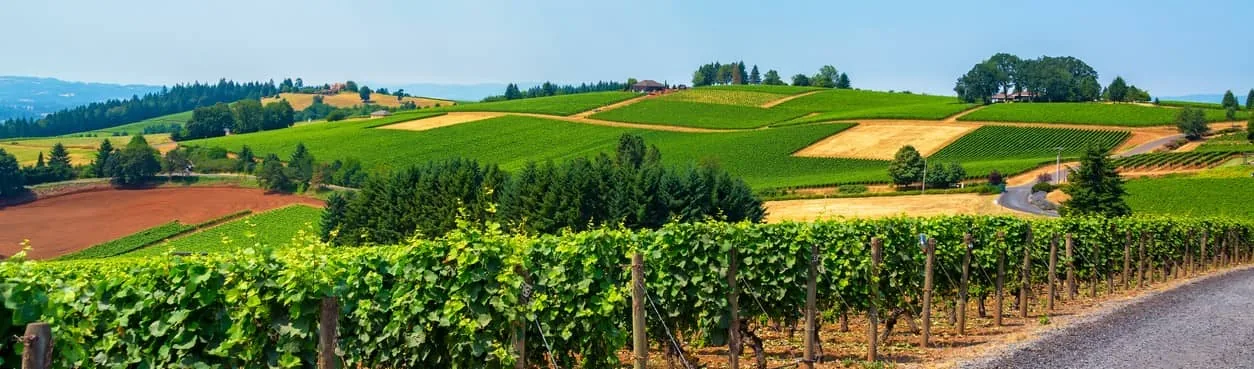
Dundee
The epicenter of Dundee Hills AVA wine country with more acclaimed tasting rooms per capita than almost any other Oregon city. The Painted Lady and Tina's are among Oregon's finest dining destinations. Median homes $380K–$500K.
Full Dundee Guide →- The Ultimate Dundee Relocation Guide (2026)
- Is Dundee Safe? Crime Rates & Neighborhoods (2026)
- Cost of Living in Dundee (2026)
- Best Neighborhoods in Dundee (2026)
- Dundee Schools & Family Life (2026)
- Youth Sports in Dundee: Leagues & Facilities (2026)
- Parks & Recreation in Dundee (2026)
- Retiring in Dundee: Is It the Right Fit? (2026)
- First-Time Home Buyer Guide: Dundee, Oregon (2026)
- Moving to Dundee from California: What to Expect (2026)
- 1031 Exchange in Dundee: Real Estate Investor's Guide (2026)
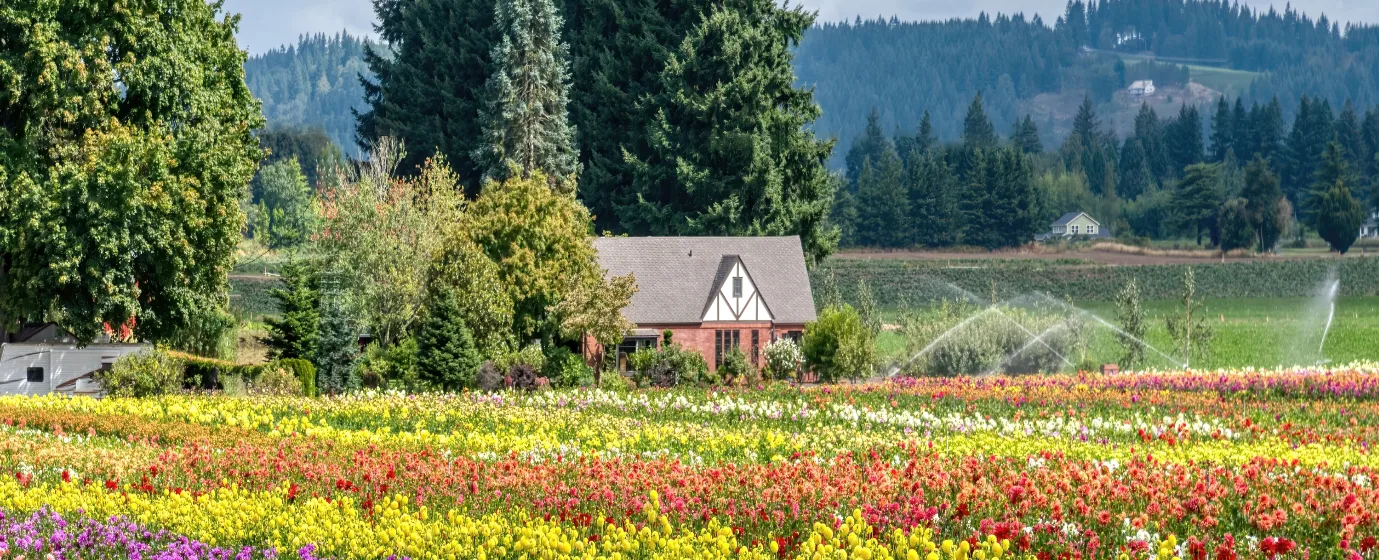
Canby
A family-friendly Clackamas County city 25 miles south of Portland with newer housing, a strong school district, and a community character shaped by agriculture and the Willamette River. Median homes $380K–$460K.
Full Canby Guide →- The Ultimate Canby Relocation Guide (2026)
- Is Canby Safe? Crime Rates & Neighborhoods (2026)
- Cost of Living in Canby (2026)
- Best Neighborhoods in Canby (2026)
- Canby Schools & Family Life (2026)
- Youth Sports in Canby: Leagues & Facilities (2026)
- Parks & Recreation in Canby (2026)
- Retiring in Canby: Is It the Right Fit? (2026)
- First-Time Home Buyer Guide: Canby, Oregon (2026)
- Moving to Canby from California: What to Expect (2026)
- 1031 Exchange in Canby: Real Estate Investor's Guide (2026)
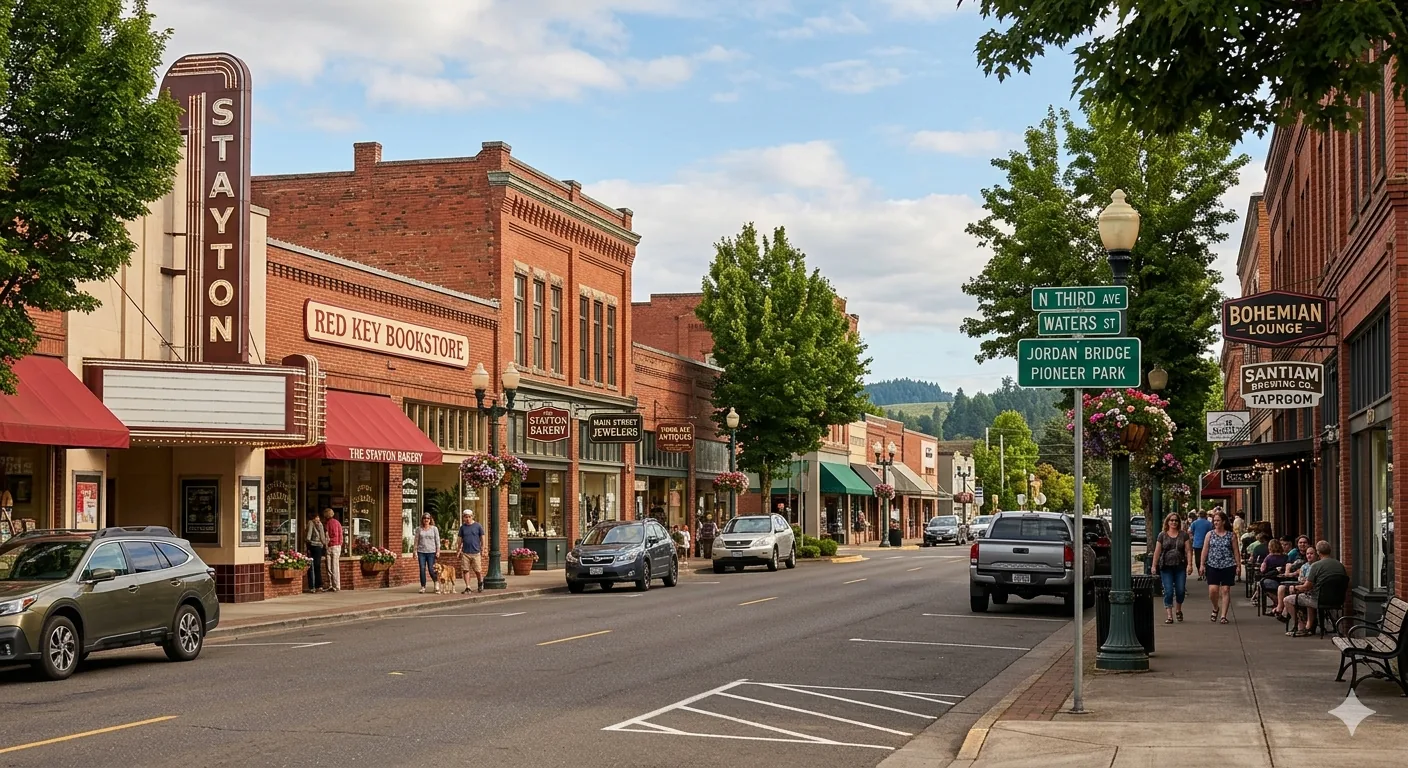
Stayton
A small farming and mill city on the North Santiam River, 16 miles east of Salem. Stayton has a strong agricultural identity, good Cascade access via Hwy 22, and genuine affordability. Median homes $300K–$380K.
Full Stayton Guide →- The Ultimate Stayton Relocation Guide (2026)
- Is Stayton Safe? Crime Rates & Neighborhoods (2026)
- Cost of Living in Stayton (2026)
- Best Neighborhoods in Stayton (2026)
- Stayton Schools & Family Life (2026)
- Youth Sports in Stayton: Leagues & Facilities (2026)
- Parks & Recreation in Stayton (2026)
- Retiring in Stayton: Is It the Right Fit? (2026)
- First-Time Home Buyer Guide: Stayton, Oregon (2026)
- Moving to Stayton from California: What to Expect (2026)
- 1031 Exchange in Stayton: Real Estate Investor's Guide (2026)
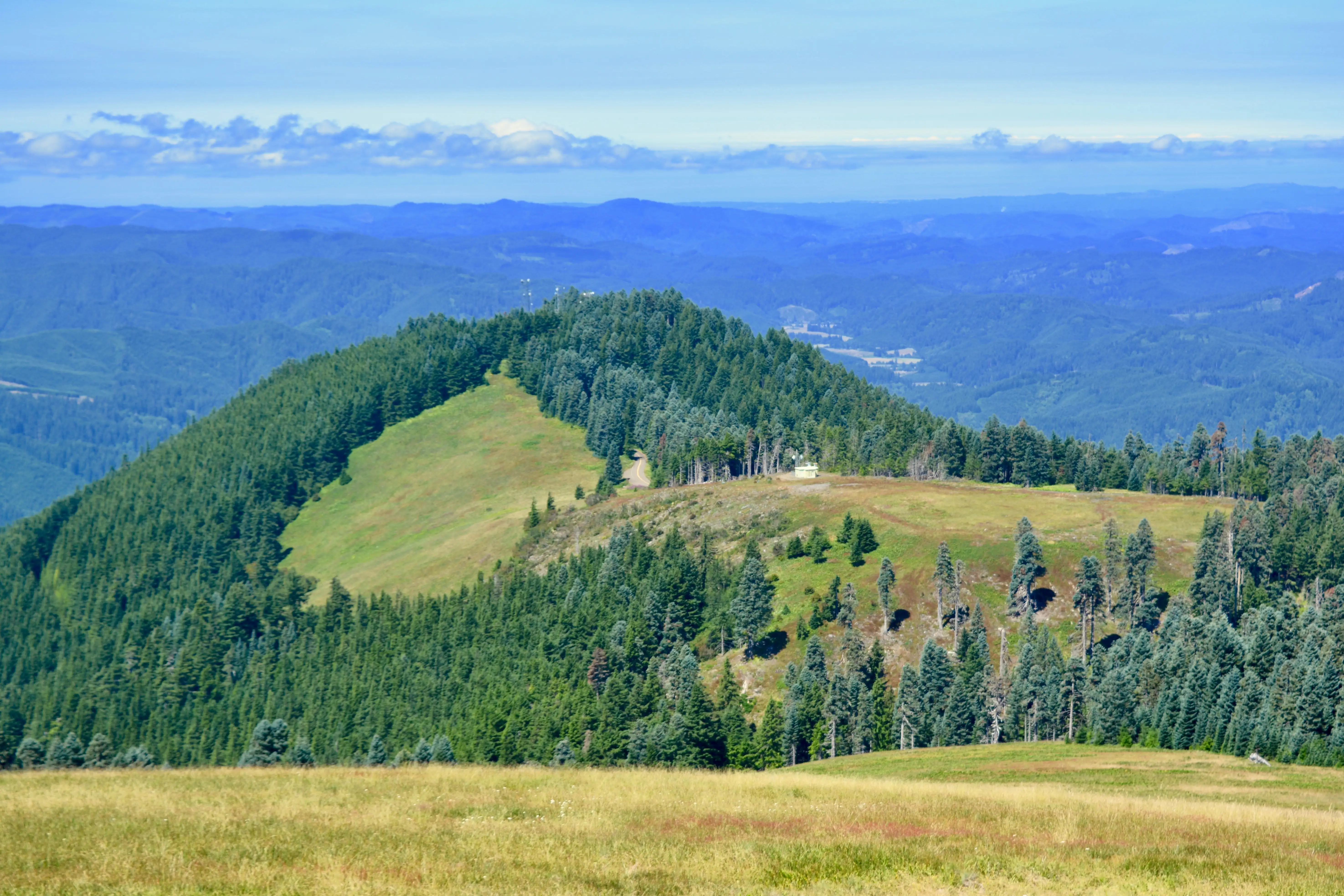
Philomath
Immediately adjacent to Corvallis, Philomath offers slightly lower home prices with the same school district access and Cascade proximity. Popular with OSU faculty and staff seeking Corvallis's character at a slight discount. Median homes $360K–$450K.
Full Philomath Guide →- The Ultimate Philomath Relocation Guide (2026)
- Is Philomath Safe? Crime Rates & Neighborhoods (2026)
- Cost of Living in Philomath (2026)
- Best Neighborhoods in Philomath (2026)
- Philomath Schools & Family Life (2026)
- Youth Sports in Philomath: Leagues & Facilities (2026)
- Parks & Recreation in Philomath (2026)
- Retiring in Philomath: Is It the Right Fit? (2026)
- First-Time Home Buyer Guide: Philomath, Oregon (2026)
- Moving to Philomath from California: What to Expect (2026)
- 1031 Exchange in Philomath: Real Estate Investor's Guide (2026)
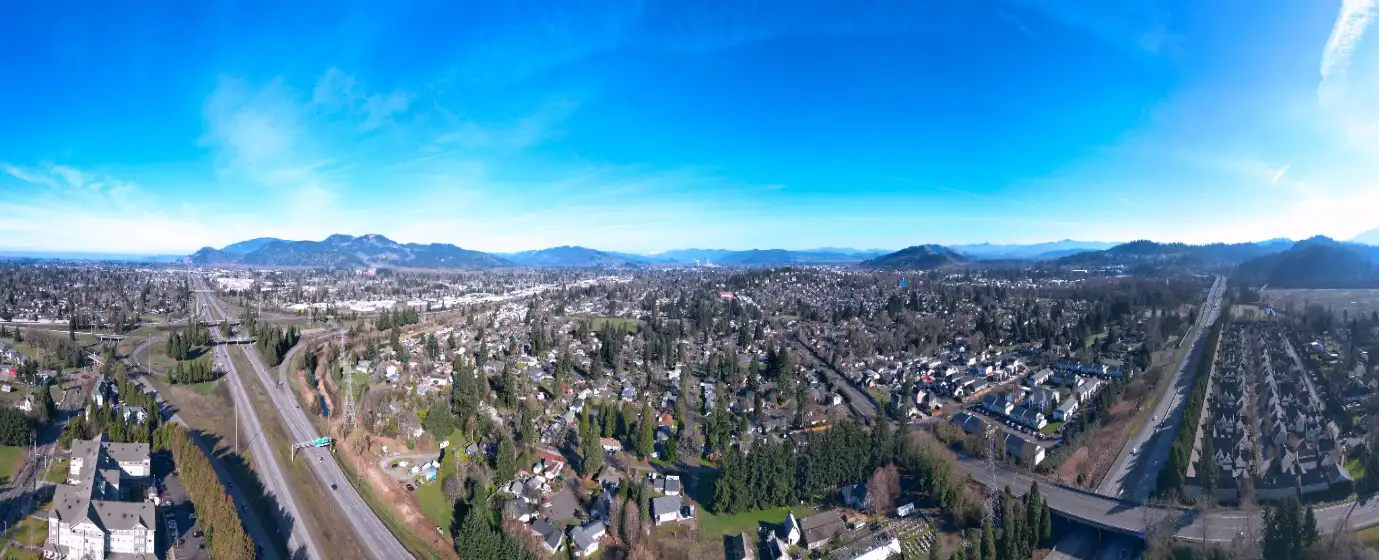
Springfield
Eugene's sister city across the Willamette — more working-class, more affordable, and increasingly attractive to buyers priced out of Eugene proper. Excellent I-5 and Hwy 126 access. Median homes $330K–$410K.
Full Springfield Guide →- The Ultimate Springfield Relocation Guide (2026)
- Is Springfield Safe? Crime Rates & Neighborhoods (2026)
- Cost of Living in Springfield (2026)
- Best Neighborhoods in Springfield (2026)
- Springfield Schools & Family Life (2026)
- Youth Sports in Springfield: Leagues & Facilities (2026)
- Parks & Recreation in Springfield (2026)
- Retiring in Springfield: Is It the Right Fit? (2026)
- First-Time Home Buyer Guide: Springfield, Oregon (2026)
- Moving to Springfield from California: What to Expect (2026)
- 1031 Exchange in Springfield: Real Estate Investor's Guide (2026)

Millersburg
A small incorporated city within the Albany urban area offering newer residential development near Albany's employment and retail base at competitive prices. Good for buyers seeking new construction in the mid-Valley. Median homes $360K–$440K.
Full Millersburg Guide →- The Ultimate Millersburg Relocation Guide (2026)
- Is Millersburg Safe? Crime Rates & Neighborhoods (2026)
- Cost of Living in Millersburg (2026)
- Best Neighborhoods in Millersburg (2026)
- Millersburg Schools & Family Life (2026)
- Youth Sports in Millersburg: Leagues & Facilities (2026)
- Parks & Recreation in Millersburg (2026)
- Retiring in Millersburg: Is It the Right Fit? (2026)
- First-Time Home Buyer Guide: Millersburg, Oregon (2026)
- Moving to Millersburg from California: What to Expect (2026)
- 1031 Exchange in Millersburg: Real Estate Investor's Guide (2026)
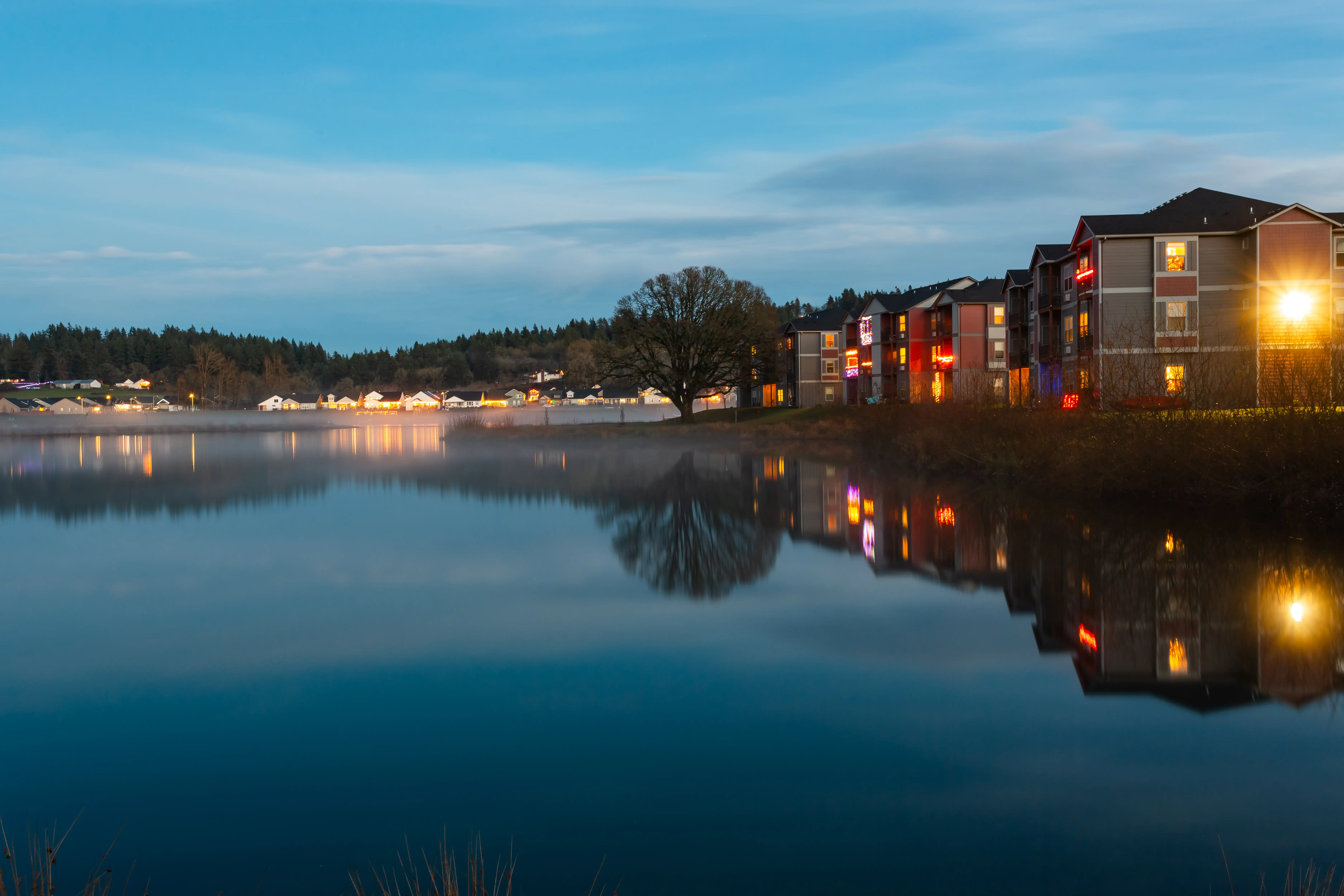
Turner
A small agricultural city 8 miles south of Salem offering genuine rural character within easy commuting range of Salem's job base. Good for buyers wanting space, quiet, and a real small-town community. Median homes $300K–$380K.
Full Turner Guide →- The Ultimate Turner Relocation Guide (2026)
- Is Turner Safe? Crime Rates & Neighborhoods (2026)
- Cost of Living in Turner (2026)
- Best Neighborhoods in Turner (2026)
- Turner Schools & Family Life (2026)
- Youth Sports in Turner: Leagues & Facilities (2026)
- Parks & Recreation in Turner (2026)
- Retiring in Turner: Is It the Right Fit? (2026)
- First-Time Home Buyer Guide: Turner, Oregon (2026)
- Moving to Turner from California: What to Expect (2026)
- 1031 Exchange in Turner: Real Estate Investor's Guide (2026)

Junction City
A small farming city 15 miles north of Eugene with Scandinavian heritage and affordable prices that appeal to Eugene workers seeking more space. Good Hwy 99W and I-5 access. Median homes $300K–$380K.
Full Junction City Guide →- The Ultimate Junction City Relocation Guide (2026)
- Is Junction City Safe? Crime Rates & Neighborhoods (2026)
- Cost of Living in Junction City (2026)
- Best Neighborhoods in Junction City (2026)
- Junction City Schools & Family Life (2026)
- Youth Sports in Junction City: Leagues & Facilities (2026)
- Parks & Recreation in Junction City (2026)
- Retiring in Junction City: Is It the Right Fit? (2026)
- First-Time Home Buyer Guide: Junction City, Oregon (2026)
- Moving to Junction City from California: What to Expect (2026)
- 1031 Exchange in Junction City: Real Estate Investor's Guide (2026)
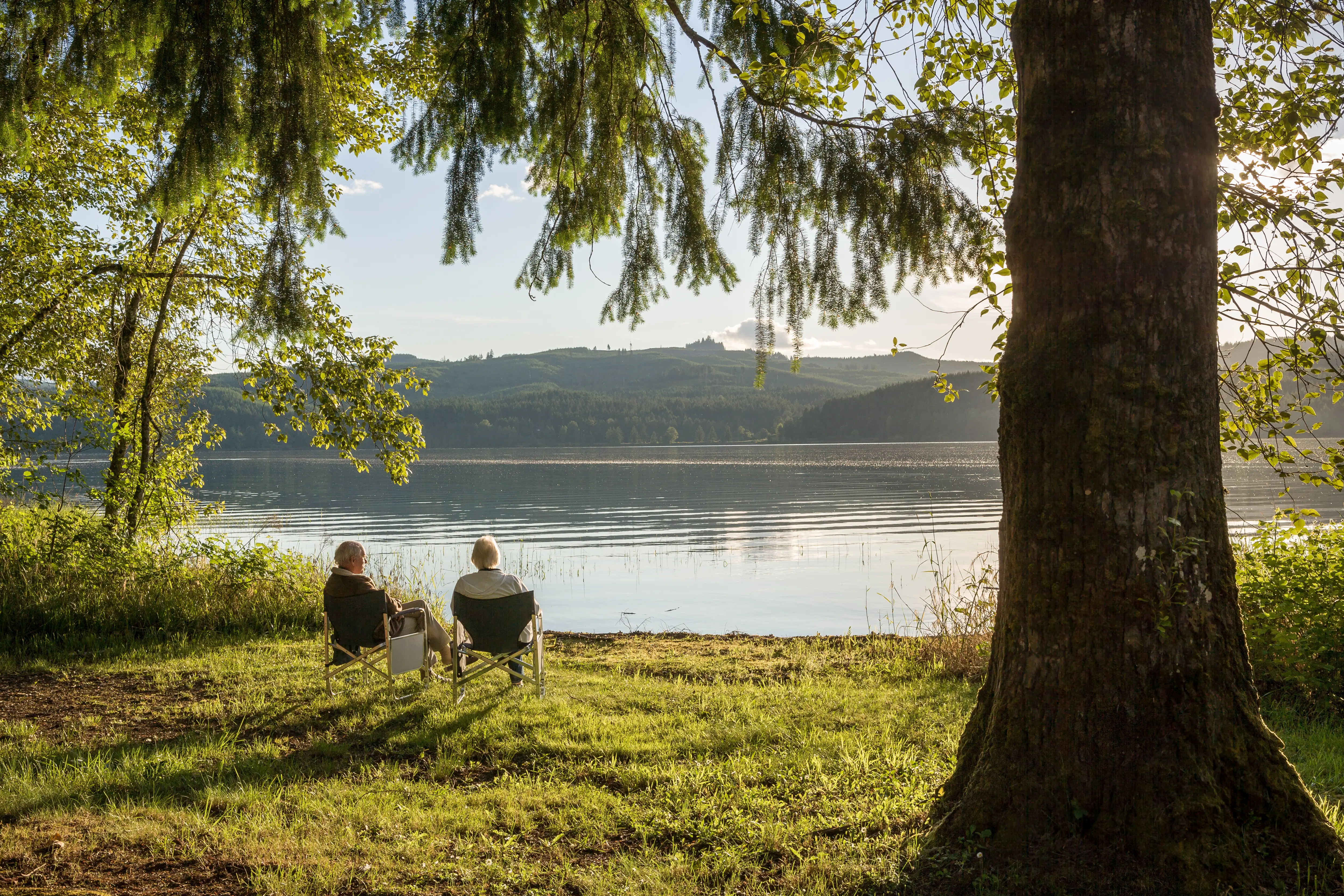
Cottage Grove
Famous for its historic covered bridges and Dorena Lake recreation area. Cottage Grove sits 20 miles south of Eugene on I-5 with an authentic downtown, outdoor access, and some of the south Valley's lowest home prices. Median homes $280K–$360K.
Full Cottage Grove Guide →- The Ultimate Cottage Grove Relocation Guide (2026)
- Is Cottage Grove Safe? Crime Rates & Neighborhoods (2026)
- Cost of Living in Cottage Grove (2026)
- Best Neighborhoods in Cottage Grove (2026)
- Cottage Grove Schools & Family Life (2026)
- Youth Sports in Cottage Grove: Leagues & Facilities (2026)
- Parks & Recreation in Cottage Grove (2026)
- Retiring in Cottage Grove: Is It the Right Fit? (2026)
- First-Time Home Buyer Guide: Cottage Grove, Oregon (2026)
- Moving to Cottage Grove from California: What to Expect (2026)
- 1031 Exchange in Cottage Grove: Real Estate Investor's Guide (2026)
FAQs About Living in Willamette Valley
Is the Willamette Valley a good place to live?
For a wide range of households and lifestyles, yes — the Willamette Valley is Oregon's most versatile and complete region. It offers real cities (Salem, Eugene, Corvallis), charming smaller towns (McMinnville, Silverton, Newberg), wine country, university culture, strong healthcare, and Cascade and coast access within a couple of hours. It lacks Portland's urban intensity and Bend's year-round sunshine, but it has more complete services and more affordable housing than either. Families, professionals, retirees, remote workers, and outdoor enthusiasts all find what they need here.
What are the most affordable cities in the Willamette Valley?
Lebanon, Dallas, Turner, Cottage Grove, and Monmouth are consistently among the Valley's most affordable, with median home prices in the $280K–$380K range. Woodburn and Springfield offer I-5 corridor access at similar price points. Albany is the most affordable city of significant size — Victorian-era charm and a manufacturing economy at prices well below Salem or Eugene.
What is the best city in the Willamette Valley for families?
Corvallis and Salem score well on family metrics — school quality, safety, parks, and community services. Silverton is exceptional for smaller-city family life, with Silver Falls State Park as a backyard amenity. Newberg and McMinnville attract families who want wine country character with good schools. Keizer, north of Salem, is popular specifically for its newer housing stock and low crime rates.
How far is the Willamette Valley from the coast and mountains?
The Valley's central position is a genuine geographic advantage. From Salem: the Oregon Coast (Lincoln City) is about 65 miles west — roughly 70 minutes. The Cascades (Detroit Lake) are about 50 miles east — 55 minutes. From Corvallis: Newport is 57 miles west — about 65 minutes; the Cascades via Hwy 20 are 72 miles east — about 80 minutes. From Eugene: Florence on the coast is 62 miles west — about 70 minutes; Willamette Pass ski area is 70 miles east — about 75 minutes. No other part of Oregon offers this bilateral access.
What are the best schools in the Willamette Valley?
Corvallis School District is widely considered the Valley's strongest, reflecting the OSU university community's educational investment. Silverton School District and West Salem area schools also perform well above state averages. McMinnville, Newberg, and Canby school districts are strong options in the north Valley. Eugene's 4J district is uneven but has strong individual schools at the middle and high school level.
Is Salem a good place to live?
Salem is significantly better than its Oregon reputation suggests. The state capital has a stable, government-anchored economy that insulates it from recessions better than most Oregon cities, a genuine revitalizing downtown with restaurants and craft breweries, and the Valley's best home prices for a city its size. Trade-offs include a higher property crime rate than suburban alternatives and some urban core challenges common to mid-size cities. For buyers prioritizing value on the I-5 corridor, Salem is the Willamette Valley's best overall deal.
What is the cost of living in the Willamette Valley?
Below Portland Metro and Bend in most categories. Salem's most significant value: a household that buys a $380K home in Salem would need roughly $650K–$750K for equivalent space and school quality in Portland suburbs. Eugene and Corvallis run higher than Salem but well below Portland. The Valley's no-sales-tax advantage compounds with lower housing costs to create substantial long-term savings for households relocating from sales-tax states.
Explore Other Oregon Regions
The Willamette Valley is one of seven distinct regions that make up Oregon. Each has its own climate, character, and housing market — explore them all.

Oregon's urban core — diverse neighborhoods, world-class food, MAX light rail, and easy access to mountains and coast. 19 cities including Portland, Beaverton, and Hillsboro.
Explore all 19 Portland Metro cities →
363 miles of dramatic Pacific coastline — sea stacks, lighthouses, charming beach towns, fresh seafood. 16 cities including Newport, Astoria, and Lincoln City.
Explore all 16 Oregon Coast cities →
Year-round skiing on Mt Hood, world-class windsurfing in Hood River, and the iconic waterfall corridor. 10 cities including Hood River, Sandy, and The Dalles.
Explore all 10 Mt Hood & Gorge cities →
Oregon's sunniest region — Shakespeare Festival, Wild Rogue River, and Crater Lake access. 10 cities including Medford, Grants Pass, and Ashland.
Explore all 10 Southern Oregon cities →.jpg)
300+ sunny days, world-class skiing at Mt Bachelor, Smith Rock climbing, and Bend's booming outdoor culture. 6 cities including Bend, Redmond, and Sisters.
Explore all 6 Central Oregon cities →.jpg)
Wide open spaces, dramatic canyons, authentic ranching culture, and Oregon's most affordable real estate. 6 cities including Pendleton, Hermiston, and La Grande.
Explore all 6 Eastern Oregon cities →Moving to the Willamette Valley?
Tell us what you need help with and we'll connect you with local resources.

Todd Davidson
About the Author
Todd Davidson is the founder of Living in Oregon and Living in Washington, where he publishes in-depth city guides, neighborhood resources, and local market insights covering more than 180 communities across the Pacific Northwest. While his background is in home financing and real estate, he created these digital platforms to help families research and compare regions before making a move.