
Willamette Valley · Oregon
Cost of Living in Monmouth: Housing, Taxes, Utilities & Lifestyle (2026)
The first number that catches most buyers' eyes when they look at Monmouth is the median home price — sitting right around $466,000, which lands below Oregon's statewide median. For a Willamette Valley college town with a functioning downtown, a trail system, and reasonable proximity to Salem, that figure surprises people who've been watching markets in Corvallis or Albany. What they don't immediately notice is that transportation and healthcare costs run above the national average, and that Oregon's income tax will take a real bite out of whatever they save on housing.
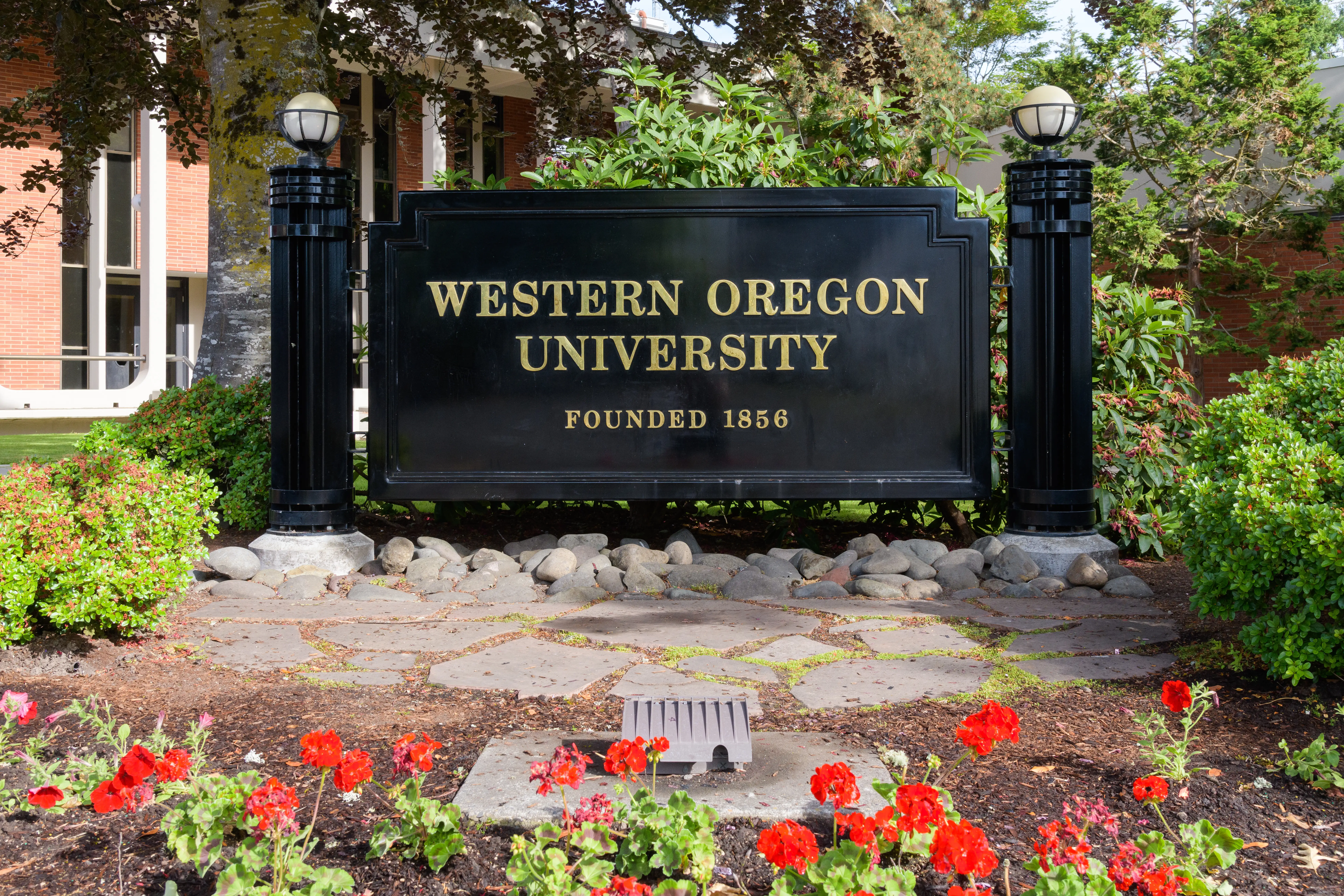
Monmouth's cost picture is shaped by two forces pulling in opposite directions. Western Oregon University creates a rental-heavy housing stock — more than half of households here rent — which keeps the for-sale inventory tight and pushes listings toward longer days on market despite the city's relatively modest size. At the same time, the city's municipal utility keeps electricity costs below the national average, and Oregon's complete absence of a sales tax quietly saves residents several thousand dollars a year compared to most states.
This guide breaks down every major line item: what $466,000 actually buys, what renters should expect to pay, how property taxes work under Oregon's Measure 50 system, and how Monmouth stacks up against Independence, Salem, Corvallis, and Dallas in a side-by-side comparison. If you're trying to decide whether Monmouth makes financial sense for your household, the numbers are here — with the context to read them correctly.

The median home value in Monmouth sits at approximately $466,000 — a figure that has held fairly steady over the past year, with the Zillow Home Value Index reporting just under a 1% increase. At that price point, buyers are typically looking at three-bedroom, two-bath single-family homes in established neighborhoods, many with craftsman-style character and mature landscaping. The price per square foot runs roughly $321, which means a 1,500-square-foot home is realistically priced around $480,000 depending on condition and location.
The market moves with some urgency when it moves at all. Homes have been selling in around 31 days on average — a dramatic tightening compared to the 74-day average from the prior year. Inventory stays thin, with roughly 50 homes listed at any given time across the entire city. That combination of low supply and faster absorption means buyers who find the right home are not sitting on it for weeks while they deliberate.
Median list prices have been trending higher than the sold median, with some listings appearing in the $550,000–$565,000 range. The spread between list and sale prices reflects both seller optimism and the reality that Monmouth has low monthly transaction volume — a single slow month can skew the averages significantly. Buyers with patience and flexibility tend to find value here; buyers who need to move fast in a specific school zone may feel the squeeze.
| Budget Range | What to Expect |
|---|---|
| Under $350,000 | Very limited — older mobile homes, distressed properties, rare fixer-uppers |
| $350,000–$430,000 | Smaller single-family homes, older construction, may need updating |
| $430,000–$520,000 | Core median range — 3BR/2BA, established neighborhoods, decent condition |
| $520,000–$620,000 | Newer builds, larger lots, some newer subdivisions on the city's edges |
| $620,000+ | Rare for Monmouth — custom builds, acreage, or fully renovated showpieces |
Polk County's effective property tax rate runs approximately 0.84%, which sits below the national median of 1.02% and keeps Monmouth competitive among Oregon's mid-Willamette Valley cities. On a $466,000 purchase, that translates to roughly $3,914 per year — or about $326 per month. Oregon's Measure 50 limits annual assessed value growth to 3% per year, which means longtime homeowners often pay taxes on a value meaningfully lower than their home's current market price. New buyers, however, get assessed closer to current market value, so the full rate applies more directly to recent purchases.
With more than half of Monmouth's households renting rather than owning, the rental market here is active, varied, and shaped heavily by the student population at Western Oregon University. The majority of rental units are in smaller complexes — roughly 73% of apartments are in buildings with fewer than 50 units — which means most renters end up in smaller community settings rather than large apartment complexes.
| Unit Type | Monthly Rent Range |
|---|---|
| Studio | $850–$1,100 |
| 1-Bedroom | $1,175–$1,725 |
| 2-Bedroom | $1,050–$2,250 |
| 3-Bedroom | $1,625–$2,261 |
| Single-Family Rental | $1,600–$2,400+ |
The median rent across all unit types runs approximately $1,550 per month — a figure that is roughly 22% below the national average and puts Monmouth among the more affordable rental options in the mid-Willamette Valley. Properties like Jackson Commons offer entry-level one-bedroom units starting at $850 per month, while Oakvilla comes in around $1,195. Two-bedroom units dominate the rental stock, representing about 72% of available inventory, which reflects the student-and-roommate lifestyle that defines a significant portion of Monmouth's renter base. Rent has climbed approximately 11% over the past year, so the competitive pricing that drew many residents is gradually narrowing.
Utilities: Monmouth operates a city-owned municipal electric utility — Monmouth Power — which consistently keeps electricity rates below the national average. The Monmouth cost-of-living utility index scores 87 against a national baseline of 100, meaning residents genuinely pay less for electricity and related services than in most American cities. For a typical household in a 1,500–1,800 square foot home, monthly electric bills generally run in the $80–$130 range depending on season, with summer air conditioning pushing the upper end. Internet service comes from regional providers operating in the Salem-area market.
Transportation: The transportation index in Monmouth runs at 127 — one of the highest above-average sub-categories in the cost picture here. That number reflects the reality that Monmouth is a car-dependent city. There is no commuter rail, and while the city is served by Polk County's CARTS transit system, most residents drive for groceries, healthcare, and work commutes. Gas, insurance, and vehicle maintenance costs add up faster here than the headline housing number suggests. Commuting to Salem typically takes in the range of 20–25 minutes under normal conditions, with Highway 99W as the primary corridor. Corvallis runs about 30–35 minutes south.
Groceries and Dining: Monmouth's grocery access is modest by mid-size city standards. Day-to-day shopping is handled primarily by a local market and a Dollar General, with most residents driving to Independence or Salem for full-service grocery stores. Dining options include the local staples — Little Caesars, Burgerville, and Dairy Queen — along with a handful of independent spots. The grocery index score of 113 suggests food costs here run slightly above the national average, which may partly reflect the thinner local competition compared to larger markets. The Main Street Ice Cream Parlor remains a genuine community institution and a weekend gathering spot year-round.
Healthcare: The healthcare cost index of 118 is the other meaningful above-average expense category. Monmouth itself has limited healthcare infrastructure; residents rely on Independence Health and Rehabilitation for some local services, but serious medical care means driving to Salem or Corvallis. That distance factor contributes to higher effective healthcare costs when accounting for time and transportation.
Looking to buy in Monmouth? Estimate your payment.
Enter your numbers to see an estimated monthly mortgage payment.
Estimate only. Excludes HOA fees and mortgage insurance.
| City | Median Home Price | Property Tax Rate | Avg Rent (1BR) | Sales Tax | Salem Commute |
|---|---|---|---|---|---|
| Monmouth | $466,000 | ~0.84% | ~$1,175–$1,725 | None | ~20–25 min |
| Independence | $380,000–$420,000 | ~0.84% | ~$1,100–$1,600 | None | ~25 min |
| Dallas | $360,000–$400,000 | ~0.90% | ~$1,050–$1,500 | None | ~30 min |
| Salem | $390,000–$440,000 | ~1.05% | ~$1,300–$1,900 | None | 0 min |
| Rickreall | $450,000–$550,000 | ~0.84% | Very limited | None | ~25 min |
| Corvallis | $480,000–$560,000 | ~0.90% | ~$1,400–$2,000 | None | ~35 min |
| Albany | $360,000–$420,000 | ~1.00% | ~$1,100–$1,600 | None | ~45 min |
The comparison table reveals Monmouth's positioning clearly: priced above Independence and Dallas, roughly on par with Salem's median, and slightly below Corvallis. For buyers weighing Monmouth against Independence — the most common comparison — the price premium buys proximity to WOU's campus amenities and a slightly more walkable downtown core. Against Salem, Monmouth offers a quieter environment and lower property taxes, with a modest commute penalty. Dallas tends to attract buyers who want more house for less money and are willing to accept a more limited downtown scene.
This budget assumes a $466,000 home purchase with 10% down ($46,600), financed at a 30-year fixed rate in the mid-6% range.
| Category | Monthly Cost |
|---|---|
| Mortgage (principal + interest) | ~$2,660 |
| Property Taxes | ~$326 |
| Homeowner's Insurance | ~$100–$140 |
| Electric (Monmouth Power) | ~$95–$130 |
| Internet | ~$65–$85 |
| Water/Sewer/Garbage | ~$80–$110 |
| Groceries (household of 2) | ~$650–$800 |
| Transportation (1 car, gas + insurance) | ~$450–$600 |
| Dining/Entertainment | ~$250–$400 |
| Healthcare (premiums/copays) | ~$350–$500 |
| Total Estimated Monthly | ~$5,026–$5,706 |
For a household earning the median income of $69,170 — or roughly $5,764 per month gross — this budget lands at 87–99% of gross monthly income before taxes. That math is tight. Oregon's income tax is meaningful, and after federal and state withholding, take-home pay for a median-income household likely runs around $4,200–$4,600 per month. Buying at the median price in Monmouth is genuinely a stretch on median income unless a second earner is in the picture or a household brings a larger down payment to reduce the monthly payment.
Income Tax: Oregon collects state income tax at rates ranging up to 9.9% for higher earners. For a household earning $69,170, the effective Oregon income tax rate typically lands in the 7–8% range after standard deductions. This is one of the highest state income tax rates in the country, and it's the factor most often underestimated by buyers relocating from Washington State, where there is no state income tax.
No Sales Tax: Oregon has no state or local sales tax — a genuine financial advantage that saves a household spending $40,000–$50,000 annually on taxable goods somewhere between $2,000 and $3,500 per year compared to states with average sales tax rates. This benefit is most visible in large purchases: vehicles, appliances, furniture, and electronics bought in Oregon come at face value.
Senior Property Tax Deferral: Oregon offers a property tax deferral program for homeowners 62 and older who meet income thresholds. Rather than paying annual property taxes, qualifying seniors accumulate the taxes as a lien on the property, paid when the home is eventually sold. For retirees on fixed incomes, this program can meaningfully extend how long they can afford to stay in a home.

Local Expert Takeaway: Monmouth's real cost vulnerability isn't housing — it's the combination of a car-dependent layout and Oregon's income tax hitting harder than most out-of-state buyers anticipate. Before running your budget on the $466,000 median, calculate your Oregon take-home pay first. If two incomes are in the picture, the math works comfortably. On a single median income, adding a larger down payment — or targeting Independence where the median runs $50,000–$80,000 lower — will produce a healthier monthly cushion. On the upside, Monmouth Power's rates are a quiet long-term win, and locking in your assessed value today means your tax base stays controlled regardless of future appreciation.
Is Monmouth, Oregon affordable for families?
Monmouth offers below-statewide-median home prices and lower-than-average utility costs, which makes it genuinely accessible compared to many Oregon markets. However, households should budget carefully — on a single median income, the mortgage-to-income ratio is tight, and transportation costs run above the national average due to the city's car-dependent layout. Dual-income households or buyers with larger down payments tend to find the numbers work comfortably.
How do property taxes work in Monmouth?
Monmouth sits in Polk County, where the effective property tax rate runs approximately 0.84% — below the national median of 1.02%. On a $466,000 home, that works out to roughly $3,914 per year. Oregon's Measure 50 limits annual growth in assessed value to 3%, which means buyers who purchase today lock in a tax base that grows slowly even if market values rise significantly over time.
How does Monmouth compare to Independence and Salem for cost of living?
Monmouth's median home price runs somewhat higher than Independence, where homes more commonly trade in the $380,000–$420,000 range, and higher than Dallas, which tends toward $360,000–$400,000. Salem's median is closer to Monmouth's but carries a higher property tax rate. The tradeoff is that Monmouth offers the campus environment of Western Oregon University, a more established downtown walkability corridor, and Polk County's lower tax rate — advantages that matter to some buyers and not at all to others.
Explore the full Monmouth series: The Ultimate Monmouth Relocation Guide · Is Monmouth Safe? · Cost of Living in Monmouth · Best Neighborhoods in Monmouth · Monmouth Schools & Family Life · Monmouth Youth Sports · Monmouth Parks & Recreation · Retiring in Monmouth · 1031 Tax-Deferred Exchange in Monmouth · Monmouth First-Time Homebuyers Guide · · Moving to Monmouth from California
Tell us what you need help with and we'll connect you with local resources.

About the Author
Todd Davidson is the founder of Living in Oregon and Living in Washington, where he publishes in-depth city guides, neighborhood resources, and local market insights covering more than 180 communities across the Pacific Northwest. While his background is in home financing and real estate, he created these digital platforms to help families research and compare regions before making a move.