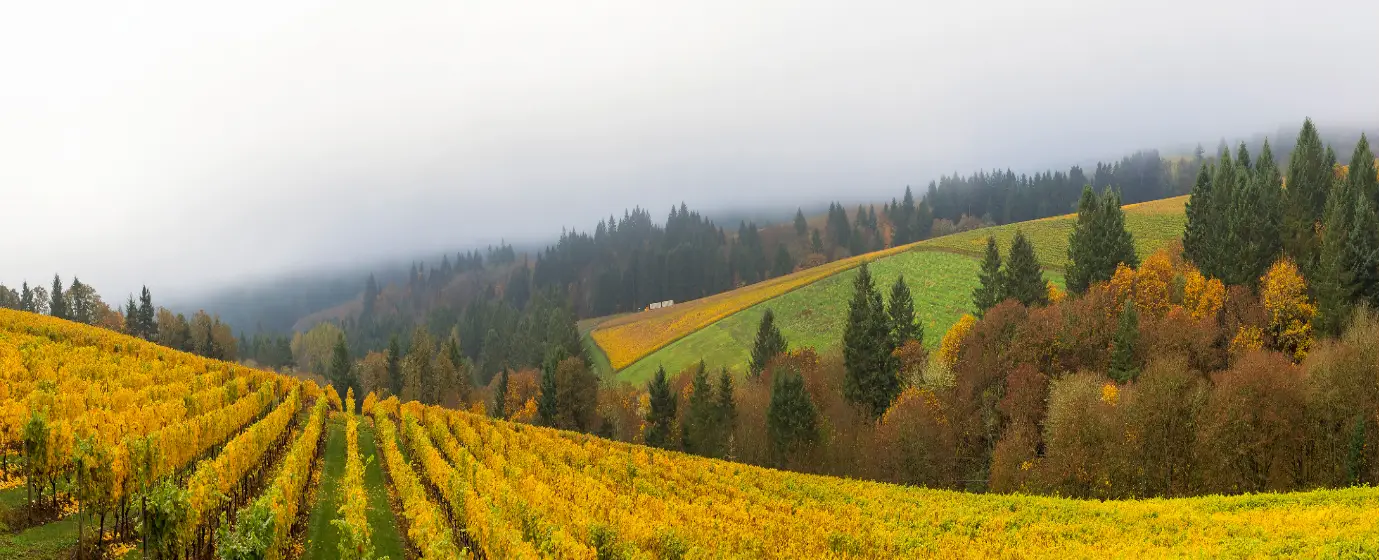
Willamette Valley · Oregon
Living in Dundee: The Ultimate Relocation Guide (2026)
Maybe you stumbled across Dundee while researching Oregon wine country and realized it was only 44 minutes from Portland. Maybe your remote work setup finally gave you the freedom to leave the city, and a small Willamette Valley town with a $630,000 median home price sounds like a reasonable trade for cramped Portland quarters. Maybe you drove through on Highway 99W, got stuck in the notorious traffic crawl past the wineries, and thought — despite the delay — that this place looked worth a second look. The central tension in Dundee is one that plays out differently for each buyer: this is a genuine small town that happens to sit inside one of the most celebrated wine-growing regions in the world, and that distinction shapes everything from what homes cost to how the streets feel at 7pm on a Tuesday.
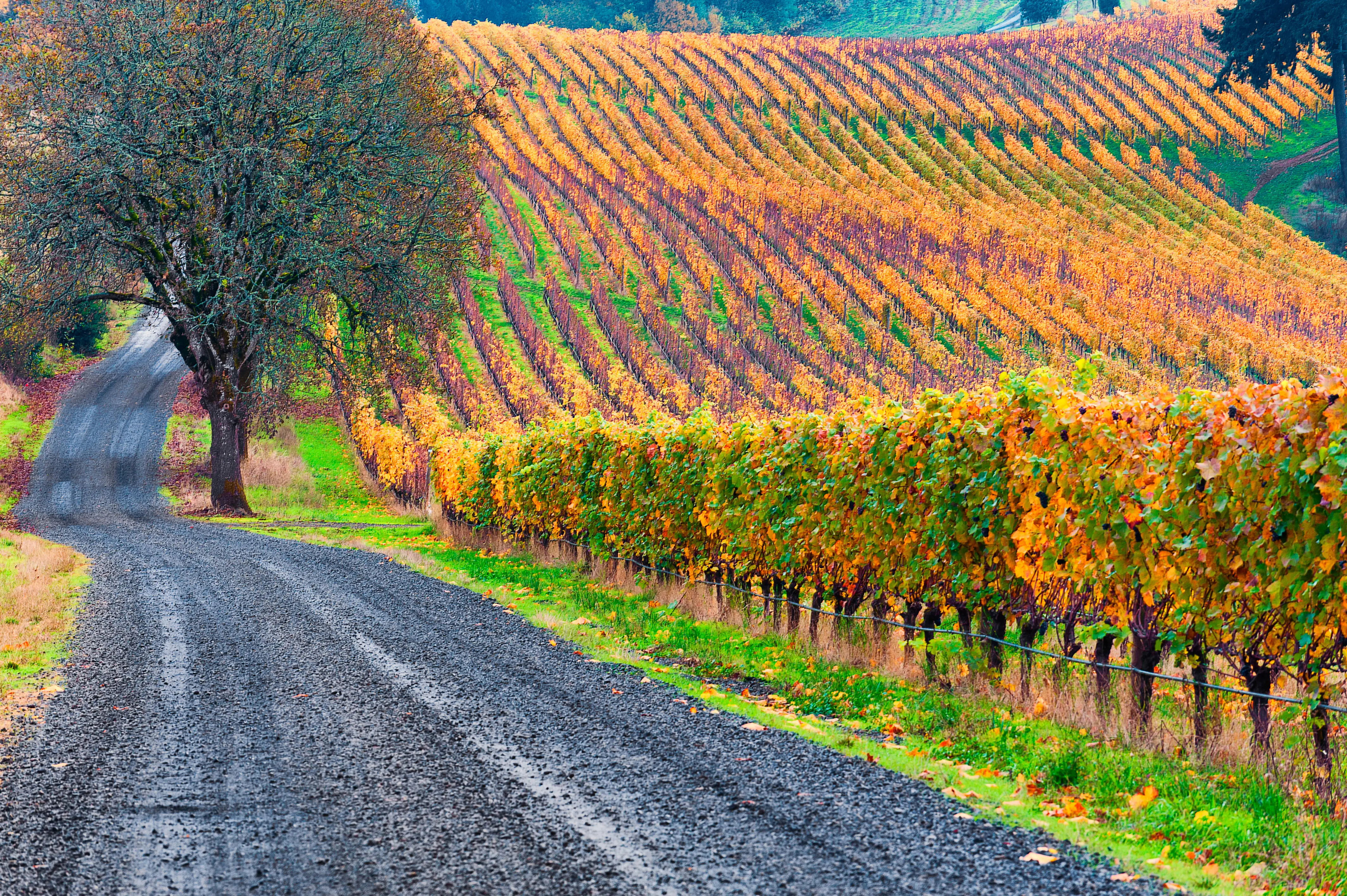
Geographically, Dundee occupies just 1.36 square miles along Highway 99W in Yamhill County, about 28 miles southwest of Portland. The Dundee Hills AVA rises to the east and south, blanketed in pinot noir and chardonnay vines on volcanic Jory soil that winemakers have been fighting over for decades. That hillside geography also means some of the most dramatic real estate in the region — vineyard-view estates that push past $1 million — sits just minutes from modest ranch houses and craftsman bungalows in town. Daily life runs through two realities: the quiet, small-town pace of a city with just over 3,100 residents, and the weekend-tourism economy that fills the tasting rooms and brings traffic from Portland all summer long.
This guide will help you decide whether Dundee is actually the right fit for your household — not just the romantic version of it. You'll find honest commute data, a frank look at what homes cost at various price points, neighborhood breakdowns, school context, and the specific tradeoffs that cause some buyers to choose neighboring Newberg or McMinnville instead. By the end, you'll know whether Dundee's particular combination of wine-country lifestyle, small-town scale, and Willamette Valley access matches how you actually live.
Not every buyer will find Dundee the right fit. The town rewards people who prioritize lifestyle and setting over urban convenience — but it's worth being precise about who thrives here versus who tends to regret the move.
| Best For | Why |
|---|---|
| Remote workers | Small-town quiet, high-speed internet available, stunning surroundings; no freeway dependence required |
| Wine-country enthusiasts | World-class tasting rooms at Argyle, Sokol Blosser, and Domaine Drouhin are practically neighbors |
| Families with school-age children | Newberg School District has a 92.6% graduation rate — highest in Yamhill County |
| Retirees seeking a slower pace | Low crime, walkable town center, mild climate, low property tax rate of 0.59% |
| Portland commuters with flexibility | 44-minute average commute works well with flexible hours; avoids 99W peak congestion |
| Move-up buyers from nearby suburbs | More land, more character, and competitive pricing compared to Portland's inner eastside |
Dundee is the kind of town that feels larger than its 3,100 residents because of how much activity passes through it. Highway 99W runs directly through the center, connecting wine tourists from Portland to the tasting rooms of the Dundee Hills, and on a Friday afternoon in June, the crawl past Red Hills Market and Dundee Bistro can feel like a different city entirely. During the week, the pace drops sharply — school drop-off at George Nygaard Elementary, a run along Harvey Creek Trail, and lunch at the market feels calm and distinctly small-town. The contrast between weekday quiet and weekend tourism energy is one of the first things long-time residents mention.
The town sits in a natural bowl where the flatter Highway 99W corridor meets the rising terrain of the Dundee Hills. Drive north toward Newberg and you're in adjacent suburban territory within minutes; turn uphill toward the vineyards and you're in a dramatically different world of estate lots, vineyard rows, and sweeping Willamette Valley views. This geographic split isn't just scenic — it creates meaningfully different neighborhoods with different pricing, different demographics, and different daily rhythms. Understanding which geography suits your lifestyle is genuinely the first decision to make before going under contract anywhere in Dundee.
The commute reality is the one thing that separates browsers from buyers. Dundee has no direct freeway connection. The primary route to Portland runs Highway 99W through Newberg to Sherwood, then via surface roads or Interstate 5. Experienced locals use the OR-18 to I-5 bypass, which cuts meaningful time off the trip. The 44-minute average holds on non-peak drives; during rush hour, particularly southbound 99W through Newberg on a Friday afternoon, that figure can stretch to 60 minutes or more. Buyers who commute five days a week to Portland should budget time honestly and test the route during peak hours before committing.
What surprises most people after six months of living in Dundee is how genuinely social the downtown corridor is for a town this size. Red Hills Market has become a de facto community living room — it draws breakfast regulars, wine-country tourists, and local families simultaneously, and the overlap creates an unusually lively atmosphere for a town under 4,000 people. The farmers market season brings another layer of community rhythm. People who expected isolation get something closer to a curated small-town social life; people who expected city-level anonymity tend to find Dundee a bit smaller than they imagined.
Wine country is not just the backdrop — it's the lifestyle. Living in Dundee means waking up in the middle of the Dundee Hills AVA, one of the most respected wine appellations in North America. Argyle Winery, Sokol Blosser, Domaine Drouhin Oregon, and Domaine Serene are not weekend day-trip destinations for Dundee residents — they're neighbors. The culture of the town reflects the wine industry in meaningful ways: the food scene punches well above its weight (Dundee Bistro has been a Pacific Northwest dining destination for years), the events calendar centers on harvest season and wine releases, and the general community sensibility skews toward people who have chosen lifestyle over convenience.
The tax picture is genuinely favorable. Dundee's effective property tax rate of approximately 0.59% is well below the national median, meaning a home at the city's $630,000 median price generates roughly $3,717 in annual property taxes. Oregon also has no sales tax, which compounds the cost-of-living advantage for households coming from California or other sales-tax states. The poverty rate in Dundee sits around 3.3% — dramatically below the national average — and median household income of approximately $106,681 reflects a community that is financially stable.
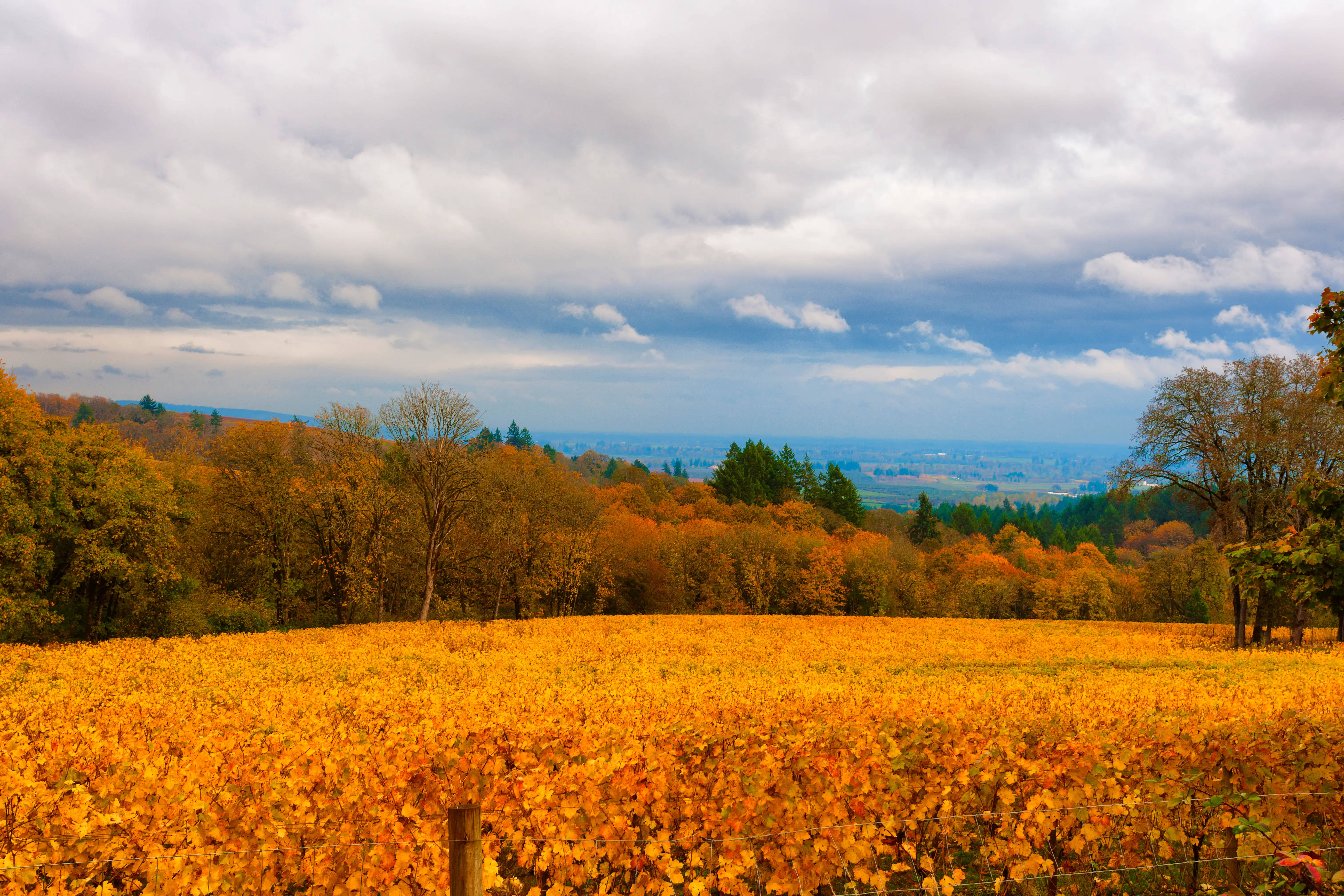
Outdoor access is more varied than the town's small footprint suggests. Harvey Creek Trail offers walkable green space within town limits. Bald Peak State Scenic Viewpoint, a short drive into the hills, delivers panoramic Willamette Valley views that justify the detour. The broader Yamhill County network of back roads, farm stands, and river access makes weekends genuinely rich for households that like being outside without needing to drive three hours to find it. Carlton, just 20 minutes west, has its own strong wine trail, and the Dayton and Lafayette corridor adds more destination dining and antique hunting nearby.
The community scale that some buyers find limiting is, for others, exactly the point. With just 1,120 households, Dundee operates with a small-town coherence that larger suburbs have long since lost. School events matter. The farmers market regulars know each other. The fact that George Nygaard Elementary and Mabel Rush Elementary are both part of the Newberg School District — which posted a 92.6% graduation rate for the class of 2025, the best in Yamhill County — means families with school-age children get small-town community with legitimate academic outcomes.
Looking to buy in Dundee? Estimate your payment.
Enter your numbers to see an estimated monthly mortgage payment.
Estimate only. Excludes HOA fees and mortgage insurance.
The commute is the most frequently cited reason buyers who researched Dundee ultimately chose Newberg or Sherwood instead. Highway 99W is a two-lane highway through much of its length between Dundee and the Portland metro, and there is no quick fix for the bottleneck. Remote workers and retirees absorb this easily. Households with two Portland-office commuters who can't flex their hours often decide the daily math doesn't work and opt for a city with freeway access. This is not a knock against Dundee — it's a practical filter that saves buyers from a decision they'll revisit every Monday morning.
Service and retail convenience requires adjustment from urban buyers. Dundee has no large-format grocery store within town limits; residents typically run major grocery trips to Newberg's Fred Meyer or the Safeway on Highway 99W, both under 10 minutes away. There's no hospital in Dundee; Providence Newberg Medical Center covers the area and is a short drive east. The town's size means the retail and medical infrastructure you'd expect in a suburb of 15,000 doesn't exist — which is obvious in hindsight but catches some buyers off-prepared. What Dundee does have — Red Hills Market, Dundee Bistro, a handful of tasting rooms — is genuinely excellent; what it lacks is the everyday infrastructure grid.
The market's volatility is a genuine consideration for buyers. In a town with 14 homes sold in a single month and active listing prices ranging from $378,000 to $4.2 million, individual luxury estate sales can significantly distort reported medians. The standard residential market — ranch homes and craftsman houses in the $400,000–$750,000 band — behaves predictably. But buyers comparing Dundee to other markets using headline figures should understand that luxury vineyard estate transactions can make the market look dramatically more expensive than the typical home purchase experience actually is.
Why some people leave Dundee tends to come down to one of two things: the commute finally wins after a job change makes remote work untenable, or young families find that as kids reach middle and high school age, the pull of Newberg's fuller activity infrastructure — more sports programs, more youth activities, more peer social life — draws them to relocate the few miles east. This isn't a failure of Dundee; it reflects the reality of what a town of 3,100 can and can't provide across every life stage.
The neighborhood map in Dundee is smaller than most cities its size, largely because the city itself is compact. But the variation within those 1.36 square miles — and into the surrounding hillside areas — is genuine and meaningful for buyers.
The Dundee Hills neighborhood encompasses the elevated terrain rising south and east of the town center, where some of Oregon's most recognized vineyard estates are planted. Homes here sit on multi-acre lots with Willamette Valley views, and the properties run from high-end residential builds in the $700,000s to full vineyard estates that push past $2 million. The lifestyle is private and scenic, but buyers should understand that rural roads, limited walkability, and complete car dependence define daily life here. The proximity to Argyle, Domaine Drouhin, and Sokol Blosser tasting rooms is genuinely remarkable — these are neighbors, not day trips.
Best for: Buyers prioritizing privacy, views, and wine-country immersion who have no need to walk anywhere.
Downtown Dundee runs along the Highway 99W corridor and contains the highest concentration of daily-use destinations in the city. Red Hills Market, Dundee Bistro, and several tasting rooms are all within walking distance of the residential streets immediately adjacent. Housing stock here is primarily older ranch-style homes, craftsmen, and Cape Cods on smaller lots, with pricing more accessible than the hillside — entry points in the $400,000s to $550,000 range are possible. The tradeoff is traffic noise and the commercial energy of a tourist corridor; it's liveliest on weekends and quiet enough during the week to live comfortably.
Best for: Buyers who want walkable access to Dundee's best restaurants and retail without the vineyard estate price tag.
Hillcrest sits on the elevated terrain north and west of the town core, offering more residential quiet than the 99W corridor with better views than the flat downtown lots. Homes here tend toward larger lots with newer construction mixed into older residential stock, and prices generally run in the $500,000–$700,000 range. The neighborhood attracts buyers who want proximity to town amenities without being directly on the tourist corridor. It's a short drive to downtown and to the Newberg schools hub, making it one of the more practical options for families with school-age children.
Best for: Families with children who want a quiet residential feel without being isolated on the hillside.
Vineyard Estates represents Dundee's luxury tier — properties that are part residential, part agricultural, often featuring active vineyard cultivation alongside high-end home construction. Pricing here starts around $900,000 and climbs well past $2 million for parcels with established vine acreage and winery infrastructure. Oregon's farm use special assessment means vineyard land is taxed on its agricultural income potential rather than full market value, which creates a meaningful tax advantage for buyers with agricultural income or genuine farming intent. This is a highly specific buyer profile — most households considering Dundee will look elsewhere.
Best for: Buyers with the budget and intent to participate in Oregon's wine industry, or estate buyers seeking maximum acreage and privacy.
The Riverside District occupies lower-lying terrain near the creek corridor, offering some of Dundee's more modest residential options in terms of both price and topography. Ranch homes and smaller residential builds here are accessible in the $380,000–$520,000 range, making this the most realistic entry point for first-time buyers in Dundee's market. The area is quieter than the 99W corridor and more flat than the hillside neighborhoods, with Harvey Creek Trail providing nearby walking access. Buyers should be aware of flood zone proximity in certain parcels — a point to verify with a thorough inspection and title review.
Best for: First-time buyers or budget-conscious buyers who want to be inside Dundee's city limits without paying hillside prices.
| City | Best For | Median Home Price | Commute to Portland | Vibe |
|---|---|---|---|---|
| Dundee | Wine-country lifestyle, remote workers, retirees | $630,000 | ~44 min | Small-town boutique |
| Newberg | Families, commuters, full suburban services | ~$495,000 | ~38 min | Growing suburb |
| McMinnville | Affordability, arts scene, local dining | ~$430,000 | ~55 min | Walkable college town |
| Dayton | Rural quiet, lowest prices, space | ~$370,000 | ~50 min | Agricultural town |
| Carlton | Wine trail access, small-scale living | ~$450,000 | ~55 min | Tiny wine village |
| Sherwood | Freeway access, top-tier schools | ~$620,000 | ~30 min | Polished suburb |
The most useful comparison for most buyers is Dundee versus Newberg. Newberg offers more complete suburban infrastructure — a larger school system, more retail, better freeway proximity, and a more active youth activity ecosystem — at meaningfully lower home prices. Dundee offers character, wine-country setting, and the specific lifestyle that comes with living inside the Dundee Hills AVA rather than adjacent to it. The decision usually comes down to whether the setting is worth the premium and the commute compromise.
| Category | Detail |
|---|---|
| Population | ~3,178 (2026) |
| Median Sold Price | $630,000 (mid-2026) |
| Property Tax Rate | ~0.59% effective |
| Median Household Income | ~$106,681 |
| School District | Newberg School District (B+) |
| Graduation Rate | 92.6% (Class of 2025, #1 in Yamhill County) |
| Commute to Portland | ~44 minutes (off-peak) |
| Violent Crime per 1,000 | 2.3 |
| Property Crime per 1,000 | 18.7 |
| County | Yamhill County |
Harvest season in September and October is Dundee's version of the holidays — winemakers, vineyard workers, visiting sommeliers, and wine-curious tourists from Portland all converge simultaneously, and the town's energy during that six-week stretch is unlike anything in the surrounding region. Residents tend to either lean into it (hosting guests, attending winery events, joining harvest volunteering programs) or learn to stay off 99W on weekend afternoons. Either way, it's one of the most genuinely regional traditions in the Willamette Valley, and new residents who didn't grow up in wine country typically cite harvest season as one of the first moments they understood what made this place different.
The annual Dundee Hills Winegrowers Association harvest celebrations and events draw participants from across the state and increasingly attract international wine press each fall. Longtime residents treat these as a source of pride rather than inconvenience — the prestige of the appellation is what keeps Dundee's property values elevated relative to neighboring towns, and most homeowners are clear-eyed about that connection.
Red Hills Market on a Sunday morning is a genuine community ritual. The line forms early for their pastries and coffee, and by mid-morning the outdoor seating holds a cross-section of the town — winery employees, families who just finished a run on Harvey Creek Trail, and Portland day-trippers who made the drive. If you want to understand what Dundee's social life actually looks like at ground level, spend a Sunday morning there before you buy.
What I would not do if moving to Dundee: I would not buy on the Highway 99W corridor without spending a Saturday afternoon there first. The daytime traffic noise and weekend tourist volume is real, and it affects quality of life for noise-sensitive buyers more than listing photos suggest. The streets one block off 99W in Downtown Dundee are meaningfully quieter — the difference between a front-facing lot and a side-street lot can be substantial. Drive by at 2pm on a Saturday in July before you fall in love with a property address.

Local Expert Takeaway: If you're coming from Portland and you've been comparing Dundee to Newberg side-by-side on Zillow, you're asking the wrong question. The right question is whether you want to live in one of Oregon's most distinctive wine regions or a well-run suburb that's near one. Dundee's median sold price of $630,000 is competitive for what the setting delivers — but the buyers who thrive here are the ones who come for the lifestyle first. Focus your search on the Downtown Dundee and Hillcrest corridors if you're budget-conscious and want walkability; push uphill toward the Dundee Hills and Vineyard Estates neighborhoods only if the estate experience — and the price — genuinely fits your life.
✅ Dundee is a legitimate buy for remote workers and retirees who want Oregon wine country living at a median sold price of $630,000 — competitive for the setting and well below hillside estate pricing.
⚠️ The commute is the deal-breaker for many buyers. Highway 99W doesn't have a freeway bypass directly from Dundee, and Portland rush-hour times can run 60+ minutes. Test the route before you commit.
📍 Neighborhood choice inside Dundee matters more than in larger cities. The difference between a Downtown Dundee lot on 99W and a Hillcrest residential street two blocks off it can mean the difference between a home you love and one you want to leave.
Is Dundee a good place for families?
Yes, Dundee is a strong option for families who prioritize school quality and small-town community. The Newberg School District, which serves Dundee, posted a 92.6% graduation rate for the class of 2025 — the highest in Yamhill County. The tradeoff is that Dundee's small size means youth sports and extracurricular activity infrastructure is less extensive than in neighboring Newberg; many families with school-age children participate in Newberg-based programs regardless of where they live.
What is the crime rate in Dundee?
Dundee is a relatively low-crime community. Violent crime runs approximately 2.3 incidents per 1,000 residents, and property crime sits at roughly 18.7 per 1,000 — both figures reflect a small, stable community. As with any small city, the pool of incidents is thin enough that a single event can move reported rates noticeably from year to year.
How does Dundee compare to nearby Newberg?
The core difference is lifestyle versus infrastructure. Dundee offers wine-country setting, more distinctive housing character, and a boutique small-town feel at a median sold price of $630,000. Newberg offers more complete suburban services — a larger retail base, more youth activity options, better freeway proximity — at home prices closer to $495,000. Buyers who need a five-day Portland commute or have middle-school-aged kids in club sports often find Newberg the more practical choice; buyers who are optimizing for lifestyle and don't depend on downtown Portland frequently prefer Dundee.
Explore the full Dundee series: The Ultimate Dundee Relocation Guide · Is Dundee Safe? · Cost of Living in Dundee · Best Neighborhoods in Dundee · Dundee Schools & Family Life · Dundee Youth Sports · Dundee Parks & Recreation · Retiring in Dundee · 1031 Tax-Deferred Exchange in Dundee · Dundee First-Time Homebuyers Guide · Moving to Dundee from California
Tell us what you need help with and we'll connect you with local resources.

About the Author
Todd Davidson is the founder of Living in Oregon and Living in Washington, where he publishes in-depth city guides, neighborhood resources, and local market insights covering more than 180 communities across the Pacific Northwest. While his background is in home financing and real estate, he created these digital platforms to help families research and compare regions before making a move.