Willamette Valley · Oregon
Living in Albany, Oregon: The Ultimate Relocation Guide (2026)
Maybe you've been priced out of the Portland metro and a coworker mentioned Albany as the alternative that actually pencils out. Maybe you're relocating to work at Samaritan Albany General Hospital or one of the Willamette Valley's manufacturing operations, and you've pulled up a map and thought — okay, this could work. Or maybe you drove through on I-5 heading south, glanced at the exit signs, and couldn't quite tell if Albany was a small town or a real city. The honest answer is that it's both, and understanding that duality is the key to knowing whether Albany will feel like a relief or a compromise.
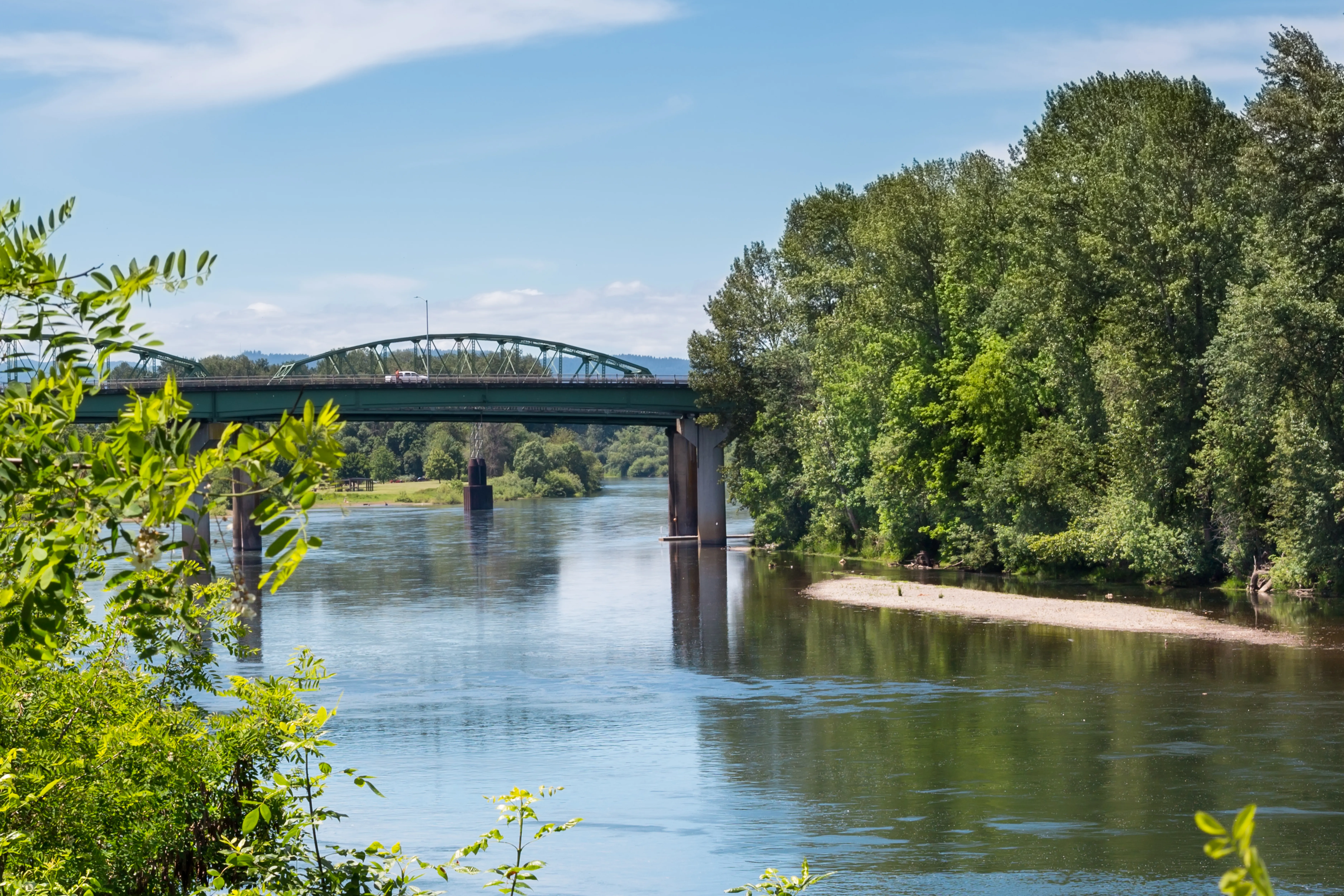
Albany sits at the confluence of the Calapooia and Willamette Rivers, roughly equidistant between Salem and Corvallis along the I-5 corridor — which puts it in one of the most strategically located positions in the valley. Corvallis, home to Oregon State University, is 20 minutes west on US-20. Salem is 30 minutes north. What that geography creates in practice is a city that functions as a regional hub for manufacturing and healthcare while drawing spillover buyers from Corvallis who've been outpriced by university-adjacent demand. Albany has more than a dozen historic districts, a population of approximately 57,000, and a median sold home price anchored around $418,000 — a figure that buys considerably more square footage here than anywhere to the north or west.
This guide is built for the buyer who wants to move past the surface-level pitch. You'll find honest assessments of the neighborhoods locals actually talk about, what the commute reality looks like from different parts of the city, where the genuine upsides are, and what the tradeoffs are that relocation websites tend to skip. By the end, you'll know whether Albany is the right call or whether you should keep looking at Corvallis, Salem, or one of the valley's smaller alternatives.
Albany serves a wide range of buyers, but it doesn't serve all of them equally well. The table below cuts through the noise.
| Best For | Why |
|---|---|
| Corvallis commuters | A 20-minute drive west on US-20 puts you at Oregon State or downtown Corvallis — Albany home prices run $150,000–$200,000 lower for comparable square footage |
| Families with school-age children | Greater Albany Public Schools earns a B rating; newer construction in North Albany and South Albany offers larger lots near well-regarded elementary campuses |
| Healthcare & manufacturing workers | Samaritan Albany General Hospital and ATI Specialty Alloys are major local employers — live close and eliminate the commute entirely |
| First-time buyers | Entry-level homes under $350,000 remain available; Oregon Bond Program and USDA zero-down loans are accessible here in ways they aren't in Portland metro |
| Remote workers | Approximately 13% of Albany's workforce works from home — above the regional average; cost of living creates real financial breathing room |
| Retirees on a fixed income | North Albany ranks among the top retiree-friendly neighborhoods in Oregon; property tax rate sits at approximately 0.97%, with modest total tax burdens relative to the coast |
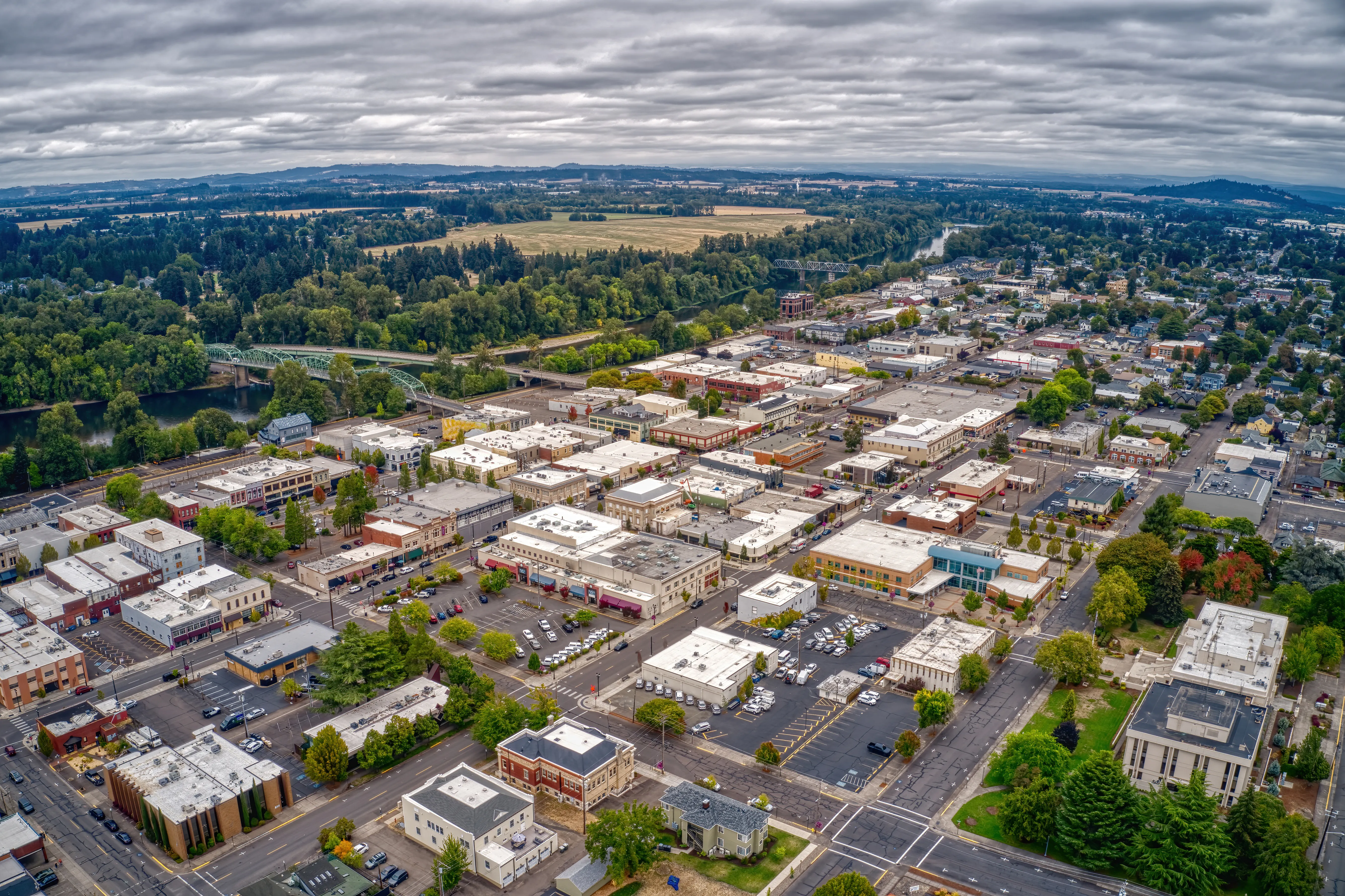
Albany is not a place that announces itself. There's no dramatic skyline, no waterfront promenade full of tourists, and no single corridor where everything concentrates. What Albany has instead is texture — three National Register Historic Districts in the downtown core, a working riverfront where locals actually walk their dogs, and a neighborhood fabric that shifts noticeably depending on which quadrant you're in. The city's Walk Score of 33 tells you the practical reality: you will own a car, and you will use it for most of your daily errands.
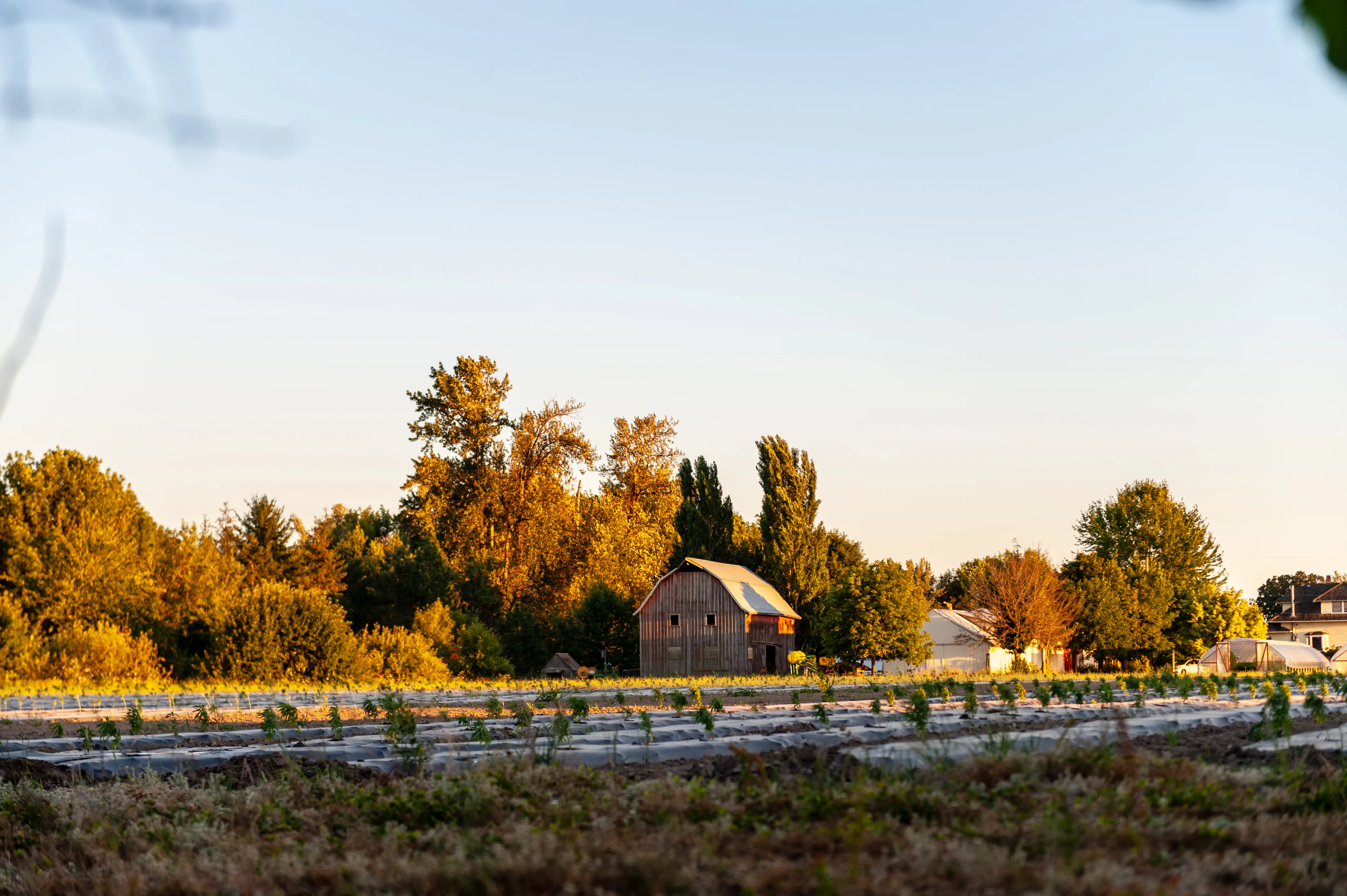
The geographic divide between north and south matters more than most relocation guides acknowledge. North Albany, separated from the rest of the city by the Willamette River and accessed primarily via the Ellsworth Street Bridge, functions almost as its own community. It's newer, quieter, and more expensive — median real estate values in that corridor run well above the citywide figure. The south side, anchored by Timber-Linn Memorial Park and the South Albany High School zone, has a more established suburban character with larger lots and streets that feel genuinely residential rather than transitional.
Downtown Albany surprises visitors in the best way. The historic commercial district along Broadalbin Street and the surrounding blocks contains buildings dating to the 1850s, with Italianate facades and brick storefronts that have been more carefully preserved here than in most Oregon cities of comparable size. The Albany Historic Carousel & Museum — a community-built, hand-carved operating carousel — sits near the riverfront and has become one of those landmarks that locals take genuine pride in. The Pix Theatre and Albany Civic Theater give the downtown a cultural anchor that most mid-size Oregon cities lack.
The traffic chokepoint most new residents don't anticipate is the US-20 interchange during morning and late-afternoon hours, particularly between Albany and Corvallis. The Boren-Kirk Road and Conifer Boulevard corridors see meaningful backup during shift changes at local employers. If you're commuting west to Corvallis daily, timing your departure before 7:30 a.m. or after 8:15 a.m. shaves real frustration off the drive.
The cost of homeownership is the headline. A median sold price of approximately $418,000 in a city with this much walkable historic character and this close to Corvallis is genuinely unusual. That number represents a legitimate entry point for families who've been grinding through the Portland market for two years. The property tax rate of approximately 0.97% keeps ongoing ownership costs manageable — on a $418,000 home, annual taxes run roughly $4,050, which is well below what owners pay in comparable Oregon markets closer to the metro.
Albany's manufacturing and healthcare economy provides employment stability that university towns and tech-adjacent suburbs don't always offer. ATI Specialty Alloys & Components is one of the region's most significant specialty metals operations; Oregon Freeze Dry and National Frozen Foods represent an agricultural processing sector that has operated here for decades. When broader economic conditions shift, this kind of industrial anchoring tends to hold local employment more steadily than cities dependent on a single sector.
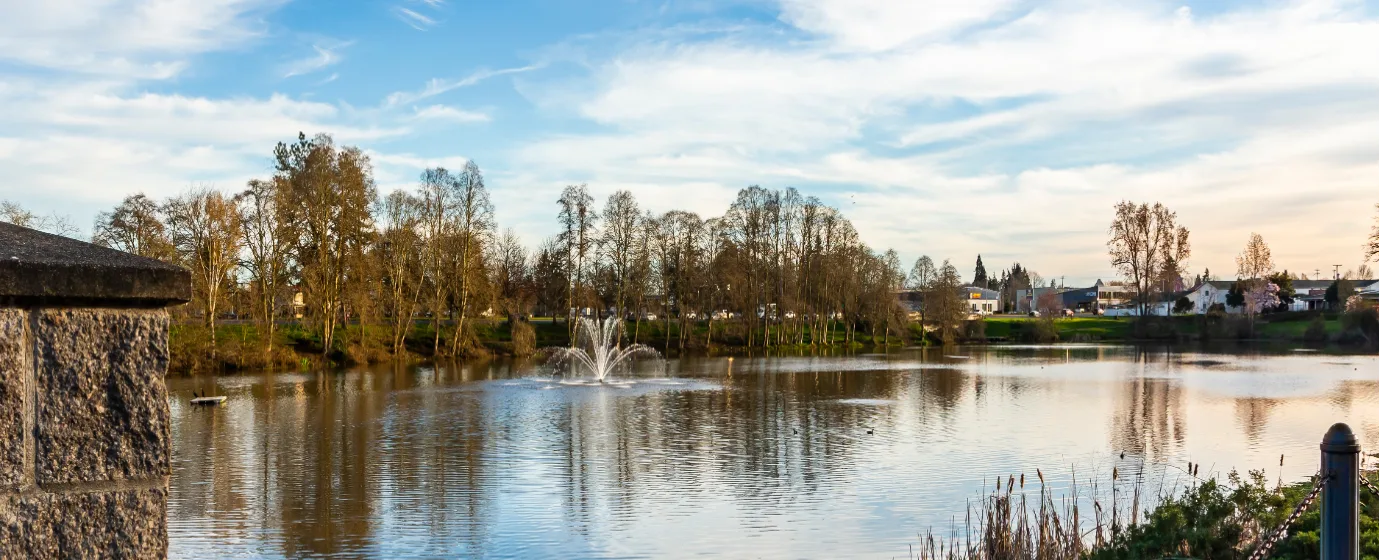
The outdoor access within city limits is disproportionate to Albany's size. Timber-Linn Memorial Park covers more than 120 acres on the south side, with baseball fields, tennis courts, a swimming pool, and walking paths that see consistent local use. Talking Water Gardens — an engineered wetlands system near the Willamette River — has evolved into a genuine birding destination, with herons, osprey, and migratory waterfowl visible seasonally. Waverly Lake Park and Bryant Park fill out a parks system that gives families real options without driving to a state park.
What surprises most people after six months of living here is how much community infrastructure exists at the local level. The Albany Farmers' Market at Monteith Riverpark runs from spring through fall and draws a genuinely local crowd — this isn't a curated market for out-of-towners, it's where neighbors actually shop. The Albany World Championship Timber Carnival, held every Fourth of July weekend at Timber-Linn Park, is one of the longest-running logging sports competitions in the world and draws competitors from across the Pacific Northwest. These are traditions with real roots, and they give the city a civic identity that doesn't feel manufactured.
Looking to buy in Albany? Estimate your payment.
Enter your numbers to see an estimated monthly mortgage payment.
Estimate only. Excludes HOA fees and mortgage insurance.
Albany's walkability score is 33, and that's not a number to wave away. The city is built around car ownership in a way that will frustrate anyone accustomed to Portland-style urban mobility. Downtown has concentrated retail, and some neighborhoods have sidewalks and coffee shops within walking distance, but the majority of daily errands — groceries, pharmacy, school pickup — require a car. If walkable urbanism is a core lifestyle value, Albany will feel like a long adjustment period rather than a home.
The retail and dining scene is honest but limited. Albany has the anchors — Fred Meyer, Safeway, and a Walmart Supercenter — and a growing roster of independent restaurants, particularly along Pacific Boulevard and in the downtown core. But if your benchmark is the variety available in Corvallis or Salem, Albany's dining scene will feel noticeably thinner. The gap is closing, but it's real. Buyers who want a broader selection tend to make a weekly Corvallis run, which is easy enough given the commute time.
Why some people leave Albany usually comes down to one of two things: they want to be closer to a university campus environment, or they want more cultural density than a city of 57,000 can sustain. OSU graduates who rent in Albany during their first job often migrate to Corvallis once their income rises enough to close the price gap. Similarly, buyers who move from Portland frequently report that the social fabric here takes longer to build than they expected — Albany doesn't have the density of neighborhood bars, bookshops, and coffee-shop culture that makes meeting people easy in a larger city.
The weather in the mid-Willamette Valley is classically Pacific Northwest — gray and wet from October through April, with genuine summer warmth from July through September. Albany's position inland means slightly more temperature variation than the coast, with occasional freezing fog events in winter that affect the I-5 corridor and can make morning commutes genuinely unpleasant. Anyone relocating from California's Central Valley will recognize the fog but should expect the cold to feel more persistent.
North Albany is the most expensive and arguably the most polished quadrant of the city, separated from the south bank by the Willamette River and reached primarily via the Ellsworth Street Bridge. Homes here skew newer — much of the housing stock was built in 2000 or more recently — and the neighborhood draws a disproportionate share of the city's professional households, with nearly 45% of the working population in executive, management, or professional roles. Current median real estate values in the corridor run well above the citywide median, with recent sold prices in the $559,000–$600,000 range. The catch is that everything requires a bridge crossing, which adds 5–10 minutes to most errands and concentrates traffic on the Ellsworth Street interchange during peak hours.
Best for: Retirees and professional families who want newer construction, lower crime, and are willing to pay a premium for it.
South Albany is where a lot of families with school-age children land, drawn by the proximity to Timber-Linn Memorial Park and the South Albany High School attendance zone. The housing stock is a mix of mid-2000s construction and some older established streets, with current listing medians around $465,000. Cul-de-sacs dominate the street pattern, which keeps through-traffic low — a genuine quality-of-life factor that the neighborhood's residents mention consistently. Albany's largest park sits essentially in the backyard of this quadrant, and that matters for families who want kids to have outdoor space without loading everyone into the car.
Best for: Families with children who want suburban quiet, park access, and a straightforward drive to Pacific Boulevard's retail corridor.
West Albany sits adjacent to West Albany High School on Queen Avenue SW and is consistently rated among the safer parts of the city by both crime metrics and local reputation. The neighborhood has a grounded, established feel — this isn't a flashy area, but it's the kind of place where longtime residents have put down genuine roots and the streets show it. Homes here tend to be reasonably priced relative to the citywide median, making it one of the more accessible entry points for first-time buyers who want to stay within the city limits. The downside is that it lacks the walkability and historic character of the downtown-adjacent neighborhoods.
Best for: First-time buyers and working households who prioritize safety, affordability, and a direct commute route to Albany's industrial employers.
East Albany has become one of the more sought-after areas for families specifically because of school proximity — Periwinkle Elementary, Sunrise Elementary, South Shore Elementary, and Lafayette Elementary all serve this corridor, and the neighborhood consistently draws attention from buyers prioritizing school access. Current listing medians run around $462,000, making it comparable to South Albany in price but with a slightly more urban density. Calapooia Middle School sits at 24th Avenue SE, which means families with middle schoolers can often reduce their daily driving considerably.
Best for: Families with children in elementary and middle school who want access to multiple campuses without crossing the river.
Downtown Albany is the city's most architecturally distinct neighborhood, and it surprises people who expect a typical mid-size Oregon downtown. The three overlapping National Register Historic Districts — Monteith, Hackleman, and Downtown Commercial — give the core a density of 19th-century architecture that's genuinely rare west of the Cascades. Italianate storefronts, Queen Anne residences, and brick commercial buildings from the 1870s through 1890s line the streets within walking distance of Monteith Riverpark and the riverfront. Homes in the historic residential blocks carry preservation obligations alongside their character, and buyers should account for that in renovation planning. The Albany Historic Carousel & Museum and Albany Civic Theater give the neighborhood a cultural anchor most small cities envy.
Best for: History enthusiasts, architectural buyers, and people who want walkable access to Albany's cultural and civic life.
The Hackleman District is the residential historic heart of Albany, named after Abner Hackleman, one of Albany's earliest settlers. This neighborhood contains some of the finest examples of late Victorian residential architecture in the mid-valley — Queen Anne cottages, Craftsman bungalows, and American Foursquare homes on tree-canopied streets. Buyers drawn here tend to value the aesthetic experience of historic streetscapes over square footage optimization. Homes require more maintenance investment than newer construction, and renovation projects must navigate historic preservation guidelines, but the neighborhood consistently attracts buyers who've already done their homework on that tradeoff.
Best for: Architecture and history buyers who are prepared for the maintenance realities of 19th and early 20th-century homes.
Adjacent to Monteith Riverpark and within walking distance of the Willamette River, the Monteith neighborhood offers some of the most convenient access to Albany's best public outdoor space. The neighborhood is named for Thomas and Walter Monteith, two of Albany's founders, and the riverpark that bears the family name hosts the Albany Farmers' Market and a range of community events throughout the year. Housing here is a mix of older established homes and some infill development, with pricing that tends to run slightly below the city median due to the age of the housing stock. The Willamette riverfront access is the genuine draw — morning walkers, cyclists, and families with strollers use this corridor heavily.
Best for: Buyers who want genuine walkability to green space and community events and don't need newer construction.
The Oak neighborhood is one of Albany's more affordable residential quadrants, with recent listing medians around $363,000 — meaningfully below the citywide figure. Homes.com rates Oak among the city's safer neighborhoods, and the area has the quiet, established character of a mid-20th-century residential district. This is a practical choice for buyers entering the market for the first time or investors looking for rental properties with strong yield potential given the sub-$400,000 price point. The downside is limited walkability and fewer nearby amenities than the downtown-adjacent neighborhoods.
Best for: First-time buyers and value-focused purchasers who want an established neighborhood without a premium price tag.
| City | Best For | Median Home Price | Commute to Albany | Vibe |
|---|---|---|---|---|
| Albany | Value buyers, commuters, families | ~$418,000 | — | Mid-valley hub, historic core, suburban feel |
| Corvallis | OSU employees, walkable urban lifestyle | ~$560,000–$580,000 | 20 min west | University city, progressive, higher cost |
| Salem | State government workers, larger city amenities | ~$380,000–$400,000 | 30 min north | Oregon's capital, more urban density, mixed neighborhoods |
| Lebanon | Rural feel on a tight budget | ~$280,000–$310,000 | 20 min east | Small town, tight-knit, limited services |
| Millersburg | Quiet residential, Albany school access | ~$440,000–$470,000 | 10 min north | Low-density residential community adjacent to Albany |
| Jefferson | Rural lifestyle, farm country | ~$260,000–$290,000 | 25 min north | Very small town, agricultural, minimal services |
| Metric | Figure |
|---|---|
| Population | ~57,035 |
| Median sold home price | ~$418,000 |
| Median household income | ~$78,114 |
| Property tax rate | ~0.97% |
| Median rent | ~$1,311/month |
| Commute to Corvallis | 20 minutes |
| School district rating | B (Greater Albany Public Schools) |
| Violent crime per 1,000 residents | 2 |
| Property crime per 1,000 residents | 18 |
| Walk Score | 33 (car-dependent) |
| Median age | ~37.7 years |
Albany's civic identity runs deeper than most mid-size Oregon cities, and three traditions give you a window into what that actually looks like in practice.
The Albany World Championship Timber Carnival is the real thing — not a heritage festival staged for tourists, but a genuine competition drawing professional loggers and timber sports athletes from across North America and internationally. Held every Fourth of July weekend at Timber-Linn Park, the event has run for more than six decades and includes speed climbing, axe throwing, log rolling, and chainsaw events. Albany residents talk about it the way Portlanders talk about the Rose Festival — it's part of the civic furniture.
The Albany Farmers' Market at Monteith Riverpark runs through the growing season and is the kind of market where vendors actually live in Linn County. You'll find garlic braids, grass-fed beef from valley farms, and berry stands that don't exist in February — which is the point. The market doubles as the neighborhood's main social event during summer months, and regulars treat it accordingly.
The Albany Historic Carousel & Museum is the product of more than 20 years of community volunteer labor. Every horse, rounding board, and piece of decorative carving was hand-crafted by Albany residents. It operates as a working carousel at 503 First Avenue W, and the fact that a community built this from scratch — not a developer, not a grant-funded agency, but neighbors with chisels and paint — says something specific and true about Albany's civic character.
What I would not do if moving to Albany: Don't buy on or immediately adjacent to Pacific Boulevard NE without a clear-eyed look at traffic noise. The corridor carries heavy commercial traffic, and properties that look attractively priced relative to comparable homes often have that pricing for a reason. Walk the site during mid-morning and late afternoon before making an offer.
Local Expert Takeaway: If you're choosing between Albany and Corvallis, the decision usually comes down to whether you're willing to commute 20 minutes each way to save $140,000–$160,000 on the purchase price — and for most buyers, that math is worth the drive. Within Albany, North Albany is the premium play for buyers who want newer construction and top neighborhood safety scores, but the $560,000–$600,000 price range there changes the calculus considerably. For buyers in the $400,000–$460,000 range, East Albany and South Albany are where I'd focus first: good school proximity, established streets, and enough demand to protect resale value without overpaying for a zip code.
✅ Albany's $418,000 median home price gives Willamette Valley buyers legitimate square footage and established neighborhoods at a fraction of Portland or Corvallis pricing — with a 20-minute highway commute to OSU keeping options open.
⚠️ Car ownership is non-negotiable. A Walk Score of 33 reflects the practical reality that daily errands, school pickups, and most social activity require driving — buyers who need walkable urbanism will find Albany a difficult fit.
📍 North Albany and East Albany represent the two clearest buyer profiles: North Albany for premium newer construction near retiree-friendly amenities, East Albany for families prioritizing school access and mid-range pricing.
Is Albany a good place to raise a family?
Albany is a solid choice for families with children, particularly in the East Albany and South Albany neighborhoods where elementary schools are within convenient distance and Timber-Linn Memorial Park provides 120-plus acres of recreational space. Greater Albany Public Schools earns a B district rating, and the housing stock in the $420,000–$480,000 range offers genuine family-sized homes without the budget pressure that comes with Corvallis or Portland-area pricing.
What is the crime rate in Albany?
Albany reports approximately 2 violent crimes per 1,000 residents — a figure that compares favorably to many Oregon cities of similar size. Property crime runs around 18 per 1,000, which is more noticeable and reflects patterns common to mid-Willamette Valley cities with I-5 corridor access. North Albany, West Albany, and Oak tend to rate among the lower-crime neighborhoods within city limits, while areas closer to the downtown commercial core see more property crime activity.
How does Albany compare to Corvallis for home buyers?
Albany offers a median sold price roughly $140,000–$160,000 below Corvallis for comparable home sizes, which for most buyers translates to either a meaningfully lower monthly payment or the ability to buy more home than the Corvallis market allows. The 20-minute commute west on US-20 keeps Corvallis's employment base, restaurants, and university cultural programming accessible. The honest downside is that Albany doesn't yet match Corvallis's walkability, dining density, or urban energy — buyers who spend a lot of time out of the house in their city will feel the difference.
Explore the full Albany series: The Ultimate Albany Relocation Guide · Is Albany Safe? · Cost of Living in Albany · Best Neighborhoods in Albany · Albany Schools & Family Life · Albany Youth Sports · Albany Parks & Recreation · Retiring in Albany · 1031 Tax-Deferred Exchange in Albany · Albany First-Time Homebuyers Guide · · Moving to Albany from California
Tell us what you need help with and we'll connect you with local resources.

About the Author
Todd Davidson is the founder of Living in Oregon and Living in Washington, where he publishes in-depth city guides, neighborhood resources, and local market insights covering more than 180 communities across the Pacific Northwest. While his background is in home financing and real estate, he created these digital platforms to help families research and compare regions before making a move.