
Willamette Valley · Oregon
Cost of Living in Dundee: Housing, Taxes, Utilities & Lifestyle (2026)
You've probably heard that Dundee is wine country. What you may not have heard is that wine country doesn't come at wine country prices — at least not by Willamette Valley standards. The median sold price in Dundee sits at $630,000, which puts it above Newberg and McMinnville but far below what you'd pay for comparable acreage in the Tualatin Valley or the Portland west side.
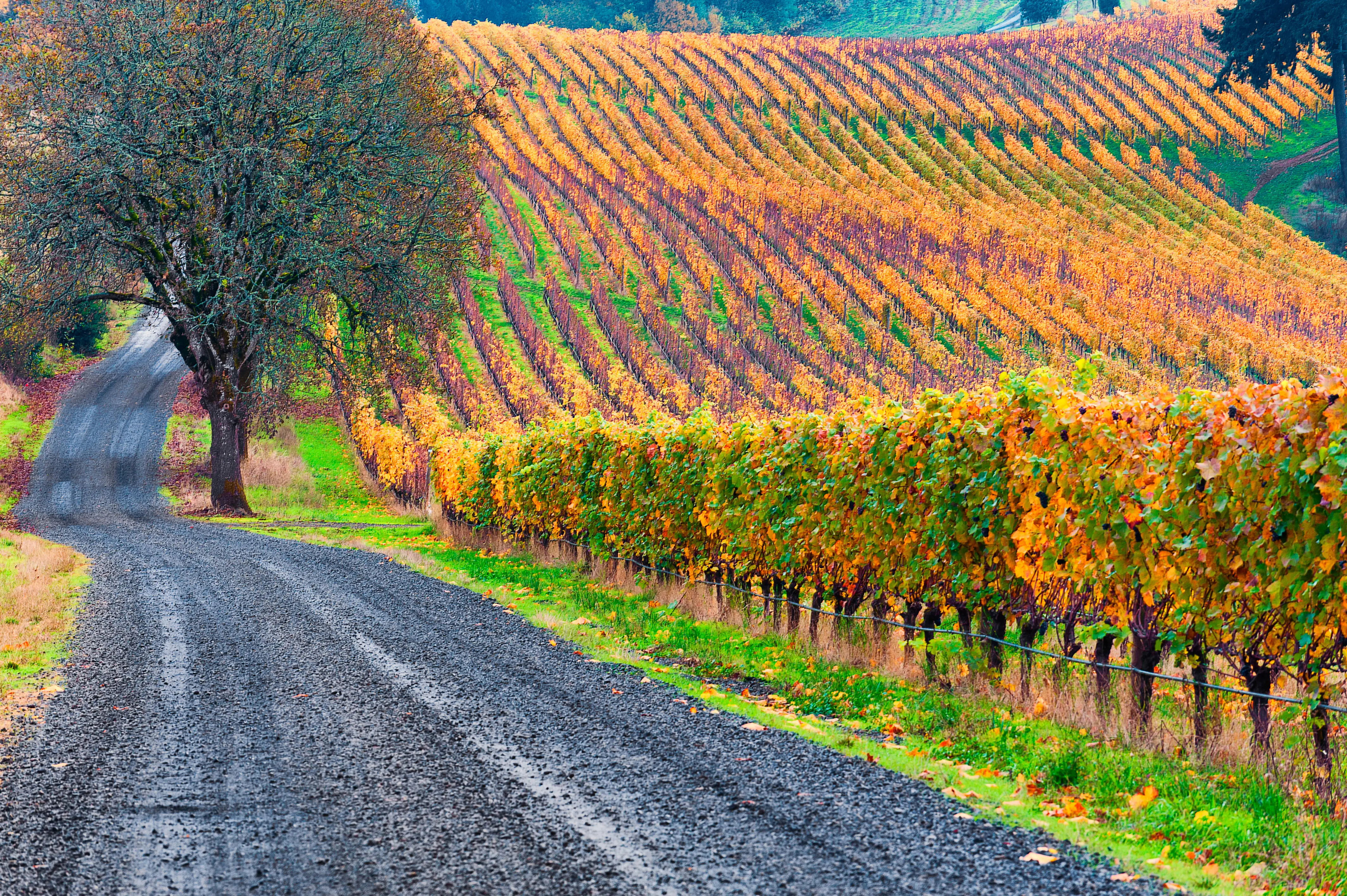
What shapes Dundee's cost picture is its dual identity. On one side, you have a small downtown with modest craftsman bungalows and ranch homes on compact lots. On the other, you have the Dundee Hills AVA — one of the most acclaimed Pinot Noir appellations in North America — where multi-acre estates with vineyard views command prices that stretch well past $1 million. Those two realities share a single ZIP code, and the spread between them is wider than most buyers expect.
This guide breaks down what it actually costs to live in Dundee in 2026: what you get at each price point, what property taxes look like under Oregon's unusual assessment rules, how renting works in a market with almost no rental inventory, and how Dundee stacks up against Newberg, McMinnville, and other Yamhill County neighbors.
The median sold price in Dundee over the trailing 12 months runs approximately $630,000 — a number that tells part of the story but not all of it. Homes are moving in roughly 16 days on average, which signals a competitive market relative to the modest transaction volume you'd expect from a city of 3,178 people. At that median price, buyers are typically landing a single-family home with solid square footage — the average home in Dundee runs around 3,450 square feet, well above the Yamhill County average of roughly 2,276 square feet — though lot size and condition vary dramatically depending on which part of town you're buying into.
Downtown-adjacent streets are lined with ranch-style homes, Cape Cods, and craftsman houses on smaller lots. These are the entry points, starting near $378,000 for the most modest options and running to around $550,000 for updated examples in good condition. Move north toward the hills, and the character of the inventory changes entirely — larger lots, newer construction, more privacy, and prices that reflect proximity to the vineyard corridor. The Dundee Hills estates sit at the far end of the spectrum, where active listings extend to $4.2 million for properties that function more like lifestyle holdings than conventional homes. The price per square foot citywide averages around $286–$309, which is roughly 32% higher than the Yamhill County baseline — a gap driven largely by Dundee Hills premium properties pulling the average upward.
What $630,000 actually buys in the mid-market typically means a three- to four-bedroom home with a two-car garage on a modest lot near established neighborhoods. Buyers expecting Portland-metro square footage for that price will find Dundee competitive; buyers expecting wine-country acreage at that price will need to stretch their budget or look at properties in the surrounding rural areas.
| Budget Range | What to Expect |
|---|---|
| $378,000–$550,000 | Entry-level ranch/craftsman, smaller lots, downtown-adjacent, older construction |
| $550,000–$750,000 | Mid-market single-family, established neighborhoods, updated finishes, 1,800–2,800 sq ft |
| $750,000–$1.2M | Larger lots, newer builds, hill views, Hillcrest and Vineyard Estates corridor |
| $1.2M–$4.2M+ | Dundee Hills vineyard estates, multi-acre parcels, winery-adjacent lifestyle properties |
Dundee's effective property tax rate of 0.59% is well below the national median of roughly 1.02% — which translates to approximately $3,717 per year, or around $310 per month, on a $630,000 purchase. Oregon's Measure 50 caps maximum assessed value increases at 3% annually unless new construction triggers a reassessment, which means long-term owners in Dundee are meaningfully insulated from the tax spikes that hit buyers in states without similar protections. One additional wrinkle worth knowing: vineyard parcels that qualify for Oregon's farm use special assessment are taxed on their agricultural income potential rather than full market value, which can create a notable gap between what a Dundee Hills estate is worth on the open market and what the owner actually pays in taxes each year.
Dundee is overwhelmingly an owner-occupied city. Of the approximately 1,213 housing units in the city, only about 18.8% are renter-occupied — meaning there are fewer than 230 rental units in the entire city at any given time. When units do become available, they move quickly. The median gross rent runs around $1,594 per month based on available data, though the rental market is thin enough that actual availability at any given time may be limited to a handful of units.
| Unit Type | Estimated Monthly Rent |
|---|---|
| Studio / 1-bedroom | $1,100–$1,450 |
| 2-bedroom apartment/condo | $1,500–$1,800 |
| 3-bedroom single-family home | $1,900–$2,400 |
| 4-bedroom+ / larger home | $2,500–$3,500+ |
Renters considering Dundee should approach the search knowing that the supply is genuinely scarce. Many who want to live here while they decide whether to buy end up renting in Newberg — just six minutes away — where the rental inventory is meaningfully larger. For buyers interested in the investment side, Dundee's short-term rental market is worth knowing: the city's 66 active STR listings averaged $52,726 in annual revenue over the most recent 12-month tracking period, with an average daily rate of $408, driven almost entirely by wine tourism. August is the peak month; January is the slowest.
Utility costs in Dundee run approximately 11% below the national average — a notable advantage given that Oregon's mild climate reduces the extremes of both heating and cooling demand. Most homes in Dundee use natural gas for heating; Pacific Power serves the area for electricity. Internet is available through a combination of cable and fiber providers at standard Oregon suburban rates, generally in the $60–$100 range per month for typical residential plans.
Car ownership is not optional here. Transportation costs run about 27% above the national average — a direct reflection of Dundee's rural-suburban geography. There is no meaningful public transit serving Dundee, and the 44-minute commute to Portland on Highway 99W means most households are running two vehicles. Highway 99W is the primary corridor, and traffic through Newberg during morning and evening peak hours can stretch that 44-minute estimate to 55 or 60 minutes. The Newberg-Dundee Bypass, when fully operational, has helped move freight traffic off the main arterial, but peak commute congestion on 99W remains the most common quality-of-life friction point residents cite.
Grocery access is adequate rather than abundant. Red Hills Market in downtown Dundee handles specialty and prepared food well — it's a genuine community anchor — but for a full grocery run, most residents drive to the Fred Meyer or Safeway in Newberg. Dining options in Dundee itself are concentrated around wine tourism: Dundee Bistro is the anchor sit-down restaurant, and the winery tasting rooms along the Dundee Hills corridor provide an unusual density of high-quality food and wine experiences for a town this size. Healthcare costs run approximately 14% above the national average, consistent with Oregon broadly; major medical facilities are in Newberg (Providence Newberg Medical Center) rather than Dundee itself.
Looking to buy in Dundee? Estimate your payment.
Enter your numbers to see an estimated monthly mortgage payment.
Estimate only. Excludes HOA fees and mortgage insurance.
| City | Median Home Price | Property Tax Rate | Commute to Portland | Key Character |
|---|---|---|---|---|
| Dundee | $630,000 | 0.59% | 44 min | Wine country, small-town, Hills premium |
| Newberg | ~$490,000 | ~0.76% | 38 min | Larger city, more services, George Fox University |
| McMinnville | ~$430,000 | ~0.76% | 50 min | Yamhill County seat, urban amenities, more affordable |
| Dayton | ~$375,000 | ~0.76% | 48 min | Rural, quiet, very limited services |
| Carlton | ~$420,000 | ~0.76% | 55 min | Wine country boutique, small-town feel |
| Lafayette | ~$340,000 | ~0.76% | 48 min | Entry-level pricing, limited services, rural |
| Sherwood | ~$680,000 | ~0.85% | 28 min | Portland suburb, strong schools, more amenities |
The clearest trade-off in this table is between Dundee and Newberg. Newberg offers a lower median price, more rental inventory, more schools, and a shorter commute — but Dundee's lower effective tax rate partially offsets the price premium, and buyers who specifically want the Dundee Hills lifestyle and vineyard adjacency aren't cross-shopping these two cities the same way move-up buyers might. McMinnville is the value play in Yamhill County: meaningfully lower prices, a genuinely walkable downtown, and access to the same wine country culture without the Dundee Hills real estate premium. Lafayette and Dayton represent the furthest entry-level stretch — dramatically lower prices but commutes that add up and very limited day-to-day services.
The table below reflects a household purchasing a $630,000 home with 10% down ($63,000), financing $567,000 at a mid-2026 rate.
| Category | Estimated Monthly Cost |
|---|---|
| Mortgage (principal + interest) | ~$3,600–$3,800 |
| Property taxes (0.59% effective rate) | ~$310 |
| Homeowner's insurance | ~$140–$180 |
| HOA (if applicable — most Dundee homes: none) | $0–$150 |
| Utilities (electric, gas, water, trash) | ~$180–$250 |
| Internet | ~$75–$100 |
| Groceries (2-adult household) | ~$650–$800 |
| Transportation (2 vehicles, gas + insurance) | ~$900–$1,100 |
| Dining & entertainment | ~$400–$600 |
| Healthcare (out-of-pocket/premiums) | ~$300–$500 |
| Total Estimated Monthly | ~$6,555–$7,790 |
A household earning Dundee's median income of $106,681 is grossing roughly $8,890 per month. At the lower end of that budget estimate, that's about 74% of gross income going to housing and living expenses — a tight but workable ratio for dual-income households, and a meaningful stretch for single-income buyers. The mortgage payment is the primary variable; buyers putting 20% down reduce the payment by roughly $250–$300 per month and eliminate PMI, making that budget considerably more comfortable.
Oregon's income tax structure is one of the most important cost factors that out-of-state buyers don't fully price in before moving. The top marginal rate reaches 9.9% — among the highest state income tax rates in the country — and kicks in at relatively modest income levels. For a household earning around $107,000, effective Oregon state income tax typically runs in the 7–8% range depending on deductions and filing status.
The offset that many buyers genuinely appreciate is Oregon's complete absence of a sales tax. Every grocery run, home improvement purchase, and vehicle transaction happens without the 5–10% layer that residents of most other states absorb automatically. For a household spending $4,000 a month on taxable goods, that's a real and recurring advantage. The net effect for most middle-income households is close to neutral compared to states with lower income taxes and moderate sales taxes — but for retirees living on investment income with limited earned wages, Oregon's income tax picture can look less favorable, a dynamic covered in more detail in the Retiring in Dundee guide.
Oregon also offers a senior property tax deferral program for homeowners 62 and older who meet income thresholds, allowing them to defer property taxes as a lien against the property until it's sold. In a city where the annual tax bill runs around $3,700, that program provides meaningful cash flow relief for fixed-income owners who want to age in place.

Local Expert Takeaway: The buyers who get the most out of Dundee financially are those who buy in the $550,000–$700,000 mid-market range — not the Hills, not entry-level downtown — and hold for five-plus years. That's where Measure 50's 3% cap on assessed value increases works hardest in your favor, and where the price-per-square-foot advantage over the Portland west side is most tangible. If you're coming from California or Seattle and comparing monthly costs, run the full numbers including Oregon's income tax before you anchor to the no-sales-tax headline.
Is Dundee, Oregon an affordable place to live?
Dundee sits about 8–16% above the national cost of living average, driven primarily by housing and transportation costs. The $630,000 median sold price is above the national median by a significant margin, though what buyers receive — larger-than-average square footage, low property taxes, and wine country surroundings — offers genuine value compared to similarly priced markets closer to Portland. Households earning at or above Dundee's median income of $106,681 can make the numbers work, particularly with a substantial down payment.
What are property taxes like in Dundee?
Dundee carries an effective property tax rate of approximately 0.59%, which translates to roughly $3,717 per year on a $630,000 home. Oregon's Measure 50 limits annual assessed value increases to 3% unless new construction occurs, which protects long-term homeowners from dramatic tax increases over time. Vineyard parcels qualifying for farm use special assessment may carry even lower effective rates due to agricultural income-based valuation.
How does Dundee compare to Newberg for cost of living?
Newberg's median home price runs closer to $490,000, making it meaningfully more accessible for first-time buyers and households with tighter budgets. Newberg also has more rental inventory, more schools, and a slightly shorter commute to Portland. Dundee's lower effective property tax rate partially narrows the monthly cost gap, and buyers who specifically want Dundee Hills proximity or downtown Dundee's walkability to Red Hills Market and Dundee Bistro are making a lifestyle decision as much as a financial one.
Explore the full Dundee series: The Ultimate Dundee Relocation Guide · Is Dundee Safe? · Cost of Living in Dundee · Best Neighborhoods in Dundee · Dundee Schools & Family Life · Dundee Youth Sports · Dundee Parks & Recreation · Retiring in Dundee · 1031 Tax-Deferred Exchange in Dundee · Dundee First-Time Homebuyers Guide · Moving to Dundee from California
Tell us what you need help with and we'll connect you with local resources.

About the Author
Todd Davidson is the founder of Living in Oregon and Living in Washington, where he publishes in-depth city guides, neighborhood resources, and local market insights covering more than 180 communities across the Pacific Northwest. While his background is in home financing and real estate, he created these digital platforms to help families research and compare regions before making a move.