
Willamette Valley · Oregon
Cost of Living in Turner: Housing, Taxes, Utilities & Lifestyle (2026)
Turner doesn't get the press that Salem does, and that's exactly the point. This quiet Marion County community sits less than a mile southeast of the Salem city limits — close enough to reach a Costco in under 15 minutes, far enough to have its own identity, its own school district, and home prices that still make Portland-area transplants do a double take. At a median sold price of $552,000, Turner offers a genuine value proposition in a region where the Willamette Valley's growing popularity has pushed prices steadily upward across the board.
What shapes the cost picture here is a combination of geography, size, and infrastructure. Turner covers just 1.45 square miles and has roughly 2,400–2,800 residents depending on which Census estimate you use. That small footprint means limited commercial development, limited rental inventory, and a lifestyle that leans heavily on Salem for groceries, dining, and employment. The trade-off is lower baseline housing costs and a community feel that larger suburbs have lost.
This guide breaks down what it actually costs to live in Turner in 2026 — from the mortgage on a typical home to property taxes, utilities, and monthly budgeting realities — so you can decide whether this small-town value proposition is the right fit for your financial picture.
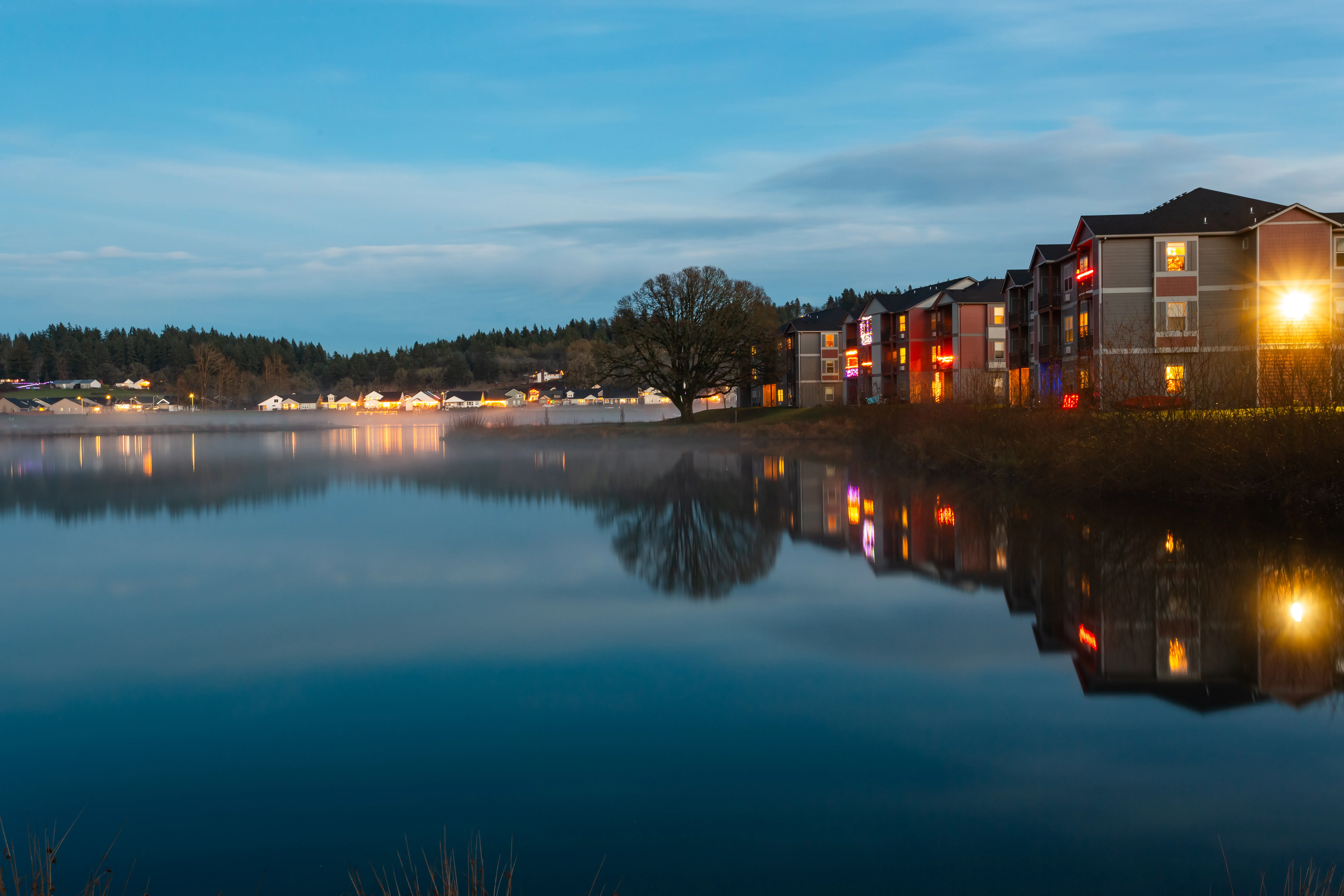
The median sold price in Turner sits at $552,000, a figure that reflects the Zillow Home Value Index and holds up reasonably well against trailing 12-month sales data. What that number buys is notably different from what the same price delivers in Salem proper: you're typically looking at newer construction — the median build year for Turner homes is 2003 — on a detached single-family lot, which makes up more than 80% of the housing stock here. Buyers accustomed to older Salem bungalows or fixer-uppers in the $400s will find Turner's inventory skews toward move-in ready homes with two-car garages and modest yards.
Market tempo is measured, not frantic. Homes here typically spend 63 to 90 days on market and generally receive around one offer, which gives buyers meaningful negotiating room that's increasingly rare in the Portland-Salem corridor. Volume is thin — roughly 40 homes traded hands in the past 12 months — so buyers should expect limited selection at any given moment. When a well-priced home does appear, it moves; when a seller overreaches on list price, the days on market tell the story quickly.
The entry-level market deserves a separate mention. Mobile and manufactured homes in Turner are listed between $97,000 and $480,000, offering a genuine pathway for buyers who can't clear the threshold for site-built homes. At the upper end of the market, larger parcels and custom builds push into the low $700s, though those listings are uncommon in a community this size.
| Budget Range | What to Expect in Turner |
|---|---|
| Under $350,000 | Very limited; manufactured homes only |
| $350,000–$475,000 | Older or smaller site-built homes, potential for cosmetic updates |
| $475,000–$600,000 | Typical Turner home; 3-bed, 2-bath, newer construction |
| $600,000–$750,000+ | Larger lots, updated finishes, occasional acreage |
Marion County's effective property tax rate runs between 0.79% and 0.87%, depending on the specific taxing district — and Turner falls within that range. On a $552,000 home, that translates to roughly $4,360–$4,800 in annual property taxes, or approximately $363–$400 per month. Oregon's Measure 50 caps assessed value increases at 3% annually regardless of market appreciation, which means long-term homeowners often pay taxes on an assessed value well below their home's actual market price — a meaningful financial advantage that compounds over time. The bulk of Marion County tax revenue flows to schools, community college, and educational service districts, which account for nearly 45% of total collections. Eligible seniors and disabled veterans can access exemptions ranging from a $29,000 homestead credit to $58,000 for veterans with 100% service-connected disability.
The rental market in Turner is small by any measure. With just over 1,150 total housing units in the city and roughly 80% of residents owning their homes, available rentals are limited and tend to be single-family homes rather than apartment complexes. The median gross rent sits around $1,499 per month based on Census estimates, though actual available units often price higher given the constrained supply. Renters here are typically either local households or newcomers testing the community before committing to a purchase.
| Unit Type | Estimated Monthly Rent |
|---|---|
| Studio / 1-Bedroom | $1,100–$1,400 |
| 2-Bedroom Single Family | $1,400–$1,700 |
| 3-Bedroom Single Family | $1,700–$2,100 |
| 4-Bedroom / Larger Home | $2,000–$2,400+ |
Utility costs in Turner are broadly in line with Marion County averages. Natural gas and electric service come through Pacific Power and NW Natural, with monthly combined utility costs for a typical 1,800–2,200 square foot home running in the $180–$260 range depending on season. Summers are mild and rarely require heavy air conditioning; winter heating months from November through February drive the higher end of that estimate. Internet service is available through providers including Comcast/Xfinity with service quality that residents generally describe as adequate for remote work, though fiber infrastructure isn't as buildout-complete as you'd find in Salem or Keizer.
Car dependency is essentially total in Turner. There is no meaningful public transit serving the city, and the walkable commercial core that you'd find in a city ten times this size simply doesn't exist here. Groceries, medical appointments, restaurants, and most services require a drive — either into South Salem along Cordon Road and Lancaster Drive, or down Highway 22 toward Stayton and Sublimity. The 26-minute commute to central Salem is consistent with what residents report, though that number edges upward during school-year morning rush hours and when Highway 22 encounters its predictable congestion near the Turner Road interchange.
Daily expenses for food and dining reflect that car-dependent reality. Turner has minimal in-city dining options, so most residents patronize Salem-area restaurants and do grocery runs at stores in South Salem — Fred Meyer, Safeway, and Winco are the most common choices among Turner residents heading north. The lack of a local coffee shop or quick-service dining isn't a dealbreaker for most buyers who chose this community precisely because of its small scale, but it's worth factoring into your lifestyle expectations before signing anything.

Looking to buy in Turner? Estimate your payment.
Enter your numbers to see an estimated monthly mortgage payment.
Estimate only. Excludes HOA fees and mortgage insurance.
| City | Median Home Price | Property Tax Rate | Commute to Salem | Rental Market | Overall Feel |
|---|---|---|---|---|---|
| Turner | $552,000 | ~0.79–0.87% | 26 min | Very limited | Small town, rural-adjacent |
| Salem | $370,000–$420,000 | ~0.87% | 0–15 min | Broad inventory | Urban / suburban mix |
| Aumsville | $420,000–$470,000 | ~0.82% | 20–25 min | Very limited | Rural, agricultural |
| Sublimity | $490,000–$540,000 | ~0.82% | 25–30 min | Minimal | Quiet, semi-rural |
| Stayton | $410,000–$460,000 | ~0.80% | 30–35 min | Limited | Small city, more services |
| Keizer | $390,000–$440,000 | ~0.85% | 15–20 min | Moderate | Suburban, north of Salem |
| Marion | $380,000–$430,000 | ~0.82% | 20–25 min | Very limited | Rural residential |
The table below reflects a typical Turner household purchasing at the $552,000 median price with 10% down, based on mid-2026 rate environments and Marion County cost averages.
| Expense Category | Estimated Monthly Cost |
|---|---|
| Mortgage (P&I, ~$496,800 financed) | $3,100–$3,350 |
| Property Taxes | $363–$400 |
| Homeowner's Insurance | $120–$160 |
| HOA (if applicable) | $0–$75 |
| Utilities (electric, gas, water/sewer) | $180–$260 |
| Internet / Phone | $100–$150 |
| Groceries (household of 3–4) | $700–$950 |
| Transportation (2 vehicles, fuel + maintenance) | $500–$700 |
| Childcare / School Expenses | $0–$600 |
| Dining Out / Entertainment | $300–$500 |
| Estimated Total | $5,363–$7,145 |
Oregon's income tax structure is a meaningful part of the total cost calculation for anyone relocating from a state with no income tax — particularly Washington, Nevada, or Texas. Oregon taxes income at rates ranging from 4.75% to 9.9% for the highest earners, with a 8.75% rate applying to income between roughly $19,000 and $250,000 for individuals. For a household earning the Turner median of $101,979, the effective Oregon income tax burden is meaningful but partially offset by what Oregon doesn't collect: there is no state sales tax in Oregon, which provides tangible daily savings on groceries, clothing, household goods, and major purchases. Buyers relocating from California, where income taxes and sales taxes stack together, often find the net difference smaller than expected — but buyers from Washington frequently experience Oregon income tax as a significant new line item.
For retirees specifically, Oregon's senior property tax deferral program allows qualifying homeowners 62 and older to defer property tax payments until the property is sold or transferred, with the state charging modest interest on the deferred balance. Marion County's Down Payment Assistance Program also offers first-time buyers up to $25,000 in aid for purchases outside Salem's city limits — Turner qualifies — with a portion forgiven after 10 years of ownership. These programs don't often make headlines, but they materially change the affordability math for households on fixed incomes or limited savings.

Local Expert Takeaway: The buyers who get the most financial value out of Turner are those who run the full 10-year comparison — not just the sticker price. The newer housing stock, Measure 50's tax assessment cap, and Marion County's down payment assistance program outside Salem's boundaries combine to make Turner's long-term cost position stronger than it appears at first glance. If you're choosing between Turner at $552,000 and a comparable Salem home at $400,000, model what your tax bill and equity position look like in year eight — the gap narrows considerably.
Is Turner affordable compared to other Marion County cities?
Turner's median sold price of $552,000 runs higher than Salem and most immediate neighbors like Aumsville and Stayton, where homes typically trade in the low-to-mid $400s. The premium reflects newer construction, a quieter setting, and the Cascade School District. Households with dual incomes in the $110,000–$130,000 range will generally find Turner's overall cost of living manageable; single-income buyers at the median will want to run a detailed budget before committing.
Does Oregon's no-sales-tax policy meaningfully offset the income tax?
For most households in the Turner income range, the absence of sales tax provides a real but modest annual offset against Oregon's income tax. A family spending $40,000 annually on taxable goods saves roughly $3,000–$3,800 compared to Washington's sales tax rate — a meaningful number, but generally smaller than the Oregon income tax bill for the same household. The net effect is location-specific and worth modeling against your actual spending patterns before relocating from a no-income-tax state.
What programs exist to help first-time buyers in Turner?
Marion County offers up to $25,000 in Down Payment Assistance for first-time buyers purchasing outside Salem's city limits — and Turner qualifies. A portion of that funding is forgiven if the buyer retains ownership for at least 10 years, making it effectively a grant for long-term residents. Oregon also has statewide programs through Oregon Housing and Community Services that can be layered with county assistance for income-qualifying buyers.
Explore the full Turner series: The Ultimate Turner Relocation Guide · Is Turner Safe? · Cost of Living in Turner · Best Neighborhoods in Turner · Turner Schools & Family Life · Turner Youth Sports · Turner Parks & Recreation · Retiring in Turner · 1031 Tax-Deferred Exchange in Turner · Turner First-Time Homebuyers Guide · · Moving to Turner from California
Tell us what you need help with and we'll connect you with local resources.

About the Author
Todd Davidson is the founder of Living in Oregon and Living in Washington, where he publishes in-depth city guides, neighborhood resources, and local market insights covering more than 180 communities across the Pacific Northwest. While his background is in home financing and real estate, he created these digital platforms to help families research and compare regions before making a move.