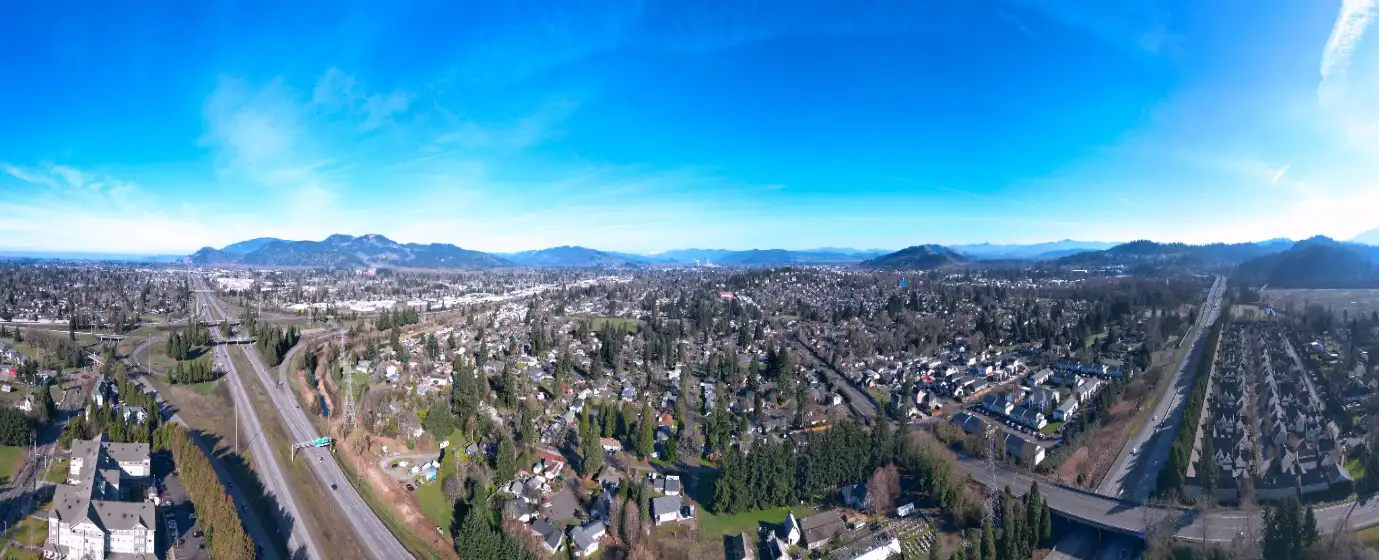
Willamette Valley · Oregon
Best Neighborhoods in Springfield: Where to Buy or Rent (2026)
Neighborhood selection in Springfield matters more than it does in most mid-sized Oregon cities. The difference between buying in Thurston and buying in Gateway isn't just a matter of square footage or commute time — it's a fundamentally different daily life, different schools, different noise levels, and in some cases a gap of $80,000 or more in home values. Relocating buyers who treat Springfield as a uniform affordable alternative to Eugene often find themselves regretting a decision that looked fine on a spreadsheet but felt wrong after six months on the ground.
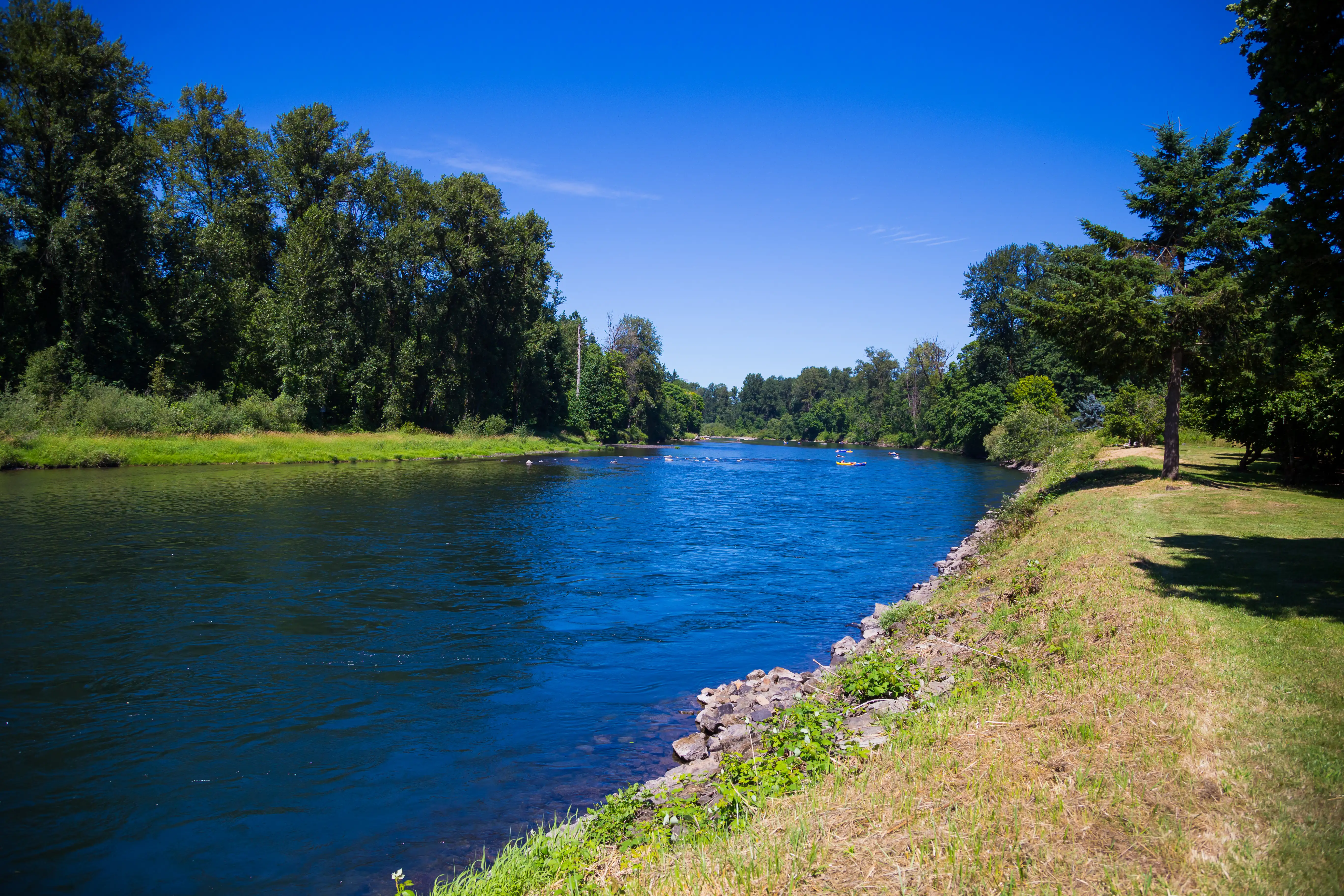
The city splits into two distinct personalities along a rough east-west axis. West of Pioneer Parkway, neighborhoods like Gateway and Glenwood blend seamlessly into Eugene's orbit — more commercial, more transit-connected, and generally priced lower. East of that corridor, areas like Thurston and Kelly Butte feel genuinely suburban: quieter streets, larger lots, newer construction, and proximity to trails along the McKenzie River. Neither side is better. They just serve different buyers.
This guide will help you figure out which Springfield fits your life — whether you're a first-time buyer chasing affordability, a family prioritizing school access and green space, or a renter who needs EmX bus access and walkable errands. Every neighborhood profile below includes an honest look at the trade-offs, not just the selling points.
| Neighborhood | Best For | Price Range | Vibe |
|---|---|---|---|
| Thurston | Families, nature lovers, equity builders | $478K–$600K+ | Suburban, trail-access, owner-heavy |
| Hayden Bridge | First-time buyers, quiet seekers | $380K–$430K | Peaceful, residential, north-side charm |
| Gateway | Commuters, renters, transit riders | $370K–$420K | Commercial-residential mix, EmX-connected |
| Washburne District | Historic home buyers, walkability seekers | $396K–$448K | Craftsman bungalows, artsy, riverside |
| Glenwood | Value buyers, Eugene commuters | $330K–$400K | Transitional, riverfront potential, urban edge |
| Midtown | Entry-level buyers, renters | $330K–$380K | Working-class, central, no-frills |
| Kelly Butte | Walkability seekers, urban feel | $380K–$440K | Hillside, eclectic, near downtown |
| Downtown Springfield | Investors, urban lifestyle buyers | $295K–$370K | Revitalizing, walkable core, commercial |
| West Springfield | Move-up buyers, established families | $430K–$480K | Mature trees, quiet streets, Eugene-adjacent |
| East Springfield | Outdoor-focused buyers, larger lots | $440K–$490K | Rural fringe, trail access, McKenzie River nearby |
| Buyer Type | Best Neighborhood | Why |
|---|---|---|
| First-time buyer | Hayden Bridge | Affordable entry, low crime, newer construction available |
| Luxury buyer | Thurston (Mountaingate) | New construction, tree-lined, $600K+ options with trail access |
| Walkability seeker | Washburne District or Downtown | Main Street access, bikeable streets, neighborhood dining |
| Families with kids | Thurston | Owner-heavy, parks, family-friendly dining, community events |
| Commuters (Eugene) | Gateway or Glenwood | EmX access, I-5 proximity, 10-minute Eugene drive |
| Large lot buyers | East Springfield | Rural fringe, larger parcels, McKenzie River corridor |
| Renters | Gateway | Highest apartment inventory in Springfield, transit-connected |
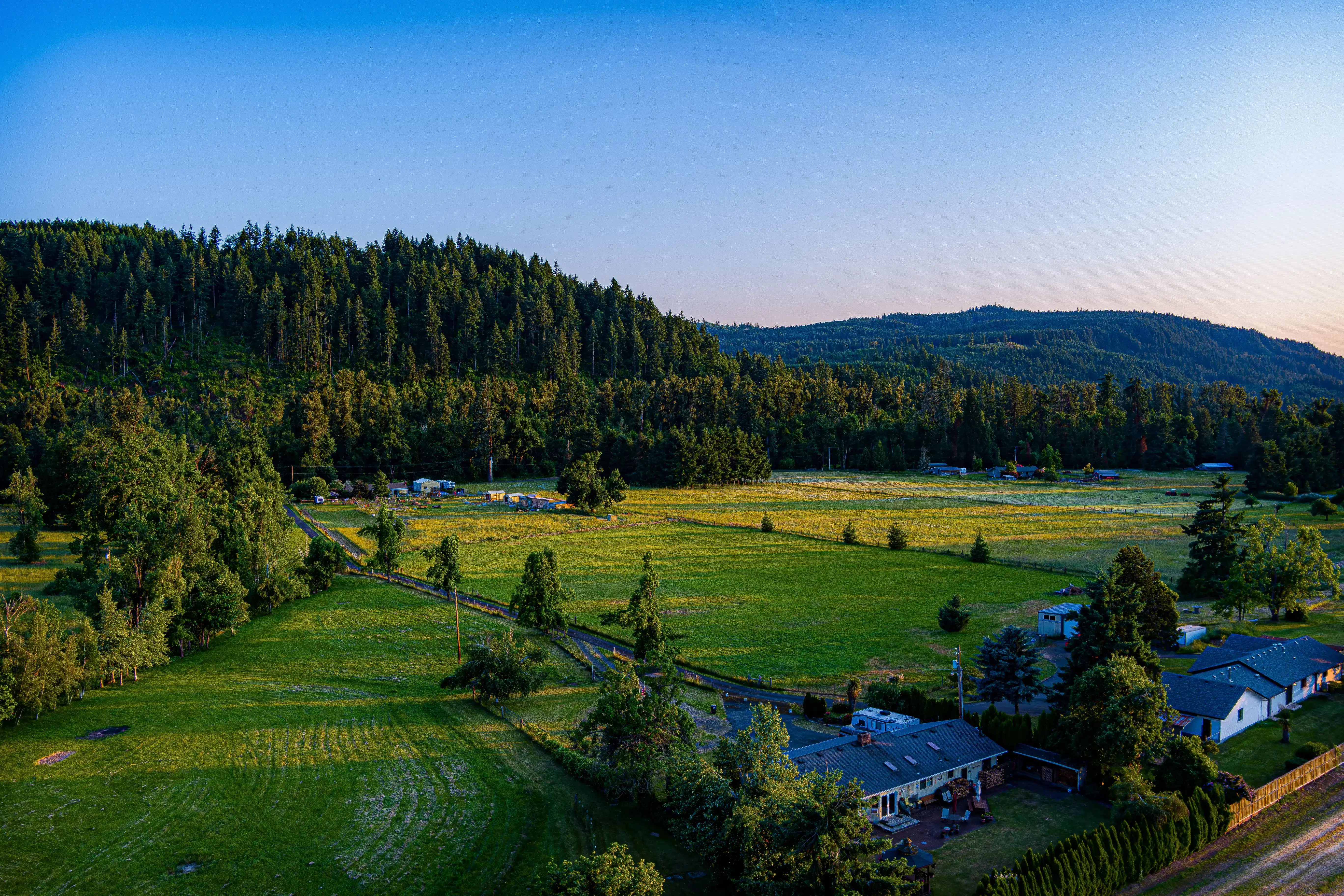
Thurston is the neighborhood that consistently draws the most serious buyer interest on the east side of Springfield, and the numbers back it up — the 12-month trailing median sold price sits at approximately $486,000, up roughly 6–8% year-over-year, with high-end homes in the Mountaingate sub-area pushing past $600,000. The area runs along the Highway 126 corridor toward the McKenzie River, giving residents unusually fast access to Central Oregon recreation while still sitting within a 15-minute drive of downtown Eugene. About 70% of housing here is owner-occupied, which shows up in the neighborhood's feel: maintained yards, active community events including the Springfield Filbert Festival and the Block Party, and a genuine suburban stability that renters-turned-buyers tend to appreciate. The downside is traffic on Main Street (Highway 126) during peak hours, particularly eastbound in the morning — buyers who live beyond the Woodland Ridge development add real commute time during school drop-off windows.
Best for: Families with school-age children, equity-focused buyers, outdoor enthusiasts who want suburban infrastructure without giving up McKenzie River access.
Hayden Bridge occupies a quiet pocket on Springfield's north side, close enough to downtown to feel connected but residential enough that it draws buyers specifically seeking lower density and lower noise. Homes here tend toward newer construction compared to Springfield's historic core neighborhoods, and the combination of affordability — generally in the $380,000–$430,000 range — and documented low crime makes it one of the neighborhoods local agents frequently mention to first-time buyers. Easy access to 5th Street and Q Street keeps errands manageable, and the McKenzie River is a short drive north. The catch is that walkable retail is limited — daily life here requires a car for most errands, and buyers who expect neighborhood-scale coffee shops and grocery stores within walking distance will be disappointed.
Best for: First-time buyers, remote workers who don't need EmX access, buyers prioritizing quiet over walkability.
Gateway sits at the commercial and transit crossroads of the Springfield-Eugene metro, surrounding the Gateway area's retail corridor with a mix of apartment complexes, modest single-family homes, and easy access to the EmX bus rapid transit line. It consistently has the highest apartment availability of any Springfield neighborhood, which makes it the obvious starting point for renters new to the area. Homes here typically sell in the $370,000–$420,000 range — among the more accessible entry points in the city — and Island Park along the Willamette River gives the neighborhood genuine green space that surprises first-time visitors. The trade-off is noise and commercial density: buyers who want suburban quiet will find Gateway's proximity to I-5 and big-box retail corridors harder to tune out than they expected.
Best for: Renters, commuters who rely on public transit, buyers who want Eugene proximity at a Gateway-level price point.
The Washburne Historic District is Springfield's most architecturally interesting neighborhood, built on the city's logging town legacy and anchored by Craftsman bungalows, Tudor cottages, and Homestead farmhouses along walkable streets near the Willamette River. Appreciation here has been among the fastest in the city — up roughly 18% year-over-year by available data — with the median sold price ranging from $396,500 to $448,000 depending on condition and lot size. The district's walkability to downtown Springfield and its artsy, independent-business character attract buyers from Eugene who want character housing at a lower price point than Eugene's South Hills. Older homes mean older systems: buyers need to budget for electrical updates, plumbing, and in some cases foundation work that the listing price doesn't always reflect.
Best for: Buyers who prioritize architectural character, walkability seekers, investors positioned for continued appreciation.
Glenwood occupies Springfield's western edge along the Willamette River, technically inside Springfield's city limits but functionally adjacent to Eugene — it's where the two cities blur at street level. Prices here tend to run below the citywide median, generally in the $330,000–$400,000 range, reflecting a neighborhood still in transition: the City of Springfield and City of Eugene have had an active urban renewal conversation about Glenwood for over a decade, with mixed results so far. The riverfront location has genuine long-term appeal, and buyers who can tolerate a transitional neighborhood environment sometimes find value that more established areas don't offer. The honest trade-off is that "transitional" means real variability block by block — a well-maintained bungalow can sit within two blocks of a property that brings down street-level confidence.
Best for: Value-oriented buyers with a longer time horizon, Eugene commuters who want Springfield pricing, buyers comfortable with neighborhood-level variability.
Midtown is Springfield's workhorse neighborhood — centrally located, straightforwardly priced, and unapologetically practical. Homes typically sell in the $330,000–$380,000 range, which makes it one of the most accessible entry points for buyers who've been priced out of Eugene's comparable neighborhoods. The housing stock is older and the streets less visually polished than Thurston or Washburne, but the central location means reasonable access to employers, schools, and services without the commute friction that fringe neighborhoods carry. What buyers give up here is curb appeal and appreciation momentum — Midtown hasn't seen the same price-per-square-foot gains as the Historic District or east-side neighborhoods, which matters for buyers treating the purchase as a medium-term investment.
Best for: Entry-level buyers focused on total monthly payment, renters transitioning to ownership, buyers who need central Springfield access over neighborhood prestige.
Kelly Butte sits above Springfield's downtown core on elevated terrain, giving residents a hillside character that feels distinct from the flat grid of most Springfield neighborhoods. Homes here range from $380,000 to $440,000 and tend to be a mix of mid-century and older construction, with the elevated position delivering better views and a slightly removed feel from the commercial energy directly below. The proximity to downtown Springfield and the Washburne District means walkability is genuinely higher here than the citywide Walk Score of 46 suggests — daily errands and Main Street dining are achievable on foot. The downside is the hills themselves: steep driveways and streets that feel less accessible in winter ice conditions, and a housing stock where "character" sometimes translates to costly maintenance.
Best for: Walkability seekers who want proximity to downtown without buying directly in the commercial core, buyers who value topographic variety.
Downtown Springfield is the city's most genuinely urban neighborhood — also its most honest work-in-progress. The Official Simpsons Mural, the Springfield History Museum, and a slowly growing cluster of independent businesses anchor a Main Street corridor that feels revitalized in patches but still has visible gaps. Home prices in the $295,000–$370,000 range represent some of the lowest entry points in the city for single-family product, and investors watching the Washburne District's appreciation trajectory have begun paying attention to Downtown as the logical next chapter. Buyers expecting a polished urban neighborhood will be disappointed — this is a neighborhood where you're buying the trajectory, not the current condition, and that calculus works better for some buyers than others.
Best for: Investors, urban lifestyle buyers comfortable with a revitalizing environment, buyers seeking the lowest entry price in Springfield.

Looking to buy in Springfield? Estimate your payment.
Enter your numbers to see an estimated monthly mortgage payment.
Estimate only. Excludes HOA fees and mortgage insurance.
Assuming Springfield is uniform. The most common error is treating all of Springfield as interchangeable affordable housing relative to Eugene. A buyer who tours a home in Glenwood near the Willamette River and a home in Thurston near the Mountaingate development is looking at two neighborhoods with different price points, different commute patterns, different school proximity, and fundamentally different daily-life textures. Buyers who compress this into "it's all Springfield" consistently regret the decision within a year.
Underestimating Highway 126 congestion in Thurston. The stretch of Main Street (Highway 126) running through Thurston becomes a genuine bottleneck during morning school drop-off and afternoon commute windows. Buyers who buy deep in the Woodland Ridge development or beyond — attracted by the newer construction and trail proximity — often don't discover the actual eastbound morning commute time until they've already closed. Drive it at 7:45 AM before making an offer.
Conflating "historic" with "move-in ready." The Washburne District is genuinely attractive and its appreciation numbers are real. But Craftsman bungalows and Tudor cottages built for early logging-era residents were not built with modern electrical panels, updated plumbing, or current insulation standards. Buyers who waive inspections or budget only for cosmetic updates in historic districts commonly find themselves with $20,000–$40,000 in deferred maintenance surprises within the first two years. The district rewards prepared buyers; it punishes optimistic ones.
Choosing Gateway for the price without accounting for noise. Gateway's proximity to I-5 and the commercial retail corridors near the mall creates ambient noise that varies significantly by block. A home two blocks closer to the freeway can have a materially different daily sound environment than one positioned behind a buffer. Buyers who prioritize quiet sleep and outdoor space should visit Gateway properties at multiple times of day before committing — the price differential from Hayden Bridge or West Springfield is real, but so is the difference in ambient environment.
| Area | Ideal For | Typical Rent Range | Trade-off |
|---|---|---|---|
| Gateway | Transit riders, budget renters | $1,100–$1,500/mo (1BR); $1,400–$1,900/mo (2BR) | Noise, commercial density, less green space |
| Hayden Bridge | Quiet seekers, families | $1,300–$1,700/mo (2BR) | Limited walkable retail, car required |
| Thurston | Suburban lifestyle renters | $1,400–$1,900/mo (2BR) | Higher rents, Highway 126 traffic |
| Downtown / Washburne | Urban lifestyle, walkability | $1,100–$1,600/mo (1–2BR) | Neighborhood variability, older buildings |
| Midtown | Budget renters, central access | $1,000–$1,400/mo (1–2BR) | Older stock, limited neighborhood amenity |
Springfield's rental market is genuinely tight — with a vacancy rate that has hovered near 0.4% in recent months, well below the 2% threshold considered healthy, the city has far more rental demand than supply. Renters entering the market in 2026 should expect to move quickly on available units, particularly 2-bedroom apartments, which represent the bulk of rental inventory. Gateway offers the most options by volume; Hayden Bridge and Thurston offer better quality-of-life conditions for renters who can afford slightly higher monthly costs.
Local Expert Takeaway: If you're buying in Springfield for the first time, the Thurston–Hayden Bridge corridor on the east side is where I'd focus first. Thurston's Mountaingate sub-area has new construction still available at prices that will look undervalued within three years, and Hayden Bridge offers the quietest entry point under $430,000 in the city. If walkability and downtown proximity matter more than suburban calm, the Washburne District's 18% year-over-year appreciation is the kind of momentum that doesn't last long at current price levels — buyers who move in 2026 are likely buying ahead of the curve, not chasing it.
What are the best places to live in Springfield, Oregon?
Thurston consistently ranks as Springfield's most desirable neighborhood for families and equity-focused buyers, with a trailing median around $486,000 and strong appreciation. The Washburne District is the best option for buyers who want architectural character and walkability, while Hayden Bridge serves first-time buyers seeking affordability and quiet. The right answer depends heavily on whether you prioritize suburban calm, walkable urban access, or transit connectivity.
Is Springfield, Oregon a good place to buy a home right now?
Springfield was classified as a strong seller's market in spring 2026, with roughly 1.9 months of inventory and homes selling at essentially full list price. The citywide median sold price sits in the $422,000–$445,000 range depending on the source and timeframe, which remains meaningfully below Eugene's comparable figure. Buyers who enter with realistic expectations about the competitive market and don't over-extend on properties needing significant deferred maintenance tend to find Springfield a solid buy.
How does living in Springfield, Oregon compare to living in Eugene?
Springfield typically offers home prices $40,000–$50,000 below comparable Eugene neighborhoods, with a 10-minute drive separating most of Springfield from downtown Eugene employers and University of Oregon campus. What you give up is Eugene's more developed restaurant scene, higher Walk Scores in the core neighborhoods, and — in some areas — proximity to the South Hills trail network. For most buyers, the price differential and the near-identical commute time make Springfield the more financially sound choice, particularly on the east side where trail access is genuinely competitive with what Eugene's outer neighborhoods offer.
Explore the full Springfield series: Relocation Guide · Is Springfield Safe? · Cost of Living · Best Neighborhoods · Schools & Family Life · Youth Sports · Parks & Recreation · Retiring in Springfield · 1031 Exchange · First-Time Buyer · · Moving from California
Tell us what you need help with and we'll connect you with local resources.

About the Author
Todd Davidson is the founder of Living in Oregon and Living in Washington, where he publishes in-depth city guides, neighborhood resources, and local market insights covering more than 180 communities across the Pacific Northwest. While his background is in home financing and real estate, he created these digital platforms to help families research and compare regions before making a move.