
Willamette Valley · Oregon
1031 Exchange & Investment Real Estate in Monmouth (2026)
Not every 1031 investor is a seasoned portfolio operator. Many are California homeowners who finally cashed out after watching their Bay Area bungalow or Sacramento rental appreciate past the point where selling felt optional. When the proceeds land in a qualified intermediary account and the 45-day clock starts ticking, they start looking for replacement markets that are landlord-viable, affordable, and not already picked over by institutional money. Monmouth, Oregon checks those boxes in a way that surprises people who've only heard the name in passing.
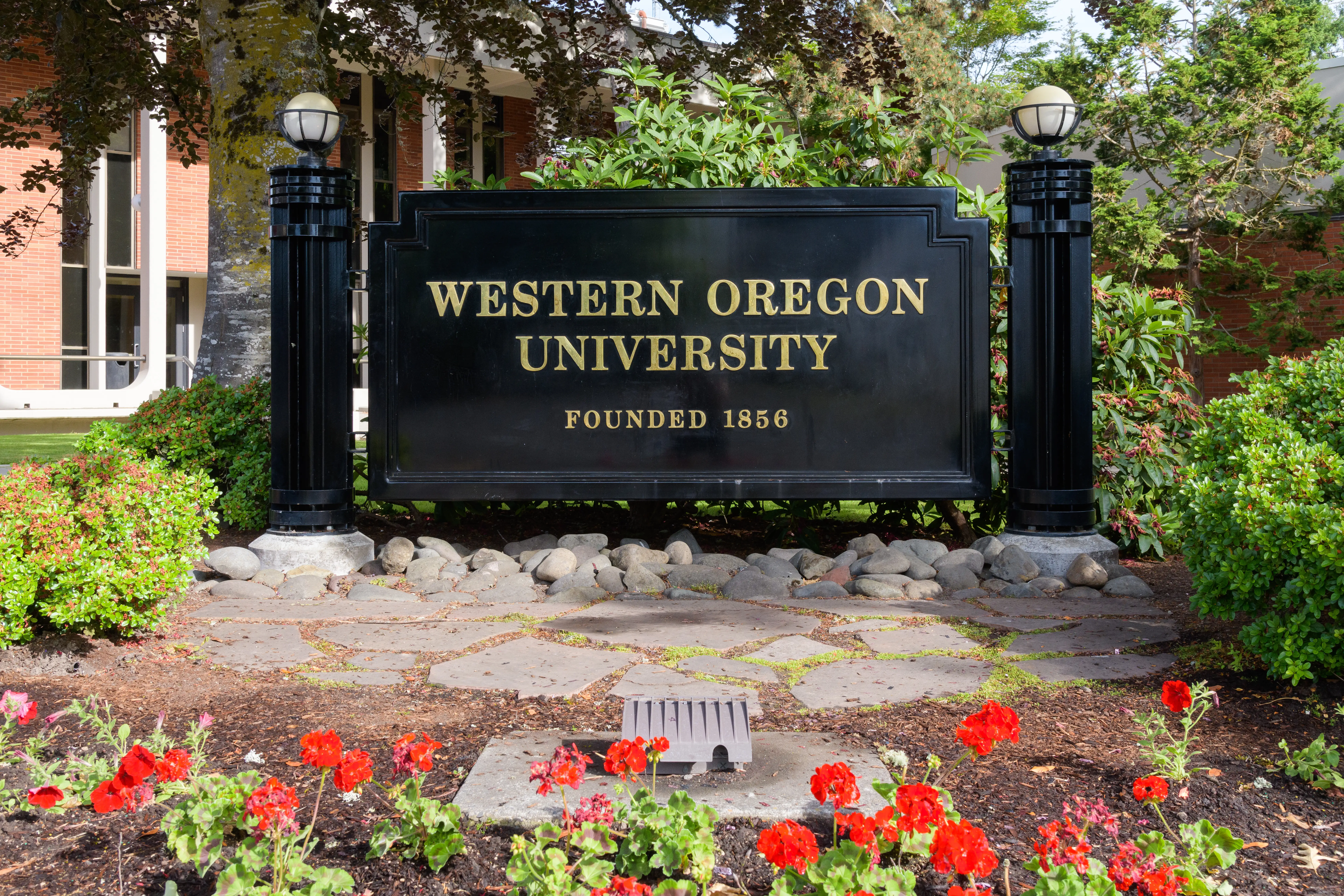
The rental demand here is structural, not speculative. Western Oregon University sits at the center of town with roughly 3,950 enrolled students and a 98% acceptance rate that keeps headcount relatively stable year over year. That enrollment base, combined with a broader working-class renter population, keeps the city at over 54% renter-occupied — one of the highest owner-to-renter inversions you'll find in a Willamette Valley city of this size. The investment properties that trade here are primarily single-family homes, small duplexes, and older apartment stock, all sitting against a median home price of $466,000 that makes the math fundamentally different from anything a California investor is used to running.
This guide covers the mechanical rules of a 1031 exchange, how Monmouth's specific property types and price points perform as replacement assets, the tax landscape for Oregon investors, the management realities you need to model before closing, and a due diligence checklist built for out-of-state buyers on a deadline.

The core structure is straightforward but unforgiving on timing. You sell your relinquished property, and before or at closing, you assign a qualified intermediary — a neutral third party who holds the proceeds so you never take constructive receipt of the funds. From the day your sale closes, you have exactly 45 days to formally identify your replacement property in writing, and 180 days to close on it. Miss either deadline by a single day and the entire tax deferral collapses, leaving you with a capital gains bill on the full relinquished sale.
The like-kind rule is broader than most people realize. Any real property held for investment or business use qualifies — a single-family rental in Monmouth can replace a commercial warehouse in Fresno, a duplex can replace a vacant lot, and a triple-net lease strip can replace a portfolio of SFRs. What doesn't qualify is primary residences, personal vacation property used primarily by the owner, and most foreign real estate. The property type flexibility is actually one of 1031's most useful features for investors repositioning out of management-intensive assets into something more passive.
The "boot" trap is where investors lose money they didn't plan to lose. If you trade down — buying a replacement property worth less than your net sale proceeds — the difference is recognized as gain and taxed. The same applies if you take cash out at closing or pay off personal debt with exchange proceeds. The standard rule: to defer all taxes, you must reinvest all equity into property of equal or greater value and carry equal or greater debt. Any shortfall creates a taxable event that erodes the compounding benefit of the deferral.
Monmouth is a thin market by design. Active inventory rarely exceeds a dozen homes, homes sell in roughly 31 days on average, and the properties that make sense for investment investors — duplexes, small multifamily, and well-located SFRs — are absorbed almost immediately when priced correctly. That scarcity is a double-edged reality for 1031 buyers: it means you're entering a market with genuine rental demand and low vacancy, but it also means you cannot afford to be passive on a 45-day identification window.
Single-family rentals dominate the investment property landscape here, followed by a small stock of duplexes and older apartment buildings that rarely change hands. Cap rates in Monmouth run modestly — this is a yield market, not a high-cap-rate value play — but the combination of low property tax burden, durable student-driven demand, and below-$500K entry points makes the risk-adjusted profile compelling compared to comparable Oregon college towns.
| Property Type | Typical Price Range | Est. Cap Rate | Avg Days to Close |
|---|---|---|---|
| Single-Family Rental (3BR) | $390,000–$500,000 | 4.5%–5.5% | 25–35 days |
| Duplex (2-unit) | $480,000–$620,000 | 5.0%–6.5% | 30–45 days |
| Small Multifamily (4–6 units) | $650,000–$950,000 | 5.5%–7.0% | 45–60 days |
| Commercial/Mixed-Use | $500,000–$1.2M | 5.0%–6.5% | 45–75 days |
Duplexes near campus move fastest — often with multiple interested buyers before the first open house weekend. Small multifamily properties in the 4–6 unit range tend to sit slightly longer because the buyer pool is narrower, which actually creates an opportunity for 1031 investors who can move decisively.
A Bay Area investor selling a $1.4 million single-family rental can arrive in Monmouth with enough proceeds to purchase a duplex near WOU and a standalone SFR — potentially both — debt-free, with capital left over. At $466,000 median and cap rates running in the 5–6.5% range on two-unit properties, that investor replaces one high-maintenance, high-tax California asset with two income-producing Oregon properties at a fraction of the California property tax burden on a new purchase. The psychology shift alone — from managing a tenant in a $3,500/month market where one vacancy stings badly to owning in a student market with structural occupancy — is part of what drives the interest.
Southern California investors, particularly those in Los Angeles and Orange County, are often selling properties with low depreciation basis and large embedded gains. The 1031 structure protects that gain while repositioning into a market where rents-to-price ratios are dramatically more favorable. An SFR in Anaheim that sold for $900,000 and generates $2,800/month in rent has a price-to-rent ratio that makes cash flow essentially theoretical. The comparable Monmouth property at $420,000 generating $1,400–$1,600/month runs meaningfully better on a monthly cash-on-cash basis, especially with Oregon's lower property tax load.
Sacramento and Inland Empire investors are often playing a more nuanced game — their gains are smaller, their equity is real but not Bay Area stratospheric, and they're looking for the next tier of appreciation. Monmouth appeals here because WOU is quietly growing again after a period of enrollment decline, the city is within 15 miles of Salem (the state capital), and Polk County has seen steady value appreciation without the institutional buyer pressure that's compressed cap rates in Portland's close-in suburbs. These investors tend to be the most likely to purchase a single-family rental in the $390,000–$450,000 range and self-manage remotely.
Looking to buy in Monmouth? Estimate your payment.
Enter your numbers to see an estimated monthly mortgage payment.
Estimate only. Excludes HOA fees and mortgage insurance.
Oregon's zero sales tax creates a genuine cost advantage that California investors often underestimate until they run their first rehab budget. Every appliance, flooring material, fixture, and contractor invoice on a Monmouth rental renovation carries no state sales tax — on a $40,000 rehab, that's a meaningful reduction in out-of-pocket cost compared to the 7.25–10.25% California buyers are used to absorbing.
On the income side, Oregon does tax rental income at rates up to 9.9% for high earners — the state has no tax-favored treatment for passive real estate income at the state level. But for leveraged properties, depreciation and operating expenses typically offset most or all of net rental income in the early years of ownership, making the headline rate less consequential in practice than it appears on paper. The property tax rate here runs approximately 0.82% of assessed value in Polk County — and Oregon's Measure 50 caps assessed value increases at 3% annually, which means investors who hold long-term benefit from a growing gap between assessed value and actual market value. That compression lowers the effective tax burden over time.
| Tax Item | California | Oregon |
|---|---|---|
| State income tax on rental income | Up to 13.3% | Up to 9.9% |
| Property tax rate (new purchase) | ~1.1–1.25% (Prop 13 reset on sale) | ~0.82% (Polk County effective rate) |
| State sales tax | 7.25–10.25% (varies by county) | 0% |
| Capital gains treatment | Taxed as ordinary income at state level | Taxed as ordinary income at state level |
| Annual assessed value increase cap | 2% (Prop 13) | 3% (Measure 50) |
One item worth understanding before closing: in a 1031 exchange, the depreciation basis on your replacement property does not reset to the new purchase price. The adjusted basis from your relinquished property carries forward, which affects your annual depreciation deductions. For investors seeking a fully passive exit with no management obligations, a Delaware Statutory Trust (DST) qualifies as like-kind replacement property under IRS rules — an option worth discussing with your QI if you're selling out of management-intensive California assets and want Oregon real estate exposure without landlord obligations.
Oregon has among the stronger tenant protection frameworks on the West Coast. No-cause evictions are severely restricted — landlords must typically provide documented cause for termination after a tenant has occupied a unit for more than 12 months. Rent increase notices require 90 days' written notice for increases above 10%, and some Oregon jurisdictions have additional local rent stabilization provisions. Monmouth itself is not currently subject to local rent control, but state-level caps on rent increases (generally limited to 7% plus CPI annually under current law) apply to most residential tenancies outside of newly constructed units.
For out-of-state owners, professional property management is not optional — it's an underwriting assumption. Management fees in the Monmouth market typically run 8–10% of gross monthly rent, with leasing fees equivalent to roughly one month's rent for new placements. Local property management companies serving the Monmouth-Salem corridor include options operating out of both cities; Salem-based firms with Polk County portfolios are the most common resource. The student-heavy tenant pool means seasonal vacancy is a real consideration — leases that expire in May or June create re-leasing risk that August-aligned lease terms largely eliminate.
What out-of-state owners consistently underestimate is the deferred maintenance backlog in the older rental stock near campus. Properties built in the 1970s and 1980s — which represent a significant share of available rental housing here — often carry aging plumbing, electrical panels, and roofs that the previous owner managed around rather than addressed. A professional inspection before closing and a realistic capital reserve budget are non-negotiable on these assets.
| Item | What to Verify | Local Resource |
|---|---|---|
| Title search | Clear title, no undisclosed liens or easements | Polk County title company or Oregon-licensed title agent |
| Sewer vs. septic | City sewer connection confirmed; septic systems require separate inspection | City of Monmouth Public Works |
| Radon testing | Oregon has elevated radon zones; test required before closing | Licensed Oregon radon inspector |
| Flood zone status | FEMA flood map check; Ash Creek corridor properties require extra scrutiny | FEMA Flood Map Service Center |
| Rental permit requirements | Verify current city rental registration compliance | City of Monmouth Planning/Code Enforcement |
| HOA restrictions | Confirm whether HOA allows non-owner-occupied or student tenants | HOA CC&Rs and management documents |
| ADU zoning potential | Check R-1/R-2 zoning for accessory dwelling unit eligibility | City of Monmouth Planning Department |
| School district assignment | Confirm Central School District enrollment zone for tenant pool assessment | Central School District |
| Current lease status | Review all active leases, rent rolls, and security deposit records | Seller disclosure; request estoppel letters |
| Deferred maintenance inspection | Full general inspection plus roof, HVAC, plumbing, and electrical panel | Oregon-licensed home inspector |
| Property management referral | Identify management company before closing, not after | Salem-area property management firms |
| Title company recommendation | Use Oregon-licensed title company familiar with Polk County transactions | Ask your buyer's agent or QI for referrals |
| 1031 timeline confirmation | Confirm 45-day ID and 180-day close alignment with seller's timeline | Qualified Intermediary |
| Environmental check | Oil tank or prior commercial use on older in-town parcels | Phase 1 environmental assessment if applicable |

Local Expert Takeaway: The single most common mistake California investors make in Monmouth is identifying a property during the 45-day window without having physically inspected the rental stock beforehand. On paper, a duplex near WOU at $520,000 with a 6% cap rate looks like a straightforward acquisition — until inspection reveals a 1978-era electrical panel, galvanized supply lines, and a roof with two years of life left. Build your reserve assumption before you submit the identification letter, not after. The investors who thrive here are the ones who visited Monmouth before their relinquished property closed and already know which blocks they want to own on.
✅ Monmouth's 54%+ renter-occupied rate and WOU enrollment anchor create structural rental demand that doesn't fluctuate with the broader housing market the way purely residential suburbs do — a fundamentally different risk profile than most California replacement markets.
⚠️ Inventory is extremely thin — typically under 12 active listings citywide — which means 1031 buyers on a 45-day identification clock must be market-ready before their relinquished property closes, not scrambling afterward.
📍 Oregon's 0.82% effective property tax rate in Polk County, combined with zero state sales tax, creates a lower total cost of ownership than most California markets where a newly purchased property triggers a full Prop 13 reset at current assessed value.
Are there 1031-eligible properties under $500K in Monmouth?
Yes — and they represent a meaningful share of what trades here. Single-family rentals in the $390,000–$480,000 range come up regularly, particularly older construction in neighborhoods adjacent to WOU. Investors replacing a $600,000–$800,000 California asset can often acquire a Monmouth SFR and retain capital for reserves or a second smaller property, depending on their equity position and debt replacement requirements.
What is DSCR lending and can I use it for a 1031 replacement property?
DSCR — Debt Service Coverage Ratio — lending qualifies the loan based on the property's rental income rather than the borrower's personal income and DTI. For investors who want to preserve borrowing capacity or keep the transaction off their personal tax returns, DSCR loans are a clean solution. They're fully compatible with 1031 replacement property acquisitions and are widely available through portfolio lenders serving the Oregon market. Getting pre-approved before your 45-day window opens is the single most effective way to be able to move decisively when the right property appears.
Do Oregon property taxes reset when I buy a 1031 replacement property?
Yes — Oregon's Measure 50 assessed value system resets to a new assessed value when a property transfers ownership. From that point forward, the assessed value can only increase by 3% annually, which means long-term investors benefit from growing compression between assessed and market value over time. This is structurally similar to California's Prop 13 model, but the annual cap is 3% versus Prop 13's 2%. The practical effect: hold a Monmouth rental for ten years and your tax bill grows far more slowly than your market-rate rent increases.
Explore the full Monmouth series: The Ultimate Monmouth Relocation Guide · Is Monmouth Safe? · Cost of Living in Monmouth · Best Neighborhoods in Monmouth · Monmouth Schools & Family Life · Monmouth Youth Sports · Monmouth Parks & Recreation · Retiring in Monmouth · 1031 Tax-Deferred Exchange in Monmouth · Monmouth First-Time Homebuyers Guide · · Moving to Monmouth from California
Tell us what you need help with and we'll connect you with local resources.

About the Author
Todd Davidson is the founder of Living in Oregon and Living in Washington, where he publishes in-depth city guides, neighborhood resources, and local market insights covering more than 180 communities across the Pacific Northwest. While his background is in home financing and real estate, he created these digital platforms to help families research and compare regions before making a move.