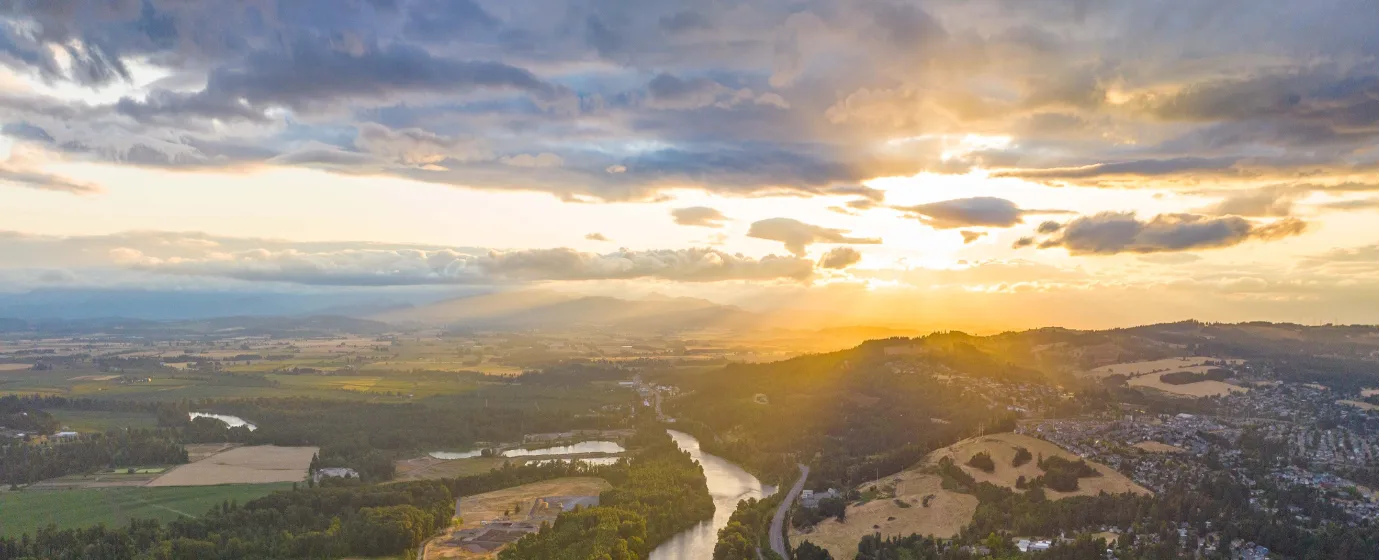
Willamette Valley · Oregon
Best Neighborhoods in Turner: Where to Buy or Rent (2026)
Turner is small enough that a first-time visitor might assume neighborhood selection doesn't matter much — after all, you can drive from one end of town to the other in under five minutes. That assumption is expensive. The difference between a property on a quiet interior street near Turner Lake and a rural acreage lot on the city's edge isn't just square footage and price — it's a fundamentally different experience of what living in Turner actually feels like day to day.
The clearest divide in Turner runs between the compact, walkable core of town — where older homes sit close together on established streets near Turner City Park and Mill Creek — and the newer residential subdivisions and gated communities that have pushed outward as growth has accelerated. Layer on top of that the truly rural acreage properties surrounding the city limits, and you have three distinct versions of "living in Turner" that attract different buyers for very different reasons.
This guide breaks down the best places to live in Turner by actual buyer type, budget, and lifestyle — not just by which neighborhoods sound nicest on paper. Whether you're a first-time buyer looking for the most approachable entry point, a household weighing a gated luxury build against something more modest, or a renter trying to figure out whether Turner has enough rental stock to make it worth considering, you'll find what you need here.
| Neighborhood | Best For | Price Range | Vibe |
|---|---|---|---|
| Turner Core / Old Town | Walkability, community feel | $380,000–$490,000 | Quiet, established, neighborly |
| Enchanted Ridge | Luxury custom builds, privacy | $750,000–$1,500,000+ | Gated, upscale, mountain views |
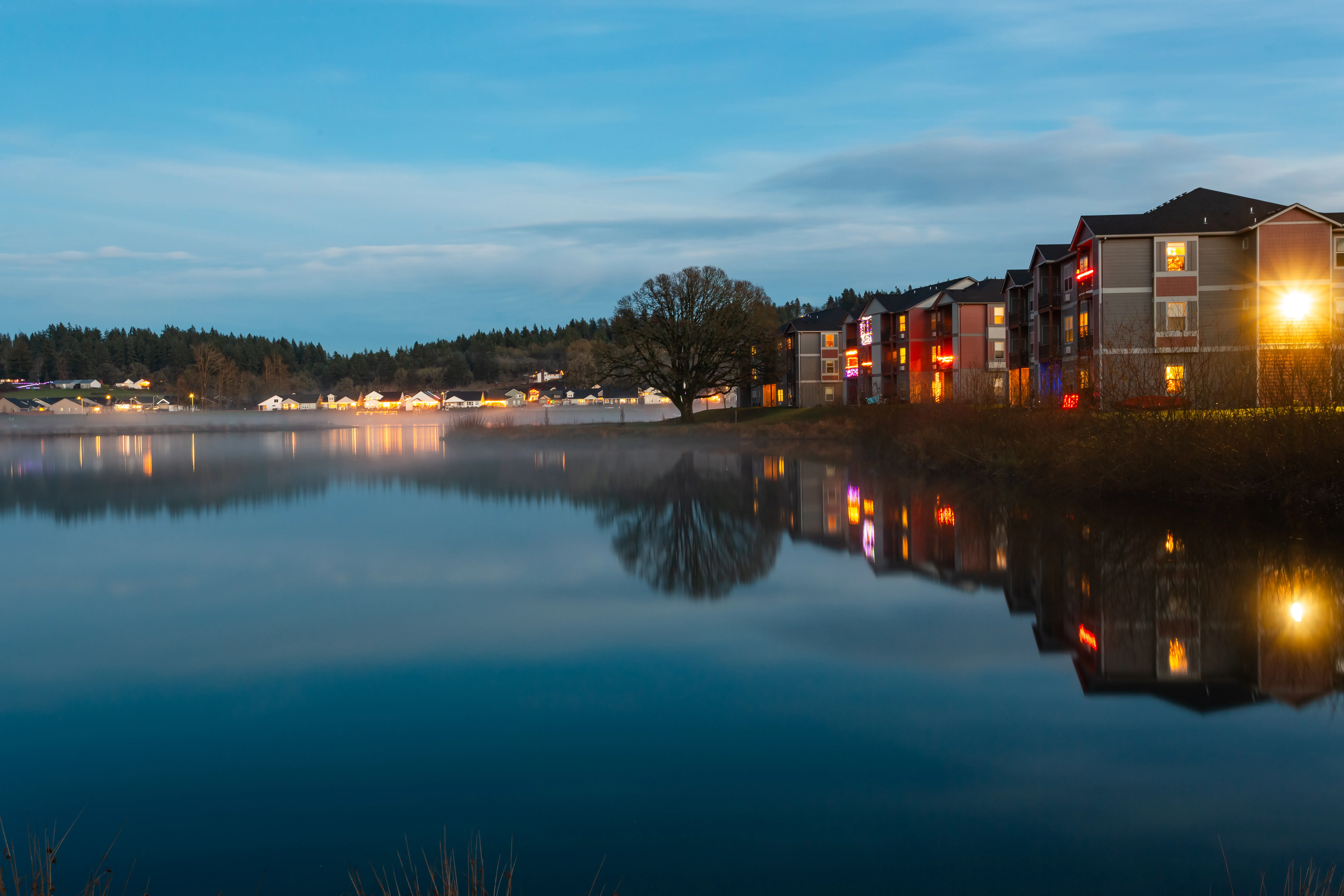
| Turner Lake Area | Families, nature access | $440,000–$560,000 | Peaceful, scenic, residential |
| Hope Valley / Butte Area | Alternative lifestyle, downsizers | $140,000–$165,000 (park models) | Amenity-rich, community-oriented |
| Mill Creek Corridor | Mid-range buyers, established stock | $400,000–$520,000 | Creek-side, tree-lined, settled |
| South Turner Residential | First-time buyers, newer construction | $430,000–$540,000 | Suburban, clean, family-oriented |
| Rural Acreage (City Fringe) | Land buyers, hobby farmers | $550,000–$2,000,000+ | Open, agricultural, private |
| Near Cascade Schools | Families prioritizing school access | $450,000–$560,000 | Suburban, safe, practical |
| North Turner Lots | Investors, builders | $70,000–$200,000 | Transitional, speculative |
| Aldersgate / Conference Area | Quiet retreat, retirees | $400,000–$510,000 | Serene, removed, low-traffic |
| Buyer Type | Best Neighborhood | Why |
|---|---|---|
| First-time buyer | South Turner Residential | Most accessible price point in newer construction; HOA-friendly layouts |
| Luxury buyer | Enchanted Ridge | Only gated luxury community in Turner; custom T. Wheeler Homes, mountain views |
| Walkability seeker | Turner Core / Old Town | Closest to Turner City Park, local streets, actual on-foot access |
| Families with kids | Near Cascade Schools | Walk or short drive to district schools; owner-occupied, low-traffic streets |
| Commuters to Salem | Mill Creek Corridor | Quick Hwy 22 access; straightforward 26-minute commute |
| Large lot / acreage buyers | Rural Acreage (City Fringe) | Direct access to Willamette Valley farmland and hobby agriculture |
| Renters | Hope Valley / Salem border | Limited in-city stock; most renters look south toward Salem's 97317 zip |
The geographic and social center of Turner sits close to Turner City Park and the historic Turner Memorial Tabernacle, where the city's small-town character is most legible. Homes here tend to be older — some dating back decades — with smaller lots, mature trees, and a genuine sense of neighbors knowing each other. The downside is that older construction means deferred maintenance surprises are more common, and buyers who prioritize new kitchens and open floor plans will likely be disappointed by the stock available in this price range.
Best for: Buyers who want walkable proximity to parks and the community's civic heart without paying for new construction.
Turner's only gated community occupies its own category entirely — custom builds by T. Wheeler Homes, three- and four-car garages as standard features, and Cascade Mountain views that make the drive home feel like something out of a magazine. The entry price reflects all of that, and buyers should understand this is a custom-build process, not a move-in-ready purchase. The gating creates genuine privacy, but it also separates residents from the organic community feel that draws many people to Turner in the first place.
Best for: Luxury buyers who want a prestige address in the Willamette Valley without the Salem price floor or the Portland commute.
Properties near Turner Lake benefit from one of Turner's most legitimate natural amenities — access to the lake itself and the surrounding nature trail that locals use for morning walks and weekend family outings. Homes in this area tend to command a modest premium over comparable square footage elsewhere in town, and the combination of water views and natural buffers makes it easy to understand why. Inventory moves relatively quickly here, and buyers who fall in love with a specific listing shouldn't wait — this micro-location doesn't stay on market long when priced right.
Best for: Families and nature-oriented buyers who want Turner's small-town pace paired with genuine outdoor access from their backyard.
Hope Valley Resort sits at the foot of Hope Valley Butte and functions as its own self-contained community of park-model tiny homes — owner-occupied units on leased sites, surrounded by a clubhouse, pool, covered hot tub, pickleball and tennis courts, a dog park, a community garden, and a small stocked fishing lake. At around $150,000 for a unit, the entry price is the lowest in the Turner area by a significant margin, and the amenity package rivals developments costing five times as much. The catch is the land-lease structure: you own the home but not the ground beneath it, which limits equity-building potential and makes conventional mortgage financing complicated.
Best for: Downsizers, retirees, and adults without children who want an amenity-rich lifestyle at a fraction of the typical Turner buy-in.
The Mill Creek area runs through the heart of Turner and gives the surrounding residential streets a creek-side character that's unusual for a town this size. Homes in this corridor sit in an established price band that represents arguably the most balanced value in Turner — enough lot size to feel settled, reasonable commute access to Hwy 22, and a streetscape defined by trees and water rather than bare subdivision infrastructure. The catch is that creek proximity can mean flood zone considerations on certain parcels, and buyers should pull FEMA maps before getting emotionally attached to a specific address.
Best for: Mid-range buyers who want an established, attractive residential setting without committing to the luxury tier or the oldest housing stock in Old Town.
South Turner's newer subdivisions represent the clearest entry point for buyers who want modern construction at Turner's most accessible owner-occupant price range. Floor plans tend to be more open, systems are newer, and HOA infrastructure (where present) keeps the streetscapes consistent. The downside is that "newer" in a town this small can also mean less character — some blocks feel like any suburb anywhere, without the mature trees or walkable destinations that give the core neighborhoods their identity.
Best for: First-time buyers and households relocating from larger metros who prioritize move-in condition over neighborhood personality.
The properties ringing Turner's city limits include working dairy operations, Willamette Valley vineyard parcels, and hobby-farm acreage that puts the agricultural character of Marion County front and center. These aren't typical residential purchases — financing is more complex, maintenance demands are real, and the commute dynamic changes depending on where exactly on the fringe you land. For the right buyer, though, the combination of Oregon's farming heritage and Turner's proximity to Salem's employment base creates something genuinely hard to find at this price level.
Best for: Land buyers, hobby farmers, and households who want acreage-level privacy while keeping one foot in a small-city community.
The cluster of owner-occupied residential streets in proximity to Cascade School District facilities — including Cascade Middle and High School on the southeastern side of town — draws families who have done the school research and want to minimize bus times and maximize school-community connection. Homes here tend to be well-maintained, turnover is lower than the city average, and the sense of purpose-driven neighborhood selection keeps the resident profile consistent. The practical downside is that "near the schools" can also mean school-zone traffic patterns during drop-off and pickup windows that catch newcomers off guard.
Best for: Parents with school-age children who have identified Cascade District as a priority and want to be embedded in the district's natural community orbit.
Looking to buy in Turner? Estimate your payment.
Enter your numbers to see an estimated monthly mortgage payment.
Estimate only. Excludes HOA fees and mortgage insurance.
Treating Turner as a uniform market. The gap between a park-model home at Hope Valley Resort and a custom build at Enchanted Ridge is measured in hundreds of thousands of dollars and fundamentally different ownership structures. Buyers who approach Turner assuming everything is priced similarly to the citywide median will either overpay or miss the most interesting opportunities entirely. The actual market here spans from $140,000 to well over $1,500,000 — understanding which segment you're actually shopping in matters enormously.
Overlooking flood zone status near Mill Creek. The creek-side character that makes the Mill Creek Corridor appealing is the same reason certain parcels carry flood zone designations that affect insurance costs and lender requirements. Buyers who fall in love with a specific address should pull the FEMA flood map for that parcel before submitting an offer — discovering the flood zone status after inspection can derail deals that felt certain.
Underestimating the Hwy 22 / Turner Road bottleneck. Turner's 26-minute Salem commute is real under typical conditions, but the Turner Road and Hwy 22 merge point gets congested during peak morning hours in ways that add 10–15 minutes on bad days. Buyers commuting to Salem's government employment core — which represents a disproportionately large share of Turner's working population — should test the drive at 7:45 a.m. on a Tuesday before choosing a home based on the posted commute time.
Assuming the rental market offers flexibility. Buyers who want to rent first and buy later in Turner will find the inventory uncomfortably thin — typically only a handful of single-family home rentals exist within city limits at any given time, priced at $2,375–$3,100 a month for three-bedroom units. Relocating buyers who need rental flexibility should plan to look toward South Salem's 97317 zip code or consider Hope Valley Resort as an interim option, rather than expecting Turner proper to offer the kind of apartment-market cushion you'd find in a larger city.
| Area | Ideal For | Typical Rent Range | Trade-off |
|---|---|---|---|
| Turner Core (single-family) | Those wanting to experience city life before buying | $2,375–$3,100/mo | Very few listings; high competition |
| Hope Valley Resort | Adults, downsizers, pet owners | ~$1,493/mo (annual lease) | Land-lease structure; park-model lifestyle |
| South Salem (97317 zip) | Apartment seekers, first-time renters | $1,299–$1,799/mo | Not technically Turner; requires commute |
| Sunnyslope (Salem adjacent) | Budget renters, value seekers | $995–$1,395/mo | South Salem area, not Turner proper |
| Southeast Mill Creek (Salem) | Mid-range renters wanting stability | $1,395–$1,495/mo | Salem-side; 97317 border area |
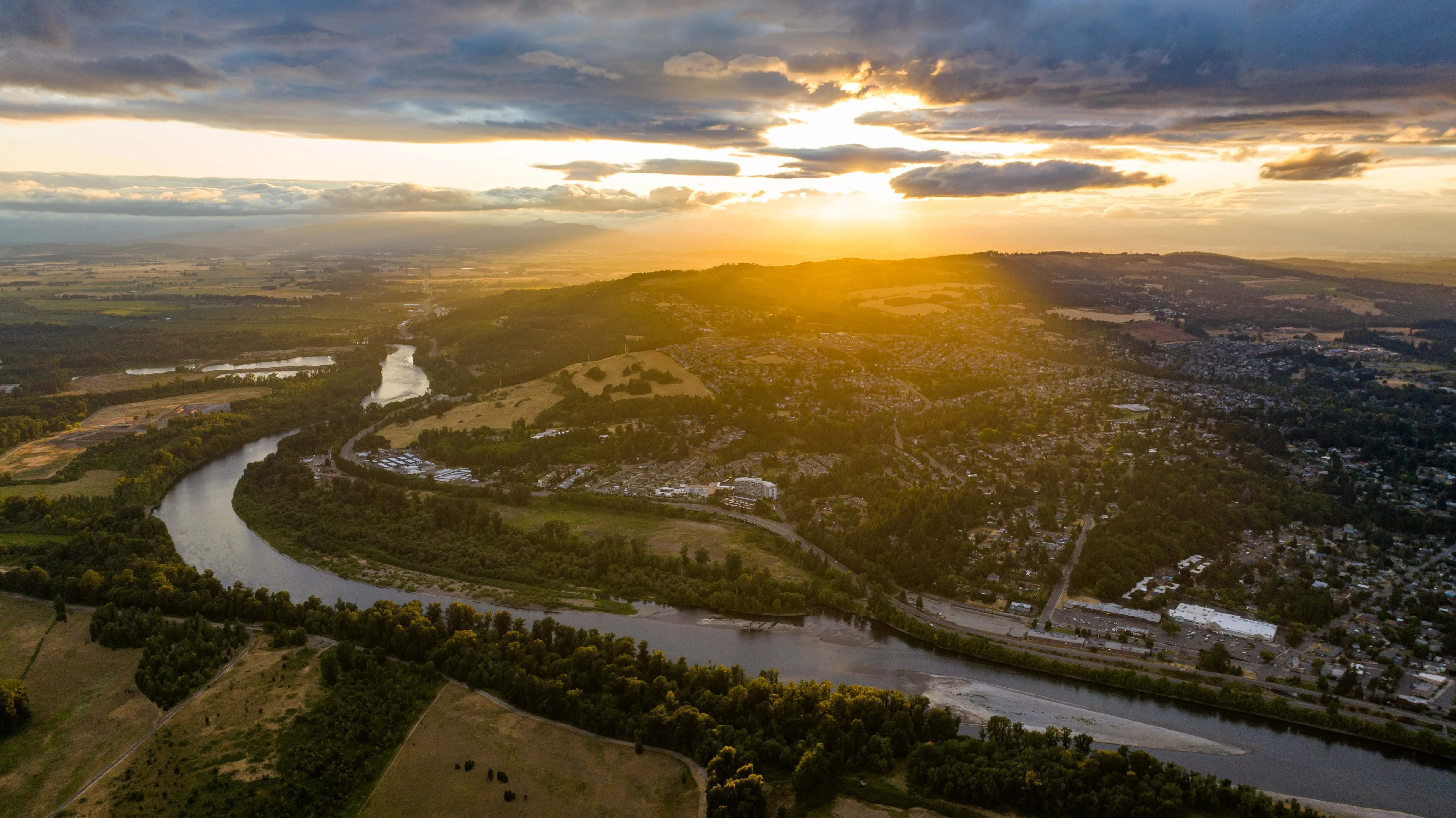
Local Expert Takeaway: If you're choosing between Turner's different residential zones, the Turner Lake area and the Mill Creek Corridor consistently offer the best combination of natural amenity, established neighborhood feel, and realistic pricing in the $440,000–$560,000 range — but always check the flood zone status before closing on a Mill Creek-adjacent parcel. For buyers with luxury budgets, Enchanted Ridge is genuinely the mid-valley's most distinctive gated option, but plan for a custom-build timeline and budget accordingly. And if you're relocating from out of state with a need to rent first, be realistic: Turner proper will not solve that problem, and anchoring your search to south Salem's apartment corridors is the smarter interim play.
What are the best neighborhoods in Turner, Oregon for families?
Families consistently gravitate toward the residential cluster near Cascade School District facilities and the Turner Lake area, both of which offer owner-occupied streets, low crime (1.7 violent incidents per 1,000 residents), and easy access to the district's highly rated schools. The South Turner subdivisions are also popular with households that want newer construction and HOA-maintained streets.
Is Turner, Oregon a good place to buy a home in 2026?
For buyers who have done the research, Turner offers a compelling combination: a citywide median sold price meaningfully below Salem's urban core, a B+ rated school district, and a 26-minute commute to one of Oregon's largest government employment centers. The market is relatively thin on inventory — sometimes as few as six homes listed at once — which means buyers need to move decisively when the right property appears.
How does Turner compare to nearby cities like Aumsville or Stayton for real estate?
Turner sits closer to Salem than either Aumsville or Stayton, which makes it the most commuter-convenient of the three for Salem-area workers. Its housing prices are broadly comparable to Aumsville and slightly below Stayton's more established market, but Turner's school district rating and the presence of distinctive options like Enchanted Ridge give it a range of buyer profiles that the other two towns don't match. For buyers who want the deepest rural character, Stayton edges ahead; for Salem commuter convenience, Turner wins.
Explore the full Turner series: The Ultimate Turner Relocation Guide · Is Turner Safe? · Cost of Living in Turner · Best Neighborhoods in Turner · Turner Schools & Family Life · Turner Youth Sports · Turner Parks & Recreation · Retiring in Turner · 1031 Tax-Deferred Exchange in Turner · Turner First-Time Homebuyers Guide · · Moving to Turner from California
Tell us what you need help with and we'll connect you with local resources.

About the Author
Todd Davidson is the founder of Living in Oregon and Living in Washington, where he publishes in-depth city guides, neighborhood resources, and local market insights covering more than 180 communities across the Pacific Northwest. While his background is in home financing and real estate, he created these digital platforms to help families research and compare regions before making a move.