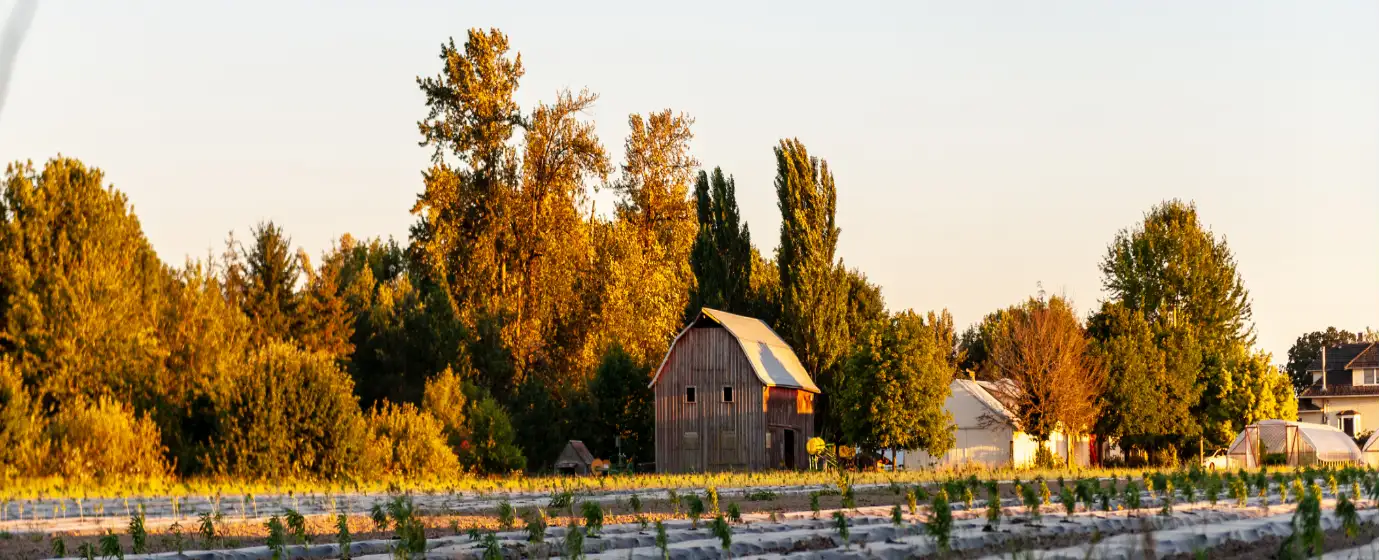
Willamette Valley · Oregon
Is Millersburg Safe? Crime Rates, Safest Neighborhoods & Local Reality (2026)
Millersburg doesn't show up on Oregon's statewide crime rankings — and that's not a red flag. It's actually the opposite. With a population just under 3,400, the city falls below the thresholds most ranking sites use, which means the aggregated data you'd find on a quick Google search typically reflects Albany, the much larger adjacent city. That distinction matters enormously for buyers who pull up crime maps and assume they're looking at Millersburg's numbers.
What the available data does show is a community that sits meaningfully apart from Albany's crime profile. The residential core is primarily owner-occupied, professionally employed households — a demographic makeup that consistently correlates with lower incident rates regardless of geography. The industrial corridor along I-5 introduces some considerations, but that zone operates quite separately from where people actually live.
This guide cuts through the data confusion, explains what the numbers mean in practice, names the specific areas that deserve attention, and compares Millersburg honestly against neighboring cities. If you're weighing a purchase here, you deserve a clearer picture than the aggregator sites provide.
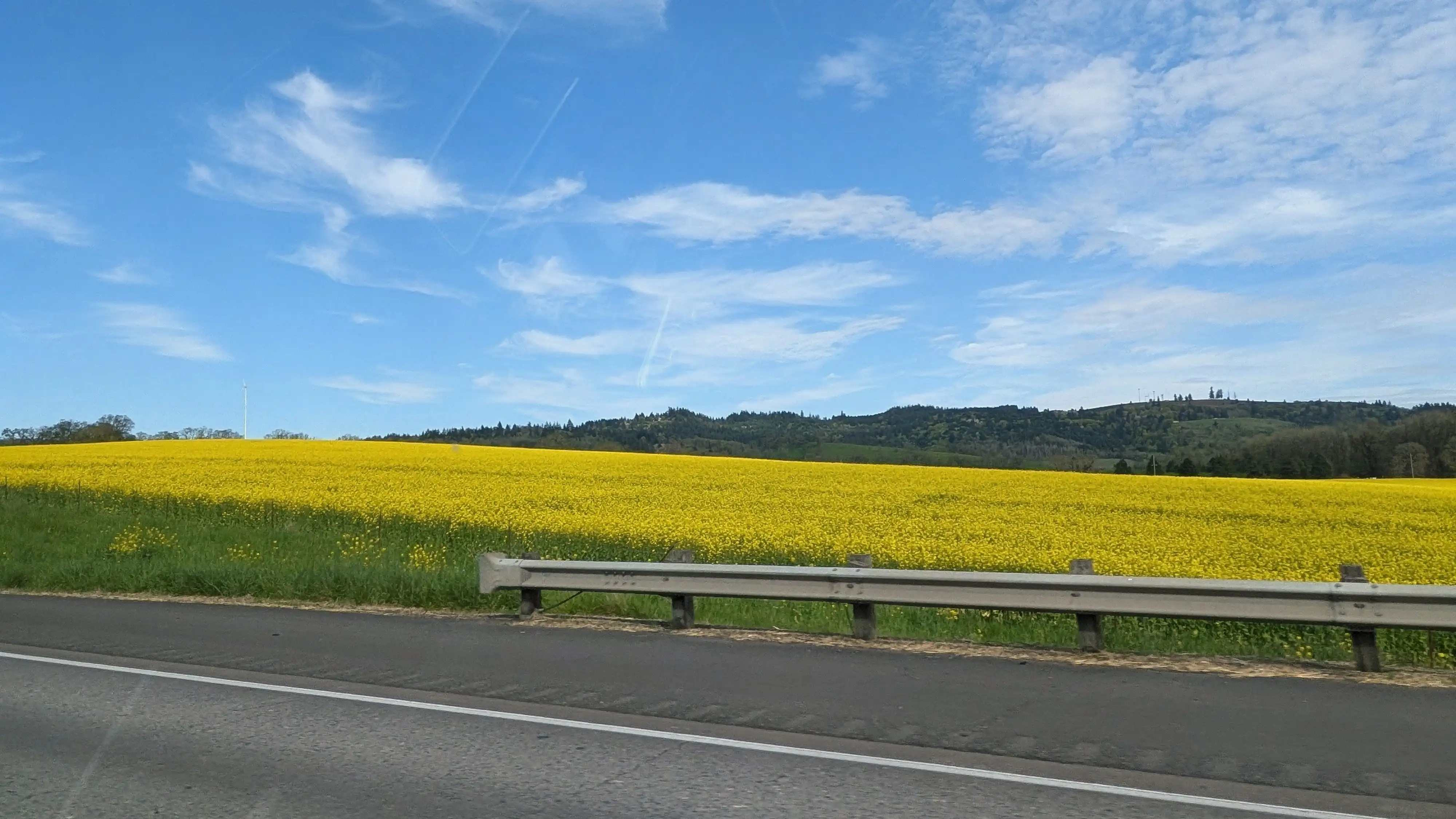
The most reliable Millersburg-specific figures come from FBI data compiled through AreaVibes — and they tell a more favorable story than Albany's well-documented crime numbers. Based on that dataset, the chance of becoming a victim of violent crime in Millersburg runs roughly 1 in 805, while the property crime odds land closer to 1 in 94. For context, Oregon's statewide violent crime rate sits around 4.08 per 1,000 residents — Millersburg's figures suggest a rate well below that benchmark. These are small-city statistics with inherently limited incident counts, so year-to-year fluctuations can swing percentages dramatically from a handful of additional cases. A reported 11% year-over-year increase in one dataset sounds alarming until you realize it may represent fewer than a dozen incidents total.
What structurally drives these low numbers isn't mysterious. Millersburg's residential areas are dominated by newer construction, owner-occupied single-family homes, and households with high homeownership stakes — factors that reliably suppress both property and violent crime. NeighborhoodScout data places the community among the top 7.1% of family-oriented neighborhoods in Oregon, and the vacancy rate hovers around 1.6%, lower than roughly 88% of U.S. neighborhoods. Tight housing inventory means transient populations are minimal, which matters more than most buyers realize.
Oregon as a whole carries a property crime rate about 35% above the national average — fifth highest in the country — which sets a challenging statewide backdrop. Millersburg's numbers, while not immune to that regional pressure, appear substantially better than both the state average and neighboring Albany, where the overall crime rate runs approximately 20 incidents per 1,000 residents.
Violent incidents are genuinely rare here, with the 1-in-805 odds placing Millersburg well below Oregon's state rate based on available 2022 FBI figures. In practical daily terms, this translates to a neighborhood where residents routinely leave garage doors open, let kids play outside unsupervised, and walk the park trail at dusk without a second thought. The professional demographic — roughly 45% of working residents hold executive, management, or professional roles — contributes to a community environment that doesn't experience the economic stress correlated with higher violent crime rates.
Property crime is where most buyers should focus their attention, and it clusters predictably near the I-5 corridor rather than in the residential subdivisions. Opportunistic theft and vehicle break-ins tend to track commercial and truck stop traffic, and the Loves Truck Stop area near the freeway sees the type of transient activity common to any high-volume interstate commercial zone. The southern residential areas and planned subdivisions farther from that corridor see considerably less of this activity. What locals do as a matter of habit: don't leave valuables visible in parked cars near the commercial strip, and be aware that the boundary zone near Talking Water Gardens — technically straddling Millersburg and Albany — has seen some encampment-related incidents in recent years.
The planned neighborhoods that make up Millersburg's residential core — sitting east of the freeway and away from the commercial strip — represent the city at its quietest. These are newer subdivisions with good sight lines, active HOA oversight in many cases, and the kind of neighborly familiarity that informally deters property crime. Residents here typically know their neighbors well enough to notice when something is out of place. Best for: Buyers prioritizing peace of mind and neighborhood cohesion.
This isn't a residential neighborhood, but it borders one, and buyers near the freeway frontage should understand what that means. The Loves Truck Stop draws interstate traffic around the clock, and the commercial density along this strip sees the bulk of whatever property crime Millersburg records. Homes on the western edge of the city closest to this zone experience more ambient noise and occasional non-resident activity than the quieter residential interior. Best for: Commercial operators and buyers who can negotiate the right price for a freeway-adjacent lot, understanding the trade-off.
The area immediately surrounding the city's two major industrial employers is zoned accordingly — these facilities don't sit inside residential blocks. That separation is intentional and effective. Workers commuting in and out create predictable traffic patterns rather than unpredictable foot traffic, and the industrial campus zones are secure by design. Nearby residential streets benefit from the steady employment these facilities provide without experiencing industrial-adjacent crime patterns. Best for: Buyers who work at one of these facilities and want a short commute with residential calm.
The streets surrounding Millersburg City Park represent the community's most socially active residential zone. Families with school-age children concentrate here, park usage is high, and the informal "eyes on the street" effect is strong. The park itself is a gathering point rather than an isolated green space, which matters for safety perception and reality both. Best for: Families with younger children who want walkable access to recreational space within a tight-knit street environment.
This is the one area that warrants specific awareness. The Talking Water Gardens facility sits near the Albany/Millersburg boundary, and in early 2025, the Sheriff's Office and Albany PD conducted a joint cleanup operation at the Simpson Park property north of the gardens at 733 NE Waverly Drive — a response to encampment activity that had generated assault, fire, stolen property, and drug-related complaints. Homes in Millersburg proper are not at the epicenter of this activity, but buyers near the southern boundary with Albany should understand that this corridor requires ongoing attention. The situation is being actively managed, but it's the specific location most worth researching before making an offer in that immediate area. Best for: Buyers who do their homework on current conditions before purchasing near the southern city boundary.
The quietest and most insulated residential streets in Millersburg sit along the northern perimeter, farthest from both the I-5 corridor and the Albany boundary zone. These tend to be larger lots with more mature landscaping, and the combination of distance from commercial activity and strong ownership rates keeps incident levels minimal. Best for: Buyers who want maximum residential tranquility and are comfortable with longer drives to commercial amenities.
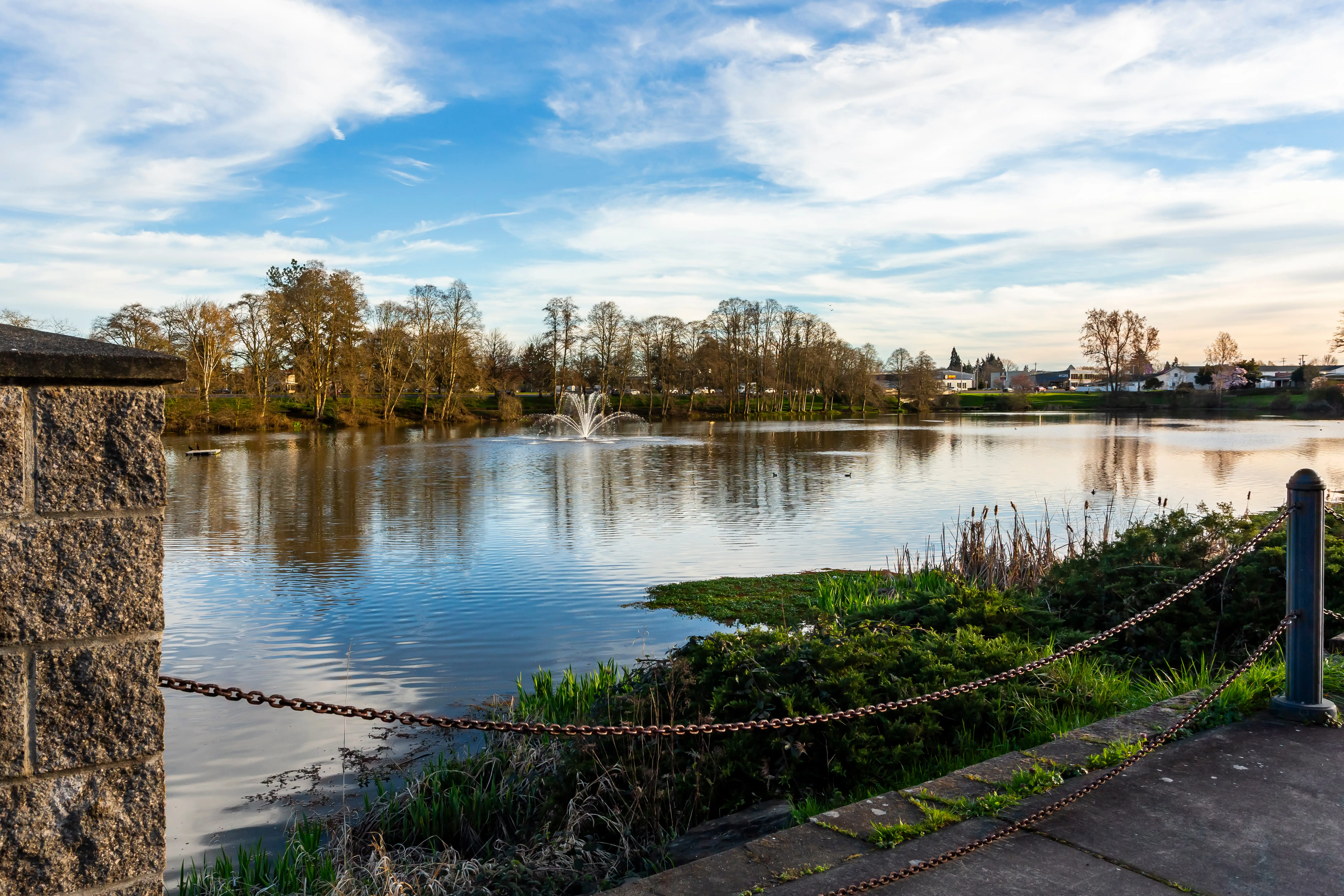
| City | Violent Crime/1K (est.) | Property Crime/1K (est.) | Overall Safety Profile |
|---|---|---|---|
| Millersburg | ~1.2 | ~10.6 | Well below regional average; low density, high ownership |
| Albany | ~2.0 | ~18.0 | Above average; higher than 79% of OR cities |
| Corvallis | ~2.5 | ~30.0 | University city dynamics; moderate-high property crime |
| Lebanon | ~3.5 | ~22.0 | Elevated; higher transient activity than Millersburg |
| Salem | ~5.0 | ~40.0 | Urban crime profile; significantly higher across all categories |
| Jefferson | ~1.5 | ~8.0 | Small rural town; comparable low-crime profile to Millersburg |
Looking to buy in Millersburg? Estimate your payment.
Enter your numbers to see an estimated monthly mortgage payment.
Estimate only. Excludes HOA fees and mortgage insurance.
Crime apps and national aggregators routinely misrepresent Millersburg because the city's small population means its data either gets bundled with Albany's or flagged as statistically incomplete. If you pull up a map on SpotCrime or NeighborhoodScout and see elevated indicators near Millersburg, look carefully at which ZIP code zone is generating those pins — much of what appears is Albany activity bleeding into the 97321 ZIP code boundary. Locals who've lived here for any length of time know this distinction viscerally, and it's the first thing they'll tell a new neighbor who panics at the data.
The practical precautions Millersburg residents take are modest and routine rather than urgent. Locking cars overnight is a habit worth keeping near the commercial corridor. The Talking Water Gardens area — beautiful for a weekend walk — is worth visiting earlier in the day rather than after dark, particularly near the Albany boundary side. And while the Linn County Sheriff's Office patrol coverage is real and responsive, the contracted hours model means response times in the residential interior may run slightly longer than a city with its own full-time department. Most residents report this has never been a meaningful issue, but it's worth knowing if immediate response time is a priority for you.
The broader context that matters most: Millersburg sits in a county and state dealing with the aftermath of Measure 110's decriminalization era, which ran from 2021 through mid-2024 and accelerated visible drug activity across Oregon. The August 2024 recriminalization has begun to shift patterns, and the Simpson Park cleanup reflects active enforcement rather than neglect. The city's insulated residential design — planned subdivisions with limited through-traffic — means residents experience far less of Oregon's statewide property crime pressure than the numbers might suggest at first glance.

Local Expert Takeaway: For buyers choosing between a home in Albany and a comparable home in Millersburg, the crime differential alone often justifies the price gap. Prioritize streets east of the freeway and away from the Waverly Drive boundary zone — the planned subdivisions near Millersburg City Park and the northern perimeter deliver the city's strongest safety-to-value combination. If you're looking at anything near the southern boundary with Albany, pull current Sheriff's Office reports for that specific parcel area before making an offer.
✅ Millersburg's residential core is among the safer communities in the Willamette Valley — newer construction, high ownership rates, and a professional demographic create conditions that structurally suppress crime.
⚠️ The Talking Water Gardens / Waverly Drive boundary zone has seen documented encampment activity and associated incidents — buyers near the southern Albany border should research current conditions before purchasing.
📍 Millersburg's crime data is frequently confused with Albany's — always verify which city's numbers you're actually reading before drawing conclusions from aggregator sites.
Is Millersburg a safe place to live?
Yes, based on available data Millersburg consistently outperforms both Albany and Oregon statewide averages on violent crime indicators. The residential subdivisions east of I-5 are quiet, family-oriented neighborhoods with high ownership rates and minimal transient activity — the profile that typically correlates with low incident rates regardless of broader regional trends.
Does Millersburg have its own police department?
No — Millersburg contracts with the Linn County Sheriff's Office for 153 hours of dedicated patrol coverage per month. The LCSO maintains a substation in Millersburg, and Sheriff Michelle Duncan personally lives in the community. For emergencies, call 911; for non-emergency issues, the LCSO non-emergency line is 541-967-3950.
How does Millersburg compare to Albany for safety?
The difference is significant. Albany's overall crime rate runs roughly 20 incidents per 1,000 residents and ranks higher in crime than approximately 79% of Oregon cities. Millersburg's estimated figures are considerably lower across both violent and property categories — a gap large enough that many buyers with Albany-adjacent budgets make the deliberate choice to purchase in Millersburg specifically because of it.
Explore the full Millersburg series: The Ultimate Millersburg Relocation Guide · Is Millersburg Safe? · Cost of Living in Millersburg · Best Neighborhoods in Millersburg · Millersburg Schools & Family Life · Millersburg Youth Sports · Millersburg Parks & Recreation · Retiring in Millersburg · 1031 Tax-Deferred Exchange in Millersburg · Millersburg First-Time Homebuyers Guide · · Moving to Millersburg from California
Tell us what you need help with and we'll connect you with local resources.

About the Author
Todd Davidson is the founder of Living in Oregon and Living in Washington, where he publishes in-depth city guides, neighborhood resources, and local market insights covering more than 180 communities across the Pacific Northwest. While his background is in home financing and real estate, he created these digital platforms to help families research and compare regions before making a move.