
I'm Gary Trenner II, a broker with Coastal Sotheby's International Realty, and I've been working Oregon Coast real estate since 1994. My background runs across residential sales, renovation projects, investment property, and development — not just listing and selling, but understanding what makes a coastal property worth owning long-term.
Florence has been part of my territory for the better part of three decades. I've watched this town shift from a quiet timber-era community to one of the more sought-after retirement destinations on the Oregon Coast — and I've worked transactions across Old Town, the beach corridor, the south Florence Dune City area, and everything in between. I know where the value pockets are and where buyers consistently overpay.
My approach here is straightforward: I'd rather tell you something inconvenient upfront than have you figure it out six months after closing. Florence is not the right fit for every buyer, and the neighborhoods within it are not interchangeable.
In this post, I'll walk you through the neighborhoods that matter most right now, what different budgets actually get you, and who Florence genuinely fits — and who should probably keep looking up or down the coast.
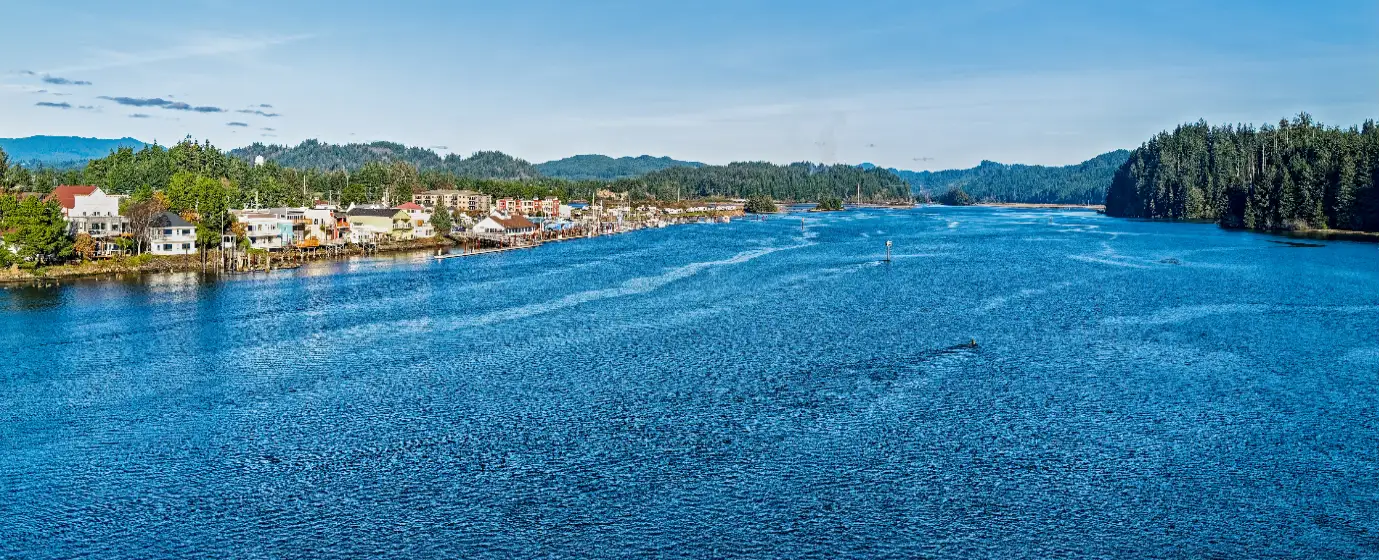
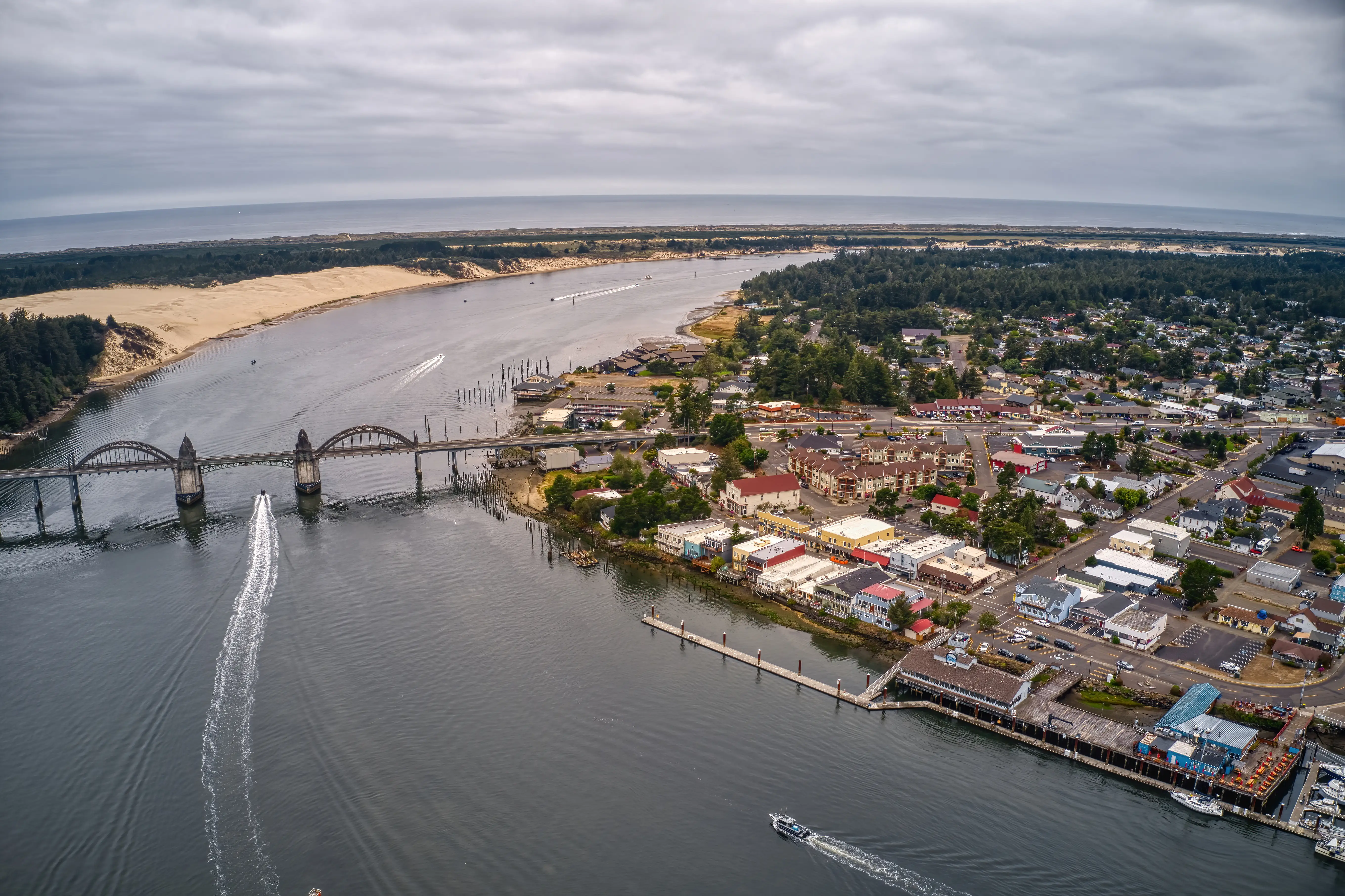
Old Town Florence sits along Bay Street on the Siuslaw River and is the most walkable part of the city by a significant margin. On a Friday evening you can walk from dinner at one of the riverfront restaurants to a gallery opening without moving your car — that's rare on the Oregon Coast. Properties here run the range from river-view condos to older homes on small lots, and most of what sells lands in the middle tier ($350K–$550K), though inventory is thin because vacation rental demand keeps a meaningful share of the stock off the long-term market.
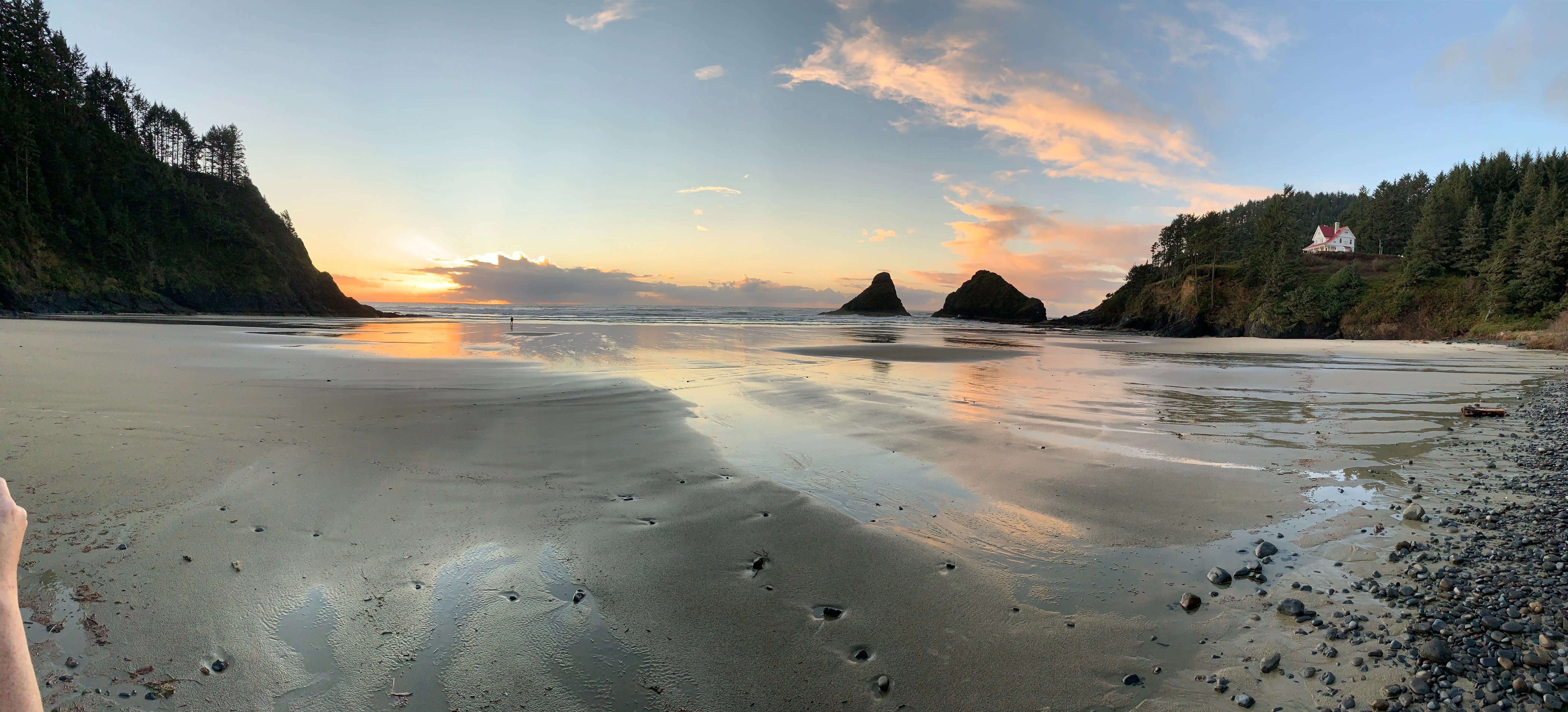
Heceta Beach sits north of the city limits along the coast and draws buyers who want to be within reach of Florence without paying city prices. Weekend mornings here are quiet — tide pools, beach walks, and the kind of fog-draped light that photographers come from Portland to shoot. The beach corridor has held strong at a median closer to $498K, putting it firmly in the middle tier, and price-per-square-foot runs higher than the city proper because you're paying for proximity to the water.
South Florence / Dune City area is where I point buyers who want privacy, elbow room, and a larger parcel without leaving the Florence orbit entirely. This is acreage and hobby-farm territory — you might have a greenhouse, a pole barn, and a view of the dunes from your back fence. It's been one of the stronger-performing sub-markets in recent years, with median pricing that pushes into the top tier ($550K+), driven by buyers who specifically want what the city core can't offer.
Woahink Lake is one of those addresses that surprises buyers who haven't spent time on this stretch of 101. The lake sits adjacent to Jessie M. Honeyman Memorial State Park, and in the summer the kayaking and paddleboarding is genuinely world-class — you're on the water inside a state park, minutes from the dunes. Lakefront and lake-access properties here pull toward the top of the market, but the neighborhood around it offers middle-tier options for buyers who want the setting without the waterfront premium.
Bayshore appeals to the buyer who wants a quieter residential feel with easy access to the river and the commercial core. It's not a waterfront neighborhood, but you're close enough to the Siuslaw that the estuary light and bird life are a genuine part of daily life. Most of what trades here lands in the entry-to-middle tier (under $400K up to around $500K), and it tends to attract buyers who are done with yard work but want a real house, not a condo.
Three Mile Prairie sits east of the city core and offers larger lots in a more open, rural-edge setting. Buyers here often have a workshop, a dog run, or space for an RV — the kind of property that doesn't exist inside Florence's city limits at this price. It fits the entry-to-middle tier and is worth a serious look from buyers who come in with a number under $450K and find the city-limit inventory frustrating.
The biggest mistake I see is buyers treating Florence as a single market. It isn't — the city core, the beach corridor north of town, and the south Florence / Dune City area behave differently enough that the citywide median tells you almost nothing about what you'll actually pay for a specific property type in a specific location.
A second common error: buyers from California or the Seattle area see Florence's overall median — in the $460K–$488K range as of mid-2026 — and assume they're getting a coastal bargain with no catch. The catch is that well-maintained, move-in-ready homes priced correctly go quickly, while overpriced or deferred-maintenance properties can sit for months. National sites are a useful starting point, but they don't always capture what's happening street by street here.
The third thing buyers get wrong is underestimating the Eugene commute. Sixty minutes on a map looks manageable — and it is, if you're making the drive once a week. But Highway 126 over the Coast Range is a winding two-lane road with weather delays in winter, no alternate route, and no margin for error if you're timing a school pickup or a hospital shift. Buyers who plan to commute more than two or three days a week need to drive that road before they decide, not after.
| Budget | What You'll Typically Find | Where to Look |
|---|---|---|
| Under $400K | Older 2–3 bed homes, smaller lots, some deferred maintenance; manufactured homes on land | Three Mile Prairie, Bayshore, North of city limits |
| $400K–$550K | 3 bed / 2 bath, 1,400–1,800 sq ft, standard residential lots; condos with river or partial coastal views | Old Town, Bayshore, Heceta Beach corridor |
| $550K+ | Larger homes, acreage, lakefront or dune-adjacent parcels; newer construction | South Florence / Dune City, Woahink Lake, Heceta Beach waterfront |
Florence sits in balanced-to-slightly-soft territory right now — not a seller's market, not a buyer's market either. Homes are averaging around 82–89 days on market across the city and broader ZIP, which gives buyers meaningful time to think and negotiate, a significant shift from the frantic pace of 2022. The one area that's been bucking the trend is the price-per-square-foot figure, which rose 7.1% year over year as of early 2026 — buyers are paying more per foot even as days on market stretched, which reflects the ongoing shortage of well-maintained, correctly-priced inventory rather than any broad appreciation surge.
Florence is a genuine fit for people who are done with urban pace and want a walkable small-town core with serious outdoor access — the dunes, the river, the coast, Honeyman State Park — all within a few miles. It's also one of the more affordable coastal Oregon options for retirees on a fixed income, particularly given the property tax rate of 0.67%, which helps buyers model their long-term carrying costs with some confidence.
It's a weaker fit for families with school-age children who need a strong academic environment as a top priority. The Siuslaw School District is functional and community-oriented, but it carries a B- rating and is a smaller system than what most families relocating from metro areas are used to. Buyers with kids who need specialized programs or a highly competitive academic track should look seriously at Newport to the north or factor in a Eugene-area home instead.
Buyers coming from California, Arizona, and the Pacific Northwest metro areas consistently underestimate how much the retirement demographic shapes Florence. The median age here is just over 60, and that shows up in everything from the pace of the town to the types of businesses that thrive downtown. Buyers who move here expecting a younger, more energetic small-city feel sometimes find the adjustment takes longer than anticipated.
The other thing that catches out-of-state buyers off guard is the short-term rental market's effect on inventory. Particularly in Old Town and the Heceta Beach corridor, a meaningful share of the residential stock that could be long-term housing has been absorbed into the vacation rental economy. Buyers who expect to find a wide selection of turnkey properties in the most desirable locations discover the options are thinner than the overall inventory numbers suggest — and that competition for the right property, when it does appear, can still be meaningful even in a balanced market.
| City | Schools | Commute to Eugene | How It Compares |
|---|---|---|---|
| Florence | B- (Siuslaw SD) | ~60 min (Hwy 126) | Affordable coastal base; balanced market; strong retirement draw |
| Yachats | Not rated (tiny district) | ~90 min | Higher prices, smaller inventory, more boutique feel |
| Newport | B (Lincoln City SD / Newport area) | ~100 min | Larger city, more services, stronger school options |
| Reedsport | C (Umpqua SD) | ~90 min | More affordable, fewer amenities, softer market |
| Coos Bay | C+ (Coos Bay SD) | ~130 min | Larger population, more commercial, lower price point |
| Mapleton | Small/unrated | ~35 min | Rural, riverfront, much lower prices; limited services |
Is Florence more affordable than Newport? Yes, in most cases. Florence's median runs in the $460K–$488K range currently, and you'll generally find more inventory in the middle tier ($400K–$550K) than you will in Newport at comparable quality. Newport carries a modest premium driven by its larger employment base and slightly stronger school ratings.
Which Florence neighborhoods make the most sense for buyers with a Eugene commute? If you're making the Highway 126 drive regularly, staying on the east side of town shortens the run by a few minutes and keeps you away from the beach corridor traffic in summer. Three Mile Prairie and the areas east toward Mapleton are worth looking at — though I'll be direct: if you're commuting to Eugene more than two or three days a week, evaluate your quality of life carefully before committing.
What does the middle tier actually buy in Florence right now? In the $400K–$550K range as of mid-2026, you're typically looking at a 3-bedroom, 2-bath home in the 1,400–1,800 square foot range, likely built in the 1990s or early 2000s, on a standard residential lot. Move-in-ready and updated at that price point is possible, but you'll compete for it. Deferred maintenance and cosmetic updates are more common in this tier.
Is Florence a good market for a vacation rental investment? It has been, and the short-term rental demand in Old Town and Heceta Beach remains real. But lane County regulations and HOA rules vary, and not every property or neighborhood allows short-term rentals — that's a due diligence item that needs to be confirmed before you close, not assumed.
How does Florence's property tax compare to the rest of Oregon? At 0.67%, Florence's effective property tax rate is on the lower end for Oregon, and it's genuinely meaningful when you're modeling the long-term cost of ownership on a $450K–$500K home. That's roughly $3,000–$3,300 per year, which compares favorably to many California and Washington markets buyers are relocating from.
If you're serious about Florence, drive Highway 126 at least once before you make an offer — ideally on a winter weekday, not a July Sunday. Then walk Bay Street on a Tuesday morning when it's not tourist season and see if that's the pace you're actually looking for. The buyers who end up happiest here did that kind of ground-level homework before they fell in love with a listing.
What I've learned after working this coast for three decades is that the buyers who settle in well here aren't the ones who got the best price or found the best school metrics — they're the ones who genuinely wanted what Florence is, not a version of it they imagined. The dunes, the river, the fog, the small-town rhythm, the two-lane drive that keeps the rest of the world at a useful distance — that's the actual product. When that fits who you are, Florence tends to stick.
If you're thinking about a move to Florence and want a straight conversation about what's actually available and what it will realistically cost you, I'd be glad to talk it through.
Explore the full Florence series: The Ultimate Florence Relocation Guide · Is Florence Safe? · Cost of Living in Florence · Best Neighborhoods in Florence · Florence Schools & Family Life · Florence Youth Sports · Florence Parks & Recreation · Retiring in Florence · 1031 Tax-Deferred Exchange in Florence · Florence First-Time Homebuyers Guide · · Moving to Florence from California · The Florence Realtor's Perspective
Check Out the Oregon Coast Rankings: Oregon Coast Cost of Living — All 16 Cities Ranked · Best Places to Retire on the Oregon Coast · Best Oregon Coast Cities for Families · Best Oregon Coast Cities for Remote Workers · Oregon Coast Real Estate Market Report 2026 · Oregon Coast vs. Washington Coast