
Portland Metro · Oregon
Retiring in West Linn: Is It the Right Fit for Your Next Chapter? (2026)
West Linn doesn't do retirement the same way most Oregon suburbs do. With a median home price of $738,000 and hills that can challenge even an active retiree's knees, this isn't the path-of-least-resistance choice. But for the right person — someone who wants genuine natural beauty, strong infrastructure, low crime, and a community that actually functions — it's one of the most compelling places in the entire Portland metro to spend the next chapter.
The retiree who thrives here tends to be financially comfortable, physically active enough to enjoy trail access and river views, and not dependent on walkable errands or a car-free lifestyle. Nearly one in five West Linn residents is already 65 or older, which means you're joining an established retiree community, not pioneering one. The schools, parks, and civic institutions that families built here also serve seniors well — the trails, the community events, the relative safety.
This guide covers what retiring in West Linn actually looks like in 2026: the tax picture, the healthcare options within reach, what senior living communities are available, how daily life works without a commuter's schedule, and how West Linn stacks up against the retirement alternatives most people are weighing at the same time.
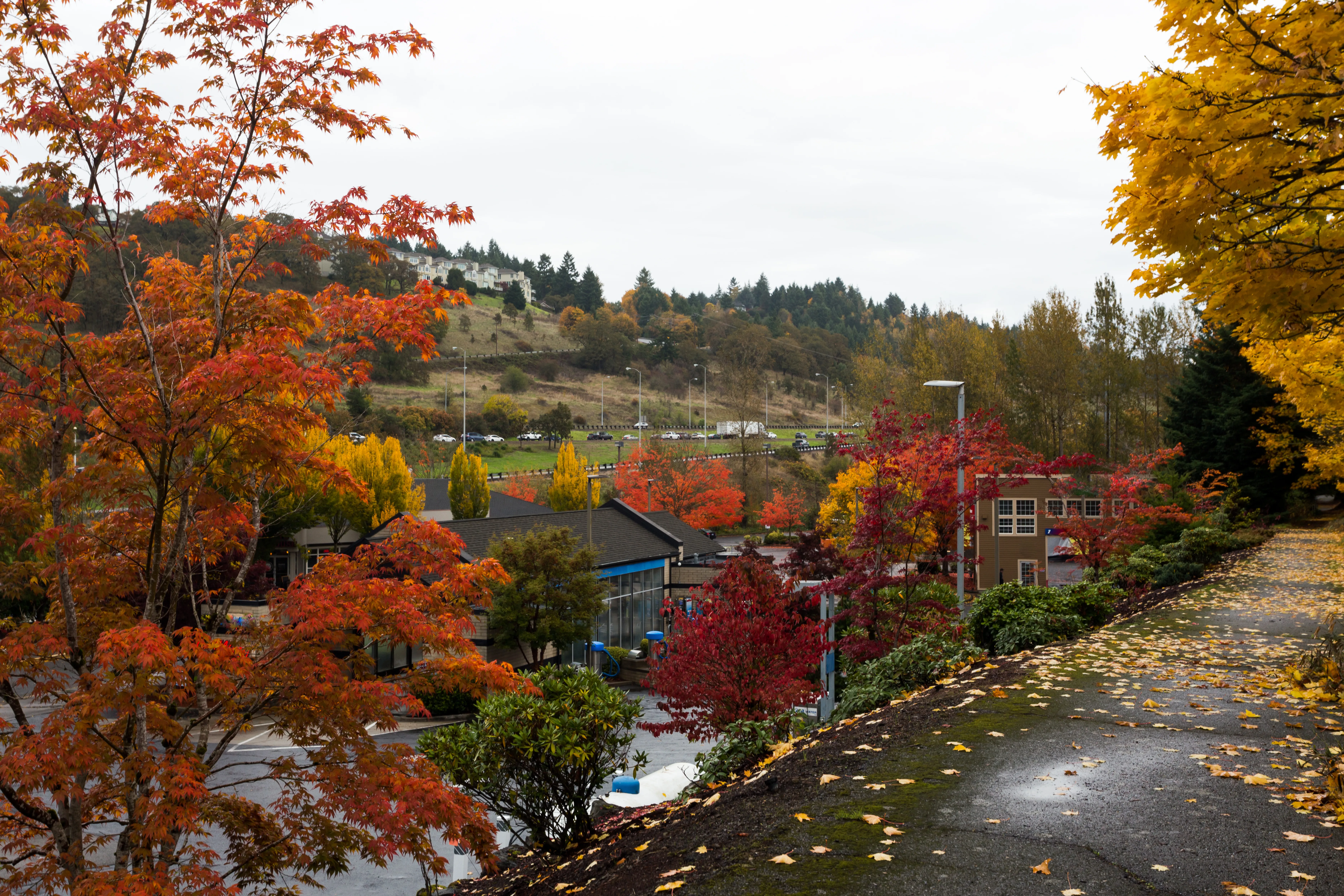
Oregon's tax treatment of retirement income is one of the most retiree-friendly structures in the Pacific Northwest — though it comes with a few important nuances that can shape a budget significantly.
| Income Type | Oregon Tax Treatment |
|---|---|
| Social Security Benefits | Not taxed by Oregon, regardless of income level |
| Federal Pension Income | Taxable as ordinary income; partial credit available |
| Private Pension / 401(k) | Taxable as ordinary income |
| IRA Distributions | Taxable as ordinary income |
| Oregon Public Pension (PERS) | Partially taxable depending on contribution history |
| Investment Income / Capital Gains | Taxed as ordinary income (Oregon top rate: 9.9%) |
| Property Tax | 1.06% effective rate; deferral program available for qualifying seniors |
| Sales Tax | None — Oregon has no sales tax |
The absence of Social Security taxation is the headline benefit, and for retirees drawing primarily from Social Security, it represents real money — potentially several thousand dollars annually that stays in your pocket compared to states that tax those benefits fully. The downside is that Oregon taxes most other retirement income at standard income tax rates, which can climb steeply for retirees with substantial 401(k) or IRA withdrawals. If your income picture is top-heavy with investment distributions, Washington State's lack of income tax makes certain communities just across the river mathematically attractive by comparison.
Oregon's property tax deferral program for seniors is genuinely underutilized and worth understanding before you close on a home here. Qualifying homeowners 62 or older with household income under a state-set threshold can defer property taxes until the home is sold or transferred, with the state charging a low interest rate on the deferred amount. On a $738,000 home at West Linn's 1.06% rate, that's roughly $7,820 annually that a qualifying homeowner could defer rather than pay out of pocket each year. For retirees on fixed incomes who own their home outright, this program can meaningfully change the monthly cash flow picture.

West Linn is one of those markets where the retirement opportunity often surprises buyers who've been focused only on Lake Oswego. Over the past couple of years, I've worked with several retiring couples who initially assumed West Linn was out of reach, then discovered that certain neighborhoods — particularly Marylhurst and Robinwood — offer homes in the $650,000 to $750,000 range with single-level floor plans and mature landscaping that genuinely suits a slower-paced lifestyle. The inventory of ranch-style and one-story homes isn't enormous, but it exists, and buyers willing to be patient find it.
What I see buyers consistently underestimate is how much the topography matters in retirement. West Linn is hilly — meaningfully so — and a home that feels perfect on a Tuesday afternoon tour can feel very different after three years of navigating a steep driveway in January rain. I always encourage my retiring clients to visit properties on a wet day, look carefully at the grade between the garage and the front door, and think about what mobility might look like in five or ten years, not just today. The neighborhoods with the flattest terrain — Tanner Basin, parts of Robinwood near Willamette — tend to hold their value especially well with the 65-and-older buyer pool. If you're considering West Linn and want insight into which neighborhoods align with your priorities and budget, I'd welcome the opportunity to share what I've learned from helping hundreds of families make this move successfully.
Providence Willamette Falls Medical Center in Oregon City — roughly three miles from most West Linn addresses — is the closest acute care hospital and the one most residents rely on for non-emergency care and specialist visits. Located at 1500 Division Street, it's Joint Commission-accredited, operates around the clock, and has earned recognition for both Patient Safety and Critical Care Excellence. Its imaging suite covers MRI, CT, ultrasound, mammography, X-ray, and nuclear medicine, which covers the full range of diagnostic needs most retirees encounter regularly. Primary specialties lean toward Emergency Medicine and Internal Medicine, making it a strong everyday hospital.
Legacy Meridian Park Medical Center in Tualatin, about seven miles away at 19300 SW 65th Avenue, is where the depth of specialty care expands meaningfully. Its 128-bed facility carries high-performing U.S. News designations across cardiac care, stroke, joint replacement, and back surgery — exactly the specialties that matter most to retirees. An 88% patient recommendation rate is among the strongest in the region. For anyone managing a cardiac condition or facing an orthopedic procedure, the drive to Tualatin is worth building into your planning.
For the most complex cases — major oncology, neurosurgery, transplant — OHSU (Oregon Health & Science University) sits roughly 15 miles north in Portland. It's Oregon's only academic medical center and Level I Trauma Center, meaning procedures that require cutting-edge intervention or clinical trials are accessible within a manageable drive. Locally, Providence Primary Care West Linn at 18670 Willamette Drive provides primary care inside city limits, and the West Linn VA Clinic serves veterans with counseling, physical therapy, and occupational therapy services.
West Linn has roughly 21 licensed senior care facilities operating within city limits, ranging from large assisted living communities to small residential adult foster homes. The breadth of options is broader than most people expect from a city this size.
| Community | Type | Location | Est. Monthly Cost |
|---|---|---|---|
| Tanner Spring Assisted Living | Assisted Living + Memory Care | West Linn, 97068 | $4,500–$7,500 |
| Rose Linn Care Center | Long-Term / Skilled Nursing | West Linn, 97068 | $6,000–$9,500 |
| Rose Linn Vintage Place | Assisted Living | West Linn, 97068 | $4,000–$6,500 |
| Adult Foster Homes (multiple) | Residential Foster Care (2–5 residents) | Various addresses, 97068 | $3,000–$5,500 |
| Mary's Woods | CCRC / Life Plan Community | Lake Oswego (adjacent) | $4,500–$9,000+ |
| The Stafford Retirement Community | Assisted Living / Care | Tualatin (~7 mi) | $4,000–$7,000 |
For retirees who want the continuum-of-care model — independent living now, with assisted living and memory care built into the same campus — Mary's Woods in Lake Oswego is the regional benchmark. Situated on 40 acres just north of the West Linn border, it was recognized by local readers as both the Best Independent Living community and Business of the Year for 2026. Many West Linn homeowners treat it as their planned next step, knowing it's minutes away rather than across town.

🌅 Portland Metro: Best Places to Retire
Wondering how West Linn compares to all 15 Portland Metro suburbs for retirees? Our complete rankings guide covers every suburb — walkability, healthcare access, cost of living, quiet livability, and retirement lifestyle side by side.
See the Full Portland Metro Best Places to Retire Rankings →Looking to buy in West Linn? Estimate your payment.
Enter your numbers to see an estimated monthly mortgage payment.
Estimate only. Excludes HOA fees and mortgage insurance.
The honest version of daily life in West Linn retirement starts with one practical reality: you will need a car. The city's terrain and development pattern weren't designed around walkable errands, and there's no light rail or meaningful bus network that connects West Linn to Portland's cultural amenities. If driving isn't something you plan to do indefinitely, that needs to factor into your timeline for staying here.
That said, within those limits, the daily texture is genuinely appealing. Mary S. Young State Recreation Area offers 128 acres of forested trails directly accessible from the Willamette neighborhood, with flat riverside walking paths that make it one of the few places in the city where retirees with limited mobility can still get meaningful outdoor time. Camassia Natural Area — a Nature Conservancy-owned site in the Bolton area — is one of the most ecologically distinctive natural spaces in the entire Pacific Northwest, a short drive from most West Linn addresses. These aren't generic green spaces; they're places with real character that reward repeated visits across seasons.
For culture and community rhythm, West Linn's Tualatin River Festival and summer concerts at Fields Bridge Park draw consistent attendance from residents who've lived here for decades. The West Linn Public Library — a well-funded facility that reflects the city's educated, engaged population — runs active senior programming and serves as a genuine community gathering point on weekdays. The Market of Choice on Willamette Drive handles most grocery needs without a long drive, and the Robinwood commercial corridor adds pharmacy, coffee, and basic services close to the city's more affordable residential pockets.
What surprises most people after six months of retirement here is how often they end up on the trails rather than in town. The social life in West Linn tends to be outdoors-oriented and neighbor-driven rather than centered on restaurants and nightlife. For retirees coming from denser, more urban contexts, the adjustment can feel slow at first — but most report it's exactly what they were looking for once they settle in.
| City | Median Home Price | Nearest Hospital | Walkability | Senior Community Depth | Overall Fit for Retirement |
|---|---|---|---|---|---|
| West Linn | $738,000 | Providence Willamette Falls (3 mi) | Low | Moderate–High | Strong for active, car-independent retirees |
| Lake Oswego | ~$800,000+ | Providence Willamette Falls (5 mi) | Moderate | High (Mary's Woods) | Strong; more urban amenities |
| Oregon City | ~$460,000 | Providence Willamette Falls (on-site) | Low–Moderate | Moderate | Solid value; less polished feel |
| Tualatin | ~$520,000 | Legacy Meridian Park (on-site) | Low–Moderate | Moderate | Good hospital access; less scenic |
| Wilsonville | ~$495,000 | Legacy Meridian Park (12 mi) | Low | Moderate | Newer build quality; fewer hills |
| Milwaukie | ~$450,000 | Providence Milwaukie (on-site) | Moderate | Moderate | Most affordable; urban edge feel |
West Linn's closest competitor in the retirement conversation is typically Lake Oswego — and the comparison usually comes down to amenity density versus natural setting. Lake Oswego has more restaurants, better walkability around the lake, and a more developed senior infrastructure. West Linn has lower density, quieter streets, more trail access, and a slightly lower price point in certain neighborhoods. Buyers choosing between the two are rarely choosing wrong — they're choosing different versions of the same affluent, safe, well-resourced suburb.
Oregon City deserves more attention in this conversation than it gets. The median price is significantly lower, the hospital is practically on the doorstep, and the proximity to West Linn means you'd still be in the same service area. The trade-off is an older built environment and a less polished feel that some retirees find authentic and others find tired.
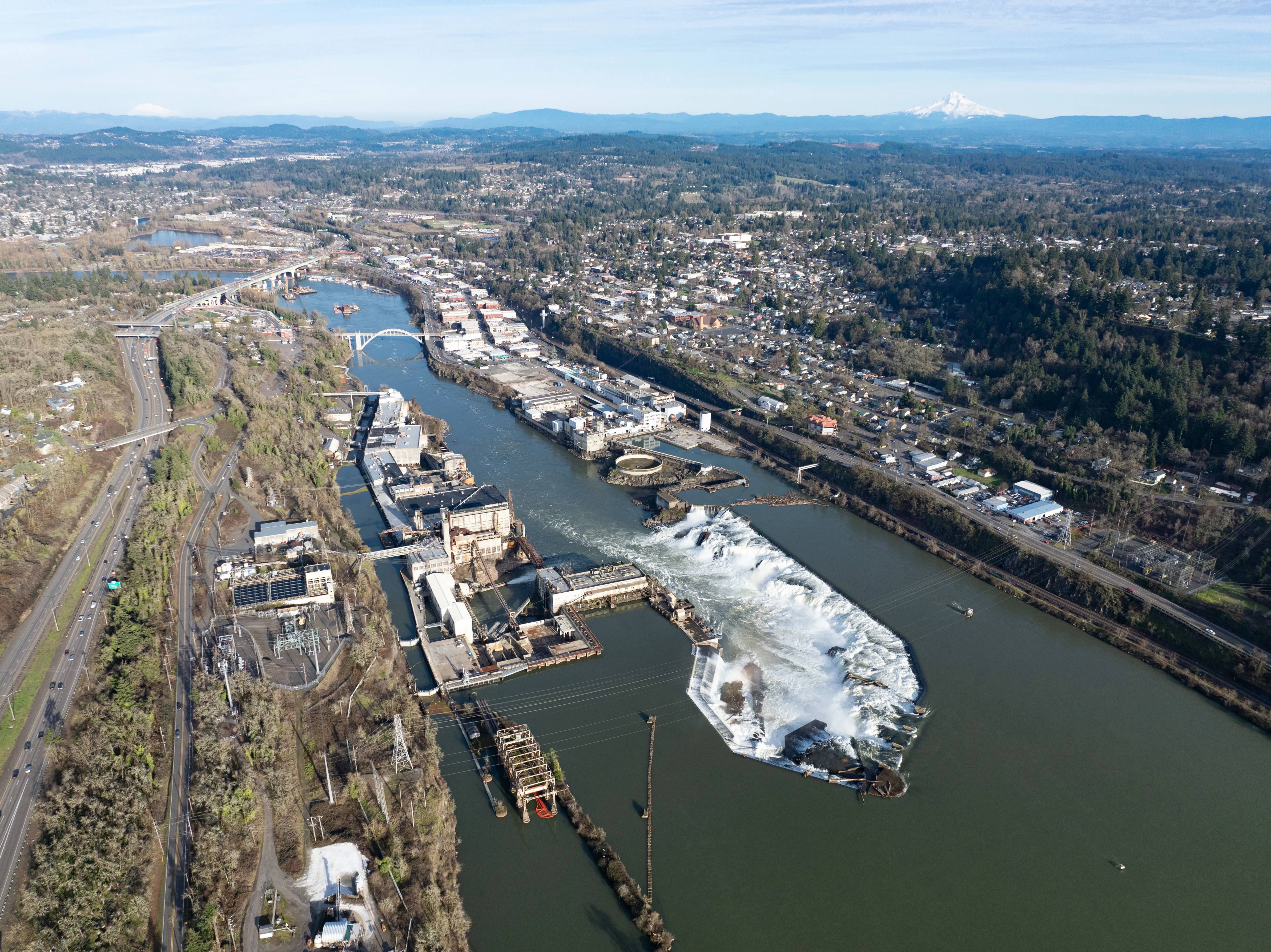
Local Expert Takeaway: West Linn works beautifully for retirees who are financially comfortable, plan to drive for at least the next decade, and want to spend meaningful time outdoors. Marylhurst and Robinwood are the two neighborhoods most worth prioritizing for flat-ish terrain, single-level home inventory, and proximity to services — and both come in below West Linn's peak pricing. Retirees who need walkable daily errands or who are within five years of giving up driving should look at Lake Oswego or Oregon City before committing here. The hills are beautiful; they're also a practical reality that compounds as mobility changes.
🌅 Portland Metro: Best Places to Retire
Wondering how West Linn compares to all 15 Portland Metro suburbs for retirees? Our complete rankings guide covers every suburb — walkability, healthcare access, cost of living, quiet livability, and retirement lifestyle side by side.
See the Full Portland Metro Best Places to Retire Rankings →Is West Linn a good place to retire?
Yes, for the right retiree. West Linn offers very low violent crime, exceptional natural surroundings, solid healthcare access, and a well-educated, established community where roughly one in five residents is already 65 or older. The financial bar is real — a $738,000 median home price means this is not a budget retirement destination — but retirees who can meet it consistently report high satisfaction with the quality of daily life here.
Does Oregon tax retirement income?
Oregon doesn't tax Social Security benefits at all, which is a significant advantage over many states. Other retirement income — 401(k) distributions, IRA withdrawals, private pensions — is taxed as ordinary income at Oregon's standard rates, which top out at 9.9%. Retirees with substantial investment income should model their tax situation carefully, but those drawing primarily from Social Security will find Oregon's treatment notably favorable.
How does West Linn compare to Lake Oswego for retirement?
The two cities are close in price and profile, but different in texture. Lake Oswego offers more walkable amenities, a stronger restaurant scene, and the Mary's Woods CCRC campus — making it the better fit for retirees who want urban convenience alongside suburban safety. West Linn offers more trail access, quieter streets, and a slightly lower price in certain neighborhoods, making it the better fit for retirees prioritizing nature and a lower-density feel. Both are among the most livable retirement environments in the Portland metro.
Browse current listings updated daily — filtered for West Linn buyers by Elizabeth Davidson, your local expert.
Powered by Elizabeth Davidson · Cascade Hasson Sotheby's International Realty · 503-939-2035
Explore the full West Linn series: The Ultimate West Linn Relocation Guide · Is West Linn Safe? · Cost of Living in West Linn · Best Neighborhoods in West Linn · West Linn Schools & Family Life · West Linn Youth Sports · West Linn Parks & Recreation · Retiring in West Linn · 1031 Tax-Deferred Exchange in West Linn · West Linn First-Time Homebuyers Guide · · Moving to West Linn from California · The West Linn Realtor's Perspective · Top 10 Questions a Realtor Gets About West Linn
Tell us what you need help with and we'll connect you with local resources.

About the Author
Todd Davidson is the founder of Living in Oregon and Living in Washington, where he publishes in-depth city guides, neighborhood resources, and local market insights covering more than 180 communities across the Pacific Northwest. While his background is in home financing and real estate, he created these digital platforms to help families research and compare regions before making a move.