Portland Metro · Oregon
Parks & Recreation in Lake Oswego: Trails, Facilities & Outdoor Life (2026)
Most people moving to Lake Oswego from out of state expect a pleasant suburb with a few decent parks. What they don't expect is a city that maintains over 645 acres of park property across 36-plus sites, operates an aquatic center, a working organic farm, an indoor tennis facility, and sits literally on the border of the only state park embedded inside a major Oregon metropolitan area. The outdoor infrastructure here punches significantly above its weight for a city of roughly 39,600 people.
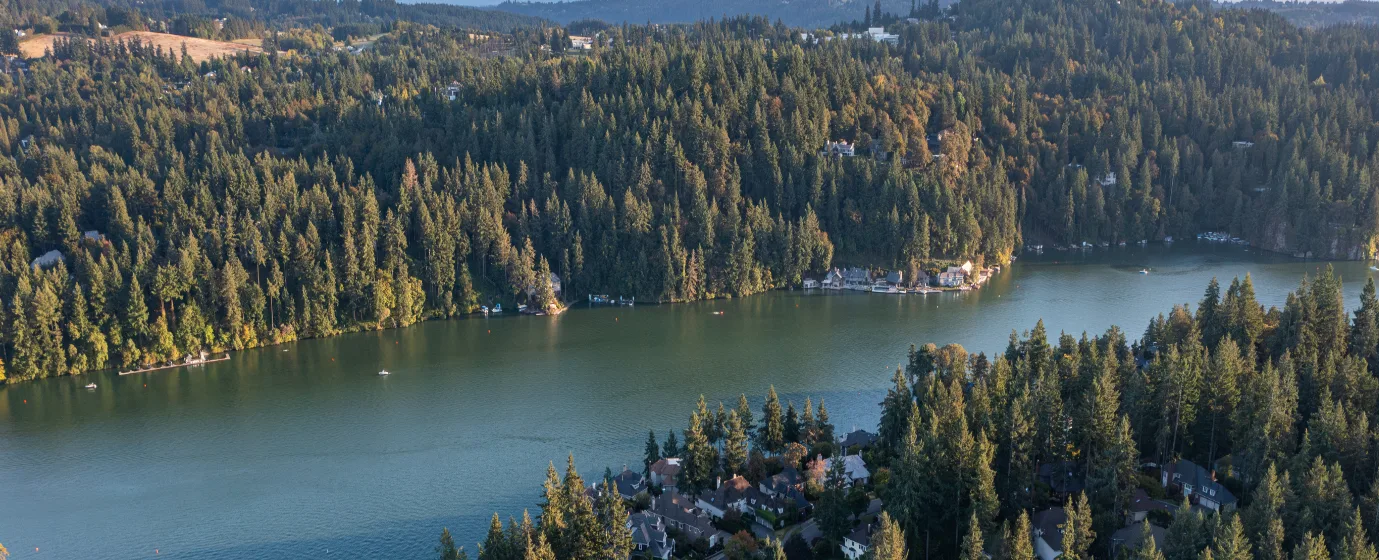
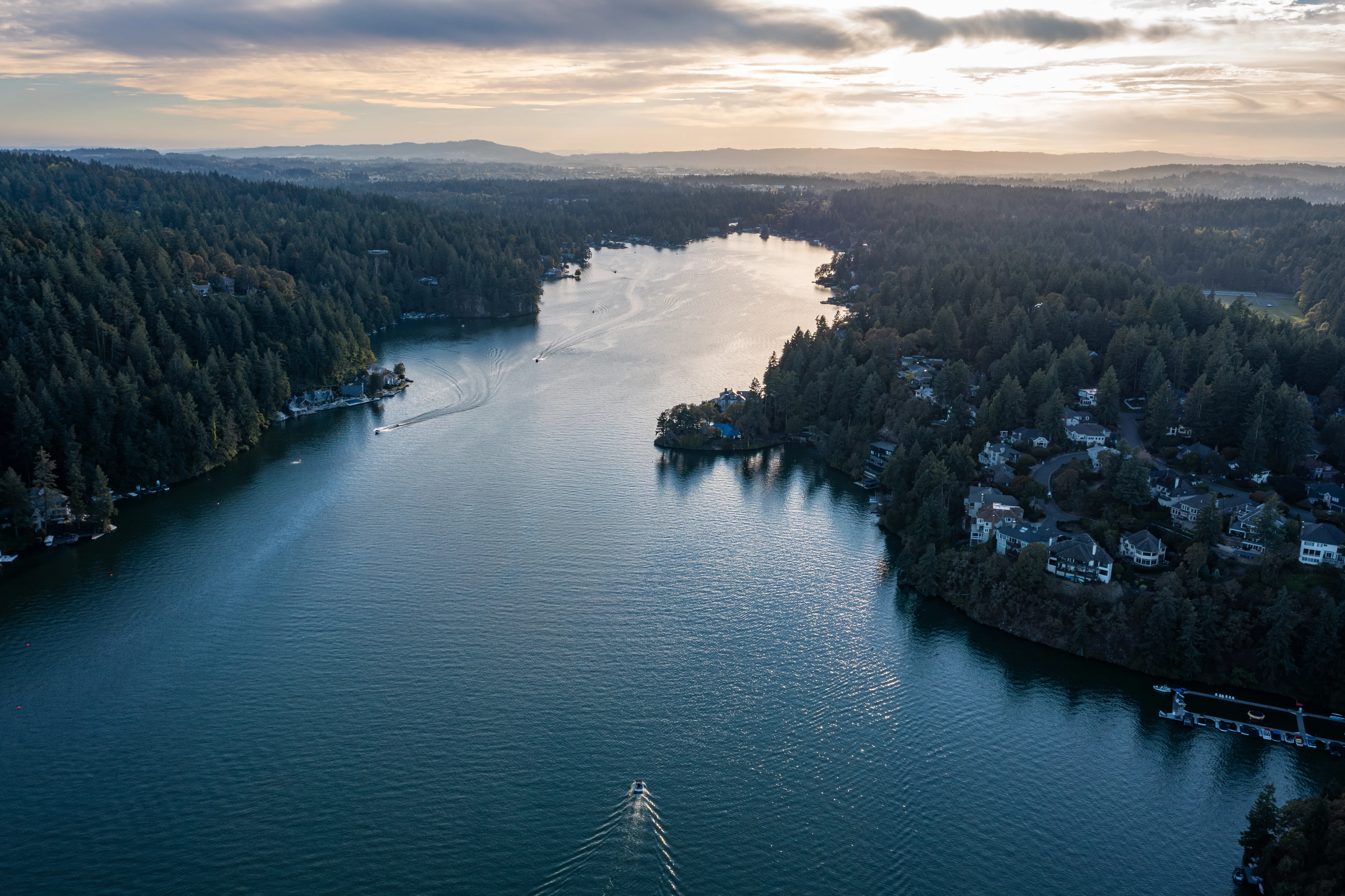
What shapes this parks landscape is a combination of geography and civic investment. The Willamette River runs along the city's western edge, Oswego Lake anchors the heart of the community, and the forested hillsides of the West Hills tuck trails into the city's residential fabric. These aren't afterthought greenways — they're integral to the neighborhoods themselves.
This guide breaks down where to hike, swim, play, and gather in Lake Oswego, what facilities are worth knowing before you move, and which outdoor assets most newcomers completely overlook.
| Park | Highlights | Best For |
|---|---|---|
| George Rogers Park | Willamette River access, ball fields, pickleball, picnic shelters, bluff trail | Families, sports leagues, river walks |
| Foothills Park | River views, pavilion w/ fireplace, Veterans Memorial, summer concerts, kayak launch | Quiet outdoor gatherings, paddlers |
| Millennium Plaza Park | Lake access, non-motorized watercraft launch, central location | Swimmers, paddlers, community events |
| Tryon Creek State Natural Area | 645 acres, 8+ hiking trails, paved bike path, steelhead run | Hikers, birders, trail runners |
| Iron Mountain Park | 1.73 miles of steep hillside trails, hillside overlook | Elevation seekers, quick trail runs |
| Cooks Butte Park | 42-acre wooded natural area, 1.77 miles of soft trails, summit meadow views | Off-leash dogs (main trails), solitude |
| Rassekh Park | 10,000 sq ft skatepark, playground, picnic shelter, natural area | Skaters, kids, active teens |
| Hazelia Field at Luscher Farm | Artificial turf field, two dog parks, trail access, wetland | Dog owners, youth sports, walking |
| Roehr Park | Willamette River boat dock, historic dolphin viewing platforms | Kayakers, photographers |
| Waluga Park (East & West) | Covered shelters, dog park, seasonal grass play area | Picnics, neighborhood gatherings |
| Westlake Park | Picnic shelter, summer concerts | Evening hangouts, local music fans |
| Springbrook Park | Adjacent to Indoor Tennis Center | Tennis, neighborhood access |
Lake Oswego's park system is defined by its natural character — over 460 acres fall under natural or passive designation, meaning the city has preserved a genuine forest edge within walking distance of most neighborhoods. What's relatively modest by comparison is the number of splash pads and indoor recreation spaces outside the aquatic center.

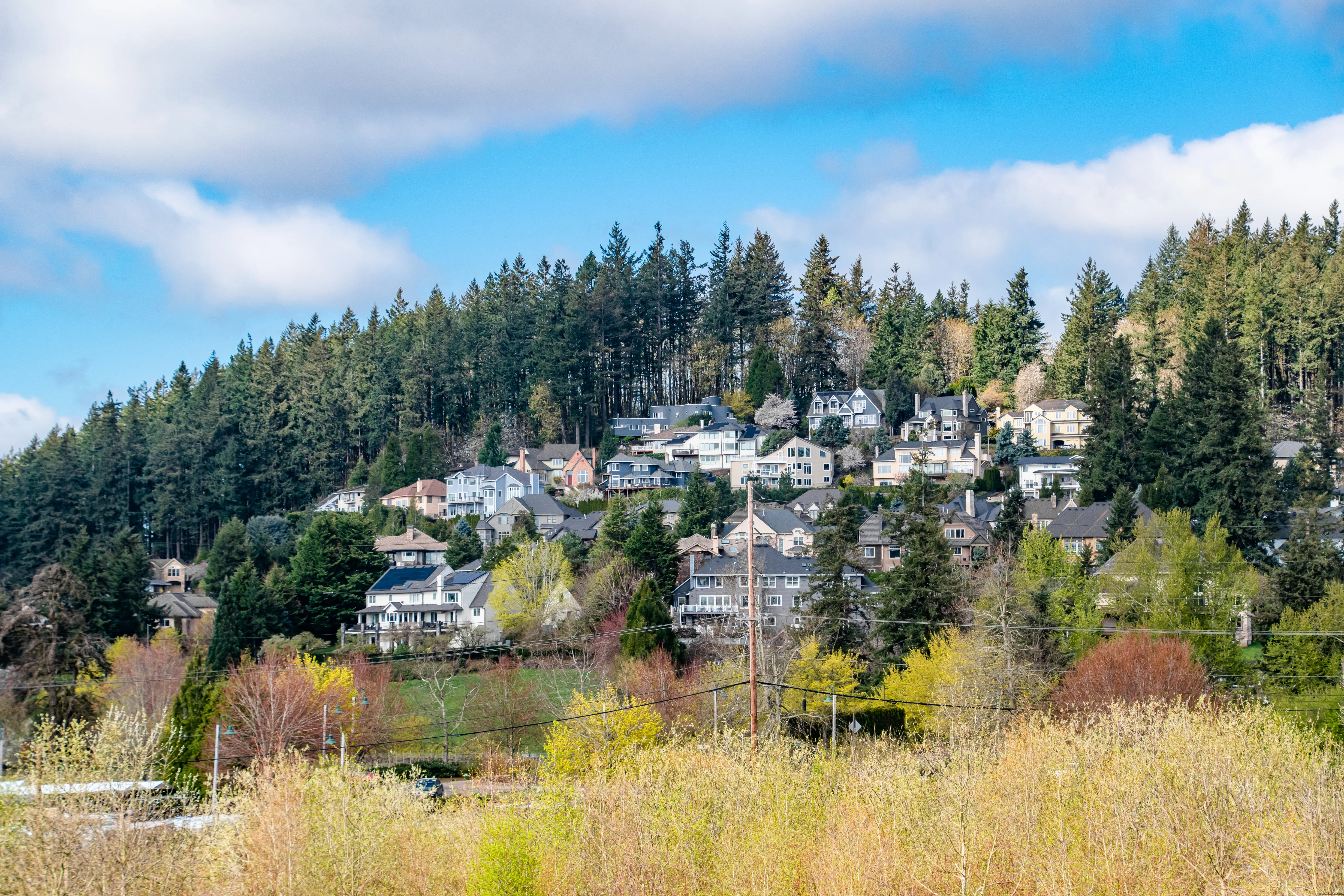
What I always tell buyers relocating from denser metros is that Lake Oswego's park system is one of those things that genuinely doesn't translate in photos. You can tell people there are trails five minutes from their front door, but until they're actually standing on the Cooks Butte summit looking south toward the Stafford Basin, it doesn't register. Properties within walking distance of that trailhead — particularly on Atherton Drive and the surrounding streets — have held their value exceptionally well. That trail access is priced in, but buyers still routinely underestimate how much it matters to daily quality of life once they're here.
The other thing I'd flag for buyers focused on outdoor lifestyle: Hazelia Field at Luscher Farm has become a genuine gathering point for the community, especially for dog owners, and the proximity to the Stafford Basin open space means the city has locked in a significant natural buffer to the south. Homes in the southern Lake Oswego corridors that back toward these preserved areas tend to see strong resale interest. The parks system isn't just an amenity — it's a meaningful part of the city's long-term land value story. If you're considering Lake Oswego and want insight into which neighborhoods align with your priorities and budget, I'd welcome the opportunity to share what I've learned from helping hundreds of families make this move successfully.
Location: 611 S State Street, Lake Oswego, OR 97034
George Rogers is the city's workhorse park — 26 acres in the heart of downtown, sitting where Highway 43 meets the Willamette River. Two ball fields, a soccer pitch, pickleball courts (newly renovated in 2023), a picnic shelter with barbecues, and a bluff trail that winds above the river make this the kind of park that gets used every single day. The Old River Road Trail departs from here heading south along the riverbank for 0.8 miles — short enough for a lunch break walk, scenic enough to become a daily habit.
Best for: Families, sports leagues, riverside walks, and anyone living in the downtown or First Addition neighborhoods who wants quick outdoor access.
Location: Along the Willamette River, north of Roehr Park, Lake Oswego
Foothills is the most atmospheric park in the city — a 9-acre riverfront space completed in 2005, built around a timber-and-stone pavilion with a stone fireplace, a reflecting pond, a grass amphitheater, and basalt columns engraved with William Stafford's poetry. Wednesday evening summer concerts in July draw a genuinely local crowd. Kayakers use the hand-carry launch for river access, and the Veterans Memorial adds a quieter, more reflective dimension to the property.
Best for: Summer evening outings, paddlers, poetry enthusiasts, and anyone who wants a park that feels designed rather than just maintained.
Location: Downtown Lake Oswego, adjacent to Oswego Lake
Millennium Plaza is the primary public access point to Oswego Lake itself — a remarkable thing for a lake that is otherwise largely private. Non-motorized vessels, swimmers, and inflatables with USCG approval are permitted in the designated swim area. As of early 2026, some areas near the park have seen electrical infrastructure work with intermittent closures, so it's worth checking city updates before planning a watercraft outing.
Best for: Swimmers, kayakers and paddleboarders, and families who want lake access without owning lakefront property.
Location: 11321 S. Terwilliger Blvd., Portland, OR 97219 (northern Lake Oswego border)
Tryon Creek is the single most impressive natural asset within reach of Lake Oswego residents — 645 acres of second-growth forest straddling the Portland city line, making it the only Oregon state park inside a major metro area. The trail network runs through Douglas fir and bigleaf maple canopy, crossing Tryon Creek multiple times, with enough route variety to run different loops for months without repeating yourself. The park's annual Trillium Festival each spring celebrates the wildflower bloom that carpets the forest floor, and the creek itself hosts a run of steelhead trout — a fact that still surprises people who've lived here for years.
Best for: Trail runners, hikers, birders, and anyone who needs access to genuine forest within 10 minutes of a suburban neighborhood.
Location: Trailhead access from Atherton Drive, Lake Oswego
Cooks Butte is a 42-acre wooded natural area with a networked trail system covering roughly 1.77 miles — modest in distance but meaningful in character. The main trail climbs 240 feet through Douglas fir forest to a summit meadow with open views of the Stafford Basin. The adjacent Stevens Meadows property adds a 0.6-mile loop through a more open landscape (note: dogs are not permitted at Stevens Meadows). For a city park, this summit walk delivers a level of quiet and visual reward that feels disproportionate to how close it is to residential streets.
Best for: Morning hikes, dog walks on the main trails, and residents in the southern Lake Oswego neighborhoods who want trail access without driving anywhere.
Lake Oswego is in the process of completing what will become one of the finer urban river trails in the Portland metro. The planned Willamette River Greenway Trail will eventually link George Rogers Park, Roehr Park, and Foothills Park into a continuous riverside path — currently, the Old River Road Trail runs 0.8 miles of paved surface south from George Rogers along the water's edge. Roehr Park adds a boat dock and the repurposed industrial "dolphin" cylindrical structures that now serve as river-viewing platforms. Once the full connection is complete, residents will have a continuous riverside greenway through the city's most scenic western corridor — making this one of the outdoor investments worth tracking if you're buying in the near-term.
Looking to buy in Lake Oswego? Estimate your payment.
Enter your numbers to see an estimated monthly mortgage payment.
Estimate only. Excludes HOA fees and mortgage insurance.
Lake Oswego's Indoor Tennis Center at 2900 Diane Drive, adjacent to Springbrook Park, offers year-round indoor court access — a meaningful advantage in a region where outdoor tennis becomes unreliable from November through April. The Lake Oswego Swim Park and Charles S. Brown Water Sports Center both operate under the Parks & Recreation division, with the swim park functioning as the primary outdoor aquatic facility during summer months. The Adult Community Center provides programming oriented toward seniors and active adults, including fitness classes, social events, and arts programming. Luscher Farm Park, once a working dairy operation acquired by the city in 1990, now operates as an active organic and food education site — a genuinely unusual asset for a city of this size that reflects the community's long-standing interest in land preservation and agricultural heritage.
| Destination | Distance | Highlights |
|---|---|---|
| Tryon Creek State Natural Area | Border of LO | 645 acres, 8+ trails, bike path, spring wildflowers |
| Powell Butte Nature Park (Portland) | ~25 min | 611 acres, meadows, orchard, volcano summit views |
| Willamette Park (Portland) | ~20 min | Boat ramps, dog off-leash area, river frontage |
| Mary S. Young State Recreation Area (West Linn) | ~10 min | 128 acres, forested trails, off-leash dog area |
| Champoeg State Heritage Area | ~35 min | 615 acres, river walks, history, camping |
| Silver Falls State Park | ~1 hr | 10 waterfalls, iconic Trail of Ten Falls, camping |
| Columbia River Gorge | ~40 min | Hundreds of trail miles, dramatic waterfall hikes |
| Oregon Coast (Cannon Beach / Seaside) | ~1.5 hrs | Beaches, tide pools, state parks, ocean access |
Local Expert Takeaway: The most underrated outdoor asset in Lake Oswego is the Cooks Butte / Stevens Meadows corridor on the city's southern edge. Most new residents don't find it until someone local shows them — there's no obvious signage from the main roads, the trailhead sits behind a residential cul-de-sac, and the summit meadow view catches people completely off guard. If you're evaluating homes in the southern Lake Oswego neighborhoods and trail access is on your list, prioritize properties within a five-minute walk of Atherton Drive. That proximity is real, daily-use value that doesn't depreciate.
Does Lake Oswego have good hiking trails?
Yes, Lake Oswego offers more trail access than most people expect from a city its size. Within city limits, Iron Mountain Park, Cooks Butte, and the riverfront corridor all provide genuine hiking, and Tryon Creek State Natural Area's 645-acre trail network is accessible from the city's northern border. Most neighborhoods have walking-distance trail access of some kind.
Is there public access to Oswego Lake?
Yes — Millennium Plaza Park provides the primary public access point to Oswego Lake for swimming and non-motorized watercraft. The lake is largely private, so this park-based access is the main option for residents who don't own lakefront property or belong to a private lake easement community.
What outdoor recreation options are close to Lake Oswego?
Within 10–35 minutes, residents can reach Mary S. Young State Recreation Area in West Linn, Champoeg State Heritage Area to the south, and the Columbia River Gorge to the east. Silver Falls State Park — widely considered one of the finest day hikes in Oregon — is about an hour's drive. The combination of close urban trails and larger natural areas within easy reach is one of the city's most consistently appreciated practical assets.
Browse current listings updated daily — filtered for Lake Oswego buyers by Elizabeth Davidson, your local expert.
Powered by Elizabeth Davidson · Cascade Hasson Sotheby's International Realty · 503-939-2035
Explore the full Lake Oswego series: The Ultimate Lake Oswego Relocation Guide · Is Lake Oswego Safe? · Cost of Living in Lake Oswego · Best Neighborhoods in Lake Oswego · Lake Oswego Schools & Family Life · Lake Oswego Youth Sports · Lake Oswego Parks & Recreation · Retiring in Lake Oswego · 1031 Tax-Deferred Exchange in Lake Oswego · Lake Oswego First-Time Homebuyers Guide · · Moving to Lake Oswego from California · The Lake Oswego Realtor's Perspective · Top 10 Questions a Realtor Gets About Lake Oswego
Tell us what you need help with and we'll connect you with local resources.

About the Author
Todd Davidson is the founder of Living in Oregon and Living in Washington, where he publishes in-depth city guides, neighborhood resources, and local market insights covering more than 180 communities across the Pacific Northwest. While his background is in home financing and real estate, he created these digital platforms to help families research and compare regions before making a move.