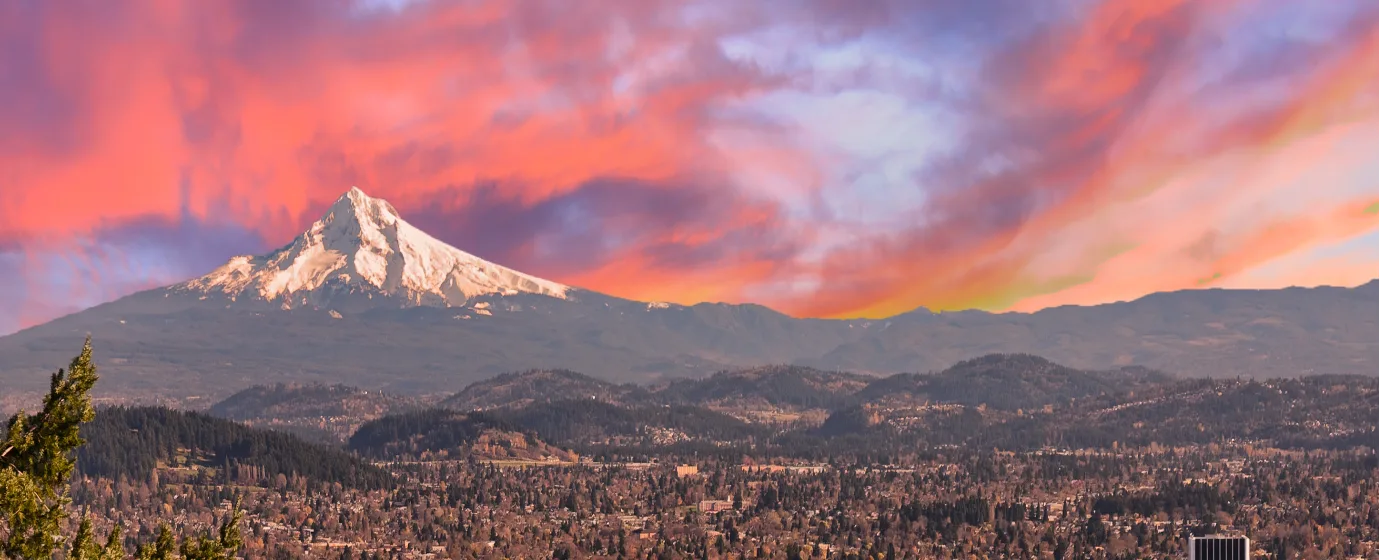
Portland Metro · Oregon
Moving to Gladstone? Top 10 Questions Realtors Get About Living in Gladstone, Oregon (2026)

I'm Elizabeth Davidson, a real estate broker with Cascade Hasson Sotheby's International Realty, and I've spent the last decade helping buyers and sellers navigate the Portland metro market. I consistently rank in the top 2% of brokers by volume in the region — not because I'm the flashiest, but because I tell people the truth about what they're buying and where.
Gladstone is a city I know well. At just 2.5 square miles tucked between the Clackamas River and Oregon City, it's one of those places that feels like a single neighborhood more than a formal city. I've shown homes within walking distance of the Pow-Wow Tree, helped families weigh the trade-offs of living near High Rocks Park versus closer to McLoughlin, and talked plenty of buyers through whether Gladstone's compact footprint is a feature or a bug for their lifestyle.
This post covers the questions I actually get asked — not the softballed marketing questions, but the real ones. Is Gladstone worth it? What's wrong with it? What do the schools look like beyond the letter grade? I'll walk you through neighborhoods, commute realities, property taxes, and the one issue almost every buyer overlooks until it's too late. Let's get into it.
Gladstone works for a specific buyer profile: someone who wants a small-town feel with genuine river access, doesn't need walkable urban amenities, and values affordability over prestige. At a median price around $520,000, you're getting more house and yard than you would in Milwaukie or Lake Oswego — but you're also getting less polish.
The positives are real. The Clackamas River frontage is legitimately beautiful, with swimming spots at Dahl Beach and High Rocks Park that locals guard jealously. The community center is excellent — competition-grade pool, solid fitness facilities, and programming that actually serves multiple generations. Meldrum Bar Park's 85 acres anchor the city's outdoor identity.
The honest downsides: Gladstone's commercial corridor along McLoughlin Boulevard isn't charming. Traffic noise bleeds into some neighborhoods. The dining and retail options are thin — you'll drive to Oregon City or Milwaukie for most errands. And while crime rates are reasonable, the city doesn't have the same "arrived" feeling as neighboring communities.
For families prioritizing outdoor access and relative affordability, Gladstone delivers. For buyers who want walkable coffee shops and boutique shopping, it's probably not your place. Our Ultimate Gladstone Relocation Guide breaks down these trade-offs in detail.
Given Gladstone's compact size, you're not choosing between dramatically different neighborhoods — you're choosing between slightly different vibes and proximity to specific amenities. That said, the distinctions matter.
Park Place sits on the northern edge and tends toward slightly newer construction with better sidewalk connectivity. Families here have easier access to John Wetten Elementary and the Trolley Trail, which runs nearly 7 miles to Milwaukie. This is where I'd start if walkability matters to you.
Ridgewood and Sherwood Forest offer the classic mid-century ranch homes that define much of Gladstone — larger lots, mature trees, and that suburban quiet that's increasingly hard to find close-in. You'll drive more, but your backyard will actually feel like a backyard.
Bolton and areas closer to the river appeal to families who prioritize outdoor access over school proximity. The trade-off is potential flood zone considerations (more on that below) and slightly longer walks to school.
City Center near Portland Avenue is your most walkable option — a 79 Walk Score downtown is legitimately solid for a city this size. You'll be near the community center and basic services, but homes here trend smaller and older.
For a neighborhood-by-neighborhood breakdown, see our Best Neighborhoods in Gladstone guide.
Gladstone School District 115 is small and straightforward: one early childhood center, one elementary, one middle school, one high school. That's it. The district serves about 1,600 students total, which means your kid will know their teachers and their teachers will know them.
The numbers are decent but not exceptional. District-wide testing ranks around 7/10 statewide, putting Gladstone in the top half of Oregon public schools. Gladstone High School's 81.8% four-year graduation rate is respectable — the district ranks in the top 20% for graduation rates across Oregon.
John Wetten Elementary is the standout. Test scores in 3rd-5th grade ELA and Math exceed both district and state averages, and the 17.5 student-teacher ratio is better than most. If elementary education is your priority, Gladstone delivers reasonable value.
Kraxberger Middle School is where opinions diverge. Some families love the small-school feel; others feel the program lacks the enrichment options available in larger districts like North Clackamas or West Linn-Wilsonville.
Here's my honest take: if you're coming from a high-performing district in California or the East Coast, Gladstone schools will feel modest. If you're prioritizing community connection and a district small enough to actually navigate, it works. Our Gladstone Schools and Family Life post covers academic programs and extracurriculars in depth.
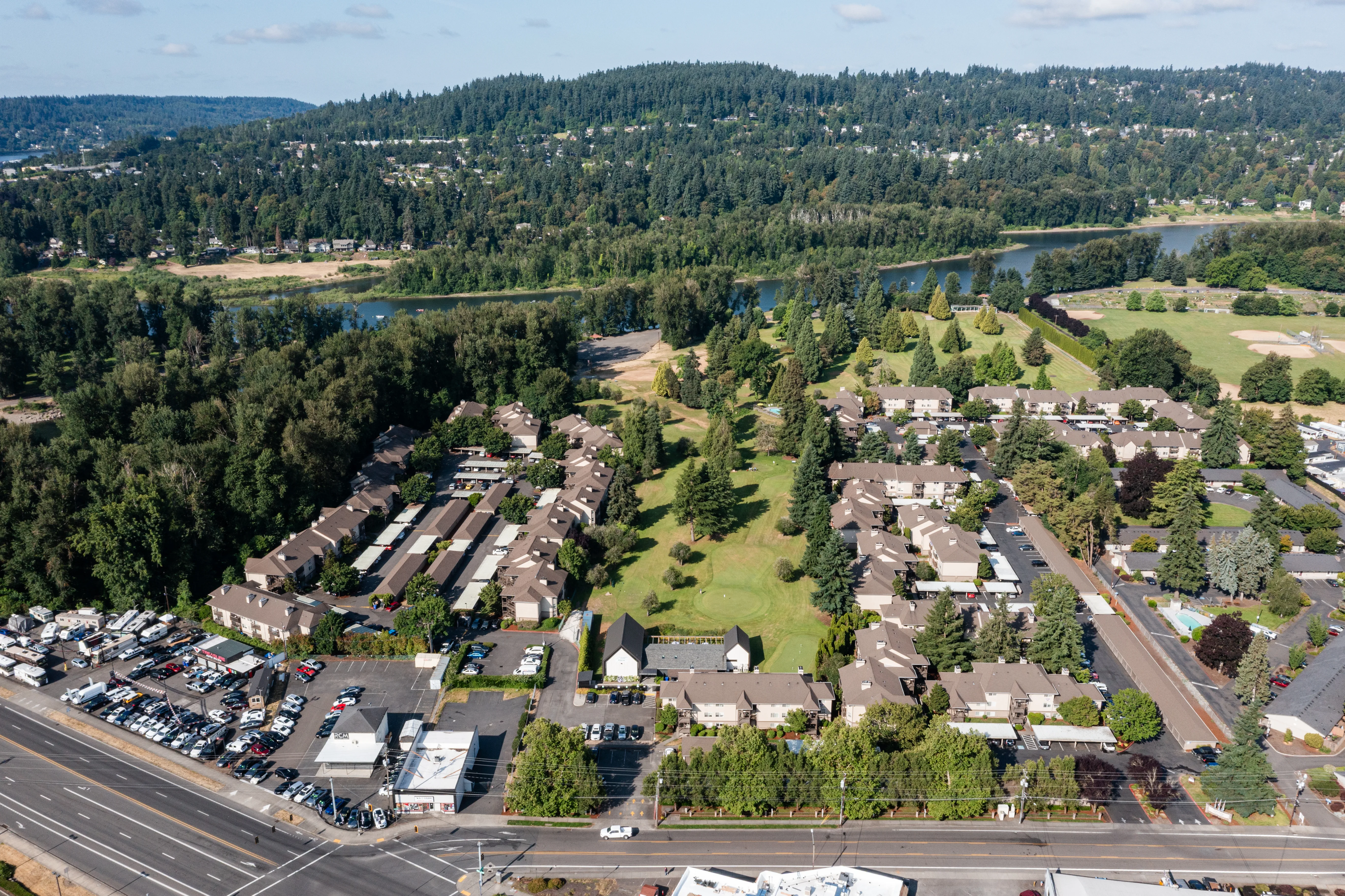
The marketing materials say 23-25 minutes to Portland. That's technically accurate — if you're leaving at 6:15 AM or driving on a Sunday.
Realistic morning commute to downtown Portland: 35-50 minutes, depending on whether you take McLoughlin Boulevard or jump on I-205. The I-205 route adds distance but often moves faster; McLoughlin is shorter but collects every red light between Gladstone and Sellwood.
To the Lloyd District or Central Eastside: You're looking at 25-35 minutes in moderate traffic. These are actually Gladstone's sweet spot destinations — close enough to make the commute reasonable.
To Lake Oswego or the West Side: Budget 30-45 minutes. Crossing the river adds unpredictability, especially if you're heading toward Beaverton or Hillsboro tech campuses.
Transit options exist but aren't fast. TriMet bus routes connect Gladstone to Portland, but you're looking at a 45-60 minute trip with transfers. The SE Park Ave MAX Station is 4.2 miles away — useful if you're commuting to the airport or east Portland, but not a walkable option. The Oregon City Amtrak station is nearby if you're doing occasional trips to Salem or Eugene.
The Trolley Trail is a genuine commute asset if you're biking to Milwaukie for MAX connections. Our Cost of Living in Gladstone post includes detailed transportation costs for different scenarios.
As of mid-2026, Gladstone's market is stable but not explosive. The median sale price sits around $517,500-$532,500 depending on which month you're pulling data from — essentially flat to down about 1% year-over-year.
Homes are selling in roughly 38 days, which is faster than the national average of 58 days but slower than Portland's hottest neighborhoods. This is a market where well-priced homes move and overpriced homes sit. About 122 homes have sold in the past 12 months across the entire city — we're talking a small inventory in a small town.
What this means for buyers: You have negotiating room. Unlike 2021-2022, you're not waiving inspections and offering $50K over asking just to compete. You can take your time, get proper inspections, and negotiate repairs.
What this means for sellers: Price it right from the start. The days of aspirational pricing and waiting for a desperate buyer are over. Gladstone competes directly with Oregon City and Milwaukie, and buyers will compare.
The buyer pool here skews toward families seeking more space than Portland proper offers, retirees downsizing from larger homes, and first-time buyers priced out of closer-in markets. Our Gladstone First-Time Home Buyer guide covers what to expect from the purchase process.
I need to set realistic expectations here: Gladstone does not have dedicated age-restricted 55+ "active adult" communities like you'd find in Arizona or Florida — those master-planned developments with golf courses and activity directors. That model barely exists anywhere in the Portland metro.
What Gladstone does have is independent senior living. Somerset Lodge offers a family-style environment with live-in managers, and the broader Gladstone area has roughly 100 independent living options with an average cost around $4,417 per month. These are care-oriented facilities, not the active lifestyle communities some buyers imagine.
Where Gladstone actually shines for retirees is its infrastructure. The Gladstone Community Center — locals call it "The Spirit of Generations" — serves a genuinely multigenerational community. The aquatic facilities are competition-grade, there's a full fitness floor, and senior programming is robust. This isn't a token senior center; it's a real community hub.
The housing stock itself works well for aging in place: single-story ranches are common, lots tend to be manageable, and the community is small enough that neighbors actually know each other. If you're looking for walkable retirement living with cultural amenities, Gladstone isn't it. If you want a quiet community with excellent parks, river access, and a functional community center, it delivers. Our Retiring in Gladstone post explores these options in detail.
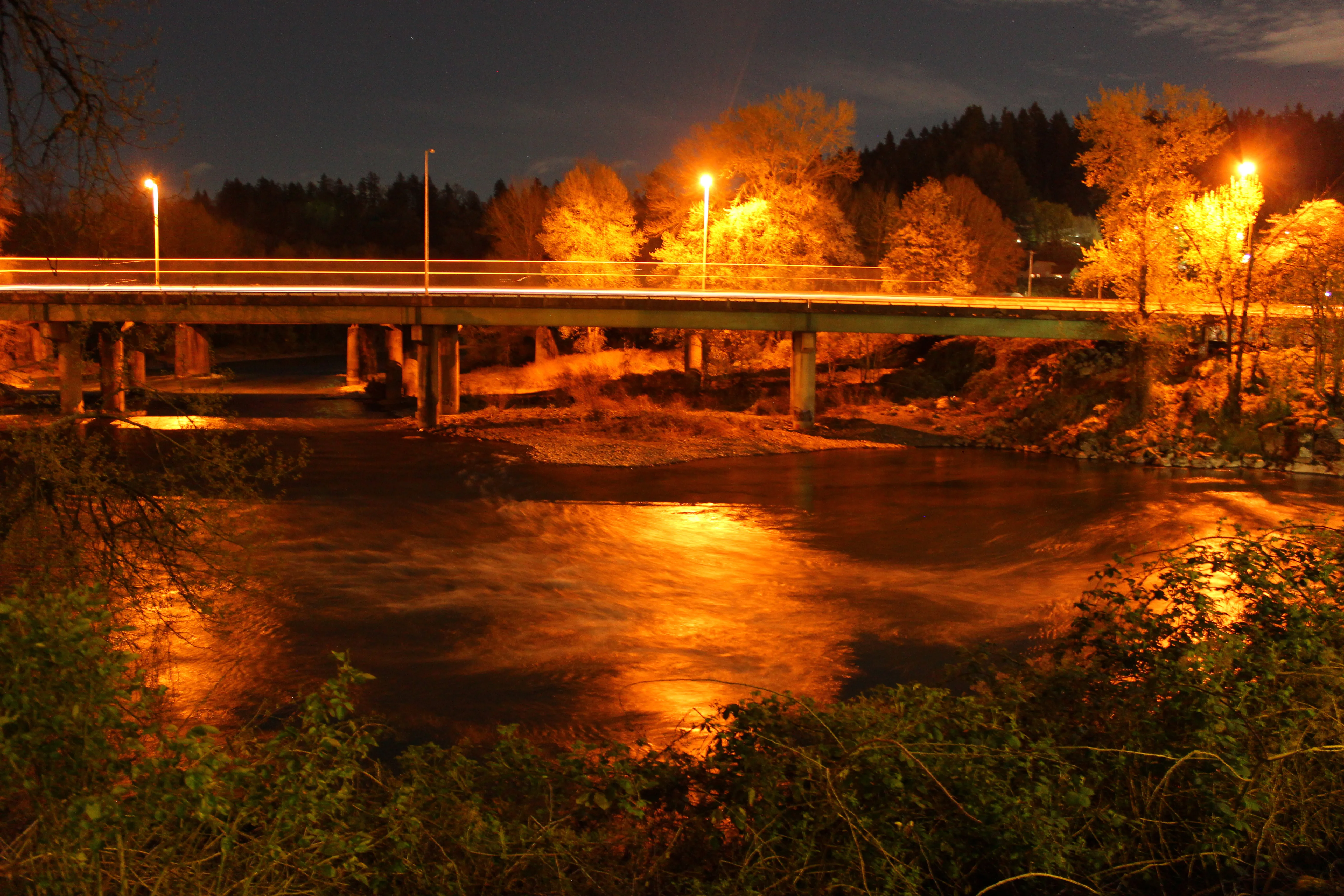
This is where Gladstone genuinely punches above its weight. For a city of 2.5 square miles, the park system is exceptional.
Meldrum Bar Park is the anchor — 85 acres along the Clackamas and Willamette Rivers. This is where the city lives on summer weekends: boat launches, sports fields, community gardens, and picnic areas. If you have a boat or want river access, this park alone justifies living here.
Dahl Beach and High Rocks Park offer the swimming and cliff-jumping spots that locals don't advertise to outsiders. Summer weekends get crowded, but weekday evenings you can have the river to yourself. These are genuine neighborhood amenities, not tourist attractions.
Gladstone Nature Park is the quiet gem — a preserve featuring Oregon white oak, Pacific Madrone, iris, and trillium. It's not large, but it's a real nature experience within walking distance of residential areas.
Maddax Woods and Burnside Park provide hiking trails and forested walks. The Trolley Trail connects Gladstone to Milwaukie along a nearly 7-mile paved greenway — excellent for biking, jogging, or walking the dog.
The Community Center aquatic facility deserves mention here too. Competition-grade pools aren't common in small cities; Gladstone's is genuinely good. Our Gladstone Parks and Recreation post maps out access points and seasonal programming.
Three things, consistently:
1. They assume "affordable" means "compromise everywhere." Gladstone's lower price point compared to Lake Oswego or West Linn isn't because something's wrong with the houses — it's because the commercial corridor isn't cute and the name doesn't carry prestige. The actual quality of life, especially if you value outdoor access, is higher than the price suggests.
2. They underestimate the small-town trade-offs. There's no Target. There's no Whole Foods. The restaurant scene is limited. If your lifestyle depends on walkable urban amenities, Gladstone will frustrate you. I've had buyers fall in love with a house near the river, move in, and spend the next year complaining about driving to Milwaukie for groceries. Know yourself before you commit.
3. They don't check flood zone status. This is the big one. Gladstone's river frontage is beautiful, but parts of the city sit in FEMA-designated flood zones. Flood insurance requirements, potential flooding during atmospheric river events, and resale implications are real considerations that too many buyers skip during due diligence.
The buyers who thrive in Gladstone are the ones who understand these trade-offs upfront and choose the city deliberately — not the ones who bought because it was what they could afford and spend years wishing they'd stretched for somewhere else.
Oregon's property tax system confuses nearly every out-of-state buyer, so let me break it down.
Under Measure 50 (passed in 1997), your assessed value is capped at 3% annual growth regardless of market appreciation. This means a home that's been owned for 20 years might have an assessed value of $280,000 even though it would sell for $520,000. The owner pays taxes on $280,000.
Here's the catch: when you buy, the property gets reassessed closer to market value. So that $3,200 annual tax bill the seller was paying? It might become $4,800-$5,200 for you.
Clackamas County's effective tax rate runs around 0.85-0.96% of assessed value — slightly below the national median of 1.02% but not dramatically so. The median annual Clackamas County property tax bill is approximately $5,187-$5,196, which is actually the highest in Oregon.
For a $520,000 purchase in Gladstone, budget $4,400-$5,200 annually for property taxes, depending on the specific tax code area and any applicable exemptions. The actual number depends on your property's new assessed value and which levies apply to your specific address.
When budgeting for a Gladstone purchase, never use the seller's current tax bill as your estimate. Request the assessed value from the county and calculate what your post-purchase taxes will actually be — it's often 20-40% higher than what the current owner pays.
This is the question buyers don't ask until it's too late, and it's the most important one for Gladstone specifically.
Gladstone's defining feature — its river frontage along the Clackamas and Willamette — is also its primary risk factor. Portions of the city, particularly areas near the rivers and lower-lying sections of Bolton and areas near Meldrum Bar Park, fall within FEMA-designated flood zones.
What this means practically:
What to do before buying: Check the FEMA flood map for any property you're considering. Request disclosure about previous water intrusion or flooding. Look at the topography — homes higher up in Ridgewood or Sherwood Forest have fundamentally different risk profiles than those closer to the river.
The good news: much of Gladstone sits on higher ground and has no flood risk. But the river-adjacent properties that feel the most desirable in July can look very different in January.
Before writing an offer on any Gladstone home below 200 feet elevation, pull the FEMA flood map and check the property's zone designation. If it's in Zone A or AE, get flood insurance quotes before finalizing your budget — this cost catches buyers off guard and can add $150-350 to your monthly housing expense.
Gladstone is right for buyers who want river access without Lake Oswego prices, appreciate a tight-knit community where the neighbors actually wave, and don't need Portland's urban amenities within walking distance. It's wrong for buyers who prioritize walkability, want prestigious schools, or will resent the drive to Milwaukie for routine errands.
The market timing is actually favorable right now. With prices stable and inventory moving at a reasonable pace, you can take your time, negotiate properly, and not feel pressured into decisions. That's a luxury buyers haven't had in this market for years.
If you're considering Gladstone, come during the winter. Drive McLoughlin in rush hour traffic. Walk the neighborhoods when it's raining, not just when the sun is out over the Clackamas. The people who fall in love with Gladstone during summer and buy without experiencing the reality of Oregon's gray months often end up disappointed. The people who see it clearly and choose it anyway tend to stay for decades.
If Gladstone is on your list and you want to talk through whether it actually fits your life, reach out. I'm happy to give you the unfiltered version — including whether I think you should look somewhere else.
Todd Davidson is an Executive Loan Officer at Rocket Mortgage specializing in Oregon home buyers. Whether you're a first-timer or moving up, he'll walk you through your numbers in 15 minutes.
Explore the full Gladstone series: Living in Gladstone · Is Gladstone Safe? · Cost of Living in Gladstone · Best Neighborhoods in Gladstone · Gladstone Schools & Family Life · Gladstone Youth Sports · Gladstone Parks & Recreation · Retiring in Gladstone · 1031 Exchange in Gladstone · Gladstone First-Time Buyer Guide · Gladstone Down Payment Assistance · Moving to Gladstone from California · The Gladstone Realtor's Perspective · Top 10 Questions a Realtor Gets About Gladstone