
Portland Metro · Oregon
Cost of Living in Gladstone: Housing, Taxes, Utilities & Lifestyle (2026)
Gladstone rarely appears on the shortlist when Portland-area buyers start their search — and that's precisely the financial opportunity. With a median sold price hovering around $520,000 and property taxes that run meaningfully below the Portland city average, Gladstone sits in a pricing window that's becoming genuinely difficult to find within 25 minutes of downtown Portland. The market has softened slightly from its recent peak, which means buyers in 2026 are entering with more leverage than they had two years ago.
What shapes the cost picture here is a combination of geography and restraint. Gladstone occupies just 2.48 square miles between Oregon City, Milwaukie, and the Clackamas River, and the city has never aggressively upzoned or redeveloped the way some neighboring communities have. Most of the housing stock consists of Cape Cods, ranch-styles, and bungalows built between the 1920s and 1970s — modest homes on real lots, priced accordingly. There's no lakefront premium, no top-ranked school district inflating values, and no new luxury development pushing up the median.
This guide breaks down what it actually costs to live in Gladstone — buying versus renting, property taxes, utilities, daily expenses, and how the numbers compare to Oregon City, Milwaukie, and the other cities you're likely cross-shopping. If you're trying to figure out whether Gladstone fits your financial picture, you'll have a clear answer by the end.
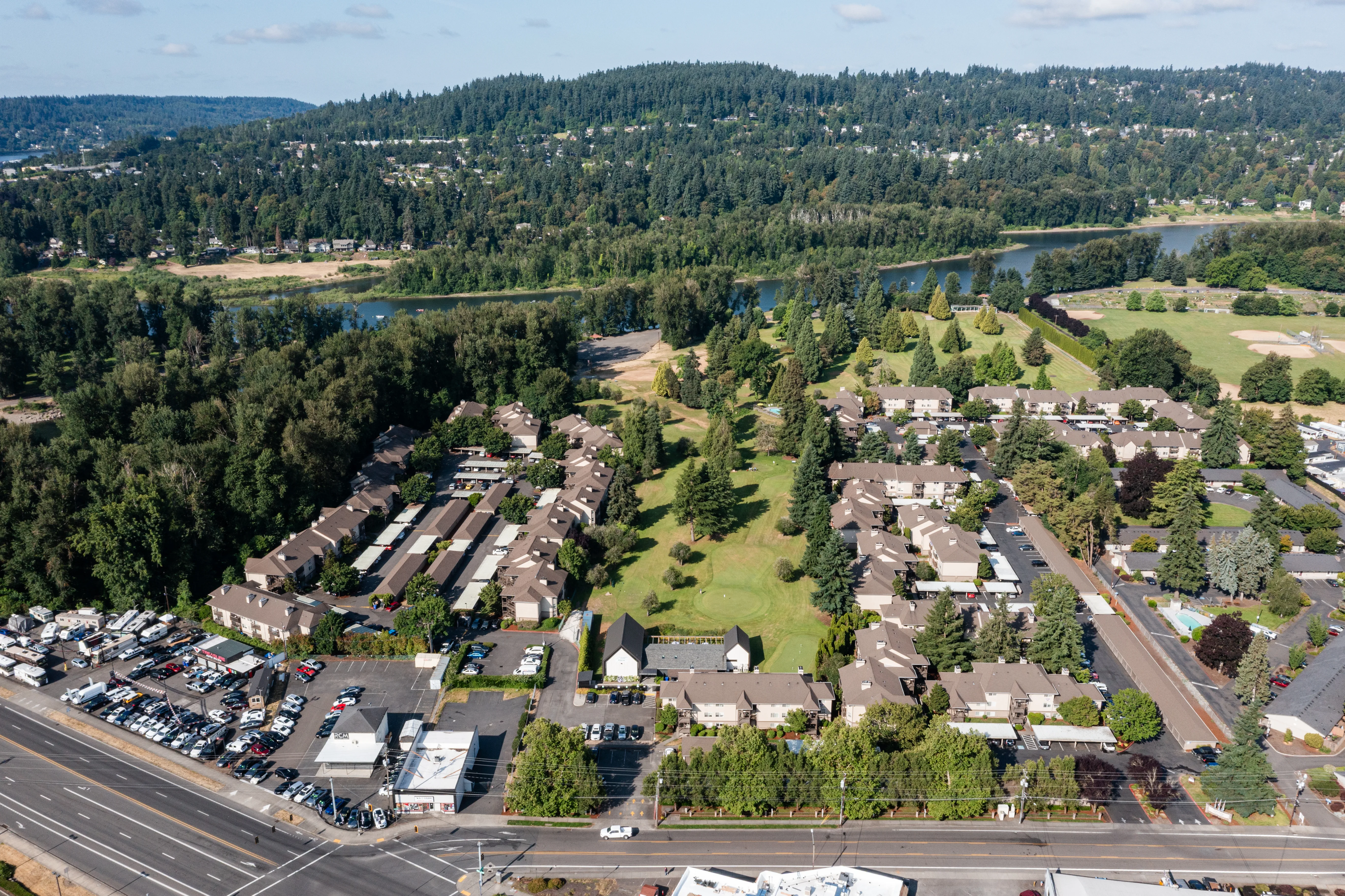
Gladstone's property tax rate sits at approximately 1.02%, placing the annual bill on the median home around $5,300. Oregon's Measure 50 limits annual growth in assessed value to 3%, which means long-term owners often pay taxes on a value well below their home's market price — a structural advantage that compounds over years of ownership. For buyers purchasing today, the assessed value will typically be closer to the sale price, so your first-year bill reflects something near that $5,300 figure, but the cap provides meaningful protection against future increases as values appreciate.

Gladstone is one of the markets I pay close attention to right now, and the reason is simple: you get a detached home on a real lot within 25 minutes of Portland for around $520,000, which is increasingly rare in Clackamas County. The neighborhoods that have been generating the most activity lately are Park Place and Bolton — both offering established tree canopy, functional floor plans, and the kind of modest-but-solid construction that holds up well over time. What buyers consistently underestimate is how competitive the entry-level segment is. Homes priced under $480,000 are seeing multiple offers and moving in under two weeks. If you wait to "see how the market develops," you'll likely be writing offers above ask.
The other thing buyers miss is the relationship between the property tax rate and long-term carrying costs. At 1.02%, Gladstone's effective rate produces an annual bill around $5,300 on the median home — but Oregon's Measure 50 caps assessed value growth at 3% annually, which means longtime owners often pay taxes on assessed values well below market. If you're buying now, your first year's bill will reflect the purchase price more closely. But over a 10-year hold, that rate cap becomes a meaningful financial advantage that buyers from California or Washington rarely appreciate until their second or third tax statement. If you're considering Gladstone and want insight into which neighborhoods align with your priorities and budget, I'd welcome the opportunity to share what I've learned from helping hundreds of families make this move successfully.
Gladstone's rental market is smaller than most buyers expect for a city of nearly 12,000 people. Roughly 36% of households rent, and the inventory skews heavily toward smaller complexes — about 63% of rental units are in buildings with fewer than 50 units, and 22% are single-family detached rentals. That mix creates a market that's relatively affordable by Portland metro standards but offers limited selection, especially for larger units.
The average monthly rent across all unit types runs approximately $1,682, which Zumper has placed at roughly 17% below the national average. Two-bedroom units — which make up the majority of apartment stock — typically run between $1,500 and $1,850 per month. Three-bedroom rentals push into the $1,950–$2,235 range, and the handful of single-family home rentals on the market can run higher. The most affordable entry point is a studio at Lake Crest Apartments, starting around $1,235 per month, while the Harley Townhomes in Bolton start around $2,600 for a two-bedroom townhouse. Well-regarded apartment communities include Gladstone Forest, Monte Verde, Oak Hill, Rivergreens, and River Run Village.
| Unit Type | Typical Monthly Rent Range |
|---|---|
| Studio | $1,235–$1,400 |
| 1-Bedroom | $1,400–$1,645 |
| 2-Bedroom | $1,495–$1,849 |
| 3-Bedroom | $1,950–$2,235 |
| Single-Family Rental | $2,200–$2,800+ |
Rental prices in Gladstone have been essentially flat to slightly declining over the past year, down roughly 1% from 2025 averages. For renters comparison-shopping the southeast Portland metro, Gladstone typically undercuts Milwaukie and Lake Oswego meaningfully while offering a similar commute profile.
Portland General Electric handles electricity for most Gladstone residents, and Northwest Natural covers gas service. Combined monthly utility costs for a typical single-family home — electricity, gas, water, and trash — commonly run in the $200–$280 range depending on season and home size. Oregon winters push gas bills higher for older, less-insulated bungalows, which make up a significant portion of the Gladstone housing stock.
Car ownership is essentially required here. Gladstone has no MAX light rail station, and TriMet bus service connects to the broader metro but doesn't offer the frequency or routing that would make car-free living practical for most households. The average Gladstone household owns two cars, which tracks with the suburban reality. The commute to downtown Portland runs about 25 minutes via I-205 in standard conditions — though the Abernethy Bridge interchange and the merge at the Tacoma Street exit in Milwaukie can add 10–15 minutes during morning rush hours between 7:30 and 8:30 a.m. Commuters heading toward the Clackamas Town Center or Oregon City employment corridor often find the commute shorter and less variable.
Grocery access is functional but not abundant. A Safeway anchors the city's retail core, and the Fred Meyer in nearby Oregon City is the go-to destination for larger shops. Restaurants and coffee shops are concentrated along Portland Avenue and in the City Center corridor — the options are genuinely local and modest rather than the dense dining scene you'd find in Milwaukie or the Sellwood neighborhood. Residents heading to New Seasons, Whole Foods, or a broader restaurant selection typically drive 10–15 minutes to Oregon City, Oak Grove, or Milwaukie. Internet service comes primarily through Comcast/Xfinity and CenturyLink (Lumen), with fiber availability continuing to expand through the metro.
Looking to buy in Gladstone? Estimate your payment.
Enter your numbers to see an estimated monthly mortgage payment.
Estimate only. Excludes HOA fees and mortgage insurance.
The financial case for Gladstone becomes clearest when you put it side by side with the cities buyers most commonly compare it against. The table below covers what matters most to a household making the Clackamas County decision.
| City | Approx. Median Home Price | Property Tax Rate | Avg Commute to Portland | Notable Trade-off |
|---|---|---|---|---|
| Gladstone | $520,000 | 1.02% | 25 min | Limited amenities, strong value |
| Oregon City | $490,000–$530,000 | ~1.05% | 30–35 min | More services, longer commute |
| Milwaukie | $490,000–$550,000 | ~1.10% | 20 min | Better transit, less parking |
| Oak Grove | $460,000–$500,000 | ~1.05% | 25 min | Unincorporated, fewer city services |
| West Linn | $700,000–$800,000 | ~1.05% | 30–35 min | Top schools, higher entry price |
| Lake Oswego | $900,000–$1,100,000+ | ~1.10% | 20–25 min | Premium market, limited value |
| Jennings Lodge | $430,000–$480,000 | ~1.05% | 25–30 min | Unincorporated, rural feel |
The clearest financial story in this table: Gladstone offers commute times close to Milwaukie at prices that are comparable or slightly lower, without the Lake Oswego or West Linn premium. Buyers coming from Oak Grove or Jennings Lodge territory often find that the $40,000–$60,000 price difference buys them incorporated city services and a more established neighborhood structure.
The table below reflects a household purchasing at the $520,000 median price with 10% down ($52,000), financing $468,000 at a prevailing 2026 rate. All figures are estimates for a typical single-family home.
| Expense Category | Estimated Monthly Cost |
|---|---|
| Mortgage (principal + interest) | $3,050–$3,200 |
| Property Taxes (1.02% annual / 12) | ~$440 |
| Homeowner's Insurance | $120–$160 |
| HOA (most neighborhoods, none) | $0 |
| Electricity | $80–$120 |
| Natural Gas | $60–$110 |
| Water / Sewer / Trash | $80–$100 |
| Internet | $65–$90 |
| Groceries (2-person household) | $600–$800 |
| Transportation (2 cars, gas + insurance) | $500–$700 |
| Dining Out / Entertainment | $300–$500 |
| Total Estimated Monthly | $5,295–$6,220 |
A household at the median income of $91,250 — bringing home roughly $5,800–$6,200 per month after taxes — will find this budget tight but workable, particularly if one or both earners have flexibility on dining and transportation. Households earning above $100,000 will find more breathing room, and the $101,000 income threshold commonly cited as needed to purchase comfortably at the median price aligns closely with that reality.
Oregon has no sales tax, which changes the math on everyday purchases in ways that take about six months to fully appreciate if you're arriving from California, Washington, or anywhere east of the Rockies. A grocery run, a furniture purchase, a new appliance — none of it carries the 8–10% sales tax load that residents of Washington State pay every day. For a household spending $50,000 annually on taxable goods and services, that difference is real money.
The other side of the ledger is Oregon's income tax, which is among the highest in the nation. The top marginal rate reaches 9.9%, and the middle brackets — covering most Gladstone households — land in the 8–9% range. For a household earning $91,250, state income tax typically runs $6,000–$7,500 annually depending on deductions and filing status. The net effect for most buyers is roughly neutral compared to a high-sales-tax state, but the visibility of the tax burden differs: Oregon's income tax hits in April, while sales tax is invisible at checkout.
Oregon also offers a senior property tax deferral program that allows homeowners 62 and older who meet income eligibility requirements to defer property taxes until the property is sold or transferred. For retirees on fixed incomes, this program is a meaningful financial tool that few people discover before they've already moved. Gladstone's assessed value growth cap under Measure 50 makes property taxes more predictable than most states, and the deferral program adds another layer of protection for older homeowners.
Local Expert Takeaway: The financial case for Gladstone is strongest for buyers who are genuinely comparison-shopping Oregon City and Milwaukie rather than trying to afford Lake Oswego on a smaller budget. At $520,000 with a 1.02% tax rate and a 25-minute Portland commute, Gladstone delivers incorporated-city services and real neighborhood character without the manufactured-scarcity pricing of the higher-profile Clackamas County markets. The one number to watch: if your household income is under $90,000 and you're putting down less than 10%, the monthly carrying costs will be tight — look carefully at homes in the $450,000–$480,000 range where inventory occasionally opens up and competition is slightly less intense.
Is Gladstone, Oregon an affordable place to live?
By Portland metro standards, Gladstone sits in the middle tier — not the most affordable market in Clackamas County, but meaningfully cheaper than Lake Oswego or West Linn. A household earning the city's median income of $91,250 can purchase at the $520,000 median price with 10% down, though the monthly budget is tight. Renters find the market notably more accessible, with average rents running below the national average.
How do property taxes work in Gladstone?
Gladstone properties are taxed at approximately 1.02% of assessed value, generating an annual bill around $5,300 on the median home. Oregon's Measure 50 limits annual assessed value growth to 3%, which means your tax bill grows predictably over time rather than spiking with market appreciation. Homeowners 62 and older may qualify for Oregon's property tax deferral program, which can eliminate annual tax payments for eligible seniors on fixed incomes.
How does Gladstone's cost of living compare to Oregon City or Milwaukie?
The three cities land in a similar price range — median home prices within roughly $20,000–$40,000 of each other — but Gladstone's commute to Portland is slightly faster than Oregon City's and its property tax rate is marginally lower than Milwaukie's. Oregon City offers more retail and services but adds 5–10 minutes to the Portland commute. Milwaukie sits closer to Portland with better transit access but tends to price slightly higher in comparable neighborhoods.
Explore the full Gladstone series: The Ultimate Gladstone Relocation Guide · Is Gladstone Safe? · Cost of Living in Gladstone · Best Neighborhoods in Gladstone · Gladstone Schools & Family Life · Gladstone Youth Sports · Gladstone Parks & Recreation · Retiring in Gladstone · 1031 Tax-Deferred Exchange in Gladstone · Gladstone First-Time Homebuyers Guide · · Moving to Gladstone from California · Gladstone Realtor's Perspective
Tell us what you need help with and we'll connect you with local resources.

About the Author
Todd Davidson is the founder of Living in Oregon and Living in Washington, where he publishes in-depth city guides, neighborhood resources, and local market insights covering more than 180 communities across the Pacific Northwest. While his background is in home financing and real estate, he created these digital platforms to help families research and compare regions before making a move.