
Portland Metro · Oregon
Is Gladstone Safe? Crime Rates, Safest Neighborhoods & Local Reality (2026)
Gladstone doesn't make Oregon's most-dangerous lists, and it doesn't make the safest ones either. That middle-ground reality is actually useful information for buyers trying to calibrate expectations. The city's violent crime rate sits measurably below both Oregon's state average and the national average — a meaningful distinction in a metro where some small cities are fighting genuinely elevated street crime. Property crime is the more honest conversation, and that's where Gladstone requires some nuance rather than a simple thumbs-up.
In daily terms, the risk profile here looks less like random street danger and more like the kind of opportunistic theft that shows up in any community with commercial corridors and river-access parking areas. Most long-term residents describe a neighborhood that feels quiet and residential, where the primary friction is a stolen package or a car rummaged overnight — not the kind of safety concern that changes how you move through your day.
This guide breaks down what the numbers actually mean street by street, how Gladstone compares to the neighboring cities you're probably also considering, and which parts of town have the most grounded track record for residential safety.
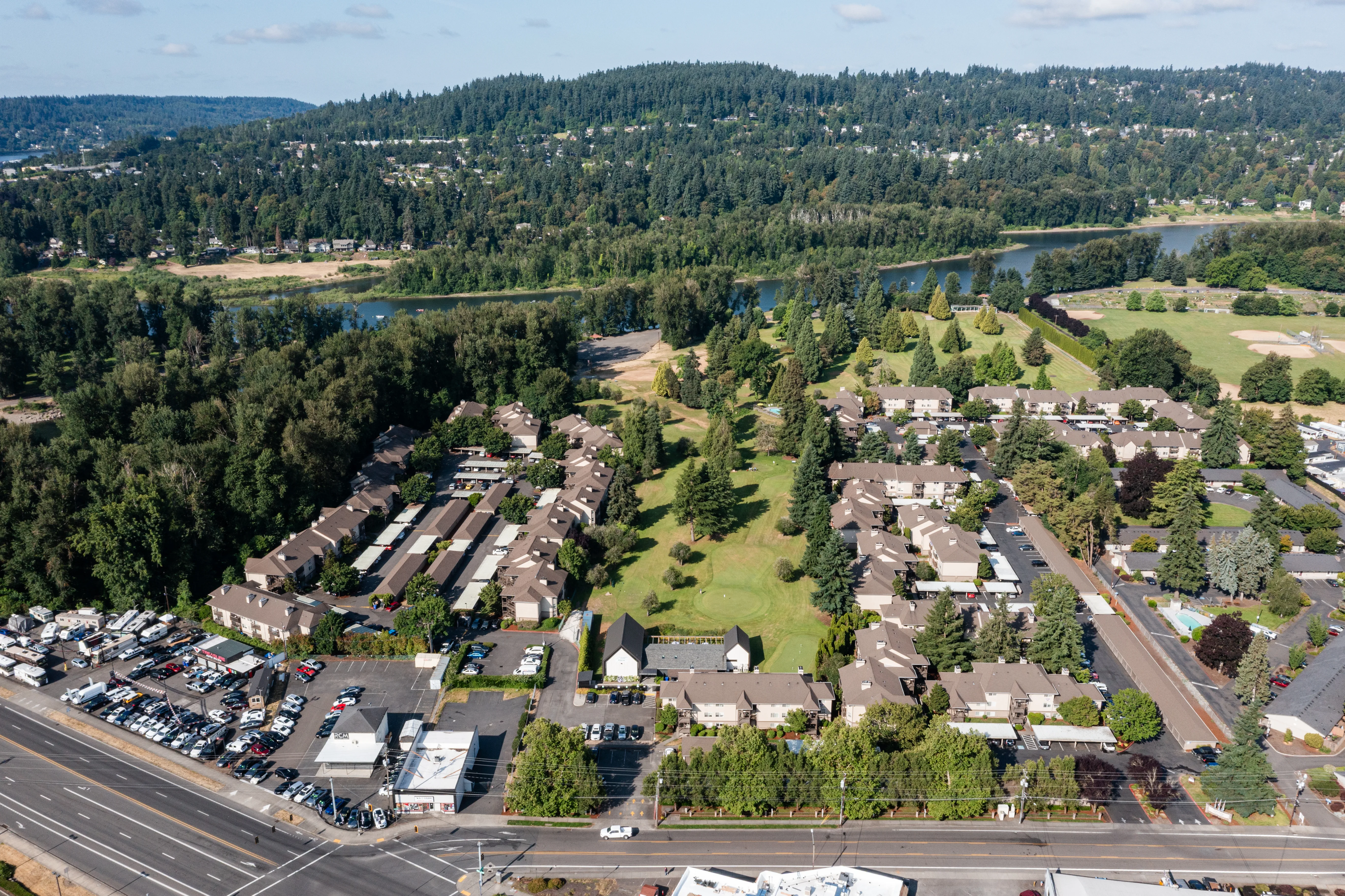
FBI estimates from 2024 — the most current full-year data available — place Gladstone's violent crime rate at approximately 2 incidents per 1,000 residents. That figure lands well below the Oregon state average and below the national benchmark, a combination you don't always find in Portland-adjacent communities. Property crime is estimated around 17 per 1,000 residents in the CSV baseline, though some aggregators calculate annual rates higher when normalized differently — the consistent finding across sources is that larceny and theft drive the number, not assault or robbery.
The structural reality behind those numbers matters as much as the figures themselves. Gladstone is a predominantly owner-occupied residential city with a grid of established neighborhoods, relatively low commercial density compared to neighboring Milwaukie or the Oregon City commercial strip, and geographic boundaries formed by the Clackamas River and the Willamette confluence. That layout naturally limits the kind of transient foot traffic that inflates crime in more commercially dense corridors. The east side of the city, where retail concentration is higher, sees more reported incidents — a pattern common to nearly every small city where a few commercial blocks can statistically skew the citywide number.
Over the last five years, both violent and property crime have declined in Gladstone on a trend basis, though 2024 showed a modest uptick compared to 2023. Locally, the overall crime index still runs lower than the national average when compared against similarly sized communities — Gladstone sits roughly in the middle of the pack nationally for towns its size, which puts it in comfortable territory for a first-ring Portland suburb.
Local police data and FBI estimates suggest Gladstone's violent crime rate of approximately 2 per 1,000 residents translates to roughly a 1-in-500 chance of being a victim in a given year. In practical terms, that means most residents go years without any direct encounter with violent crime. The north and northeast sections of the city consistently show the lowest violent crime concentrations — the southwest quadrant carries a meaningfully higher risk profile for violent incidents, something worth knowing before you fall in love with a listing in that part of town.
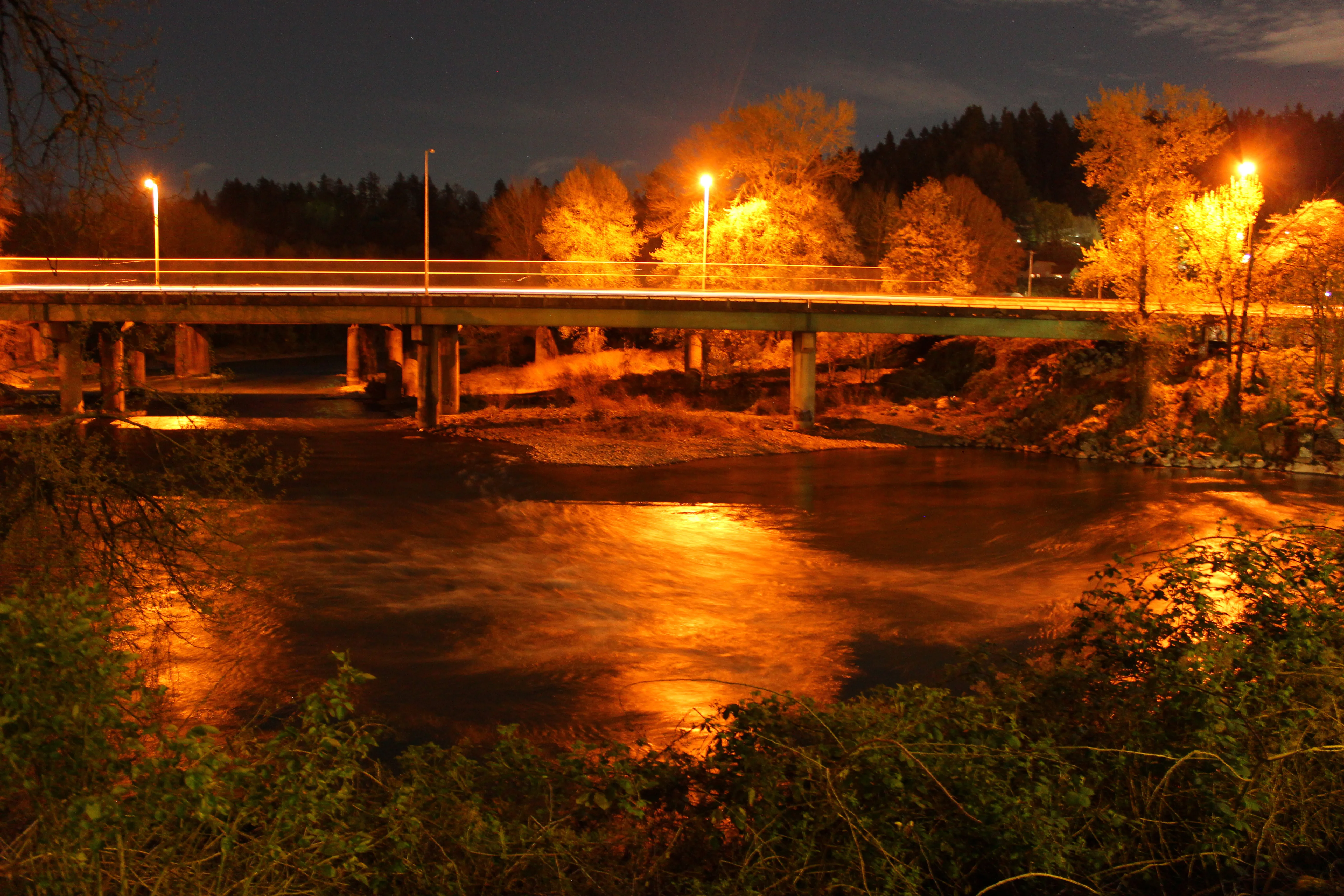
Property crime is where Gladstone's D-grade from some aggregators comes from, and it's worth understanding rather than dismissing. Larceny and theft dominate the category — particularly vehicle break-ins near riverfront access points like High Rocks Park and Dahl Beach, where seasonal visitor traffic creates predictable target opportunities. The southwest commercial zone and areas adjacent to busier arterials see disproportionate incident volume, while the eastern residential neighborhoods report far lower totals — roughly 7 annual incidents in some southeast quadrant estimates versus more than 100 in the southwest. The takeaway for residents: don't leave valuables visible in a parked car near the river, and treat your porch package delivery the same way you would anywhere in the Portland metro.

Gladstone is genuinely one of the more misread markets in Clackamas County. Buyers see the property crime aggregate and mentally file it next to cities with real urban crime challenges — but when you dig into the geography, the incidents are heavily concentrated along commercial corridors and river-access parking, not in the residential neighborhoods where families are actually buying. Park Place and Bolton are currently drawing the most serious buyer attention, and both of those neighborhoods have profiles that look more like West Linn's quieter streets than anything that matches the citywide aggregate. I've had multiple clients pass on Gladstone based on a quick crime-grade lookup, then later watch a home they would have loved sell at $520,000 while they were still searching in Lake Oswego for $680,000.
What buyers consistently underestimate is how much the physical layout of Gladstone isolates its residential core from its commercial friction points. The neighborhoods above the river bluffs — Ridgewood, Healy Heights, the upper Park Place streets — sit geographically removed from the parking lots and arterial corridors where most of the property crime aggregators are pulling their incident data. If you're evaluating a specific address rather than a citywide number, the neighborhood context changes the picture considerably. I'm happy to walk through the specific block-level safety profile of any listing you're considering. If you're considering Gladstone and want insight into which neighborhoods align with your priorities and budget, I'd welcome the opportunity to share what I've learned from helping hundreds of families make this move successfully.
Park Place is one of the two most buyer-active neighborhoods in Gladstone, and the safety profile reflects that demand. The area sits in the northern and northeastern section of the city — the quadrant that consistently shows the lowest crime concentrations by resident reports and available incident data. Streets here are primarily residential with established tree canopy and a mix of mid-century ranches and updated craftsman homes. The limited through-traffic and the neighborhood's distance from the commercial corridors that drive citywide property crime statistics make it one of the more settled choices for buyers prioritizing day-to-day peace of mind.
Best for: Buyers who want Gladstone's best safety profile without sacrificing proximity to the city's parks and school infrastructure.
Bolton occupies Gladstone's western edge and borders the Maddax Woods natural area — a layout that creates natural buffers from commercial activity. The neighborhood's proximity to West Linn's school zones and access to Hammerle Park draws buyers who prioritize green space alongside residential quiet. Crime incidents here tend to reflect the citywide property-crime pattern at its lowest expression — the neighborhood doesn't generate the kind of retail-adjacent incident clustering that skews numbers elsewhere in the city.
Best for: Families with kids who want trail access and a low-traffic residential feel close to the Clackamas River corridor.
Gladstone's Ridgewood neighborhood has a well-established reputation for quiet cul-de-sac living — the kind of street configuration that organically limits cut-through traffic and reduces opportunistic property crime. Homes here tend to attract long-term owners, and turnover is low enough that neighbors actually know each other. That social fabric is one of the underrated elements of residential safety that no crime index measures.
Best for: Buyers seeking an established, owner-occupied neighborhood with minimal transient activity and strong neighbor familiarity.
Sherwood Forest carries a distinctive midcentury character that draws buyers who want personality in their home without the price tag of an Old Town bungalow. The neighborhood sits in a part of the city where the residential density is higher and streets connect more directly to commercial areas — which means the property crime exposure runs slightly higher here than in the more insulated northern neighborhoods. That said, it's the kind of neighborhood where residents are engaged and Nextdoor activity is consistent, which functions as a practical deterrent.
Best for: Buyers drawn to midcentury architecture who are willing to take standard urban-adjacent precautions on vehicle and package security.
Healy Heights is specifically cited by real estate researchers as among Gladstone's safer residential areas, and the geography explains why. The neighborhood sits at elevation relative to the commercial core, with street configurations that don't invite pass-through traffic. Homes here tend to be well-maintained, owner-occupied properties where residents have long tenure. The practical daily safety experience in Healy Heights is notably different from what a citywide crime aggregate suggests.
Best for: Buyers prioritizing residential stability and low incident exposure who want a quieter corner of Gladstone's east side.
Downtown Gladstone's character blocks have genuine appeal — 1920s cottages with updated interiors, walkable to local businesses — but the City Center area carries the tradeoffs that come with any small downtown. Commercial activity along Portland Avenue means more foot traffic, more delivery vehicles, and more opportunity for the kind of petty property crime that clusters near retail. The Gladstone Police Department's headquarters at 18505 Portland Avenue sits in this corridor, which provides visible patrol presence. Residents here tend to be more urban in mindset and approach the neighborhood's quirks as the cost of character and convenience.
Best for: Buyers who want walkability and historic character and aren't put off by standard downtown-adjacent property crime precautions.
| City | Violent Crime / 1K | Property Crime / 1K | Overall Safety Profile |
|---|---|---|---|
| Gladstone | ~2.0 | ~17 | Below state average for violent; near national average for property |
| Oregon City | ~3.5 | ~28 | Higher property crime; more commercial density |
| Milwaukie | ~3.8 | ~32 | Elevated across both categories; active commercial corridors |
| Oak Grove | ~2.5 | ~22 | Unincorporated; limited dedicated patrol coverage |
| West Linn | ~1.2 | ~12 | Among the lower in Clackamas County; higher home prices |
| Lake Oswego | ~1.0 | ~14 | Consistently low crime; significantly higher cost of entry |
| Jennings Lodge | ~2.8 | ~24 | Unincorporated; county sheriff coverage only |
The comparison table reflects approximate estimates based on available municipal and county data and is intended for general context, not precise comparison.
Looking to buy in Gladstone? Estimate your payment.
Enter your numbers to see an estimated monthly mortgage payment.
Estimate only. Excludes HOA fees and mortgage insurance.
The crime-app grades that surface when you Google "Is Gladstone safe" tend to reflect the southwest quadrant's commercial strip disproportionately — and locals know it. The stretch along Portland Avenue near the Safeway and the arterials feeding into Oregon City carries most of the retail-adjacent property crime that pulls down the citywide aggregate. Residents in Park Place or Ridgewood generally don't experience that reality on their own blocks, but it shows up in the same citywide number as their neighborhood.
River access creates its own seasonal pattern. High Rocks Park and Dahl Beach pull significant visitor traffic in summer, and the parking areas near the Clackamas River become reliable targets for vehicle break-ins from May through September. Locals either leave nothing in their cars during that stretch or park on residential streets away from the trailheads. It's a predictable nuisance rather than a safety threat, but it's the kind of local knowledge that doesn't show up in any crime index.
The Gladstone Police Department runs a lean operation — approximately 15 sworn officers covering a city of under 12,000, which works out to a staffing ratio below both the Oregon and national averages. The department responds to roughly 15,000 calls for service annually and operates 24/7, but residents in the more residential neighborhoods report response times that reflect the small-department reality. For serious emergencies that's worth knowing. For day-to-day neighborhood quality, the social fabric in established areas like Bolton and Healy Heights tends to do more practical safety work than response time statistics suggest.
Local Expert Takeaway: Focus your search on the north and northeast residential quadrants — Park Place, Ridgewood, and Healy Heights — where the actual incident profile looks meaningfully different from Gladstone's citywide aggregate. Avoid leaving anything visible in a vehicle near the High Rocks or Dahl Beach corridors in summer, and walk your prospective street at different times of day before making an offer. The $520,000 median price reflects a market where the strongest residential neighborhoods are still attainable, and the safety profile in those specific areas compares favorably to cities asking $150,000–$200,000 more.
✅ Violent crime is below both the Oregon state average and the national average — Gladstone's residential core, particularly the north and northeast quadrants, offers a daily safety experience that the citywide aggregate understates.
⚠️ Property crime is the real conversation — larceny and vehicle break-ins cluster near commercial corridors and river-access parking areas, not in the established residential neighborhoods where most buyers are looking.
📍 Neighborhood geography matters more than the citywide grade — the difference in incident rates between the southwest and northeast quadrants is substantial, and choosing the right neighborhood dramatically changes the risk profile.
Is Gladstone a safe place to live?
Gladstone is reasonably safe by Pacific Northwest standards, with violent crime rates below both the Oregon and national averages. Property crime is higher than the national average — driven primarily by larceny and vehicle theft near commercial and riverfront areas — but residents in the established residential neighborhoods in the north and northeast of the city typically report a quiet, low-incident daily experience.
What is the most dangerous part of Gladstone?
The southwest quadrant, particularly areas near the commercial strip along Portland Avenue, sees the highest concentration of total crime incidents — roughly 108 per year by some estimates, versus approximately 7 in the more residential southeast. Buyers focused on safety would do well to prioritize the northern and northeastern neighborhoods, where both violent and property crime rates are measurably lower.
How does Gladstone compare to Oregon City and Milwaukie for safety?
Gladstone compares favorably to both. Oregon City and Milwaukie carry higher estimated rates across both violent and property crime categories, driven partly by their more commercially intensive corridors. West Linn and Lake Oswego post lower crime numbers overall, but those cities also carry median home prices $150,000–$200,000 above Gladstone's $520,000 median — making Gladstone one of the more accessible options in Clackamas County for buyers who want a reasonable safety profile without the premium price tag.
Explore the full Gladstone series: The Ultimate Gladstone Relocation Guide · Is Gladstone Safe? · Cost of Living in Gladstone · Best Neighborhoods in Gladstone · Gladstone Schools & Family Life · Gladstone Youth Sports · Gladstone Parks & Recreation · Retiring in Gladstone · 1031 Tax-Deferred Exchange in Gladstone · Gladstone First-Time Homebuyers Guide · · Moving to Gladstone from California · Gladstone Realtor's Perspective
Tell us what you need help with and we'll connect you with local resources.

About the Author
Todd Davidson is the founder of Living in Oregon and Living in Washington, where he publishes in-depth city guides, neighborhood resources, and local market insights covering more than 180 communities across the Pacific Northwest. While his background is in home financing and real estate, he created these digital platforms to help families research and compare regions before making a move.