Oregon Coast · Oregon
Living in Warrenton: The Ultimate Relocation Guide (2026)
Maybe you've been scrolling Zillow late at night, watching Portland prices climb past what makes sense, and someone in a Facebook group mentioned Warrenton. Maybe you work remotely and you're done with city noise, city traffic, and city landlords — and the idea of waking up ten minutes from the Pacific Ocean finally sounds less like fantasy and less like compromise. Or maybe you drove through on Highway 101, caught a glimpse of the Peter Iredale shipwreck rusting into the sand at low tide, and thought: people actually live here?
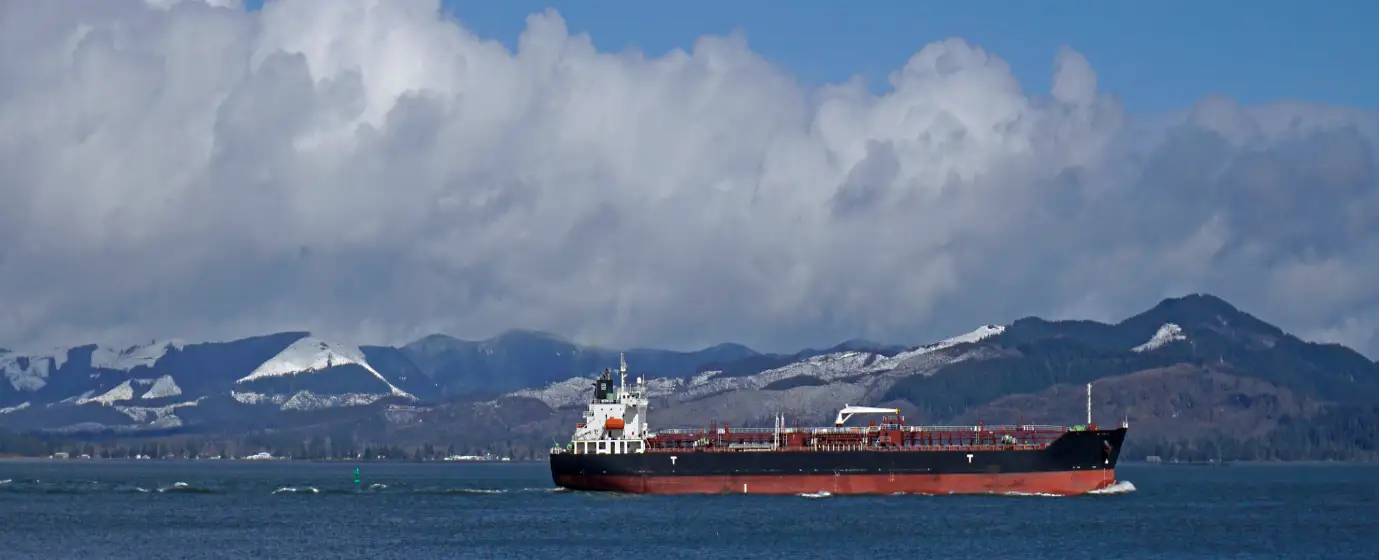
They do. About 6,343 of them, on 12.3 square miles wedged between the Columbia River estuary, Fort Stevens State Park, and the open Pacific. Warrenton sits at the far northwest corner of Oregon, roughly 110 minutes from Portland on a clear day — though "clear day" is doing real work in that sentence. The city is connected to Astoria by a short stretch of Highway 101 heading east, and to Seaside and Gearhart heading south. It exists in one of the most scenically dramatic settings of any small city in the Pacific Northwest, surrounded by dunes, wetlands, tidal rivers, and old-growth coastline. What shapes daily life here isn't any single amenity or commuter corridor — it's that geography itself, pressing in from all sides.
This guide is built for people who are seriously considering the move, not just dreaming about it. You'll get the honest neighborhood breakdown, what the housing market actually looks like heading into 2026, what locals love about this place, and the things that quietly drive some of them away after a few years. If Warrenton is the right fit for your life, the details in these pages will confirm it. If it isn't, better to know before you're under contract.
No relocation decision is one-size-fits-all, and Warrenton's particular combination of isolation, natural beauty, affordability relative to Portland, and small-town infrastructure fits some buyers almost perfectly — and others not at all. The table below cuts straight to the decision.
| Best For | Why |
|---|---|
| Remote workers | Broadband-connected homes, zero commute pressure, oceanfront lifestyle at a fraction of coastal California prices |
| Retirees | Mild climate, low crime relative to urban Oregon, world-class state parks as a backyard, manageable property taxes |
| First-time buyers | Entry points under $400K still exist in inland neighborhoods; median sold prices below Astoria and far below Portland |
| Outdoor lifestyle seekers | Fort Stevens, Coffenbury Lake, Cullaby Lake, Peter Iredale, and 20+ miles of trails all within the city's orbit |
| Families prioritizing space over services | Large lots, coastal setting, small district where kids aren't anonymous |
| Weekend-home buyers | Vacation and second-home market is active; strong seasonal rental upside near oceanfront zones |
The first thing Warrenton does well is make your surroundings feel improbable. You can leave a Costco parking lot in less than ten minutes and be standing next to a 19th-century shipwreck on a fogged-in beach. That compression of the ordinary and the extraordinary is the texture of everyday life here, and for people who've spent years in suburbs where every strip mall looks identical, it is genuinely disorienting in the best way. The town center along SW Main Avenue is small and functional rather than polished — a Fred Meyer, a Home Depot, local diners, a handful of services — but the surrounding landscape does most of the heavy lifting that urban amenities do elsewhere.
The commute to Portland is the single biggest practical reality to absorb before making any offer. At 110 minutes on a typical day, it's not a daily commute — it's a life restructuring. US-101 to US-26 or US-30 is the primary corridor, and it passes through Astoria, Svensen, and Elsie before the roads widen. Fog and rain don't dramatically slow the coastal section, but the mountain passes toward Portland can complicate winter timing. Most full-time Warrenton residents who work in Portland have negotiated fully remote or hybrid arrangements. If that's not your situation, the calculus changes significantly.
The community vibe leans toward practical self-reliance with a genuine neighborly streak. This isn't a city where the social scene revolves around trendy restaurants or weekend brunches — it revolves around the water, the parks, the seasonal rhythms of crab season and summer tourism, and events like the annual Astoria Warrenton Crab and Wine Festival, which draws around 10,000 visitors to the Clatsop County Fairgrounds each April. Locals treat that weekend as a neighborhood party that the tourists happened to also find. The Warrenton Waterfront Trail and Friday gatherings at Pacific Grange's monthly flea market give residents a place to run into each other outside of the usual errands.
One friction point worth naming directly: grocery access is better than the city's size would suggest — Fred Meyer handles most household needs — but specialty foods, ethnic grocery options, and higher-end dining require a drive into Astoria or further. Residents who cook seriously or have dietary needs beyond what a single large supermarket provides find themselves making that 10-mile eastbound trip more often than they anticipated. It's not a dealbreaker, but it shows up in almost every "what I didn't expect" conversation after six months of living here.
The outdoors access is not something that can be overstated and then re-understood in person. Fort Stevens State Park — one of the largest state parks in Oregon — effectively functions as Warrenton's backyard, offering more than 4,000 acres of trails, camping, wildlife viewing, historic military fortifications, and direct beach access. Coffenbury Lake inside the park is a freshwater swimming and fishing destination that most residents can reach in under 15 minutes. Sunset Beach, Del Rey Beach, and the wreck of the Peter Iredale at the park's western edge are not just visitor attractions — they're where locals walk their dogs on weekday mornings and watch storm waves in January.
The property tax situation is one of the most compelling financial arguments for Warrenton that rarely appears in relocation conversations. An effective rate of approximately 0.60% is meaningfully below both the national median and the Oregon state median. On a home at the city's median sold price, that translates to roughly $2,700 annually in property taxes — a figure that Portland and Salem buyers almost always react to with visible surprise. Combined with Oregon's absence of a state sales tax, the real cost of ownership here compares favorably to nearly any major metro in the region.
The school district, while small, earns its B+ rating with some genuine recent momentum. The Warrenton-Hammond School District posted an 86.3% graduation rate for the Class of 2024 — above Oregon's statewide rate and representing a substantial single-year improvement. Reading proficiency at Warrenton High places the school in roughly the top 20% of Oregon high schools on that metric. What the district offers that large suburban districts can't is scale: 974 students across four schools means teachers and coaches know students by name, and kids don't get lost in the system.
The cost of entry into coastal living — relative to any other Pacific Coast option in California or even in established Oregon beach towns like Cannon Beach — is still genuinely different in Warrenton. Buyers can access a real home within walking distance of tidal rivers, forest trails, and state park land for less than $450,000 in several neighborhoods. That combination of natural setting and price point is becoming rarer each year, and longtime residents are aware of it.

Looking to buy in Warrenton? Estimate your payment.
Enter your numbers to see an estimated monthly mortgage payment.
Estimate only. Excludes HOA fees and mortgage insurance.
The isolation is real, and it compounds. The 110-minute drive to Portland is one dimension of it, but the more pervasive version is the absence of the kind of institutional depth that mid-sized cities provide — regional medical centers, specialized retail, cultural venues, consistent high-speed transit options. Providence Seaside Hospital is the closest significant medical facility, and anything requiring specialty care typically means Astoria's Columbia Memorial Hospital or a trip to Portland. Residents who move here from metro areas often describe the first six months as an adjustment period during which they remap what "close" means.
Weather is not a tradeoff so much as a full identity negotiation. Warrenton receives approximately 74 inches of precipitation annually across roughly 131 rainy days — and the coastal fog adds a fifth season that no weather app prepares you for. Summers are cool and stunning. Winters are gray, wet, and dramatic in a way that some people find energizing and others find genuinely difficult. People who move here expecting Pacific Northwest rain and find themselves unprepared for coastal fog at 55°F in June often have a harder first year than they anticipated.
Why some people leave: The pattern among residents who ultimately relocate away from Warrenton tends to follow a consistent arc. They arrived for the lifestyle, loved the first couple of years, and then found that aging parents, a job change, kids reaching high school age and wanting more social options, or a desire for more urban amenity pulled them back toward Portland or toward Astoria, which is only 10 miles east but offers meaningfully more cultural infrastructure. Families with teenagers sometimes find Warrenton's small district limiting when it comes to elective course offerings, competitive club sports, or social diversity. The district itself acknowledges the gap — families seeking International Baccalaureate programs or formal gifted coursework look to Astoria or to dual-enrollment options at Clatsop Community College.
The property crime rate, reported at approximately 52 incidents per 1,000 residents, is an honest concern worth naming. This is higher than the violent crime figure (roughly 4 per 1,000) and tracks with patterns seen in coastal tourism communities where vehicle break-ins and property opportunism tend to spike during high-visitation months. Residents who've lived here more than a few years describe it as manageable with awareness — don't leave valuables visible in your car near trailheads and beach access points — but it's a different picture than a rural inland community of similar size.
Warrenton's geography creates genuinely distinct neighborhood characters — from gated oceanfront communities to working-class inland streets to quiet hammock zones along the Skipanon River. Here's what to know about each area before you start scheduling tours.
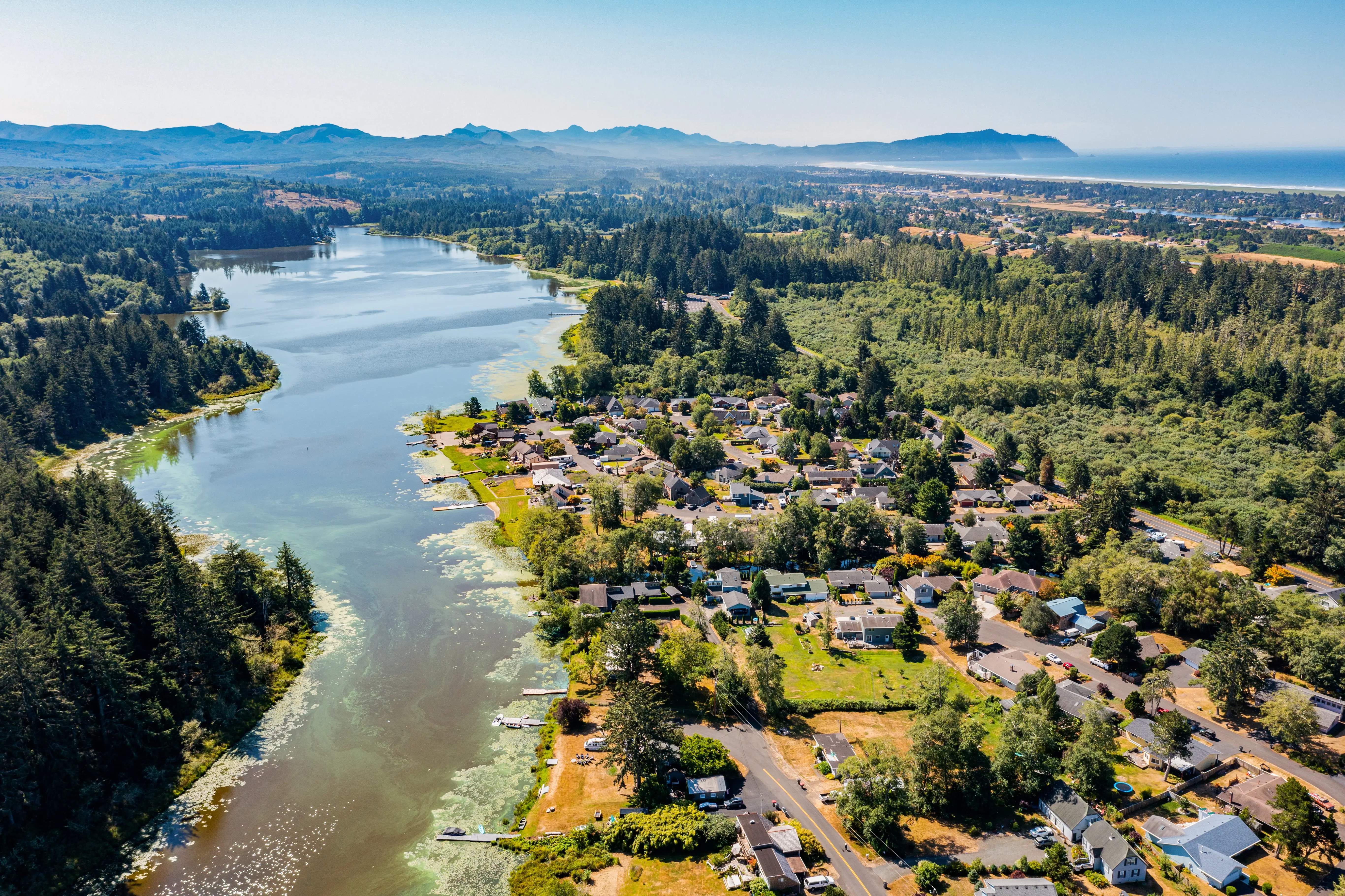
Sunset Beach sits in the northwest corner of Warrenton, fringing the state park and offering some of the most direct beach access in the city. The neighborhood has a notably high seasonal vacancy rate — more than one in five homes is seasonally occupied — which means it can feel quiet bordering on empty in winter and genuinely buzzing in summer. Homes here range from modest older beach cottages to renovated oceanfront properties, with pricing that spans a wide band depending on proximity to the water and lot size. The honest tradeoff is that year-round community density is thin, and winter isolation here is a more pronounced version of Warrenton's general isolation.
Best for: Remote workers and retirees who want maximum proximity to Fort Stevens and the beach, and are comfortable with quiet winters.
Carnahan is one of Warrenton's most established residential areas, with a mix of working-class single-family homes and longer-tenured owner-occupants who've been here for decades. Prices here tend to come in at or below the city median, making it one of the more accessible entry points for first-time buyers. The neighborhood's vacancy profile is similar to Sunset Beach — reflecting the broader seasonal housing pattern of the northwest quadrant — but the owner-occupant core gives it a more settled feel than pure vacation zones.
Best for: First-time buyers and value-focused buyers who want to be in Warrenton proper without paying oceanfront premiums.
Flavel occupies the inland residential core of Warrenton, clustered around the primary school zone and offering some of the most family-oriented streetscapes in the city. This is where you find the majority of year-round households with school-age children, and where the neighborhood feel most closely resembles a conventional small-town residential district. Home prices here track close to the city-wide median, and the housing stock tends toward post-war single-family construction on modest lots.
Best for: Families with children in the Warrenton-Hammond School District who want to minimize their kids' school commute and be embedded in a year-round community.
Juniper Ridge offers a quieter residential experience with a slightly more suburban street layout than Carnahan or Flavel. The neighborhood attracts buyers who want a bit more separation from the busier commercial corridors while staying within easy reach of Fred Meyer and Highway 101. Lots here tend to be larger than the older inland neighborhoods, and the construction is generally newer. It's not the most character-rich part of Warrenton, but it delivers reliability and space.
Best for: Buyers prioritizing larger lots, newer construction, and a quieter residential setting over walkability or coastal proximity.
DeLaura Beach is a coastal-adjacent neighborhood that sits south of Sunset Beach, close enough to the state park and beach access to command a premium but without the fully gated, amenity-heavy character of Surf Pines. The housing mix leans toward vacation-capable homes — properties that serve equally well as primary residences or seasonal rentals. Buyers here are often weighing the income potential of short-term rental use against the realities of living in a neighborhood with significant tourist traffic in summer.
Best for: Buyers open to using their home as a short-term rental asset while still maintaining it as a primary residence.
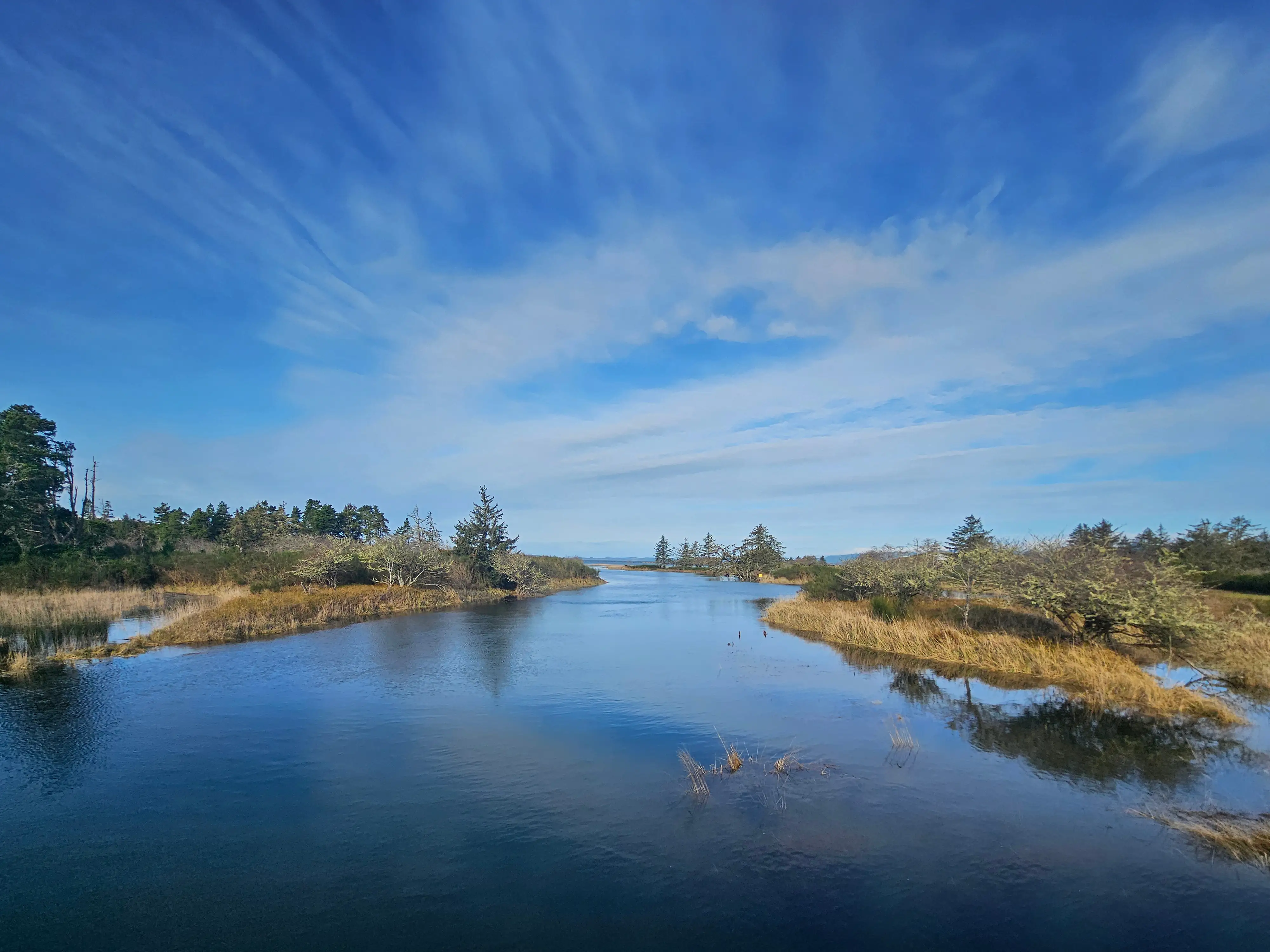
The Skipanon Peninsula is defined by its relationship to the Skipanon River and the tidal wetlands that surround it. This is one of the more distinctive geographic pockets in Warrenton — quiet, water-adjacent, and with a working waterfront character that appeals to buyers who want proximity to the Columbia River estuary ecosystem without being in the thick of the tourist zones. Prices here vary considerably based on water views and lot access, but the neighborhood rarely generates the same competitive tension as the oceanfront areas.
Best for: Buyers drawn to a waterfront or estuary setting rather than ocean beach access, and who value quiet over amenity proximity.
Hammond is technically a separate community just north of Warrenton's core, sitting along the Columbia River at the edge of the state park. It is small — a handful of streets and a historic fishing-village character — and housing inventory turns over infrequently. When homes do come to market here, they often attract buyers specifically seeking that riverside, park-adjacent setting. The sense of separateness from Warrenton proper is genuine; Hammond functions almost like its own enclave within the school district boundary.
Best for: Buyers who want maximum separation from Warrenton's commercial areas and are drawn to Hammond's historic riverfront character.
Roosevelt is a smaller residential pocket within Warrenton's grid, offering standard single-family homes at prices that tend to track at or slightly below the broader city median. It doesn't have the scenic positioning of the coastal neighborhoods or the gated amenities of Surf Pines, but it offers straightforward value and year-round occupancy. For buyers who want an uncomplicated purchase in a stable neighborhood, Roosevelt delivers.
Best for: Buyers prioritizing value and year-round community without specific requirements around water access or gated amenities.
| City | Best For | Home Price | Commute to PDX | Vibe |
|---|---|---|---|---|
| Warrenton | Outdoor lifestyle, remote workers, coastal entry buyers | ~$430K–$510K | ~110 min | Small-town coastal, practical |
| Astoria | Culture, history, walkability, career diversity | ~$350K–$450K | ~100 min | Historic port city, arts-forward |
| Seaside | Tourism-driven lifestyle, beachfront access | ~$450K–$550K | ~95 min | Resort town, busier summer scene |
| Gearhart | Premium quiet coastal living, golf community | ~$600K–$900K+ | ~95 min | Low-key, upscale, exclusive |
| Hammond | Maximum park proximity, small enclave living | Below Warrenton median | ~115 min | Micro-village, Columbia River character |
| Chinook, WA | Cross-river access, lower price points | Below all Oregon comparables | ~120 min | Rural, across the Astoria-Megler Bridge |
| Metric | Detail |
|---|---|
| Population | Approximately 6,343 |
| Median Sold Home Price | ~$430,000–$510,000 (mid-2026) |
| Property Tax Rate | ~0.60% effective rate |
| Median Household Income | ~$70,670 |
| School District Rating | B+ (Warrenton-Hammond School District 30) |
| Commute to Portland | ~110 minutes (US-101 to US-26/30) |
| Violent Crime Rate | ~4 per 1,000 residents |
| Annual Precipitation | ~74 inches; ~131 rainy days per year |
| Median Gross Rent | ~$1,366/month |
Warrenton runs on crab season in a way that outsiders underestimate until they've lived through it. The Dungeness crab fishery opening in the fall triggers a visible shift in the town's energy — crab pots in driveways, commercial boats working the bar, and a collective understanding that this is one of the reasons people chose this coast over the valley floor. The Astoria Warrenton Crab and Wine Festival each April (2026 dates: April 24–26) is the highest-profile expression of this, drawing roughly 10,000 visitors and about 150 vendors to the Clatsop County Fairgrounds, but the relationship with the harvest runs much deeper and quieter than any single festival weekend.
The Peter Iredale wreck at Fort Stevens is technically a tourist attraction and practically a neighborhood park. On foggy Tuesday mornings in February, it belongs entirely to locals walking dogs and watching the surf — no crowds, no interpretive signs drawing attention, just the rusted ribs of a 1906 British sailing ship dissolving slowly into the sand. Residents develop strong opinions about when the wreck is worth visiting, and "never on a weekend in July" is the most common answer.
What I would not do if I were moving to Warrenton: I would not buy on the beach-adjacent streets without understanding the short-term rental market dynamics of my specific block. Several streets in the Sunset Beach and DeLaura Beach zones have significant concentrations of Airbnb and VRBO properties, and the summer neighbor-to-tourist ratio shifts dramatically. That's fine if you're managing a rental yourself. It's a different experience if you're planning to work from home in July and expect residential quiet. Walk the block on a Saturday afternoon in August before you make an offer — the vibe will tell you everything the listing description won't.
The Big Gun Run 5K each September at Fort Stevens marks the Summer's End Festival, one of those local events that doesn't make national listicles but that locals circle on the calendar. The Warrenton Fall Festival, organized by Spruce Up Warrenton, draws the community out in a genuinely grassroots way — volunteers, local vendors, and the kind of event that reflects what the city actually cares about rather than what it's marketing to visitors.
Local Expert Takeaway: Buyers entering Warrenton's market in 2026 should focus their search by deciding first whether they're buying into the oceanfront/state park orbit or the inland residential core — because these are two meaningfully different financial and lifestyle purchases that happen to share a zip code. If you're drawn to the coast, the Sunset Beach and DeLaura Beach corridors offer the access, but build your budget around the reality that prices there start well above the city median and vacancy patterns mean your neighborhood's character changes by season. If year-round community and school proximity matter more, Flavel and Carnahan deliver that at prices that still make sense for first-time and move-up buyers. Don't let one spectacular beach walk during a property tour collapse that distinction — it's the most common source of buyer regret in this market.
✅ Warrenton offers genuine coastal Oregon living at a fraction of the price of comparable Pacific Coast communities, with state park access, low property taxes, and a B+ school district that punches above its size.
⚠️ The commute to Portland is a lifestyle commitment, not a weekly inconvenience — at 110 minutes, this city works best for remote workers, retirees, or buyers willing to restructure how they think about proximity to urban employment.
📍 The market splits between an affordable inland core and a premium oceanfront tier — know which one you're buying into before you fall in love with any specific address.
Is Warrenton, Oregon a good place for families?
Warrenton works well for families who value outdoor lifestyle, space, and small-school community culture over urban amenity access. The Warrenton-Hammond School District serves roughly 974 students across four schools, with a graduation rate above Oregon's statewide average and strong reading performance at the high school level. Families with children in specialized programs or competitive club sports may find the district's limited elective offerings a constraint as kids reach high school age, with some households making the short drive to Astoria for those options.
What is the crime rate in Warrenton?
The violent crime rate runs approximately 4 incidents per 1,000 residents — a figure that compares favorably to Oregon's urban centers. The property crime rate, at roughly 52 per 1,000, is the more relevant concern for daily life and reflects a pattern common to coastal tourism communities, where vehicle break-ins near beach and trailhead access points account for a meaningful share of incidents. Awareness and simple precautions — particularly around where you park and what's visible in your vehicle — address most of the practical risk.
How does Warrenton compare to Astoria for a relocation decision?
Astoria offers more cultural infrastructure, a more walkable historic downtown, and a wider range of employment options in a city of roughly 9,500 people — with home prices that actually run somewhat comparable to Warrenton's inland neighborhoods. Warrenton wins on state park access, oceanfront proximity, and property tax savings, and many buyers find that the two cities function more as complements than competitors, with Astoria's restaurants, library, and medical facilities easily accessible in a 10-minute drive east. If daily walkability and urban amenity access matter more than beach and park adjacency, Astoria is the stronger fit.
Explore the full Warrenton series: The Ultimate Warrenton Relocation Guide · Is Warrenton Safe? · Cost of Living in Warrenton · Best Neighborhoods in Warrenton · Warrenton Schools & Family Life · Warrenton Youth Sports · Warrenton Parks & Recreation · Retiring in Warrenton · 1031 Tax-Deferred Exchange in Warrenton · Warrenton First-Time Homebuyers Guide · · Moving to Warrenton from California
Tell us what you need help with and we'll connect you with local resources.

About the Author
Todd Davidson is the founder of Living in Oregon and Living in Washington, where he publishes in-depth city guides, neighborhood resources, and local market insights covering more than 180 communities across the Pacific Northwest. While his background is in home financing and real estate, he created these digital platforms to help families research and compare regions before making a move.
Check Out the Oregon Coast Rankings: Oregon Coast Cost of Living — All 16 Cities Ranked · Best Places to Retire on the Oregon Coast · Best Oregon Coast Cities for Families · Best Oregon Coast Cities for Remote Workers · Oregon Coast Real Estate Market Report 2026 · Oregon Coast vs. Washington Coast