Portland Metro · Oregon
The Happy Valley Realtor's Perspective

I'm Elizabeth Davidson, a broker with Cascade Hasson Sotheby's International Realty and consistently ranked in the top 2% of REALTORS® in the Portland Metro by volume sold. Happy Valley and the broader Clackamas County corridor — Sunnyside Road out to Damascus, north to Milwaukie, south toward Oregon City — is where I've spent a significant part of my career. I know which streets carry highway noise and which ones feel like you've left the city entirely, and I know how to tell the difference on paper before a buyer ever steps foot in a driveway.
What I actually do for buyers here is push back on the assumptions they arrive with. Happy Valley gets treated as one uniform suburb, when in reality the price gap between a Sunnyside Road townhouse and a Jackson Hills hillside home can be $300,000 or more — and that's before you factor in lot size, views, and what your commute actually looks like from each location. I'd rather surface that complexity on day one than have a buyer under contract on a house that doesn't fit their life.
In this post, I'll walk you through the neighborhoods worth knowing, what different budgets actually buy, and who Happy Valley genuinely is — and isn't — the right fit for.
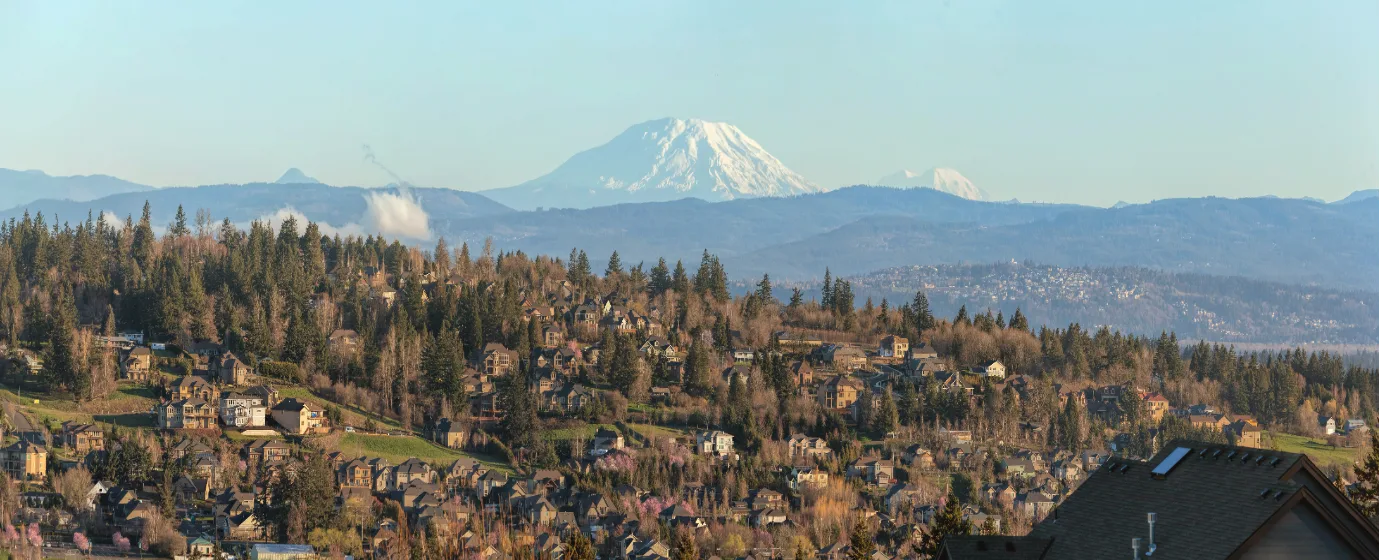
Jackson Hills sits in the top tier — think $700K and up — and for buyers who want to understand why, drive up into the neighborhood on a clear morning and look back toward Mount Hood. The streets are quiet, the lots are generous, and the separation from the Sunnyside Road retail corridor is real. This is where buyers who've done their research in Happy Valley tend to land when they decide they're staying.
Sunnyside is where most buyers start their search, and it's a sensible entry point. It runs in the middle tier — the $580K–$700K range — and on a Saturday morning when the Happy Valley Farmers Market is open along SE 172nd, the neighborhood has real energy. The tradeoff is honest: you're close to everything on Highway 212, and you can hear it. Buyers who walk a lot and want proximity to the Town Center love it; buyers who want quiet regret it.
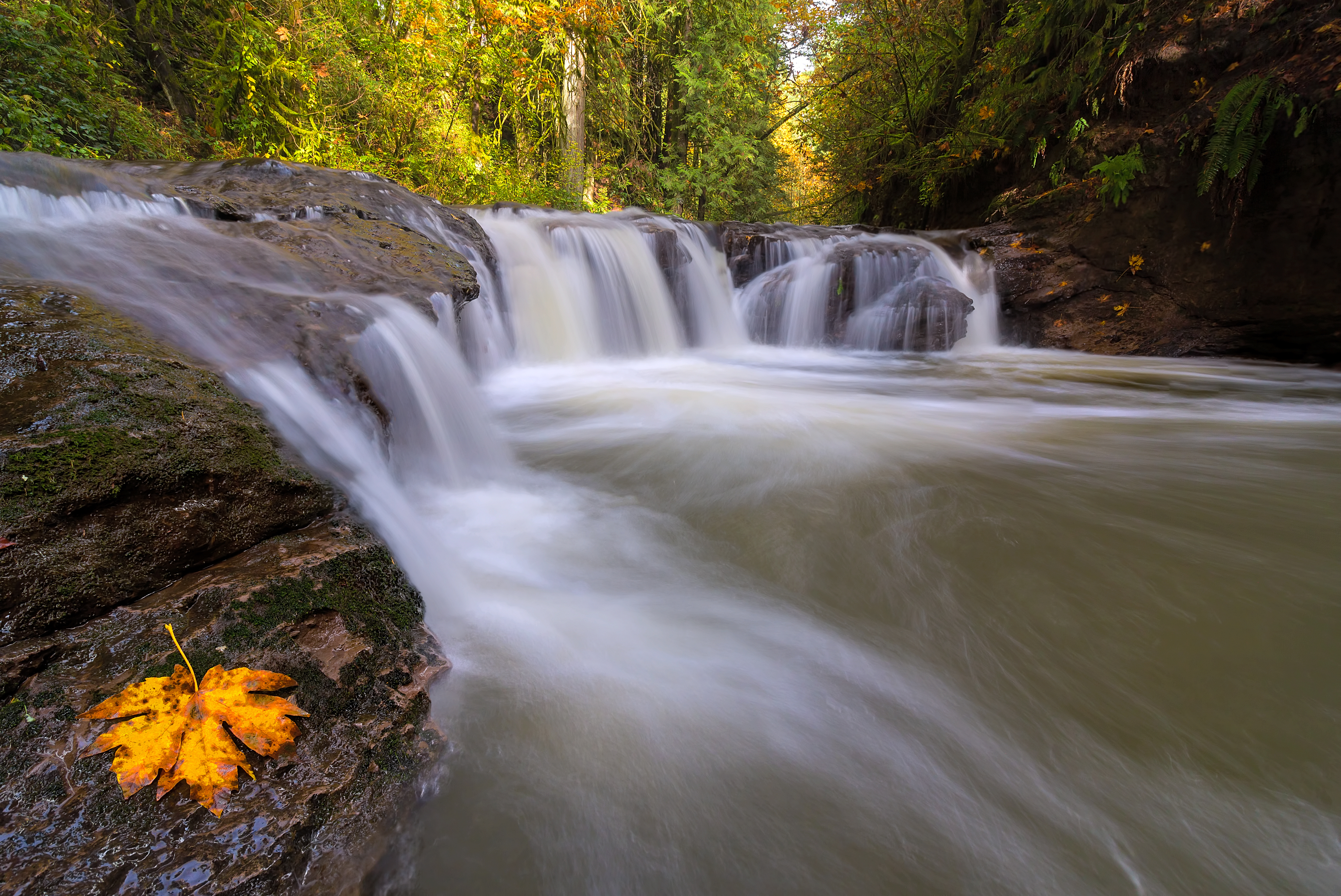
Rock Creek is the most accessible entry point in Happy Valley, generally coming in under $580K, and it draws buyers who want the school district without stretching the budget. The neighborhood sits near Rock Creek Trail, which connects into a wider network of paths — families with kids who bike are the ones who tend to appreciate it most. It's not the flashiest address in the city, but it delivers solid value for what you're paying.
Lincoln Heights is a hillside neighborhood in the top tier that doesn't get as much outside attention as Jackson Hills but deserves a look. The homes are set back on larger lots with territorial views, and the streets are calm enough that kids are regularly outside after school in a way you don't see in the flatter, denser parts of the city. Buyers who prioritize that kind of neighborhood feel — and who've been priced out of Lake Oswego — find Lincoln Heights worth the conversation.
Heritage Heights floats between the entry tier and the middle tier depending on the specific street and lot, which makes it useful for buyers who are flexible on price and want to land in a well-established part of the city. The neighborhood sits within easy reach of Mount Talbert Nature Park, and buyers who like the idea of a trail out their back door — not just a nature park they visit occasionally — tend to respond to it. It's one of the areas I'll mention in a first call when someone gives me a $550K–$650K ceiling.
West Mount Scott occupies the mid-to-upper end of the middle tier and offers something that's harder to find at this price point in the Portland Metro: mature trees, real hillside elevation, and a genuine sense of remove from the suburban grid below. The proximity to Scouters Mountain Nature Park means buyers who run or hike have a destination literally minutes from home. For buyers coming from denser Pacific Northwest cities, this is often the neighborhood that changes the conversation.
The single biggest mistake I see is buyers treating Happy Valley as one uniform market and using the citywide median to set their expectations. The spread here is genuinely wide — Rock Creek and Heritage Heights can come in under $580K, while Jackson Hills and Lincoln Heights regularly push past $800K — and which tier you're shopping in determines almost everything about the neighborhood character you'll actually experience.
The second misconception is about walkability. Happy Valley has good parks, good trails, and a farmers market that draws a real crowd on weekends. What it doesn't have is a walkable mixed-use core in the way Portland neighborhoods like Sellwood or Multnomah Village do. Buyers coming from walkable urban neighborhoods sometimes hear "Town Center" and expect a street grid with restaurants and coffee shops they can get to on foot from their front door. The reality is suburban — car-dependent for most errands, which is fine if that's what you want, but not a surprise you want to absorb after you're under contract.
The third thing buyers get wrong is the commute. Twenty-five minutes to Portland sounds clean and easy, and it can be — at 10am on a Tuesday. During peak hours along the 205 and I-84 interchange, the same drive can stretch significantly longer depending on where in Portland you're going. Buyers who will commute daily deserve a realistic test drive before they commit to a hillside home in Jackson Hills that adds another ten minutes of surface streets.
| Budget | What You'll Typically Find | Where to Look |
|---|---|---|
| Under $580K | Smaller single-family homes, townhouses, older stock on flatter lots | Rock Creek, Heritage Heights, parts of Sunnyside |
| $580K–$700K | Larger single-family homes, newer construction, good school proximity | Sunnyside, West Mount Scott, parts of Heritage Heights |
| $700K and up | Hillside homes, larger lots, territorial views, newer finishes | Jackson Hills, Lincoln Heights, Mount Scott Highlands |
The honest summary: Happy Valley's middle tier punches above its weight for space and school quality. Buyers who move here from higher-cost metros often find that the $580K–$700K range buys significantly more square footage and lot size than they expected — and that the top tier here is still well below comparable hillside properties in Lake Oswego or the West Hills.
Happy Valley has settled into a more balanced market through early 2026, with homes taking longer to move than they did at the peak — the frenzied multiple-offer environment of 2021–2022 is gone, and buyers who are patient and prepared have more negotiating room than they've had in years. The citywide median sold price has held in the $658K–$681K range depending on the source and timeframe, suggesting stabilization rather than a sharp correction in either direction.
Happy Valley fits buyers who have kids in or approaching school age, who commute to the southeast Portland corridor or can work hybrid, and who want a newer home with a yard on a quiet street without paying Lake Oswego prices. The North Clackamas School District consistently draws families who've done the research — it's the reason a lot of buyers start their search here rather than in neighboring Gresham or Clackamas.
It's a weaker fit for buyers who want urban energy, genuine walkability, or proximity to Portland's core neighborhoods without a car. If that's the priority, Milwaukie or the inner Southeast Portland neighborhoods will serve you better — you'll likely pay a similar price for less square footage, but you'll be able to walk to dinner.
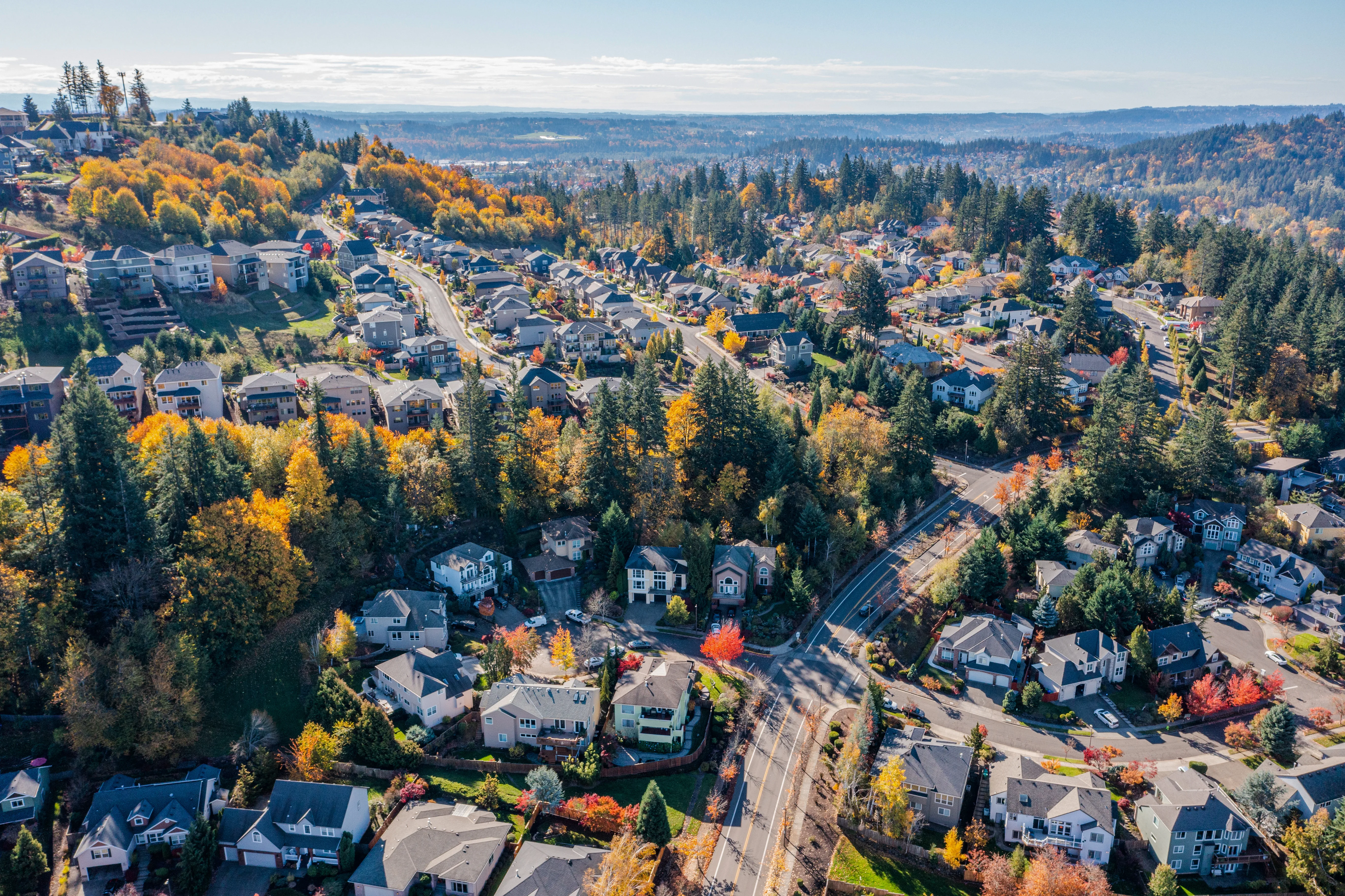
Buyers coming from California — particularly the Bay Area and Southern California — consistently underestimate how far their budget goes in Happy Valley. They arrive expecting to compromise on everything after years of paying Bay Area prices, and they end up with a four-bedroom home on a hillside lot with a view, in a school district that would have been a selling point at twice the price back home. The adjustment takes a few weeks to feel real.
The other pattern I see across out-of-state relocations is surprise at how fast Happy Valley is actually growing. People moving from Seattle or Arizona often picture a sleepy suburb and arrive to find new construction going up across multiple neighborhoods, a farmers market that draws a genuine crowd, and a city that's added nearly a third of its current population just since 2020. For buyers who want an established, mature neighborhood feel, that growth rate is worth factoring in — not a reason to avoid Happy Valley, but something to be clear-eyed about.
| City | Schools | Commute to Portland | How It Compares |
|---|---|---|---|
| Happy Valley | B+ (North Clackamas SD) | ~25 min off-peak | Strong schools, newer stock, higher price floor |
| Clackamas | B (North Clackamas SD) | ~20 min | Same district, lower prices, more industrial feel |
| Milwaukie | B (North Clackamas SD) | ~15 min | Closer in, more walkable, smaller lots, lower prices |
| Oregon City | B (Oregon City SD) | ~30 min | More affordability, established neighborhood character, longer commute |
| Gresham | C+ (Reynolds SD) | ~25 min | Lowest price point, weaker schools, different buyer profile |
| Damascus | Unincorporated | ~30 min | More rural, large lots, limited services, planning uncertainty |
The practical read: if your priority is school quality and you can absorb the price, Happy Valley and Clackamas are the strongest options in this corridor — they share the same district and a lot of the same infrastructure. If commute time matters more than square footage, Milwaukie closes the gap considerably and still offers a decent school district. Gresham competes on price but involves a real trade-off on schools that buyers with kids in the district tend to feel quickly.
What's it like living in one of the fastest-growing cities in Oregon? It feels exactly like what it is — a city in the middle of a building boom. Happy Valley has added close to a third of its current population just since 2020, so you'll see established hillside neighborhoods like Jackson Hills sitting right next to active construction. The upside is genuine community energy — a farmers market that draws a real crowd, new parks coming online regularly. The trade-off is that "established neighborhood feel" is something you have to seek out by street, not assume citywide.
Is the 25-minute commute estimate to Portland realistic? At 10am on a Tuesday, yes. During peak hours on the 205/I-84 interchange, that same drive can stretch noticeably longer depending on your destination. Sunnyside and Rock Creek — the flatter neighborhoods closest to the freeway — consistently shave minutes off the commute compared to hillside addresses like Jackson Hills, which add surface-street time before you even hit 212.
Which Happy Valley neighborhood actually fits me? Jackson Hills is the top-tier pick for buyers chasing views and quiet — $700K and up. Rock Creek is the most accessible entry point, generally under $580K, and it sits near the Rock Creek Trail network that families with kids who bike genuinely use. Sunnyside is the middle-tier choice with real energy — close to everything on Highway 212, with the trade-off of hearing it. Heritage Heights is the flexible option for buyers with a $550K–$650K ceiling.
How strong is the North Clackamas school district here? It carries a B+ rating and is consistently the reason families start their search in Happy Valley rather than neighboring Gresham or Clackamas. It's not in the same tier as Lake Oswego or West Linn-Wilsonville, but it's a meaningful step up from the districts immediately surrounding it.
How does Happy Valley compare to Clackamas, Milwaukie, and Oregon City? Clackamas shares the same school district at a meaningfully lower price floor, with more industrial adjacency and less polish. Milwaukie is the closest commute by far — about 15 minutes — and more walkable, but with smaller lots and a different school district. Oregon City offers more affordability and established character at the cost of a longer drive.
Is Happy Valley as safe as its name suggests? Mostly, with real nuance. Violent crime is genuinely rare — the odds of being a victim run around 1 in 720, well below national norms. Property crime is the more honest concern: it's elevated citywide, concentrated heavily in the western, retail-adjacent part of the city rather than the hillside neighborhoods. Southeast Happy Valley consistently rates as the quietest part of town.
Is any part of Happy Valley walkable? The city center itself scores in the teens on Walk Score — solidly car-dependent. But the pocket near 82nd Avenue and Clackamas Town Center hits the 70s, genuinely walkable, and Sunnyside is the neighborhood that benefits most from that proximity. If walkability is a real priority, that's the corridor to target rather than the hillside addresses.
What's the long-term value outlook for Happy Valley? The median sold price has held in the $658K–$681K range, suggesting stabilization rather than correction after the 2021–2022 peak. Local housing data grades Happy Valley highly for appreciation potential and affordability ratio relative to comparable suburbs. The simplest long-term case: Happy Valley's top tier is still meaningfully below Lake Oswego's ceiling, which leaves real room to grow as the hillside neighborhoods mature and the city's rapid build-out settles.
If you're serious about Happy Valley in 2026, the most useful thing you can do before anything else is drive the neighborhoods at rush hour — specifically, drive from the house you're considering to your actual workplace on a Tuesday morning, not a Saturday afternoon. The commute number quoted for this city is real under the right conditions, and it's optimistic under the wrong ones. Knowing the difference before you're under contract saves a lot of grief.
What I've learned after years of working this corridor is that the buyers who end up genuinely happy here — not just satisfied, but enthusiastic about where they landed — almost always picked the right neighborhood for their daily life, not just the right house for their budget. The people who find themselves content a year in are the ones who cared as much about what they'd do on a Saturday morning as they did about the price per square foot. Happy Valley has real assets: good schools, trail access, newer homes, and a community that's building something. It rewards buyers who show up knowing what they actually want.
If you're thinking about a move to Happy Valley and want a straight conversation about where your budget lands and which neighborhoods fit your life, I'd genuinely love to talk.
Browse current listings updated daily — filtered for Happy Valley buyers by Elizabeth Davidson, your local expert.
Powered by Elizabeth Davidson · Cascade Hasson Sotheby's International Realty · 503-939-2035
Explore the full Happy Valley series: The Ultimate Happy Valley Relocation Guide · Is Happy Valley Safe? · Cost of Living in Happy Valley · Best Neighborhoods in Happy Valley · Happy Valley Schools & Family Life · Happy Valley Youth Sports · Happy Valley Parks & Recreation · Retiring in Happy Valley · 1031 Tax-Deferred Exchange in Happy Valley · Happy Valley First-Time Homebuyers Guide · · Moving to Happy Valley from California · The Happy Valley Realtor's Perspective · Top 10 Questions a Realtor Gets About Happy Valley