Southern Oregon · Oregon
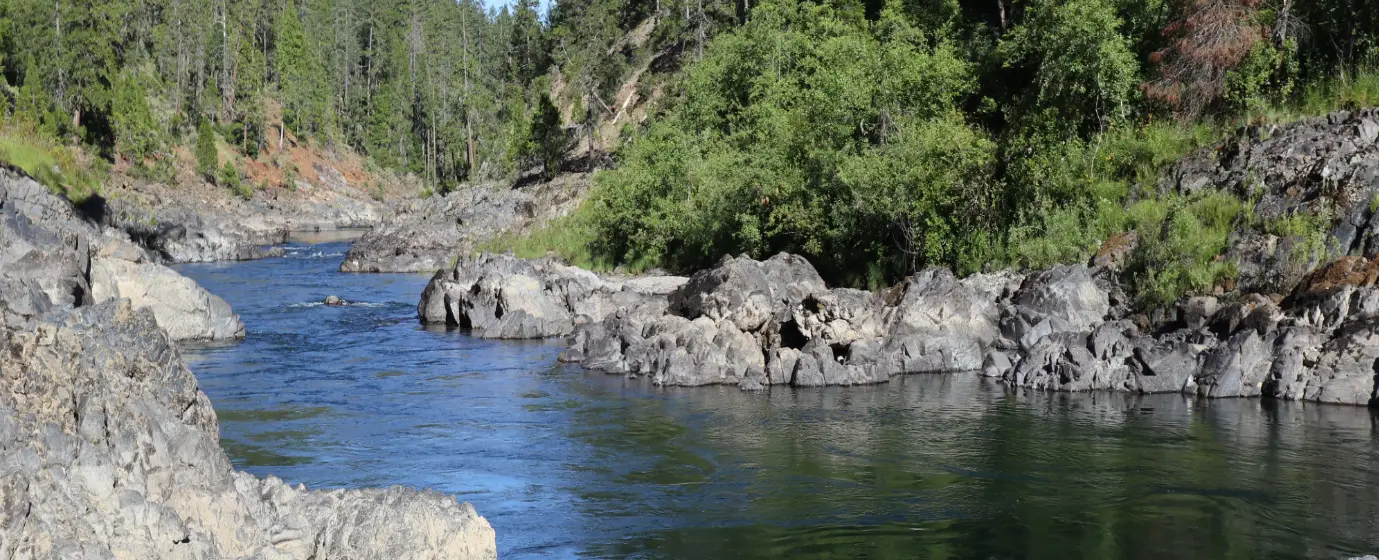
Buying your first home is the moment everything gets real — and if you're looking at Cave Junction, you've probably already done enough searching to know that Southern Oregon doesn't get talked about the way Portland does. That's actually the point. There's something quietly significant about being able to buy a three-bedroom home in a place surrounded by old-growth forest, national monuments, and the Illinois River, without needing a six-figure income to make it pencil out. Cave Junction isn't a second-choice market. For buyers who understand what they're working with, it's one of the more honest entry points into Oregon homeownership left.
The median home price in Cave Junction sits at $351,000 — and what that gets you here is genuinely different from what it buys in Medford or Grants Pass. At that price point, buyers are finding updated three-bedroom, two-bath ranch homes on real land, new construction in the Eden View subdivision with granite counters and modern finishes, and rural parcels with covered patios, fruit trees, and room to breathe. The gap between renting and owning in the Illinois Valley is real and worth examining: if you're paying $1,200–$1,500 a month in rent, a mortgage on a $351,000 home at current rates and today's 0.55% property tax rate puts you in comparable territory — but you're building equity, not paying someone else's mortgage.
This guide walks you through the entire first-time buying process as it actually works in Cave Junction — not the generic Oregon version. You'll find out what your budget realistically buys, where the market traps are, which loan programs fit this zip code, and what experienced buyers consistently underestimate when they enter this market for the first time.

Cave Junction works for first-time buyers in ways that most of Oregon no longer does. The price point is the obvious starting advantage — at $351,000 median, you're well below Grants Pass (which runs closer to $400,000–$430,000) and dramatically below Medford or Ashland. But the value goes deeper than just the number. Because this is a buyer's market right now — with homes sitting an average of 189 days before closing and inventory of over 120 active listings — negotiation room exists that buyers in faster markets simply don't have. Sellers in Cave Junction are often willing to contribute toward closing costs, accept inspection contingencies, and negotiate on price in ways that would be laughed at in Portland or Bend.
The honest limitations are worth naming too. Cave Junction is a small, rural town of about 2,071 people, and the economy reflects that. The commute to Grants Pass runs about 39 minutes on Highway 199 — manageable if you're used to rural living, but a real daily commitment if you're not. The school district carries a C rating, which matters for long-term resale value in some buyer pools. And below the $300,000 mark, the inventory shifts toward manufactured homes and fixer-uppers that require careful inspection and sometimes unconventional financing. First-time buyers who go in clear-eyed about those realities tend to do well here. Those expecting a Portland suburb priced like a small town tend to struggle with the trade-offs.
| Price Range | What You Typically Find | Neighborhood/Area Examples | Competition Level |
|---|---|---|---|
| Under $300K | Manufactured homes, mobile homes on land, significant fixer-uppers | Rural outskirts, older areas near downtown | Low — limited buyer pool |
| $300K–$350K | Older ranch-style homes on larger lots, some recently updated; entry new construction | Core Cave Junction, rural roads off Hwy 199 | Moderate — motivated sellers |
| $350K–$450K | Updated 3BR/2BA ranch homes on acreage, new construction with modern finishes | Eden View subdivision, Kerby area parcels | Moderate — longer DOM works in buyer's favor |
| $450K–$550K | Larger homes with gated access, river-adjacent properties, newer builds | Illinois River corridor, private road communities | Low competition, but limited inventory at this tier |
| $550K+ | Rare in Cave Junction proper; custom builds, established acreage properties | Outlying acreage outside city limits | Thin market — long listing cycles |
The realistic first-time buyer sweet spot in Cave Junction right now is the $300,000–$400,000 range. That tier contains the most active inventory, the most motivated sellers, and genuine variety — from new construction in Eden View to updated ranch homes on usable acreage with features like RV hookups and fruit tree orchards. One active builder even offered a promotional interest rate of 5.125% on new construction in mid-2026, which at these price points makes a meaningful monthly difference.
The $350K–$450K range represents the best value entry for buyers who want move-in-ready condition and at least some land. Homes that sold in the $307,000–$350,000 range over the past 90 days skewed toward older construction with updates, but savvy buyers who negotiated from extended-DOM listings found genuine quality at that tier. If your maximum comfortable budget is $400,000, Cave Junction is one of the few places in Oregon where that still buys you something real.
| Step | What Happens | Typical Timeline | What First-Timers Get Wrong |
|---|---|---|---|
| Get finances in order | Pull credit, reduce debt, gather tax returns and pay stubs | 1–3 months before searching | Underestimating how DTI limits the loan amount |
| Pre-approval | Lender reviews income, credit, assets; issues pre-approval letter | 1–3 days with same-day options | Confusing pre-qualification (informal) with pre-approval (verified) |
| Find an agent | Interview local agents who know Josephine County's quirks | Before active searching | Skipping this step and relying on listing agent |
| Active search | Tour homes, narrow criteria, understand what each tier actually looks like | 2–8 weeks | Shopping above comfort budget because "it's still affordable" |
| Making offers | Write offer with agent; set price, terms, contingencies | Days to weeks into search | Waiving contingencies unnecessarily in a buyer's market |
| Under contract | Earnest money deposited; inspection and appraisal windows open | Immediately after acceptance | Not knowing that earnest money norms run $1,000–$3,000 in this market |
| Inspection | Hire independent inspector; review findings | 7–14 days typically | Skipping or ignoring results on older ranch-style homes |
| Appraisal | Lender orders appraisal; must meet or exceed purchase price | 1–2 weeks | Not understanding appraisal gaps on unique rural properties |
| Final walkthrough | Confirm property condition matches contract | 24–48 hours before close | Skipping this step — condition changes have happened |
| Closing | Sign documents, fund loan, receive keys | 30–45 days from offer acceptance | Not having closing costs ready in addition to down payment |
The buying process in Cave Junction moves more slowly than buyers conditioned by Portland or Bend market news expect — and that's actually an advantage. With 189-day average days on market as of mid-2026, you are not in a sprint. Sellers here are not fielding five offers over weekend open houses. In Josephine County, it's standard practice to include full inspection contingencies, and most offers are not waiving them. Earnest money deposits typically run in the $1,000–$3,000 range, not the $10,000–$20,000 norms buyers hear about in urban markets.
Closing timelines in this county typically run 30–45 days for conventional and FHA financing, and 45–60 days for USDA loans, which require an additional rural eligibility approval step. Cave Junction is fully USDA-eligible — the entire area qualifies for USDA Rural Development financing, which means zero-down options are available for buyers who meet income requirements. That distinction alone changes the math for buyers who have income but limited savings.
Looking to buy in Cave Junction? Estimate your payment.
Enter your numbers to see an estimated monthly mortgage payment.
Estimate only. Excludes HOA fees and mortgage insurance.
For a conventional loan, lenders want a minimum 620 score, but the real inflection point is 680 and above. The difference between a 650 and a 740 credit score on a $351,000 loan can easily mean a quarter to half a percent difference in your interest rate — which translates to $50–$80 per month in payment. Over 30 years, that's not trivial. FHA loans accept scores as low as 580 for 3.5% down, and some lenders will go to 500 with a 10% down payment, though the mortgage insurance costs at lower scores make this a significantly more expensive loan over time.
To qualify comfortably for a $400,000 purchase, most lenders want to see gross monthly income around $5,600–$6,200 to stay within the 28% front-end DTI guideline. For a $450,000 home, that rises to roughly $6,400–$7,000 per month. DTI — debt-to-income ratio — is the percentage of your gross income that goes toward all debt payments, including the new mortgage. If you carry a car payment, student loans, or credit card minimums, those reduce what the lender will let you borrow. Many first-time buyers are surprised to learn that their income would qualify for a larger loan if they first paid down a $300/month car payment. That math is always worth running before you apply.
For USDA loans specifically, the income ceiling matters as much as the floor. The program targets moderate-income buyers, and income limits apply to the entire household. Cave Junction's median household income of $39,291 puts many buyers squarely in the eligible range for programs designed for this exact community.
Mistake 1: Using list price as a reference point instead of sold price. In a market where the median list price runs around $396,000 but the 90-day median sold price has been closer to $307,000, there is a significant gap between what sellers ask and what buyers actually pay. First-timers who see a $375,000 listing and assume that's the market are starting negotiations from the wrong floor.
Mistake 2: Skipping the inspection on older ranch homes. Cave Junction has a substantial inventory of 1970s and 1980s ranch-style construction. These homes often photograph well after cosmetic updates — new flooring, fresh paint, a kitchen island — but carry real deferred maintenance risk in roofing, septic systems, and older heating infrastructure. In a buyer's market where sellers are motivated, you have every reason to demand a full inspection. Waiving it to look competitive is unnecessary here.
Mistake 3: Shopping at the top of their qualification number. What a lender approves you for and what you can comfortably sustain month to month are different figures. With the median household income in Cave Junction at $39,291, some buyers push into loan amounts that max out their monthly budget and leave zero cushion for property maintenance, a vehicle issue, or an unexpected repair. Buying at 85–90% of your maximum qualification — not 100% — is a habit that protects first-time buyers in markets where incomes are tight.
Mistake 4: Ignoring USDA as an option. Cave Junction's full USDA eligibility means zero-down financing is genuinely on the table for buyers who qualify by income. Many first-time buyers either haven't heard of the program or assume rural areas in Oregon don't qualify. The result is buyers scrambling to save 3–5% down when they could be building that savings into reserves instead.
Mistake 5: Waiting for prices to drop significantly. The Cave Junction market has already moderated from its 2022–2023 peaks, and the current extended days-on-market environment reflects that adjustment. Buyers who are waiting for another dramatic correction are risking the window where interest rates might tick higher and seller concessions might tighten. The negotiating environment that exists in mid-2026 — long DOM, motivated sellers, full contingencies accepted — is favorable by any historical standard.
Cave Junction is a small city, and the "neighborhood" concept works differently here than in an urban market. Location decisions tend to revolve around proximity to Highway 199 for the Grants Pass commute, lot size preferences, and whether you're looking at in-town walkability (modest as it is) versus rural privacy on a larger parcel.
Eden View subdivision is the clearest first-timer entry point right now. New construction in the $350,000–$400,000 range, modern finishes, 3BR/2BA layouts around 1,550 square feet, and 0.16-acre lots. No deferred maintenance, no guessing on systems, and builder incentives including promotional rates make this the most turnkey option in the market. The downside is smaller lot sizes compared to what rural Cave Junction offers — but for a buyer who wants to own without inheriting someone else's repair list, this is the logical starting point.
In-town core and streets off Rockydale Road give buyers access to the downtown services and schools without venturing far from the community center. Homes in this area in the $300,000–$380,000 range tend to be older ranch construction, and condition varies considerably. Buyers willing to do a thorough inspection and accept some deferred maintenance can find solid value. Resale is steadier here than on remote rural parcels because the buyer pool for in-town homes is broader.
Kerby and the Hwy 199 corridor toward Grants Pass offers rural character with slightly easier commute access. Land parcels with older homes in the $280,000–$380,000 range appear in this area, and buyers looking for acreage, garden space, or room for animals find options that simply don't exist at these prices in most of Oregon. The catch is that older home stock on rural parcels requires the most thorough inspection — septic systems, well water, and older electrical panels are the specific things to verify.
Rural acreage south of town toward O'Brien and Takilma attracts buyers specifically seeking privacy and land. Prices on 3–5 acre parcels with older homes range widely, and this tier is least suitable for first-timers without construction or rural living experience. It's worth noting for buyers who have those skills — but it's not a starting point for someone navigating their first transaction.
✅ Cave Junction is one of the few Oregon markets where a first-time buyer can realistically purchase a move-in-ready home — especially with USDA zero-down financing or FHA's low down payment option in play.
⚠️ The extended days on market (averaging 189 days in mid-2026) is an advantage for buyers, not a red flag — use it to negotiate price reductions, seller-paid closing costs, and full inspection contingencies.
📍 Eden View subdivision offers the clearest new-construction entry point under $400,000, with modern finishes and no deferred maintenance risk — the most buyer-friendly option for first-timers in Cave Junction right now.
Can I buy a home in Cave Junction with little to no down payment?
Yes — and Cave Junction is actually one of the better markets in Oregon for low-down-payment options. The entire Cave Junction area qualifies for USDA Rural Development financing, which allows eligible buyers to purchase with zero down payment. FHA loans are also available with a low down payment and a credit score as low as 580, making this one of the more accessible markets in the state for first-time buyers with limited savings.
How long does it take to buy a home in Cave Junction from start to close?
For most first-time buyers who start from scratch, the realistic timeline from "I'm ready to get serious" to keys in hand runs 60–90 days. Getting pre-approved typically takes a few days with today's lenders. Active home searches in Cave Junction currently have plenty of inventory, so finding the right property often happens within a few weeks. Once under contract, conventional and FHA loans typically close in 30–45 days, while USDA loans add an additional approval layer and commonly run 45–60 days.
What are closing costs for a first-time buyer in Cave Junction?
Closing costs typically run 2–4% of the loan amount and include lender fees, title insurance, escrow fees, prepaid property taxes, homeowner's insurance, and prepaid interest. On a $351,000 purchase, that's roughly $7,000–$14,000 in addition to your down payment. In Cave Junction's current buyer's market, it's common to negotiate seller-paid closing costs into the offer — reducing or eliminating that out-of-pocket expense entirely. Asking for 2–3% in seller concessions on a home with extended days on market is a reasonable strategy here.
Explore the full Cave Junction series: The Ultimate Cave Junction Relocation Guide · Is Cave Junction Safe? · Cost of Living in Cave Junction · Best Neighborhoods in Cave Junction · Cave Junction Schools & Family Life · Cave Junction Youth Sports · Cave Junction Parks & Recreation · Retiring in Cave Junction · 1031 Tax-Deferred Exchange in Cave Junction · Cave Junction First-Time Homebuyers Guide · · Moving to Cave Junction from California
Tell us what you need help with and we'll connect you with local resources.

About the Author
Todd Davidson is the founder of Living in Oregon and Living in Washington, where he publishes in-depth city guides, neighborhood resources, and local market insights covering more than 180 communities across the Pacific Northwest. While his background is in home financing and real estate, he created these digital platforms to help families research and compare regions before making a move.