Southern Oregon · Oregon
Cave Junction Schools & Family Life: Top Districts, Academics & Community (2026)
If you're moving to Cave Junction with kids in tow, the honest starting point is this: the Three Rivers/Josephine County School District carries a C rating, and the numbers behind that grade are real. Proficiency scores sit well below state averages, chronic absenteeism runs high, and the district-wide graduation rate has trended downward in recent years. That's the baseline — and it matters before you make an offer on a house.
What shapes school quality here isn't a funding shortfall alone. Cave Junction sits in one of Oregon's more economically challenged corners, and the schools reflect that reality. Over half of district students qualify as economically disadvantaged, which correlates directly with the proficiency gaps families will encounter. Teacher turnover, rural isolation, and a limited pool of enrichment options compound the challenge. These aren't excuses — they're context that helps relocating families set honest expectations.
This guide walks through every school your child is likely to attend: the elementary feeder, the middle school, and Illinois Valley High School — where the story gets more complicated and, in some ways, more encouraging than the district averages suggest. You'll also find honest guidance on who this district is and isn't right for, plus alternatives worth considering.

| Metric | Data |
|---|---|
| District enrollment | 4,464 students across 17 schools |
| Student-teacher ratio | 19:1 district-wide |
| Per-student spending | $14,715 per year |
| Licensed teachers | 95.7% |
| Math proficiency | 26% (Oregon avg: 31%) |
| Reading proficiency | 41% (Oregon avg: 44%) |
| District graduation rate | 68% (district-wide) |
| Economically disadvantaged | 55.1% of students |
| Chronic absenteeism | 34.3% |
Those numbers describe a district that's working hard in a difficult environment, with per-student spending that's respectable and a nearly fully licensed teaching staff. The proficiency gaps and absenteeism rate are the most pressing daily-life concerns — they signal that classroom pace and consistency can vary significantly from year to year and teacher to teacher. For families with high academic expectations, understanding this gap upfront is what makes the difference between a frustrating experience and a manageable one.
Evergreen Elementary at 520 W River Street is the primary K–4 school serving Cave Junction, with an enrollment of roughly 376 students and a teaching staff that district families describe as dedicated and personally invested in individual kids. Math and reading proficiency scores — typically around 27% and 32% respectively — run below the state average, so families with academically advanced kids often supplement with outside resources from the start. Economically, the school reflects the community it serves, with a majority of students receiving free or reduced-price lunch, which shapes classroom pace and resource allocation throughout the year.
Best for: Families who value a close-knit school environment and plan to actively supplement academics at home.
Lorna Byrne Middle School bridges the gap between Evergreen Elementary and Illinois Valley High, serving grades 6–8 for Cave Junction students with an enrollment of around 307. The student-teacher ratio of roughly 22:1 is on the high side for a school this size, and nearly 77% of students qualify for free or reduced lunch — context that shapes the school's priorities and resource focus. Families who stay engaged and communicate regularly with teachers report that the transition into high school from Lorna Byrne can be smooth, particularly for students who've built strong study habits before they arrive.
Best for: Families prepared to stay closely involved during the middle school years.
Madrone Adventist Elementary is the primary private option that Cave Junction-area families consider when the public school path doesn't fit. It operates as a faith-based school with small class sizes that contrast sharply with the district's student-teacher ratios. For families coming from private school backgrounds, it's worth a direct inquiry on enrollment capacity before committing to a purchase in the area.
Best for: Families with a faith-based education preference or those seeking smaller class sizes.
Lorna Byrne Middle feeds directly into Illinois Valley High School at 625 E River Street — and this is where Cave Junction's education story takes a meaningful turn. Illinois Valley High carries a GreatSchools rating of 8 out of 10 and ranks among the top 90 high schools in Oregon by SchoolDigger's methodology, which weights college-prep rigor, AP participation, and 11th-grade proficiency benchmarks where IVHS actually outperforms the state average. The school competes in OSAA Class 2A athletics in the Sunset Conference — the same classification as Gold Beach and Reedsport — and posts a graduation rate in the range of 90–95%, well above Oregon's state average of roughly 81–82%. That graduation figure is what relocating parents tend to hold onto after everything else is weighed.
Looking to buy in Cave Junction? Estimate your payment.
Enter your numbers to see an estimated monthly mortgage payment.
Estimate only. Excludes HOA fees and mortgage insurance.
The C-grade district rating is real, but it's a district-wide average that papers over a genuinely different story at the high school level. Families whose kids will be in K–8 for the next several years will encounter the district at its most challenging: lower proficiency scores, high absenteeism rates that affect classroom continuity, and resource limitations that make personalized enrichment harder to access. Those years require the most parental engagement and, for many families, outside academic support.
By high school, the picture shifts. Illinois Valley High's AP participation rate of 31% and average GPA of 3.4 indicate a meaningful college-prep track exists for motivated students — and the school's per-student spending of nearly $21,000 annually is among the highest across the district's high schools. Families moving here with middle or high school-age kids are entering a different environment than the elementary data suggests.
If your family's top priority is a high-performing public school district where your child can move through K–12 on an academically competitive track without significant outside supplementation, Cave Junction's district is likely to disappoint. The elementary-to-middle school gap in proficiency and the chronic absenteeism environment are genuine challenges that affect classroom quality regardless of individual teacher quality.
Families in this position often weigh these alternatives:
| Name | Grades/Ages | Type |
|---|---|---|
| Madrone Adventist Elementary | K–8 | Private, faith-based |
| Illinois Valley Head Start | PreK (3–4) | Federally funded preschool |
| Local licensed home daycares | Infant–PreK | Private childcare |
Licensed home daycares are the primary childcare option in Cave Junction, as the city's small size limits formal childcare center options — families new to the area typically connect with providers through the Illinois Valley Community Development Organization or local parent networks.
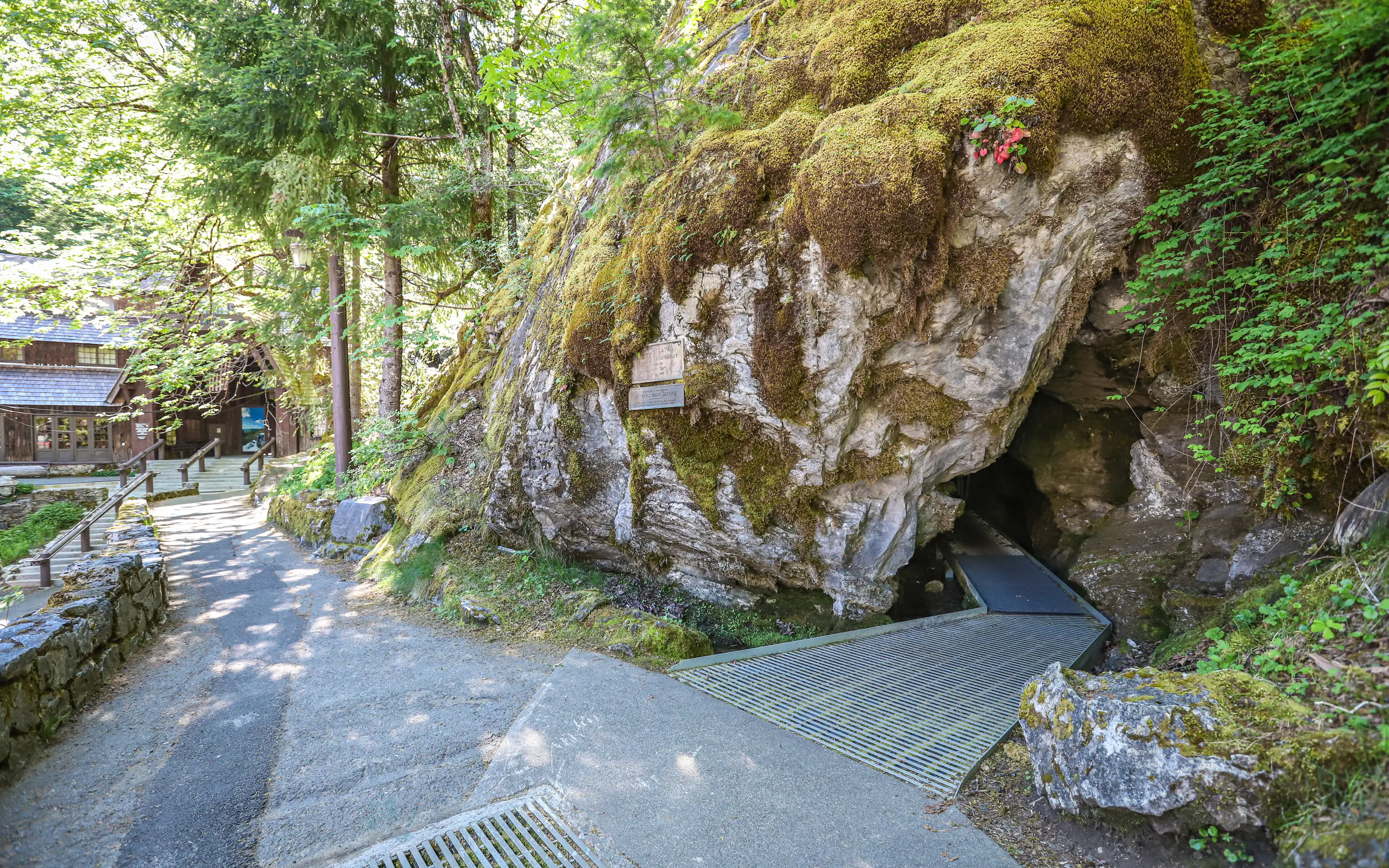
The Illinois Valley Public Library at 209 N Redwood Hwy is a genuine community anchor, offering children's programming, summer reading initiatives, and one of the more active storytime calendars in rural Josephine County. Beyond the library, the Illinois Valley Community Development Organization runs youth-facing programming and connects families to after-school resources that partially offset what the district lacks in enrichment. The outdoor environment does its own educational work — kids growing up near Oregon Caves National Monument and Illinois River Forks State Park develop a sense of place and wilderness literacy that no classroom replicates.
Local Expert Takeaway: If you're buying in Cave Junction with school-age children, prioritize the high school years in your timeline — families who arrive when kids are entering 9th grade tend to find Illinois Valley High School delivers more than expected, while those spending K–8 years here commit to being active academic partners at home.
Are Cave Junction schools good for college-bound students?
Illinois Valley High School offers AP courses with a 31% participation rate and posts an average GPA of 3.4, which creates a viable path for motivated college-bound students. The key variable is whether a student arrives self-directed or needs significant institutional scaffolding — the school rewards initiative more than it creates it.
What is the graduation rate at Illinois Valley High School?
Illinois Valley High School's graduation rate is typically reported in the range of 90–95%, which is meaningfully above Oregon's statewide average hovering around 81–82%. That figure stands in contrast to the district-wide graduation rate of 68%, which reflects challenges at other schools in the broader Three Rivers system outside Cave Junction.
How do Cave Junction schools compare to Grants Pass schools?
The Grants Pass School District generally performs at a higher level across proficiency metrics and offers more school choice, including magnet and alternative programs not available in Cave Junction. The 39-minute commute to Grants Pass is manageable for families who decide to enroll in Josephine County's larger district while living in the Illinois Valley — and some families in Cave Junction do exactly that.
Explore the full Cave Junction series: The Ultimate Cave Junction Relocation Guide · Is Cave Junction Safe? · Cost of Living in Cave Junction · Best Neighborhoods in Cave Junction · Cave Junction Schools & Family Life · Cave Junction Youth Sports · Cave Junction Parks & Recreation · Retiring in Cave Junction · 1031 Tax-Deferred Exchange in Cave Junction · Cave Junction First-Time Homebuyers Guide · · Moving to Cave Junction from California
Tell us what you need help with and we'll connect you with local resources.

About the Author
Todd Davidson is the founder of Living in Oregon and Living in Washington, where he publishes in-depth city guides, neighborhood resources, and local market insights covering more than 180 communities across the Pacific Northwest. While his background is in home financing and real estate, he created these digital platforms to help families research and compare regions before making a move.