
Portland Metro · Oregon
Cost of Living in Bethany, Oregon: Housing, Taxes, Utilities & Lifestyle (2026)
You've probably seen Bethany show up on a best-of list or two — best suburb in Oregon, best place to raise a family, highest household income in the state. What those headlines don't tell you is what it actually costs to live here. The median home price sits at $752,000, household income averages $167,735, and the overall cost of living runs roughly 40% above the national average. Bethany is genuinely one of the most expensive residential communities in the Pacific Northwest, and buyers who arrive expecting a budget-friendly Portland alternative tend to leave with a recalibrated spreadsheet.
What shapes this price picture is a combination of geography, demographics, and deliberate planning. Bethany is an unincorporated community in Washington County — not an incorporated city — which means no city income tax and no city property tax layer, but also no city services. The area is served by Tualatin Valley Fire and Rescue, Washington County Sheriff, and the Beaverton School District. Its proximity to Nike's world headquarters in Beaverton, Intel's campuses in Hillsboro, and Portland's urban core have turned this ZIP code into a magnet for dual-income professional households, which has persistently pushed housing values upward.
This guide breaks down every layer of what Bethany actually costs in 2026: what you can buy at different price points, what renters pay, how utilities and transportation add up, and how the Oregon tax picture affects your bottom line. By the end, you'll have a clear sense of whether Bethany's price tag matches your budget — and your priorities.
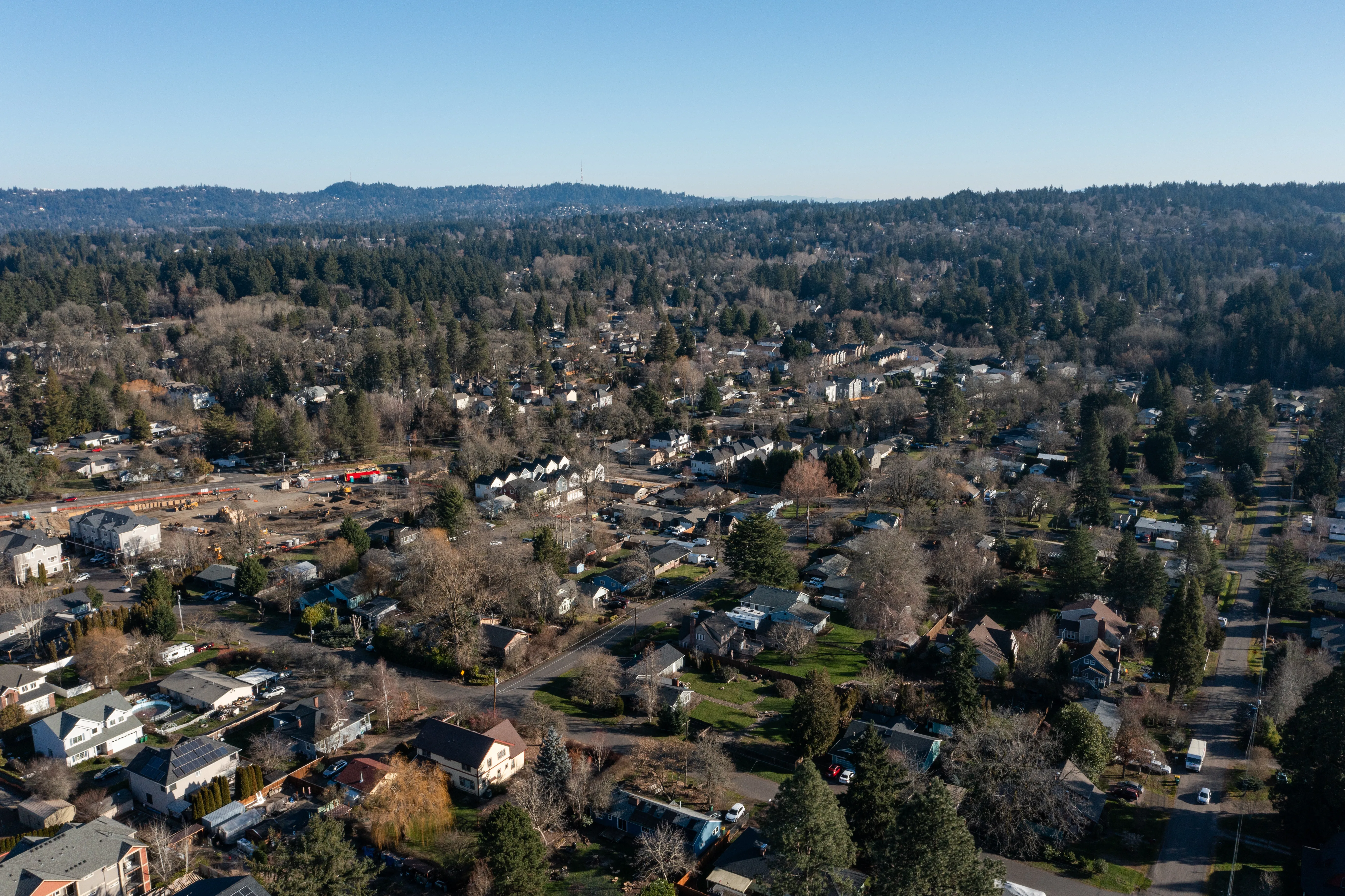
The $752,000 median gets you a lot of house by Portland metro standards — typically a 3-to-4-bedroom single-family home in a well-maintained subdivision with mature landscaping, updated kitchens, and a garage. Many of the homes in established pockets like Oakridge or Bethany Village were built between the late 1980s and early 2000s, offering that sweet spot of solid construction without the renovation risk of older stock. The newer developments in North Bethany and Arbor Heights deliver more square footage and modern finishes, though they often come with HOA fees that add a meaningful monthly line item.
The market has softened slightly from its 2023 peak — median prices are down a few percentage points year-over-year, and homes are sitting about 35 days on average before going under contract, compared to well under a month during the frenzy years. That's not a buyer's market, but it's no longer a market where you waive every contingency to compete. The 1.8% vacancy rate remains extremely low, which means well-priced listings in sought-after pockets still attract multiple offers, particularly anything under $800,000 with a decent school boundary.
South of NW West Union Road, prices tend to run slightly below the median — think mid-$600s to low $700s for established neighborhoods. North of West Union Road, you're entering newer construction territory where luxury finishes and larger lots can push prices well past $1 million. The Oregon conforming loan limit of $832,750 means most buyers at the median price can access conventional financing with 10–20% down without stepping into jumbo territory — a practical detail that affects your mortgage rate and qualification math.
| Budget Range | What You're Getting |
|---|---|
| $550K–$650K | Older ranch-style homes, 3BR/2BA, established neighborhoods south of West Union Rd |
| $650K–$800K | Updated 4BR homes in Oakridge, Bethany Village, or Bethany Crossing; some new townhomes |
| $800K–$1.1M | Spacious Arbor Heights homes, newer North Bethany construction, premium lot sizes |
| $1.1M+ | Luxury new construction in Bethany Ridge; custom builds, 5+ BR, high-end finishes |
Washington County's effective property tax rate in Bethany comes in at approximately 1.02%, which on a $752,000 home translates to roughly $7,670 per year — or about $639 per month added to your housing payment. Oregon's Measure 50 caps assessed value increases at 3% per year regardless of what the market does, which means longtime owners often pay taxes on an assessed value significantly below their home's current market value. If you're buying now at market price, your initial tax bill reflects that full purchase value, but future increases are cushioned by that 3% ceiling — a meaningful long-term benefit in a market that has historically appreciated faster than 3% annually.

Bethany is one of those markets where buyers consistently underestimate how much runway is still left. Yes, the median is $752,000 — but when you look at what comparable square footage costs in Portland's West Hills or Lake Oswego, Bethany is genuinely delivering value at that price point. I've had clients move from California who expected sticker shock and instead found themselves surprised by what they could afford. A well-appointed 4-bedroom with a two-car garage and a flat backyard in Arbor Heights or North Bethany would list at $300,000 more in most Bay Area suburbs.
What buyers consistently get wrong is dismissing the north side of West Union Road as "too new" or "too far out." That's where the best value in the entire market is right now. The infrastructure has caught up — you have easy access to NW 185th for the MAX Blue Line extension, Bethany Village for everyday shopping, and Nike and Intel commutes that are genuinely 20 minutes or less on a normal morning. If you're in the $800K–$950K range and you haven't toured North Bethany, you're leaving a lot of house on the table. If you're considering Bethany and want insight into which neighborhoods align with your priorities and budget, I'd welcome the opportunity to share what I've learned from helping hundreds of families make this move successfully.
Bethany's rental market is tight and tilted toward larger units. Studios and one-bedrooms exist but are a small slice of available inventory — the community's demographics skew toward households that need two or three bedrooms, and the supply reflects that. The majority of rental units are two-bedroom apartments, which typically run in the $2,000–$2,500 range per month. Three-bedroom apartments land closer to $2,340–$2,675 depending on the complex and amenities, while single-family rental homes — which are plentiful here relative to other Portland suburbs — range from roughly $2,300 to $4,500 per month.
For renters, Bethany is more expensive than the national average but somewhat competitive within the Portland metro. The roughly 33% of households that rent tend to cluster in apartment communities near Bethany Village and along NW 185th Avenue, where walkable access to shops and transit makes the premium easier to justify.
| Unit Type | Avg Monthly Rent | Approx Sq Ft |
|---|---|---|
| Studio | $1,295 | ~500 sq ft |
| 1-Bedroom | $1,662–$2,028 | ~725 sq ft |
| 2-Bedroom | $2,000–$2,500 | ~999 sq ft |
| 3-Bedroom | $2,340–$2,675 | ~1,428 sq ft |
| Single-Family Home | $2,300–$4,500 | Varies |
Utilities in Bethany run through Portland General Electric or Pacific Power for electricity, NW Natural for gas, and Clean Water Services for water and sewer. A typical household can expect to pay in the range of $150–$220 per month for electricity and gas combined, with the higher end in winter when heating demand peaks. Internet service is competitive — Comcast Xfinity has broad coverage in the area, and Ziply Fiber has been expanding into Washington County, giving residents more options than they had even two or three years ago.
Bethany is car-dependent. That's the honest summary of getting around here. Most daily errands — groceries, school pickup, appointments — require a vehicle, and there are essentially no sidewalk-centric main streets to walk between retail clusters. The TriMet MAX Blue Line does not directly serve Bethany proper, though buses connect the community to the Sunset Transit Center on US 26, from which MAX service runs into Portland. The planned NW 185th Avenue transit corridor will eventually improve this picture, but for 2026, budget for two-car ownership if you have a two-adult household with different work locations.
Grocery access is solid. Bethany Village is anchored by a well-stocked Safeway, and the shopping center has a range of supporting retail. New Seasons Market at 185th and NW West Union Road draws residents who prioritize local and organic sourcing. Fred Meyer, Trader Joe's, and Whole Foods are all within a 10-minute drive, which means the weekly grocery run is convenient — just not walkable. Restaurant density has grown meaningfully over the past few years, with everything from sit-down family dining to casual takeout concentrated near Bethany Village and along NW 185th.
The average Bethany commute to Portland runs about 24 minutes in normal traffic conditions. The US 26 westside corridor is the primary artery, and it earns its reputation for peak-hour congestion between 7:30–9:00 AM and 4:30–6:30 PM. Commuters heading to Nike in Beaverton or Intel in Hillsboro often have smoother drives since those routes bypass the downtown Portland bottlenecks entirely.
| City | Median Home Price | Property Tax Rate | City Income Tax | Sales Tax | Portland Commute |
|---|---|---|---|---|---|
| Bethany, OR | $752,000 | ~1.02% | None (unincorporated) | None | 24 min |
| Beaverton, OR | ~$530,000 | ~1.10% | None | None | 25 min |
| Hillsboro, OR | ~$475,000 | ~1.05% | None | None | 35 min |
| Cedar Mill, OR | ~$620,000 | ~1.02% | None | None | 22 min |
| Portland, OR | ~$510,000 | ~1.15% | Yes (Arts Tax + Preschool) | None | 0 min |
| Lake Oswego, OR | ~$800,000 | ~1.05% | None | None | 25 min |
| Aloha, OR | ~$420,000 | ~1.02% | None | None | 30 min |

From a lending standpoint, where you land within Bethany matters more than most buyers initially realize. Neighborhoods like North Bethany and Arbor Heights tend to hold their value well due to newer construction, strong school access, and planned community infrastructure — all factors that influence both desirability and long-term equity. Arbor Oaks attracts similar attention for its walkability and neighborhood feel. Well-priced homes in these areas, particularly anything coming in under $750,000, often move within days of hitting the market, sometimes with multiple offers. Understanding what you're working with financially before you start touring gives you a real advantage in that kind of environment.
That's exactly why I encourage buyers to connect with a lender early — not to find out the maximum you qualify for, but to understand what a comfortable monthly payment actually looks like once you factor in property taxes, homeowner's insurance, any HOA dues, and your specific loan structure. Those pieces together paint a very different picture than the purchase price alone. Knowing your real number means when the right home in Bethany appears, you're ready to move — not scrambling.
This table represents an approximate monthly cost picture for a household purchasing at the $752,000 median with 10% down, resulting in a loan of roughly $676,800 at a 6.75% 30-year fixed rate.
| Cost Category | Monthly Estimate |
|---|---|
| Principal & Interest | ~$4,390 |
| Property Taxes (1.02%) | ~$639 |
| Homeowner's Insurance | ~$175 |
| HOA Fees (where applicable) | $0–$250 |
| Utilities (electric, gas, water) | ~$200 |
| Internet | ~$75 |
| Groceries (family of 4) | ~$900–$1,100 |
| Transportation (2 vehicles, gas, maintenance) | ~$800–$1,000 |
| Childcare or school-related | ~$500–$1,500 |
| Dining out / entertainment | ~$400–$700 |
| Estimated Total | ~$8,100–$10,000+ |
Oregon's tax structure is one of the more distinctive in the country, and it cuts both ways for Bethany residents. No state sales tax is the headline benefit — every purchase from groceries to cars to home furnishings is taxed at zero percent. For a household spending $60,000–$80,000 per year on goods and services, that's a meaningful annual savings compared to living in Washington or California.
The counterweight is Oregon's income tax, which reaches a top marginal rate of 9.9% — among the highest in the nation. For households earning near or above Bethany's $167,735 median, this rate applies to a significant portion of income. The state offers no deduction for federal taxes paid, which compounds the effective burden for higher earners. Oregonians in the upper brackets effectively trade the absence of a sales tax for one of the steeper income tax obligations in the U.S.
Washington County does not levy a separate county income tax, and because Bethany is unincorporated, there is no city income tax layer. Portland's city income taxes — including the Arts Tax and the Multnomah County Preschool for All tax — do not apply to Bethany residents unless they work within Portland city limits. For households working entirely within Washington County at Nike or Intel, that distinction saves several hundred to several thousand dollars per year depending on income level.
Oregon also offers a senior property tax deferral program for homeowners 62 and older who meet income and equity requirements. Under this program, the state pays the property taxes and places a lien on the home — taxes are repaid when the home is sold. For retirees on fixed incomes in a high-value home, this program can meaningfully delay the pressure to sell or downsize. It's one of the lesser-known financial advantages of staying in Oregon long-term.
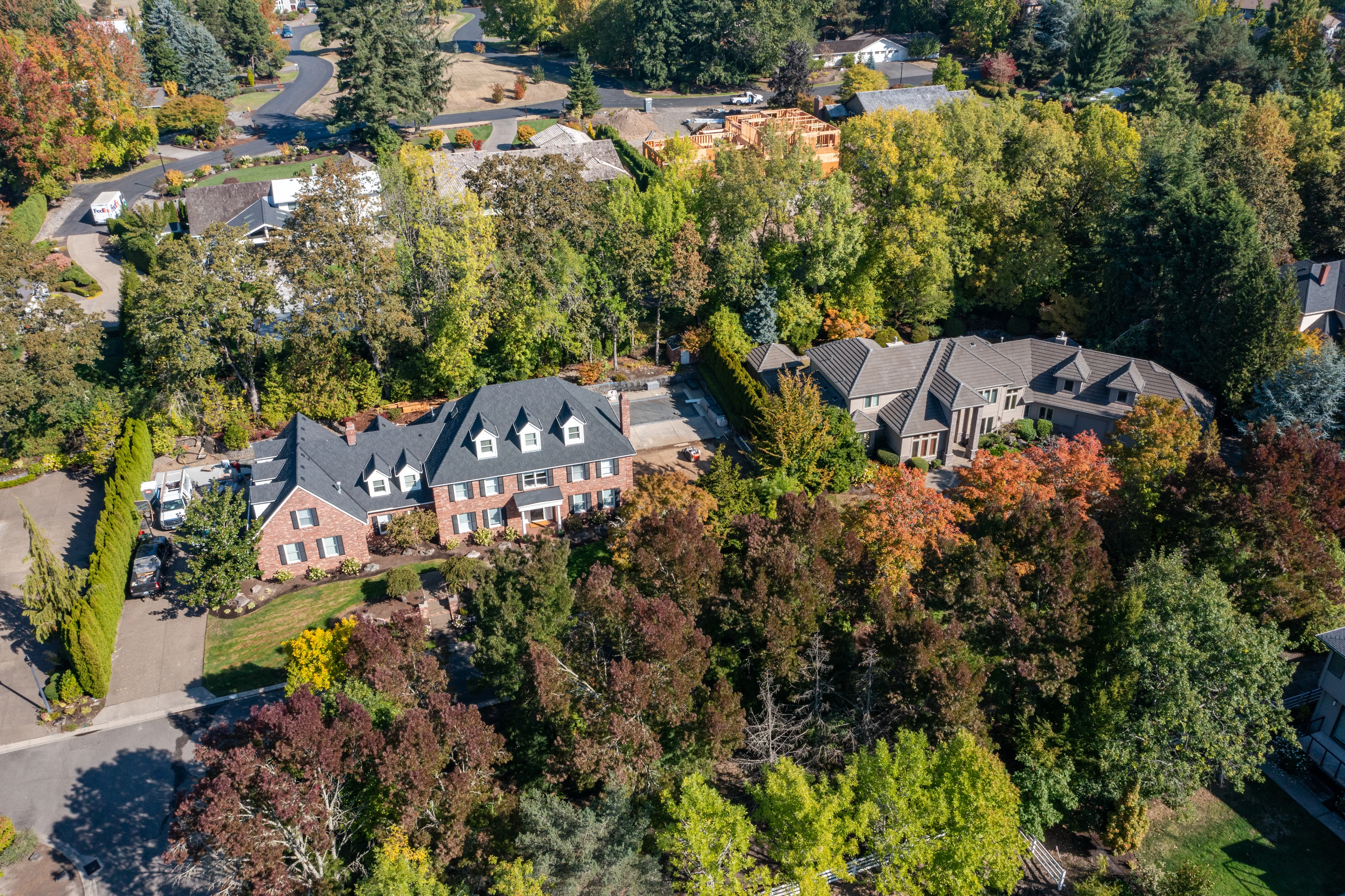
Local Expert Takeaway: Bethany's cost math works best for households in the $140,000–$200,000+ income range who are buying with equity from a previous home. First-time buyers stretching to reach the $752,000 median on a single income will find the monthly number genuinely stressful — and the surrounding Beaverton or Aloha markets will deliver better financial breathing room for those buyers. If you're set on Bethany specifically, target the south-of-West-Union-Road neighborhoods first, where you can sometimes find comparable square footage for $60,000–$80,000 less than the equivalent North Bethany new construction. Also run your Oregon income tax exposure before you commit — for households moving from zero-income-tax states like Washington or Texas, the tax picture here often surprises people in year one.
Looking to buy in Bethany? Estimate your payment.
Enter your numbers to see an estimated monthly mortgage payment.
Estimate only. Excludes HOA fees and mortgage insurance.
Is Bethany, Oregon an expensive place to live?
Yes, by most measures. The overall cost of living in Bethany runs roughly 40% above the national average, driven primarily by housing. At a $752,000 median home price and rental rates that exceed most Portland suburbs, Bethany is priced for professional households with strong incomes or significant equity from a previous home sale. It consistently ranks among the most expensive residential communities in Oregon.
Does Oregon's lack of sales tax offset the higher housing costs in Bethany?
It helps at the margins but doesn't close the gap. Oregon's zero sales tax saves a family of four several thousand dollars per year compared to living in Washington or California. However, Oregon's 9.9% top marginal income tax rate — which applies to a meaningful portion of income at Bethany's median household earnings — tends to offset much of that savings for higher-income households. The no-sales-tax benefit is most significant for everyday spending; it does not fundamentally change the housing affordability calculation.
How does Bethany's cost of living compare to nearby Beaverton or Hillsboro?
Bethany carries a clear premium over both. Beaverton's median home price runs roughly $220,000 less than Bethany's, and Hillsboro comes in even lower. Both cities sit within similar commute distance to Nike, Intel, and Portland. What Bethany offers above its neighbors is a consistently higher-rated school system within the Beaverton School District, newer housing stock with larger footprints, and a demographic profile that many families find appealing. Whether that premium is worth the cost difference is a question each household has to answer based on their own priorities.
Browse current listings updated daily — filtered for Bethany buyers by Elizabeth Davidson, your local expert.
Powered by Elizabeth Davidson · Cascade Hasson Sotheby's International Realty · 503-939-2035
Explore the full Bethany series: The Ultimate Bethany Relocation Guide · Is Bethany Safe? · Cost of Living in Bethany · Best Neighborhoods in Bethany · Bethany Schools & Family Life · Bethany Youth Sports · Bethany Parks & Recreation · Retiring in Bethany · 1031 Tax-Deferred Exchange in Bethany · Bethany First-Time Homebuyers Guide · Bethany Down Payment Assistance Guide · Moving to Bethany from California · Bethany Realtor's Perspective · Top 10 Questions a Realtor Gets About Bethany