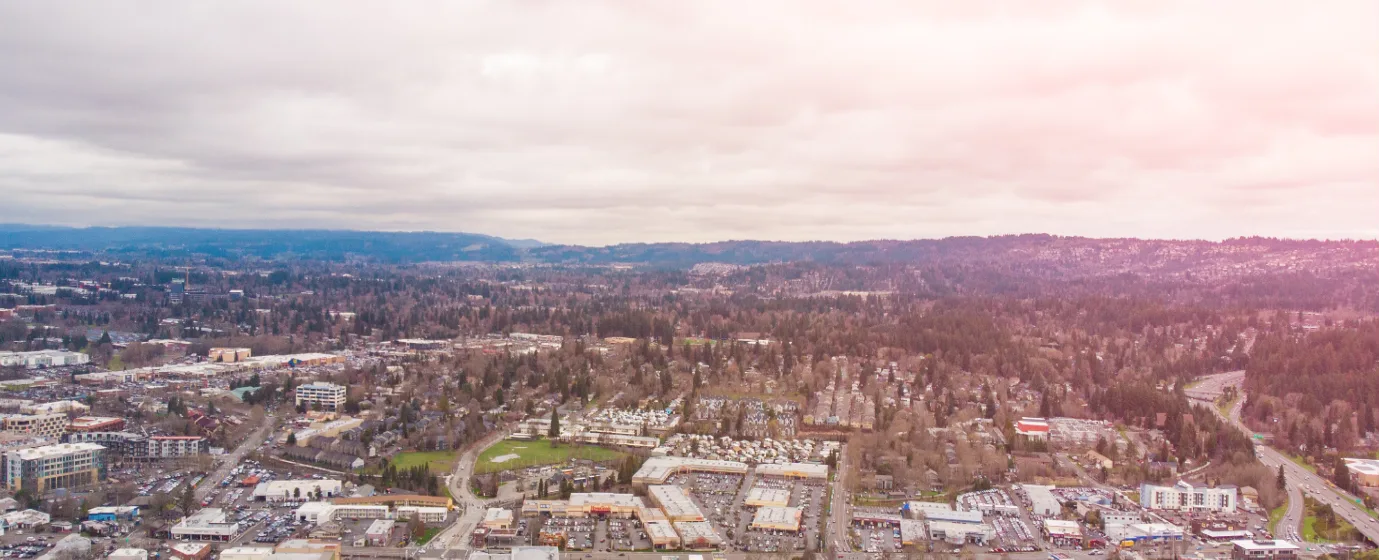
Portland Metro · Oregon
Moving to Bethany? Top 10 Questions Realtors Get About Living in Bethany, Oregon (2026)

I'm Elizabeth Davidson, a broker with Cascade Hasson Sotheby's International Realty, and I've spent the last decade helping buyers and sellers navigate the Portland metro market. I'm consistently ranked in the top 2% of brokers by volume in the region, which sounds impressive on paper — but what it really means is I've seen a lot of transactions, a lot of neighborhoods, and a lot of buyers learn things the hard way that I wish they'd known upfront.
Bethany is one of my favorite areas to work because it attracts a specific kind of buyer: families who want excellent schools without the urban density, professionals who need reasonable access to the tech corridor, and empty nesters looking to downsize into a well-maintained community. I've sold homes in everything from the newer construction up in North Bethany to the established streets around Oakridge, and each pocket has its own personality.
This post covers the ten questions I hear most often about Bethany — from commute reality checks to the truth about property taxes to whether those school ratings actually hold up. I'm not going to sugarcoat anything. If Bethany isn't right for you, I'd rather you know that before we start touring homes. Let's get into it.
Bethany is a genuinely pleasant place to live if you're in the right life stage and have the right expectations. It's a master-planned suburban community that prioritizes safety, schools, and outdoor access. The streets are clean, the parks are well-maintained, and you'll find that neighbors actually say hello. For families with school-age kids, it's hard to beat.
That said, Bethany is not for everyone. With a Walk Score of 37, this is definitively car-dependent living. You're not walking to grab coffee or dinner — you're driving to Bethany Village or heading down to Cedar Mill for most errands. If you're coming from a more urban environment and value spontaneous walkability, that adjustment can feel isolating at first.
The community skews toward established families and retirees. You won't find much nightlife, and the dining options are mostly chains with a few local gems mixed in. But if your priorities are a safe neighborhood, access to trails like the Rock Creek Regional Trail, and proximity to Intel or Nike without living in Beaverton proper, Bethany delivers. The median home price of $752,000 reflects that demand — you're paying for the schools, the safety, and the suburban polish.
When families ask me where to look in Bethany, I usually start with Arbor Heights if budget allows. It's one of the newer developments with luxury finishes, sidewalks buffered by tree-lined grass strips, and a community center with a pool, playground, and basketball courts. The homes were built with families in mind — open floor plans, attached garages, and yards that actually function.
Arbor Oaks is another strong contender, offering spacious homes with access to a community pool and excellent greenspace. It has that true neighborhood feel where kids ride bikes in the street and block parties actually happen. For families who want a bit more space and established landscaping, this is often the sweet spot.
North Bethany deserves mention for families who prioritize newer construction and don't mind being at the edge of the urban growth boundary. The master-planned development includes integrated parks and trails, and homes here tend to have the latest in energy efficiency and floor plan design. The tradeoff is that some amenities are still catching up to the rooftops.
For a deeper breakdown of each neighborhood's character, school assignments, and price points, our Best Neighborhoods in Bethany guide covers the full picture.
The Beaverton School District earns its reputation. It's rated A-minus by Niche and ranked #5 among all Oregon school districts for 2026. The four-year graduation rate hovers around 88.9%, which is significantly higher than Oregon's statewide average of roughly 81.8%. These aren't vanity metrics — they reflect real outcomes.
For elementary-aged kids in Bethany, Springville K-8, Sato Elementary, Jacob Wismer, and Findley Elementary consistently perform well. Stoller Middle School feeds into Sunset High School, which offers a full International Baccalaureate (IB) program for students seeking rigorous academics. Westview High School is the other main option and also earns strong marks.
Here's what the data doesn't tell you: class sizes are real. The district runs a 17-to-1 student-teacher ratio, which is manageable but not intimate. If your child needs significant individualized attention, you'll want to tour specific schools and ask about support services. Also, school boundaries matter enormously in Bethany — two homes on the same street can feed different schools. Always verify assignments before making an offer.
Our Bethany Schools and Family Life post digs into boundary maps and specific school cultures in more detail.
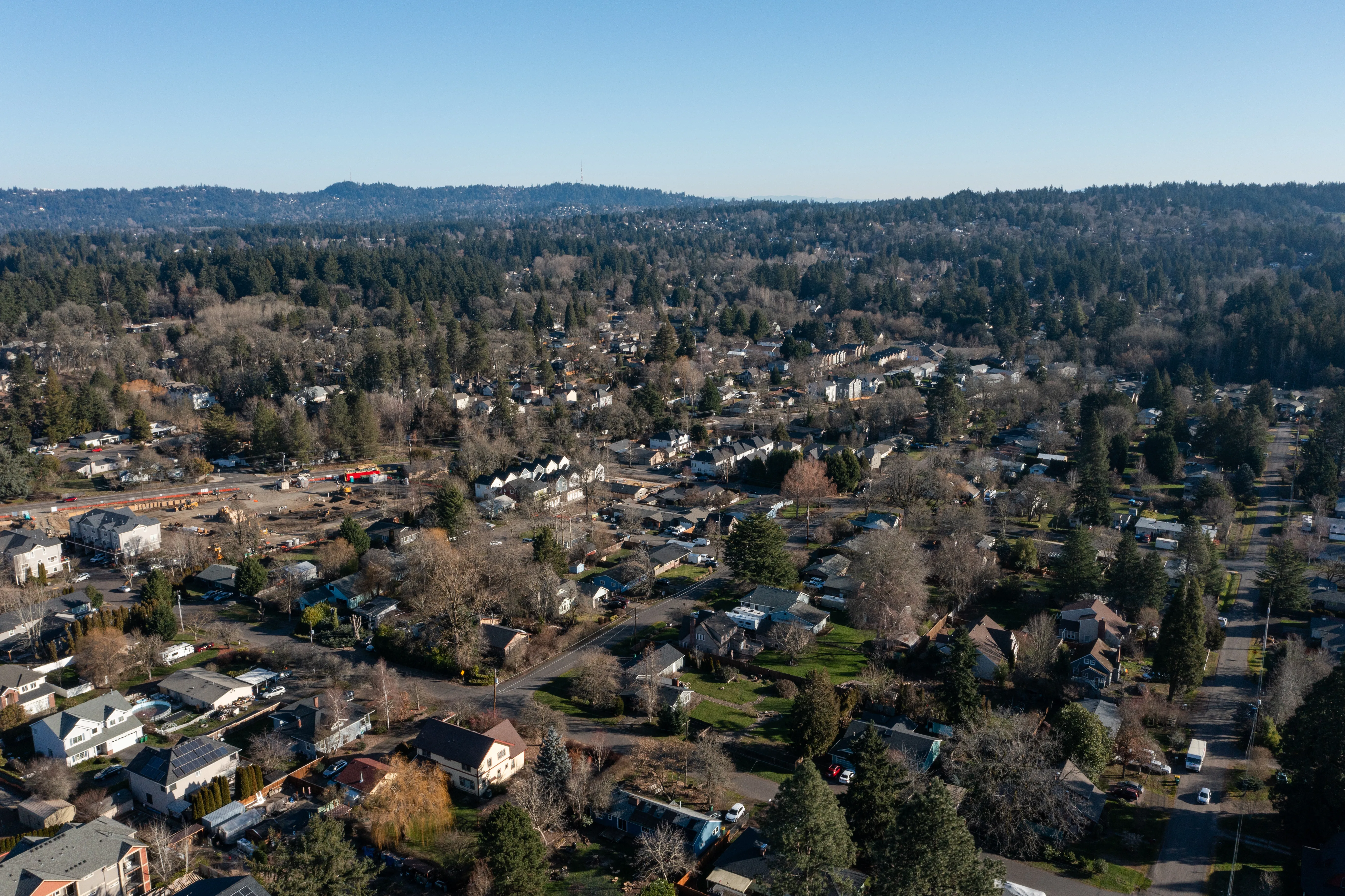
Let me give you the honest numbers. Intel's Ronler Acres campus is about 10 minutes south. Nike's World Headquarters in Beaverton is roughly 15 minutes. Downtown Portland? Plan for 25 to 35 minutes via Highway 26, assuming normal traffic.
Now here's the catch: "normal traffic" is a fantasy between 7-9am and 4-6pm. The Sunset Highway (US-26) bottlenecks badly during rush hour, particularly at the Highway 217 interchange. Many of my clients who work traditional office hours eventually adjust their schedules — leaving at 6:30am or waiting until 9:30am makes a dramatic difference.
For those considering transit, TriMet bus Line 52 connects to the MAX light rail, but the full trip to downtown runs about 52 minutes. It's doable if you don't mind the time, but most Bethany residents remain car-dependent by necessity. The MAX Blue Line stop near Tualatin Hills Nature Park is your closest rail connection.
If you're weighing Bethany against other suburbs based on commute costs and time, our Cost of Living in Bethany breakdown includes real-world commute comparisons.
As of April 2026, Bethany's median sale price sits at $752,000 — down 3.6% compared to this time last year. The average price per square foot has dropped to $304, reflecting a 7.7% decline. This is a market that's cooling after years of intense appreciation, and buyers are finally getting some breathing room.
Homes are selling in approximately 26 days on average, typically closing at about 1% below list price. Redfin's competitiveness score rates Bethany at 58 out of 100 — "somewhat competitive" — which translates to less frantic bidding wars but still meaningful demand for well-priced homes.
What does this mean practically? If you're a buyer, you have leverage you didn't have in 2022. Contingencies are making a comeback, and sellers are more willing to negotiate on repairs. If you're a seller, pricing accurately from day one is critical — overpriced homes are sitting, and price reductions signal desperation to buyers who are watching closely.
For current listings and a fuller market analysis, our Ultimate Bethany Relocation Guide provides monthly updates.
Yes, and they're among the better options in the Portland metro. Claremont is the standout — a 55+ active adult community with over 500 homes, located about 10 miles west of Portland. It includes the Claremont Golf Club, a 9-hole public course, plus organized activities like book clubs, lawn bowling, and fitness classes. The community genuinely functions as a community, not just a collection of age-restricted homes.
For those needing more support services, Laurel Parc at Bethany Village offers independent living, assisted living, and memory care in a single campus. Amenities include a state-of-the-art wellness center, rooftop terrace, and movie theater. It's designed for aging in place without multiple moves.
Avamere at Bethany provides similar tiered care with 105 rooms plus cottages, focusing on the transition from independent to assisted living as needs evolve.
The 55+ market in Bethany is active, with inventory turning over regularly as residents relocate closer to family or transition to higher levels of care. If you're exploring retirement options, our Retiring in Bethany guide covers financials, healthcare access, and lifestyle considerations.
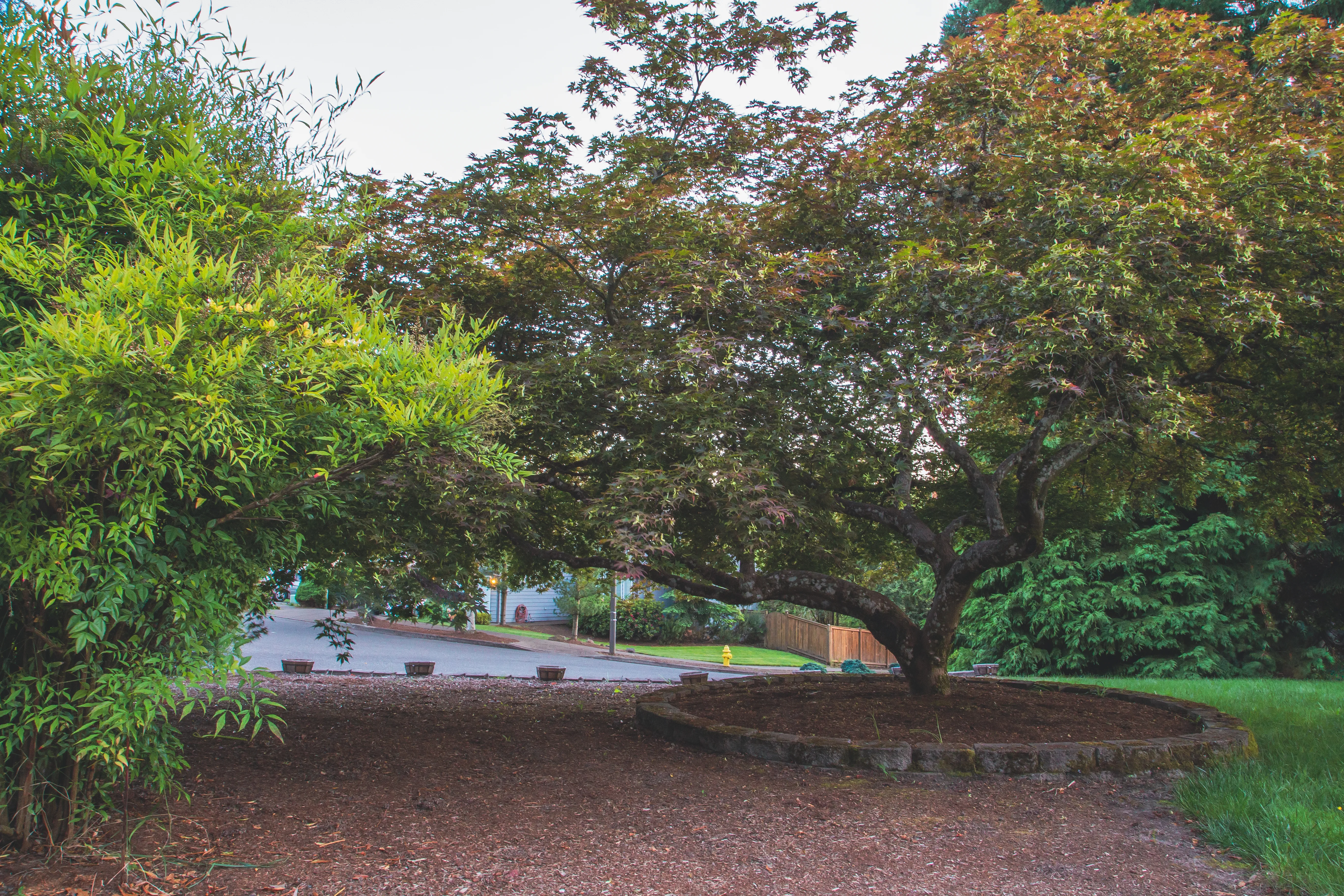
Bethany punches above its weight on parks and trails. Bethany Lake Park is the anchor — a destination for walkers, bikers, bird watchers, and anglers. It includes picnic tables, a community garden, and a half-mile segment of the Rock Creek Regional Trail. Non-motorized watercraft like kayaks and canoes are now permitted, which is a nice addition for paddlers.
Pirate Park is legendary among Portland-area families. PDX Parent ranked it among the top ten destination playgrounds in the region, and for good reason — it's a large adventure-style playground built on hilly terrain with a lookout area and actual pirate ship structure. Kids lose their minds here, and parents can actually sit down.
Kaiser Woods Natural Area offers something different: 32 acres of native forest on Bethany's east side, loaded with hiking trails. It's the place to go when you want to feel like you've escaped suburbia without actually leaving.
Nearby Forest Park — one of the largest urban forests in the country at 5,200 acres — provides more than 80 miles of trails for serious hikers. It's a short drive from Bethany and worth the trip.
For trail maps and seasonal programming, our Bethany Parks and Recreation guide has the details.
The biggest misconception is that all of Bethany is the same. It's not. North Bethany feels distinctly different from South Bethany — newer construction versus established neighborhoods, different school assignments, different price points. Buyers who treat "Bethany" as a single checkbox often miss homes that would have been perfect because they weren't searching the right pockets.
Second, people underestimate how car-dependent daily life is here. A Walk Score of 37 means you're driving to the grocery store, driving to restaurants, and driving your kids to activities. If both adults in your household work outside the home and your children have activities, you're managing significant windshield time. That's fine if you expect it — frustrating if you don't.
Third, buyers often assume the seller's property tax bill predicts their own. Oregon's Measure 50 assessed value system means a longtime owner's tax bill may bear no resemblance to what you'll pay after purchase. I'll cover this in detail below, but it's a consistent source of surprise.
Finally, HOA culture varies dramatically. Some Bethany neighborhoods have active, well-funded HOAs with pools and community events. Others have minimal HOAs that barely function. Read the CC&Rs before you commit — what looks like a bargain may have deferred maintenance issues or restrictions that don't match your lifestyle.
Oregon's property tax system confuses nearly everyone, so let me break it down. Under Measure 50, your assessed value (what you're taxed on) can only increase by 3% per year, regardless of what the market does. This means longtime owners often have assessed values far below market value, resulting in lower tax bills than you'd expect.
Here's the catch: when a property sells, the county doesn't automatically reassess to market value, but the assessed value does get reviewed and often adjusted upward to reflect any gap between the sale price and previous assessments. A home that sold for $752,000 may have been assessed at $500,000 for the previous owner — your assessment will be higher, and so will your bill.
Bethany's effective property tax rate runs around 1.02%, reflecting its specific Washington County tax code area — above the county-wide average and Oregon's statewide average of 0.78%. On Bethany's $752,000 median home, that works out to roughly $7,670 per year, notably higher than Oregon's statewide median tax bill of $3,895.
Bills are issued in late October with a due date of November 15. You can pay in full for a 3% discount or in installments.
Never use the seller's tax bill to estimate your costs. Ask your lender to calculate taxes based on the purchase price at current rates. Budget for $500-$800 more per month in escrow than you might expect if you're moving from a state with assessed value at market value.
Absolutely, and this is something out-of-state buyers rarely understand until they're deep in their search. Oregon's Urban Growth Boundary (UGB) legally restricts where development can occur, which directly impacts Bethany in two ways.
First, North Bethany exists because the UGB expanded there in the 2000s. Those newer master-planned neighborhoods with contemporary construction? They're the result of boundary adjustments. The expansion brought new inventory but also created a hard edge — beyond the boundary, you're looking at rural land that can't be subdivided for residential development. This limits future supply and supports property values long-term.
Second, the UGB means Bethany won't sprawl indefinitely. Unlike suburbs in Texas or Arizona where new development pushes ever outward, Bethany's growth is constrained by policy. This creates premium pricing for existing homes within the boundary and limits your options if you want acreage. A half-acre lot in Bethany is rare and priced accordingly.
The practical impact? If you want newer construction, North Bethany and the most recent expansion areas are your best bet. If you want an established neighborhood with mature trees and larger lots, you're competing for limited inventory in areas like Oakridge or Arbor Oaks.
If land size matters to you, prioritize it early in your search. Bethany lots are small by suburban standards — typically 5,000 to 8,000 square feet. Anything over 10,000 square feet will have a meaningful price premium and won't last long on market.
Bethany works best for people who have made peace with suburban living and want to do it well. It's not trying to be urban, and it's not pretending to be rural — it's a well-executed suburb with excellent schools, safe streets, and genuine community infrastructure. If that sounds like what you need at this stage of life, Bethany delivers.
The buyers I see struggle here are the ones who move from denser neighborhoods and underestimate how much driving shapes daily life, or those who assume all school ratings translate to identical experiences (they don't — school culture varies). I'd also caution anyone on a tight budget to look carefully at total costs: the $752,000 median price is just the start. Add property taxes, potential HOA fees, and maintenance on larger homes, and monthly costs add up quickly.
If Bethany sounds right, or if you're not sure whether it's a fit compared to Cedar Mill, Beaverton, or other Westside options, I'm happy to talk it through. No pressure, no pitch — just an honest conversation about what you're looking for and whether Bethany actually matches. Reach out anytime; this is the work I love doing.
Browse current listings updated daily — filtered for Bethany buyers by Elizabeth Davidson, your local expert.
Powered by Elizabeth Davidson · Cascade Hasson Sotheby's International Realty · 503-939-2035
Explore the full Bethany series: Living in Bethany · Is Bethany Safe? · Cost of Living in Bethany · Best Neighborhoods in Bethany · Bethany Schools & Family Life · Bethany Youth Sports · Bethany Parks & Recreation · Retiring in Bethany · 1031 Exchange in Bethany · Bethany First-Time Buyer Guide · · Moving to Bethany from California · The Bethany Realtor's Perspective · Top 10 Questions a Realtor Gets About Bethany