
Portland Metro · Oregon
1031 Exchange & Investment Real Estate in Bethany, Oregon (2026)
Not everyone reading this is a professional investor with a portfolio of rental properties. Many are California homeowners — Bay Area couples who sold a $1.4 million craftsman, Southern California families who cashed out of a 2,400-square-foot tract home in Riverside — who suddenly have significant proceeds and a 180-day clock. Bethany, Oregon keeps appearing on their radar for good reason: it sits in one of the most employment-dense suburban corridors in the Pacific Northwest, median household incomes run above $167,000, and the housing market trades at a $752,000 median that looks almost affordable by California standards.
The rental market here is shaped by the corridor it occupies. Bethany's renter pool skews toward dual-income households with children — the kind of tenants who stay for three to five years, take care of the property, and won't leave unless they buy something nearby. Proximity to Nike's Beaverton campus, Intel's Hillsboro operations, Columbia Sportswear, and Providence Health creates a durable employment base that keeps vacancy rates well below national averages. Single-family rentals dominate the investment property landscape here; true multifamily is scarce, which compresses inventory for 1031 buyers but also limits competition.
This guide covers everything an out-of-state investor needs to evaluate Bethany as a 1031 replacement property market: the mechanics of the exchange itself, what properties actually trade here and at what cap rates, the Oregon tax picture, landlord-tenant law realities, and a due diligence checklist built specifically for investors working against a 45-day identification deadline.
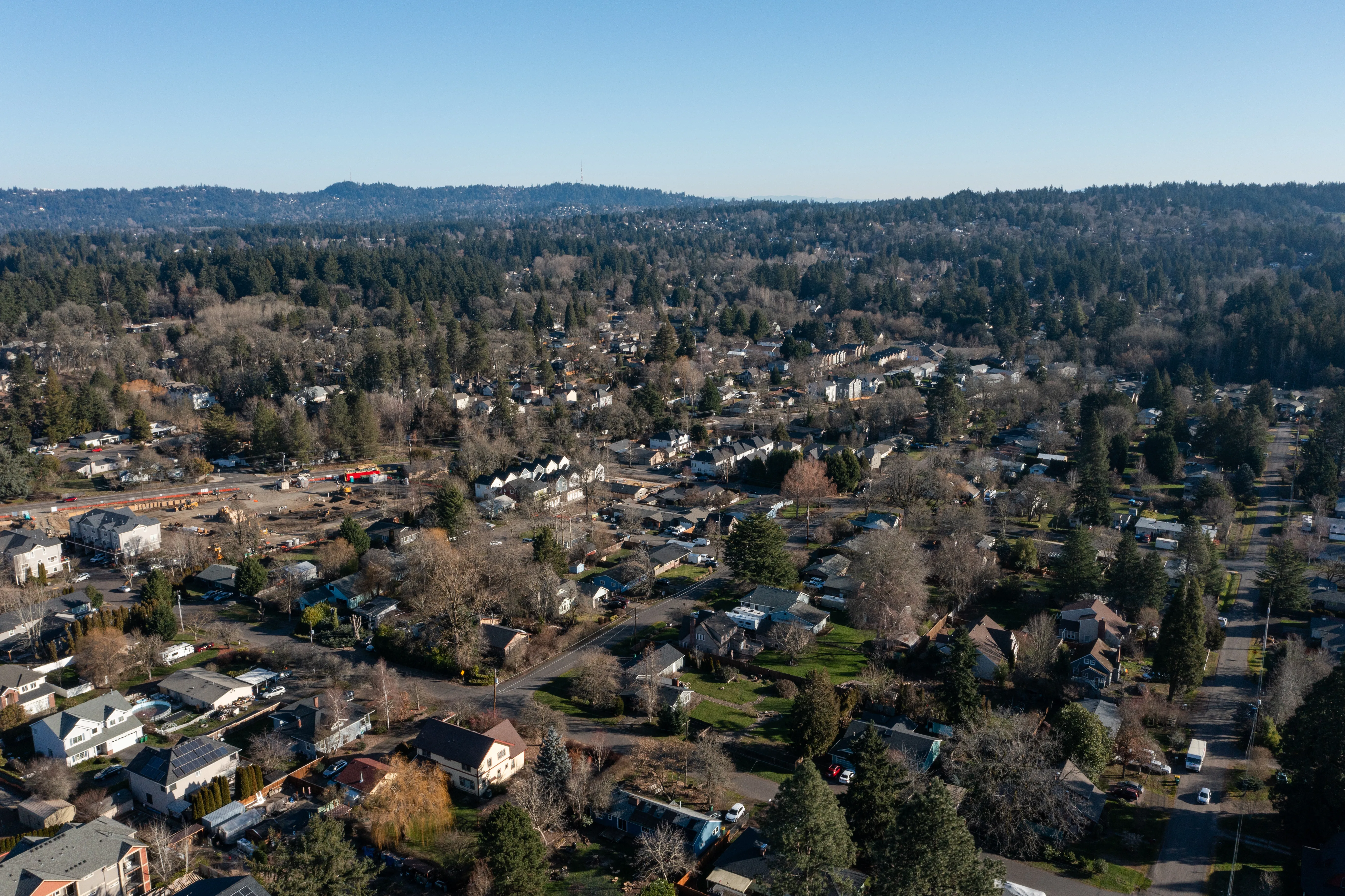
The core mechanics are simpler than most accountants make them sound. You sell a qualifying investment property, a qualified intermediary (QI) holds the proceeds — you never touch them — and you have 45 calendar days from closing to identify up to three replacement properties. From there, you have 180 days total (not 180 additional days) to close on one of them. Miss either deadline by a single day and the deferral collapses, full stop.
The "like-kind" rule is broader than most investors realize. Selling a California single-family rental and buying an Oregon duplex qualifies. Selling commercial land and buying a residential rental qualifies. "Like-kind" means real property exchanged for real property — not the same property type. The trap most investors walk into is the boot trap: if your replacement property costs less than your relinquished property, or if you pull any cash out of the exchange proceeds, that difference becomes immediately taxable. Buying into Bethany's median price range actually helps here — you're almost always deploying into a higher-priced market than Sacramento or Inland Empire sellers are leaving.
One additional note that often catches investors off guard: depreciation basis does not reset in a 1031 exchange. Your adjusted basis from the relinquished property carries forward into the replacement property, which affects your depreciation schedule going forward. That's a conversation for your CPA — but understand it before you sign anything, because it changes your after-tax cash flow projections more than most investors expect.

What out-of-state investors consistently underestimate about Bethany is how fast well-priced inventory disappears. This is a seller's market for investment-grade properties — a clean 4-bedroom SFR with an ADU-eligible lot in North Bethany or near Bethany Crossing rarely sits more than a couple of weeks before receiving multiple offers. I've had California 1031 buyers arrive confident they had plenty of time in their identification window, only to watch the properties they'd shortlisted go pending before they could complete inspections. The 45-day clock is brutal here precisely because Bethany's inventory is so thin.
What I tell investors is to start building their replacement property list before they close on the relinquished side — you can identify up to three properties, so use all three slots. The price-to-rent ratios in Bethany are not going to give you a cash-flow-heavy property at the median price point; this market rewards equity appreciation, not day-one yield. The investors who do best here are the ones who buy correctly — right neighborhood, right lot, ADU potential — and hold for seven to ten years. The ones who chase yield end up looking at properties in neighborhoods where the tenant pool is thinner and the maintenance cycle is harder. If you're considering Bethany and want insight into which neighborhoods align with your priorities and budget, I'd welcome the opportunity to share what I've learned from helping hundreds of families make this move successfully.
The honest truth about Bethany as an investment market is that it's an appreciation play, not a yield play. The current median sold price sits at approximately $831,000 based on the last 12 months of RMLS-tracked transactions — well above the county-wide average and reflective of the school district premium, newer construction stock, and employer proximity that define this submarket. At average rents running around $2,012 to $2,099 per month for a single-family rental, the gross rent multiplier on a median-priced home approaches 33 to 34 times annual rent. That math produces estimated cap rates in the 3.0%–3.8% range for SFR assets at the median price — not a figure that thrills cash-flow-focused investors.
Where the numbers improve is in smaller multifamily and value-add opportunities. Portland metro duplexes in desirable suburban submarkets are seeing cap rates of 4.5%–5.5%, and broader multifamily assets have remained above 6.0% for two consecutive years on the value-add end. The catch is that true multifamily inventory in Bethany itself is scarce — most of what trades here is single-family residential, with occasional ADU-equipped properties or small investor duplexes. Buyers on a 1031 deadline sometimes need to extend their search radius slightly toward Beaverton or Cedar Mill to find multifamily options within a realistic price range.
| Property Type | Typical Price Range | Est. Cap Rate | Avg Days to Close |
|---|---|---|---|
| Single-Family Rental (SFR) | $750,000–$950,000 | 3.0%–3.8% | 30–45 days |
| SFR with ADU | $850,000–$1,100,000 | 4.0%–5.0% | 30–45 days |
| Duplex / Small Multifamily | $650,000–$900,000 | 4.5%–5.5% | 45–60 days |
| Value-Add Multifamily (4–8 units) | $1,100,000–$2,000,000 | 5.5%–6.5% | 60–75 days |
SFR properties with ADU potential or existing accessory units move the fastest — they attract both owner-occupants and investors, which creates competitive bidding. Larger value-add multifamily sits longer, typically because the buyer pool is smaller and due diligence timelines are longer.

The flow of 1031 capital from California into the Pacific Northwest is not a recent trend, but it has accelerated. Oregon offers a combination of factors that high-cost California markets no longer can: relative price efficiency, a strong employment base, and a rental demand profile that doesn't depend on tourism or a single industry.
A Bay Area investor selling a $1.4 million San Jose rental house could buy a well-located Bethany SFR plus a Beaverton duplex — potentially debt-free — and still be within the exchange value. The price differential alone makes Bethany feel like a recalibration rather than a downgrade. Tenant quality in this submarket rivals anything in a top Bay Area suburb, and annual property tax liability on an $831,000 Bethany property runs approximately $8,500 — a fraction of what a comparable California purchase would generate at newly reassessed rates.
Southern California investors — particularly those exiting Pasadena, the Westside, or coastal Orange County — arrive with large equity positions and often encounter Bethany's price points as genuinely accessible. A $1.2 million Los Angeles rental condo proceeds can deploy into a 4-bedroom Bethany SFR with meaningful down payment or full cash purchase, eliminating the debt service drag that erodes cash flow in many LA replacement markets. The Portland metro rent-to-income ratio in Bethany is also favorable — tenants earning $100,000+ annually are common, which protects against payment stress.
Sacramento and Inland Empire sellers often find Bethany's price-to-rent ratios somewhat familiar — these markets have converged more than most investors realize. What differs is tenant quality and durability. A Sacramento investor exchanging out of a C-class rental near a struggling employment center finds that Bethany's employment base — anchored by Nike, Intel, and Providence Health — supports a more stable tenant profile and lower turnover. The appreciation trajectory here has also outperformed inland California markets over the past decade on a percentage basis.
Looking to buy in Bethany? Estimate your payment.
Enter your numbers to see an estimated monthly mortgage payment.
Estimate only. Excludes HOA fees and mortgage insurance.
Oregon's complete absence of a state sales tax is a tangible financial advantage for landlords doing renovation or rehab work. Every appliance purchase, flooring installation, or bathroom remodel happens at face cost — no 7.25% to 10.25% California sales tax added to the contractor's materials bill. On a $40,000 rehab, that's real money back in the deal.
The offsetting reality is Oregon's income tax, which applies to net rental income at rates up to 9.9% for higher earners. In practice, leveraged investors with meaningful depreciation deductions often report minimal or negative taxable rental income in the early years of ownership, which blunts the income tax exposure significantly. Oregon follows federal depreciation rules, and because 1031 exchanges carry over the adjusted basis from the relinquished property, your depreciation schedule on the replacement property may be more modest than if you'd purchased outright — another reason to model this carefully before closing.
| Tax Item | California | Oregon |
|---|---|---|
| State income tax on rental income | Up to 13.3% | Up to 9.9% |
| Property tax rate (newly purchased) | ~1.1%–1.3% (newly assessed) | ~1.02% (Washington County) |
| State sales tax | 7.25%–10.25% | 0% |
| Capital gains (state) | Up to 13.3% | Up to 9.9% |
| Property tax growth cap | 2% (Prop 13) | 3% (Measure 50) |
Oregon's Measure 50 limits annual assessed value increases to 3% for most properties — comparable to California's Prop 13 in spirit, and similarly valuable for long-hold investors who want predictable tax liability. For investors who want to deploy 1031 proceeds without taking on active management responsibilities, Delaware Statutory Trusts (DSTs) offer a passive ownership structure that qualifies as like-kind replacement property — worth exploring with your QI if you're working a large exchange and don't want the landlord role.
Oregon has some of the strongest tenant protections in the country, and investors who arrive from California expecting a straightforward landlord-tenant environment often find themselves recalibrating quickly. No-cause eviction is effectively prohibited for most residential tenancies after the first year of occupancy under state law, and rent increase notice requirements are governed by state statute. Washington County itself is unincorporated in Bethany's case, so Portland's specific rent stabilization ordinances don't apply here — but statewide protections do, and they are meaningful.
Local property management companies serving the Bethany submarket include firms like Acorn Property Management and Columbia Property Management, both with Washington County residential portfolios. Typical management fees run 8%–10% of gross monthly rent, with leasing fees (often one month's rent) charged separately at tenant turnover. Out-of-state owners who self-manage consistently underestimate the regulatory complexity — Oregon requires landlords to provide specific statutory disclosures, follow precise notice timelines, and document every step of a lease or termination process. A professional manager pays for itself in avoided legal exposure alone.
Vacancy in Bethany's SFR segment runs below the Oregon statewide average of approximately 7.6%, in part because the renter pool here competes hard for quality homes near the Beaverton School District. A well-maintained 3-bedroom near Bethany Crossing or North Bethany typically leases within two to three weeks of listing.
| Item | What to Verify | Local Resource |
|---|---|---|
| Title search | Clear title, no liens, no easement surprises | Washington County title company (e.g., First American, Fidelity National) |
| Sewer / septic status | Public sewer connection confirmed — no private septic in Bethany proper | Washington County Clean Water Services |
| Radon testing | Oregon has elevated radon zones — Zone 1 in parts of Washington County | Oregon Health Authority radon map |
| Flood zone status | FEMA flood map check — Bethany Wetlands area carries localized risk | FEMA Flood Map Service Center |
| Rental permit requirements | Washington County does not require a specific rental registration, but verify current status | Washington County Land Use & Planning |
| HOA rental restrictions | Many Bethany HOAs cap rental percentages or require owner-occupancy periods | HOA documents / CC&Rs |
| ADU zoning potential | Verify lot size and setbacks for ADU eligibility — adds significant rental income potential | Washington County Zoning Code |
| School district confirmation | All Bethany properties fall within Beaverton School District — verify specific school boundaries | Beaverton School District website |
| Current lease status | Review existing lease terms, rent amount, tenant payment history | Seller disclosure + lease copy |
| Deferred maintenance inspection | Full home inspection + sewer scope — older Bethany homes may have galvanized or clay pipes | Licensed Oregon home inspector |
| Property management referral | Identify management company before closing — onboarding takes 2–4 weeks | Local PM firms: Acorn, Columbia Property Mgmt |
| Title company coordination with QI | Ensure title company is experienced with 1031 closings and can coordinate wire timing | Confirm with your QI before opening escrow |
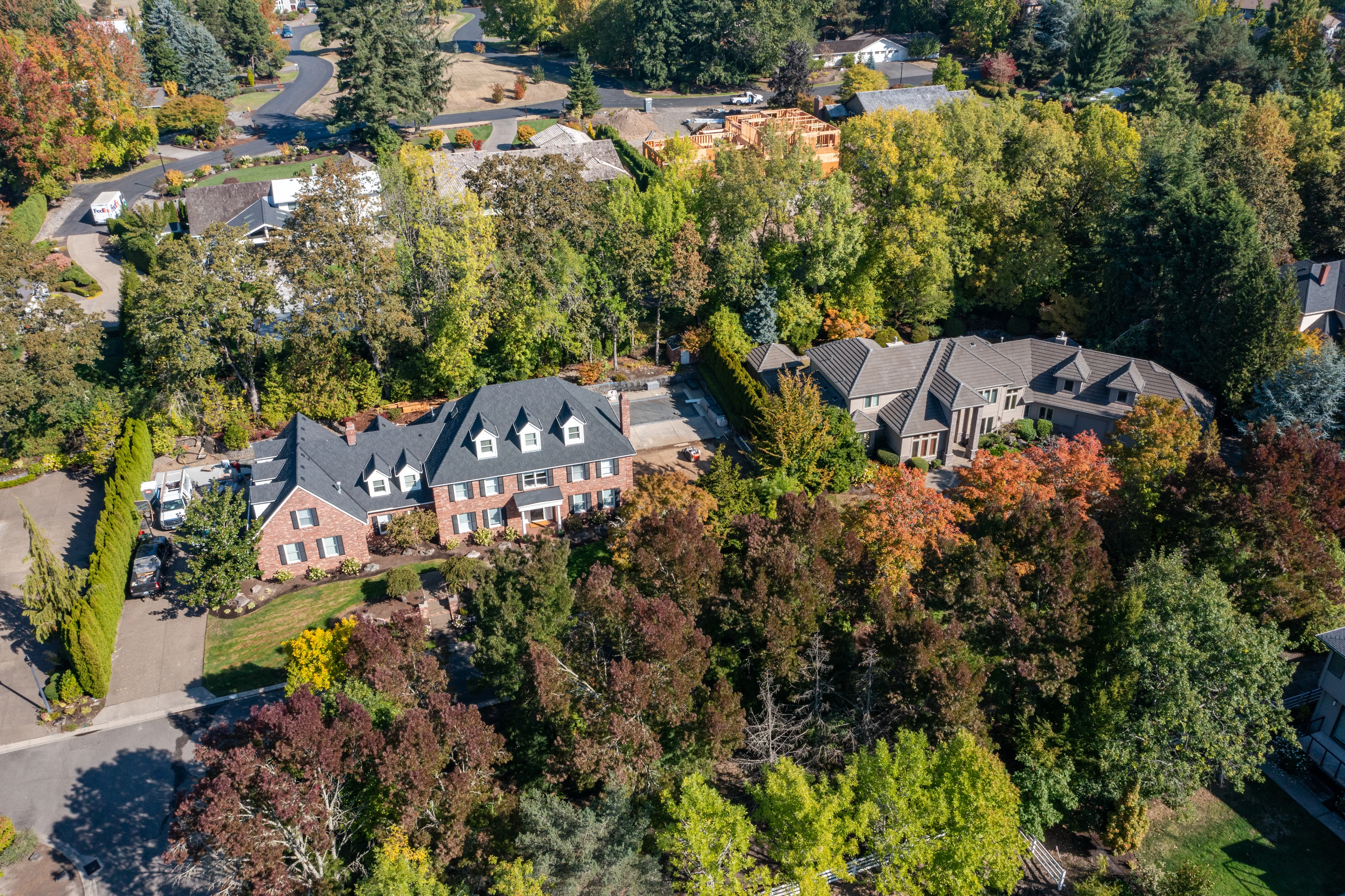
Local Expert Takeaway: The single most common mistake California 1031 buyers make in Bethany is underwriting to a cash-flow model that works in Sacramento but fails at $831,000 median pricing. Bethany SFRs produce 3%–4% cap rates on a good day — this is an equity accumulation market, not a yield market. If you need day-one cash flow to justify the exchange, look at a value-add duplex in the Beaverton or Cedar Mill corridor, where the price-to-rent ratio is more favorable and the tenant pool is nearly as strong. Buy in Bethany because you believe in 7-to-10-year appreciation tied to one of the most stable employment corridors in the Pacific Northwest.
For investors working a 1031 timeline, getting your financing structure confirmed before the 45-day window opens is non-negotiable. If you want to keep the replacement property off your personal debt-to-income ratio, a DSCR loan (debt service coverage ratio) qualifies the property on rental income alone — no W-2s, no tax return scrutiny. Todd can connect you with investment-property lenders who do DSCR loans in Oregon and can issue a pre-approval letter within 48 hours of application.
✅ Bethany is a strong long-hold appreciation market — employer proximity, A-rated schools, and constrained supply support sustained equity growth even when cash flow at median price points is modest.
⚠️ Oregon tenant protections are real — no-cause eviction limits and strict notice requirements mean property management is not optional for most out-of-state owners. Budget for professional management from day one.
📍 ADU potential is your yield lever — properties with existing ADUs or ADU-eligible lots in North Bethany and Bethany Crossing offer the best combination of appreciation upside and income improvement in this submarket.
Does a 1031 exchange work for out-of-state property?
Yes — a 1031 exchange has no geographic restriction on the replacement property. You can sell a California investment property and exchange into an Oregon replacement property (or any other state) as long as both properties qualify as investment or business-use real estate and all exchange timelines are met through a qualified intermediary.
What is the cap rate on rental property in Bethany?
Single-family rentals in Bethany currently produce estimated cap rates in the 3.0%–3.8% range at the current median price point — reflecting the premium the market commands for school quality and location. Duplexes and small multifamily in the broader Portland metro suburban submarket typically range from 4.5%–5.5%, with value-add assets reaching above 6.0%.
Do I need a local property manager for a 1031 investment in Oregon?
You're not legally required to hire one, but Oregon's landlord-tenant statutes are detailed enough that most out-of-state owners benefit significantly from professional management. Specific notice requirements, termination rules, and habitability standards carry real legal exposure if handled incorrectly. Professional management fees of 8%–10% of gross rent are a reasonable cost to build into your underwriting model from the start.
Browse current listings updated daily — filtered for Bethany buyers by Elizabeth Davidson, your local expert.
Powered by Elizabeth Davidson · Cascade Hasson Sotheby's International Realty · 503-939-2035
Explore the full Bethany series: The Ultimate Bethany Relocation Guide · Is Bethany Safe? · Cost of Living in Bethany · Best Neighborhoods in Bethany · Bethany Schools & Family Life · Bethany Youth Sports · Bethany Parks & Recreation · Retiring in Bethany · 1031 Tax-Deferred Exchange in Bethany · Bethany First-Time Homebuyers Guide · · Moving to Bethany from California · Bethany Realtor's Perspective · Top 10 Questions a Realtor Gets About Bethany
Tell us what you need help with and we'll connect you with local resources.

About the Author
Todd Davidson is the founder of Living in Oregon and Living in Washington, where he publishes in-depth city guides, neighborhood resources, and local market insights covering more than 180 communities across the Pacific Northwest. While his background is in home financing and real estate, he created these digital platforms to help families research and compare regions before making a move.