
Mt Hood / Columbia Gorge · Oregon
Living in Troutdale: The Ultimate Relocation Guide (2026)
Maybe you've been priced out of Portland proper and someone in a Facebook group mentioned Troutdale as the move. Maybe you're relocating to the Portland metro area for work at Amazon or FedEx and you want to land somewhere that doesn't feel like a concrete slab. Maybe you drove east on I-84 one afternoon, spotted the Columbia River glinting through the trees, and thought — wait, people actually live out here? They do. About 15,500 of them. And the central tension of life in Troutdale is this: it sits at one of the most geographically spectacular entry points in the Pacific Northwest, gateway to the Columbia River Gorge and the Mount Hood Scenic Byway, yet daily life here is shaped less by scenic grandeur and more by the pragmatic realities of a working-class suburban city — modest incomes, a school district that struggles, and a median home price that has climbed to around $512,000 even as the city's amenities haven't always kept pace.
Geographically, Troutdale occupies 5.9 square miles in eastern Multnomah County, tucked between the Sandy River and the Columbia to the north, with Gresham pressing in from the west and the unincorporated foothills of the Gorge rising to the east. The city's position — roughly 12 miles from downtown Portland — sounds convenient, and the average commute of about 22 minutes on I-84 is genuinely one of the better deals in the metro. But daily life here is shaped by what's around Troutdale as much as what's in it. Gresham's retail corridor handles most of the serious shopping. The schools are a real and documented challenge. And the stretch between budget-conscious starter homes and the natural beauty that surrounds the city creates a particular kind of buyer calculus you don't encounter in Beaverton or Tigard.
This guide will help you figure out whether Troutdale is the right fit for your specific situation — not whether it's "good" or "bad" in the abstract. We'll walk through who actually thrives here, what it costs, which neighborhoods are worth your time, and what longtime residents wish someone had told them before they signed. The goal is honest and specific: enough to help you make a confident decision either way.
Troutdale doesn't suit everyone equally. The buyers who land here happily are usually the ones who know what they're trading and why the trade makes sense for them.
| Best For | Why |
|---|---|
| First-time buyers | One of the most accessible entry points in the Portland metro, with a median sold price around $512K and homes turning faster than a year ago |
| Commuters to East Portland / Gresham | I-84 access is genuinely fast; 22-minute average commute to downtown Portland is competitive for the price |
| Outdoor-focused households | Sandy River Delta, Columbia River Gorge trails, and Historic Highway access are essentially out the back door |
| Amazon / FedEx / logistics workers | Major distribution employers are located directly in or adjacent to Troutdale — some residents walk or bike to work |
| Remote workers who want space | Lower prices relative to inner Portland mean more square footage; proximity to nature is a legitimate daily lifestyle perk |
| Budget-conscious retirees | Lower property tax rate (approximately 0.94%), manageable home prices, and a quieter pace suit buyers who don't need urban nightlife |

Troutdale tends to surprise buyers who haven't spent time on the ground here. The western neighborhoods — Sunrise, Sweetbriar — have a feel that's much more suburban Portland than outer-ring compromise, and the price gap between those areas and Town Center creates real options depending on what a buyer is prioritizing. In my experience with relocation clients, the buyers who do best in Troutdale are the ones who get clear early on whether they're optimizing for space, commute access, school zone, or price — because the right answer is different in each neighborhood.
If you're moving from out of state, I'd strongly encourage at least one in-person tour before making an offer. The Columbia River Gorge access and the Sandy River proximity are genuinely meaningful quality-of-life factors that don't come through in listing photos, and neither does the difference in feel between the Highway 30 corridor and the elevated streets above it. If you're considering Troutdale and want insight into which neighborhoods align with your priorities and budget, I'd welcome the opportunity to share what I've learned from helping hundreds of families make this move successfully.
Troutdale has the bones of a small Pacific Northwest town that got wrapped in suburban growth without fully becoming a suburb. The historic downtown — centered on the Depot Rail Museum and the stretch near Glenn Otto Community Park along the Sandy River — feels genuinely different from the strip-mall corridors of Gresham to the west. McMenamins Edgefield sits on the city's eastern edge and functions as a community anchor in a way that's hard to explain: it's a hotel, concert venue, brewery, and gathering spot all at once, and it hosts events that draw Troutdale residents back even after they've moved to other parts of the metro.
Daily errands, though, require a mental shift for people coming from more self-contained suburban cities. Troutdale's own retail footprint is modest — the Columbia Gorge Outlets draws visitors, and there's serviceable grocery access, but for a full Costco run or a serious hardware project, Gresham is where you end up. The city's walkability is limited outside the immediate town center; most households are car-dependent for the majority of their needs. That's not a dealbreaker, but it is the daily reality, and buyers who imagine themselves living a walkable lifestyle here usually find the adjustment notable.
The community vibe leans working-class and unpretentious. Roughly two-thirds of households own their homes, the median age skews young at around 33, and the demographic mix — with Hispanic residents making up about 15% of the population and a foreign-born share near the national average — gives the city a more diverse feel than many outer-ring suburbs. The traffic chokepoint most newcomers don't anticipate is the I-84 on-ramp at 257th during the 7–8 a.m. window — what looks like a 22-minute commute on Google Maps can stretch to 35 minutes if you leave at the wrong time. The commute hack locals use: taking Historic Columbia River Highway to Wood Village or catching 242nd Avenue south to Burnside, which bypasses the worst of it.
What surprises most people after six months of living here is how much of daily social life revolves around the Sandy River. Summer weekends at Glenn Otto Community Park turn the riverbank into an informal gathering space — people bring dogs, kids, kayaks, and coolers, and it functions more like a neighborhood backyard than a managed park. It's one of those things that doesn't show up on livability indexes but matters enormously to how a place actually feels.
The most defensible reason to buy in Troutdale is the price-to-nature ratio, which is genuinely hard to beat in western Oregon. At a median sold price around $512,000, you are buying real proximity to the Columbia River Gorge — one of the most dramatic natural corridors in the United States — and to the Sandy River Delta, which is technically part of the Mount Hood National Forest and feels a world apart from the city grid. Families who prioritize outdoor recreation over urban amenity tend to find Troutdale punches well above its weight.
McMenamins Edgefield is a lifestyle anchor that most cities simply don't have. The 74-acre property hosts summer concerts, a soaking pool, multiple restaurants and bars, a hotel, a winery, and a movie theater — all within walking distance for residents in the eastern neighborhoods. It's the kind of place that gives Troutdale a distinct cultural identity that newer master-planned communities in outer Hillsboro or Damascus haven't managed to manufacture.
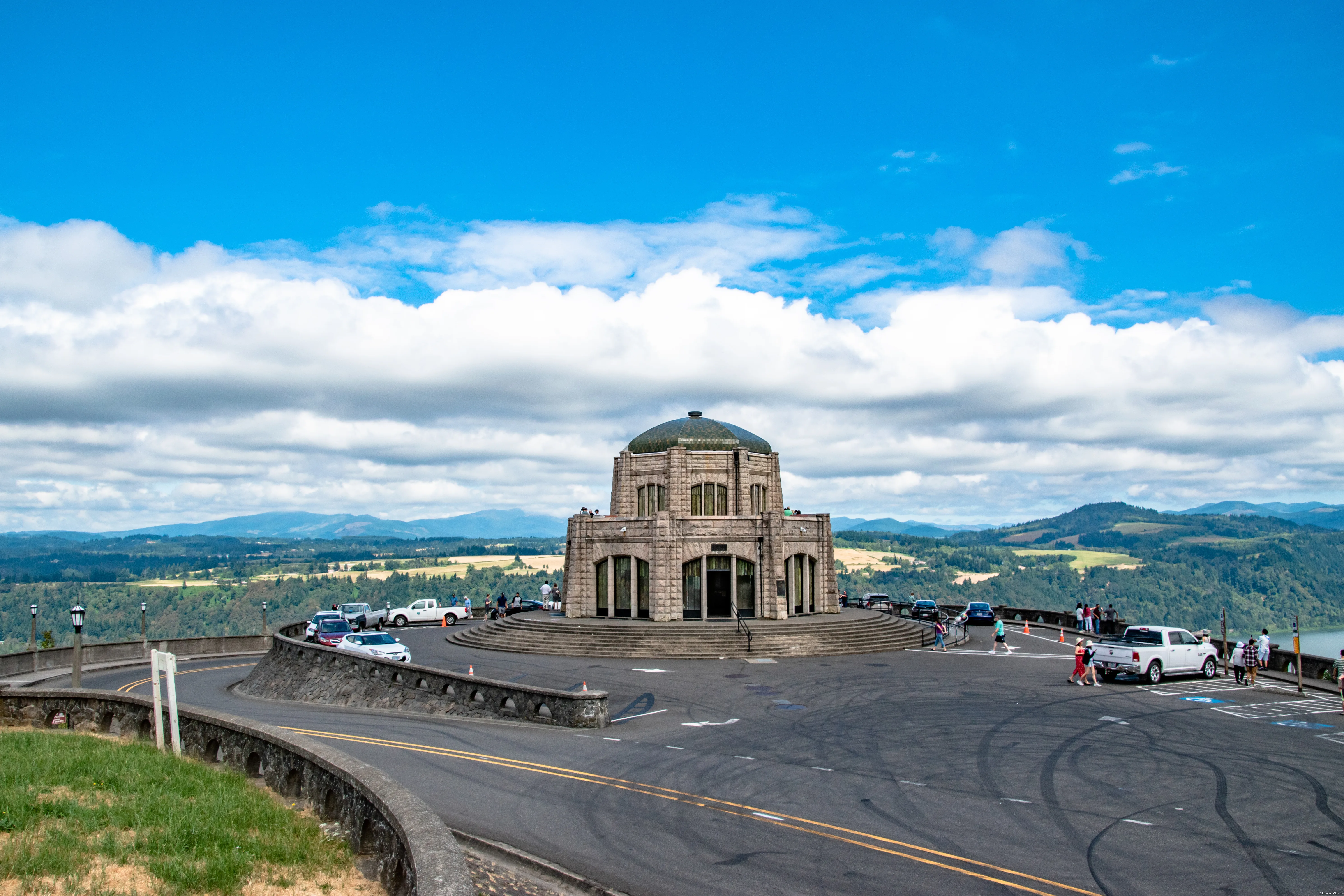
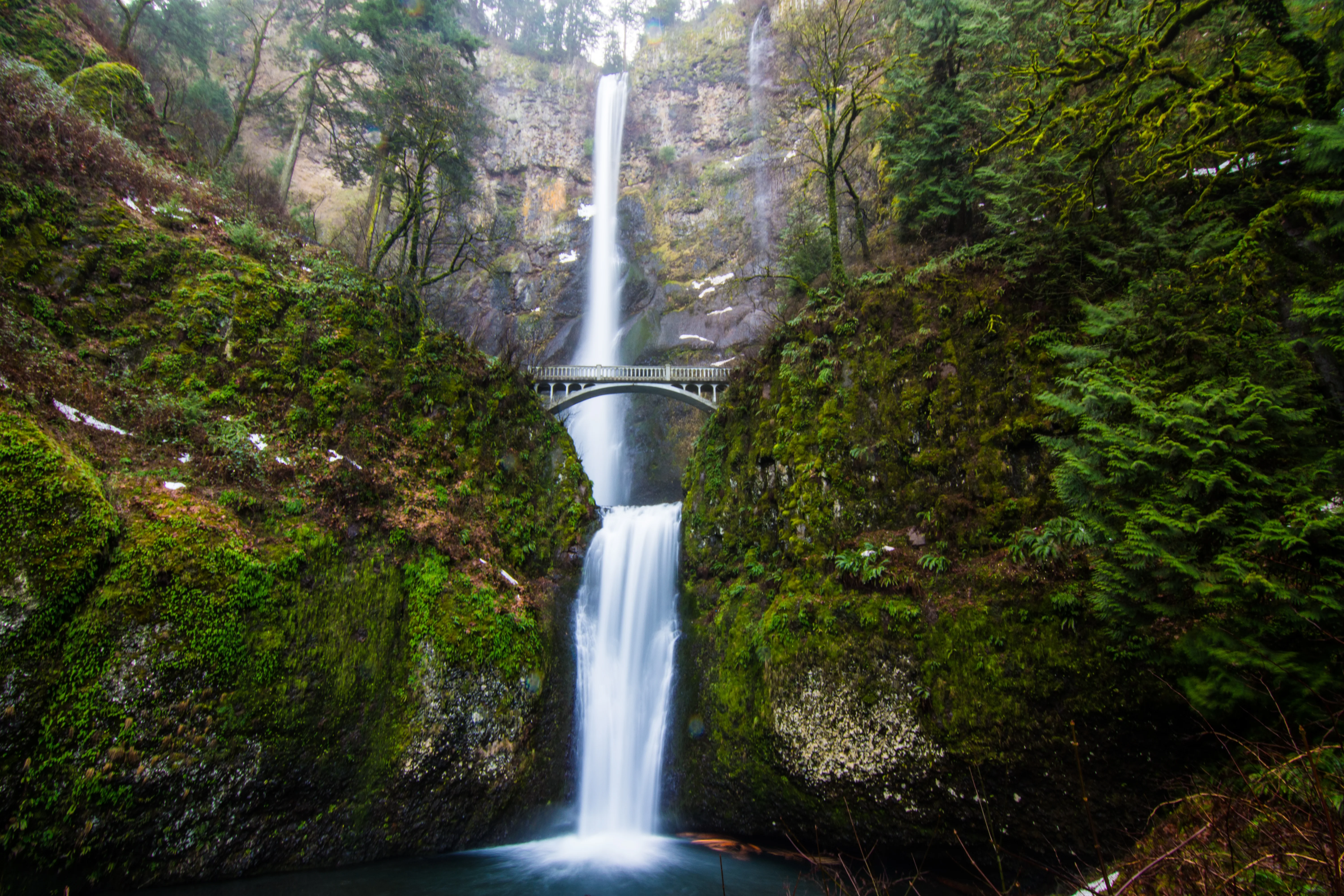
The Historic Columbia River Highway, which begins essentially at the city's eastern edge, is one of the most storied drives in the Pacific Northwest. Access to Multnomah Falls, Vista House, and dozens of trailheads is genuinely close — closer than most Portland residents realize. For buyers who run, cycle, or hike, that access is worth a lot. Some households in Upper Troutdale and near the Sunrise neighborhoods treat the Highway trails as their evening fitness routine.
The cost of homeownership math is also compelling compared to the inner metro. At a property tax rate of approximately 0.94%, a $512,000 home carries an annual tax burden in the range of $4,800 — significantly lower than the effective rates buyers encounter in Lake Oswego or some Washington County jurisdictions. That difference translates directly to monthly cash flow.
Looking to buy in Troutdale? Estimate your payment.
Enter your numbers to see an estimated monthly mortgage payment.
Estimate only. Excludes HOA fees and mortgage insurance.
The schools are the most significant and most documented challenge for families moving to Troutdale. Reynolds School District serves the city and carries a C- rating, with state test data showing roughly 13% of students proficient in math and around 25% in reading as of the most recent reporting period. About 65% of students district-wide qualify as economically disadvantaged, and minority enrollment exceeds 70%. Those numbers describe a district under real resource pressure, and families prioritizing academic performance above all else will find the district's metrics difficult to reconcile — a point we cover in more depth in the Schools & Family Life post in this series.
The retail and amenity gap is a daily friction point that some buyers adapt to and others never fully accept. Troutdale doesn't have a robust restaurant scene, a major grocery anchor, or the kind of mixed-use walkable core that buyers from Portland's inner eastside take for granted. The Columbia Gorge Outlets brings bargain shopping and outlet dining, but that's not the same as a neighborhood coffee shop you can walk to. If access to varied dining, independent retail, and urban amenities matters to you, Gresham is the more natural fit — and its home prices reflect that.
Why some people leave Troutdale tends to come down to one of two reasons: school dissatisfaction as kids reach elementary age, or the sense that the city never quite developed the kind of local culture and services that were implied when they bought. Property crime rates run higher than many buyers expect — approximately 31 incidents per 1,000 residents, which is above Oregon's statewide average. It doesn't make Troutdale dangerous in the conventional sense, but it does mean car break-ins and package theft are common enough that local Facebook groups spend a lot of time on the topic.
A quieter tradeoff: the weather patterns in the Gorge influence Troutdale more than buyers from California or the Midwest anticipate. The Columbia River Gorge is a wind corridor, and the city's position at its western entrance means sustained wind events — sometimes reaching 40 to 60 mph in winter — are a regular part of life. It's one of those things that sounds trivial until you've lived through your second February storm.
Sunrise sits in the northeastern quadrant of Troutdale and tends to attract buyers looking for more established residential streets with easy access to both I-84 and the Gorge trails. Homes here typically fall in the mid-$400s to low-$500s range, with a mix of ranch-style builds and 1990s construction. The tradeoff is that the neighborhood's convenience comes with modest lot sizes and a density that some buyers find at odds with the "escape to nature" appeal of the broader area.
Best for: Commuters who want fast freeway access without sacrificing proximity to outdoor recreation.
Beaver Creek is one of Troutdale's quieter residential pockets, with a semi-rural character that distinguishes it from the more uniform suburban grid of western Troutdale. Properties here often have larger lots, and the creek corridor itself provides a natural buffer that keeps the neighborhood feeling more private than its proximity to the city center would suggest. Pricing tends to run in line with the city-wide median, but turnover is low and inventory is limited.
Best for: Buyers who want elbow room and a quieter street feel without leaving city limits.
Sandee Palisades occupies elevated terrain on Troutdale's south side and benefits from views that buyers on flat ground simply don't get. Home prices here tend to track slightly above the city-wide median, reflecting the lot premiums that come with hillside positioning. The catch is that hillside access means some streets are steep and not well-suited for cyclists or households that prefer flat walking routes.
Best for: View-seekers and buyers who want a more distinguished residential setting at a still-accessible price point.
Sweetbriar is one of Troutdale's more actively developing neighborhoods, with new construction on lots of 10,000 square feet or more attracting buyers who want modern builds without fully custom price tags. The neighborhood skews toward families with school-age children and benefits from proximity to Sweetbriar Elementary. Pricing on new construction here typically runs at or slightly above the city-wide median; resale homes in the neighborhood offer more flexibility.
Best for: Families with children who want newer construction and don't want to fully renovate a 1980s ranch.
Town Center is where Troutdale's most accessible price points live — the median sold price in early 2026 ran around $315,000, making it one of the genuinely affordable pockets in Multnomah County. The neighborhood surrounds the historic downtown core and includes the area near Mayor's Square, Glenn Otto Community Park, and the Depot Rail Museum. Buyers get walkability to the city's best public spaces at the cost of older housing stock and the ambient activity of a commercial corridor.
Best for: First-time buyers and budget-conscious buyers who want equity-building potential in a low-$300s price range.
Sundial is a mid-city residential neighborhood that functions as one of Troutdale's more established owner-occupied communities. Street-level character is quiet and well-kept, and the neighborhood draws households who want a conventional suburban environment without the newness premium of Sweetbriar. Prices tend to track near the city-wide median, and the neighborhood's central position means reasonable access to both the western retail corridor and the eastern Gorge access points.
Best for: Buyers who want a settled neighborhood with straightforward suburban character and no surprises.
Sunrise Mountain View sits at the higher elevations of eastern Troutdale and offers some of the more dramatic sight lines in the city — particularly toward Mount Hood on clear days. The neighborhood attracts buyers specifically drawn to that view premium, and prices reflect it, often running in the upper $400s to low $500s. Access requires navigating some winding streets, and the distance from Troutdale's modest commercial core is more pronounced here than in flatter neighborhoods.
Best for: Buyers who prioritize the Mount Hood view corridor and want a quieter, more removed residential setting.
Cherry Park is a compact residential neighborhood in the western part of Troutdale that benefits from easy access to the Gresham commercial corridor — an advantage for households who do most of their shopping and dining in Gresham. The housing stock tends to be modestly priced relative to the city median, with older construction that presents renovation opportunities. It's one of the more practical neighborhoods for buyers focused purely on value and commute positioning.
Best for: Value-focused buyers who prefer Gresham's retail access and don't need the Gorge-adjacent character of eastern Troutdale.
| City | Best For | Median Home Price | Commute to Portland | Vibe |
|---|---|---|---|---|
| Troutdale | Outdoor access + affordable entry | ~$512K | ~22 min | Working-class suburban, Gorge-adjacent |
| Gresham | More services + lower prices | ~$430K | ~25 min | Denser, more retail, flat suburban |
| Fairview | Family neighborhoods, quiet streets | ~$450K | ~20 min | Small, tidy, limited commercial |
| Wood Village | Bare-bones affordability | ~$390K | ~18 min | Minimal, purely residential |
| Sandy | True small-town feel + space | ~$470K | ~45 min | Rural edge, slower pace |
| Corbett | Acreage + Gorge immersion | $500K–$700K+ | ~35–45 min | Unincorporated, rural, minimal services |
The sharpest decision point is usually between Troutdale and Gresham. Gresham gives you more retail, more restaurant options, and slightly lower prices in many pockets — but you lose the immediate Gorge access and the McMenamins Edgefield anchor that gives Troutdale its distinct identity. If the outdoors is your primary lifestyle driver, Troutdale wins. If services and walkability matter more, Gresham is the stronger fit.
| Metric | Figure |
|---|---|
| Population | ~15,500 (2026 estimate) |
| Median Sold Home Price | ~$512,000 (March 2026) |
| Median Household Income | ~$84,339 |
| Property Tax Rate | ~0.94% of assessed value |
| Commute to Portland | ~22 minutes (I-84) |
| Violent Crime (per 1,000) | 3.4 |
| Property Crime (per 1,000) | 31 |
| School District | Reynolds School District 7 (C-) |
| Homeownership Rate | ~66.8% |
| Median Gross Rent | ~$1,663/month |
Troutdale has three traditions that don't show up on any relocation checklist but tell you something real about how the city operates.
The first is the Harlow House Wine Walks and seasonal events connected to the Troutdale Historical Society, centered on the 1900s-era Harlow House near the city's downtown core. These events draw a consistent crowd of longtime residents and reflect Troutdale's genuine sense of its own history — the city was incorporated in 1907 and has an actual civic identity that predates the suburban expansion.
The second is what locals simply call "Edgefield Fridays" — the informal habit of Troutdale and outer-Gresham residents treating the McMenamins Edgefield soaking pool and grounds as a Friday evening reset after the work week. It's not an organized event, but ask any resident who's been here more than two years and they'll describe a version of this. The property genuinely functions as the community's living room.
The third is the annual pilgrimage to Multnomah Falls in shoulder season — October and early April specifically — when Troutdale residents have the historic highway essentially to themselves. The tourist crush that hits from June through August makes the falls almost inaccessible by car, but in October on a Wednesday morning, it's a different place entirely. That knowledge is the difference between a resident and a visitor.
What I would NOT do if moving to Troutdale: Buy in the Town Center corridor without first walking the specific blocks around your target address after dark. The neighborhood has genuine charm and the city's best price points, but proximity to the commercial strip means ambient activity — foot traffic, some late-night noise near the outlets corridor, and the property crime rate that affects all of Troutdale is slightly more concentrated there. The homes themselves are worth buying; the due diligence on specific streets matters more here than in Sunrise or Sweetbriar.
Local Expert Takeaway: If you're cross-shopping Troutdale against Gresham or Fairview, the key question is whether you'll actually use the outdoor access — because that's the premium you're paying for, even at a $512K median. Buyers who hike, run, kayak, or cycle make back that premium every weekend. Buyers who commute, work from home, and spend weekends running errands often find they'd have been better served by Gresham's more developed commercial core. The Town Center neighborhood is one of the most underrated equity opportunities in Multnomah County right now — $315K median sold in early 2026 is real, and the walkability to Glenn Otto Park and Mayor's Square is better than most buyers expect.
✅ Troutdale offers genuine value — a $512K median sold price with direct Columbia River Gorge access, McMenamins Edgefield as a community anchor, and a fast I-84 commute that holds up well against the broader metro.
⚠️ The school district is a documented challenge — Reynolds School District's C- rating and below-average proficiency scores are real considerations for families, not something to dismiss until you have kids in classrooms.
📍 Neighborhood selection matters more here than in self-contained suburbs — Town Center, Sweetbriar, and Sunrise have meaningfully different price points, characters, and daily-life experiences within a small city footprint.
Is Troutdale a good place for families?
Troutdale can work well for families who prioritize outdoor access, community feel, and homeownership affordability — Glenn Otto Park, the Sandy River, and the Gorge trails are legitimate everyday amenities for active households. The honest caveat is Reynolds School District, which carries a C- rating and below-average state proficiency scores; families with strong academic priorities often supplement with private options like Open Door Christian Academy or explore the public charter Reynolds Arthur Academy, which serves K–5 within the city.
What is the crime rate in Troutdale?
Troutdale's violent crime rate runs approximately 3.4 incidents per 1,000 residents — a figure that's in a moderate range for the Portland metro. Property crime is the more relevant concern at roughly 31 per 1,000, which is above the Oregon statewide average; car break-ins and package theft are the most commonly reported issues, and the problem is concentrated enough that neighborhood social media groups are active with incident updates. Most residents find it manageable with reasonable precautions.
How does Troutdale compare to nearby Gresham?
Troutdale is smaller, slightly more expensive, and positioned directly against the Gorge in a way Gresham is not. Gresham offers significantly more retail and dining options, a more established transit network, and lower prices in many pockets — but it doesn't have McMenamins Edgefield, immediate Gorge trail access, or Troutdale's historic downtown character. The practical choice usually comes down to whether your lifestyle centers on urban services or outdoor recreation.
Explore the full Troutdale series: The Ultimate Troutdale Relocation Guide · Is Troutdale Safe? · Cost of Living in Troutdale · Best Neighborhoods in Troutdale · Troutdale Schools & Family Life · Troutdale Youth Sports · Troutdale Parks & Recreation · Retiring in Troutdale · 1031 Tax-Deferred Exchange in Troutdale · Troutdale First-Time Homebuyers Guide · · Moving to Troutdale from California
Tell us what you need help with and we'll connect you with local resources.

About the Author
Todd Davidson is the founder of Living in Oregon and Living in Washington, where he publishes in-depth city guides, neighborhood resources, and local market insights covering more than 180 communities across the Pacific Northwest. While his background is in home financing and real estate, he created these digital platforms to help families research and compare regions before making a move.