
Portland Metro · Oregon
Cost of Living in Tigard: Housing, Taxes, Utilities & Lifestyle (2026)
The first thing most buyers get wrong about Tigard is assuming it's a budget alternative to Portland. It isn't. Tigard's overall cost of living runs roughly 28% above the U.S. average — a figure shaped by a housing market that, even after recent softening, still centers around a $575,000 median. What Tigard offers in return is a median household income of $108,823, a commute that gets you to downtown Portland in about 24 minutes, and a quality of life that consistently punches above its price tag.
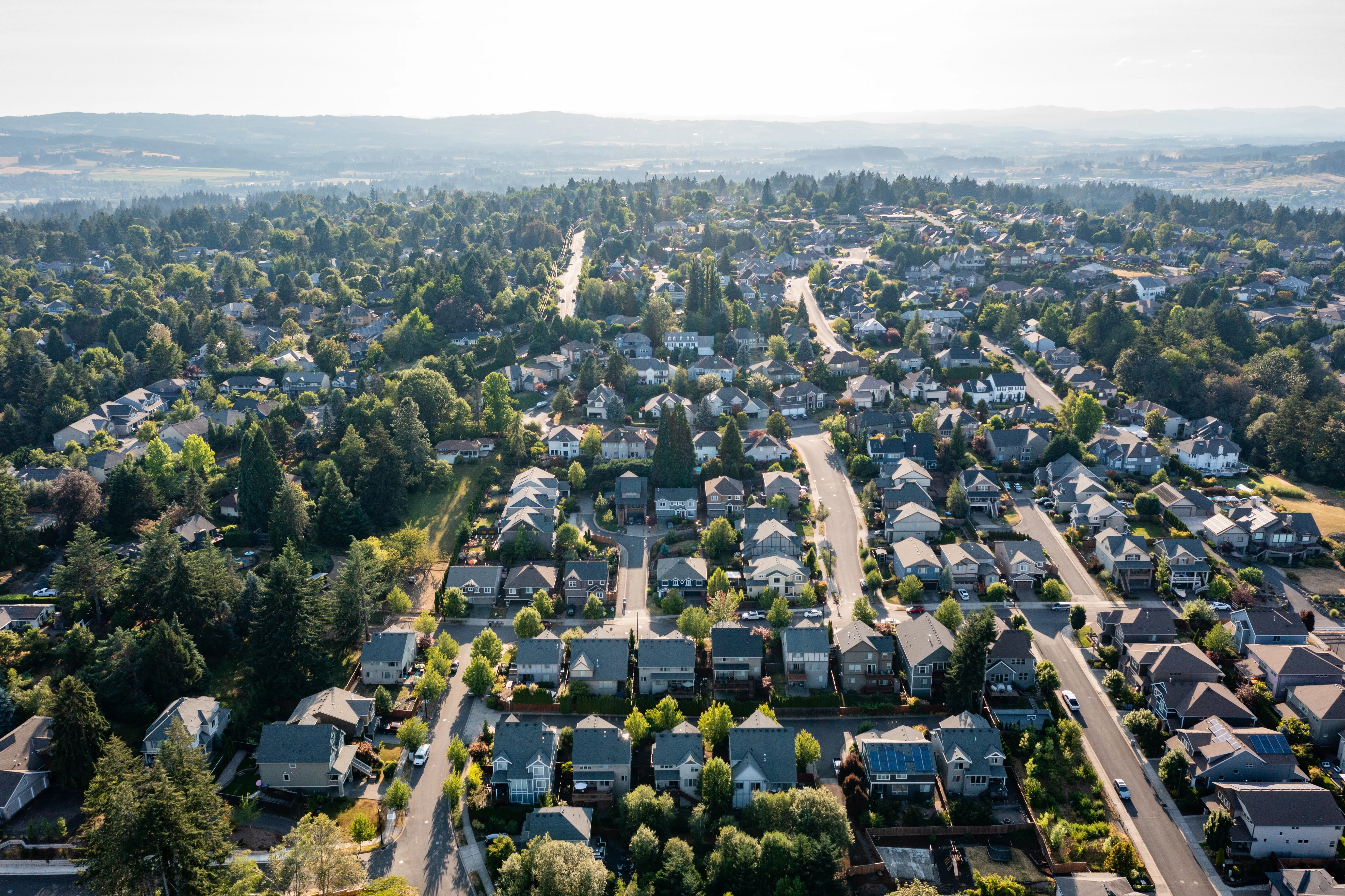
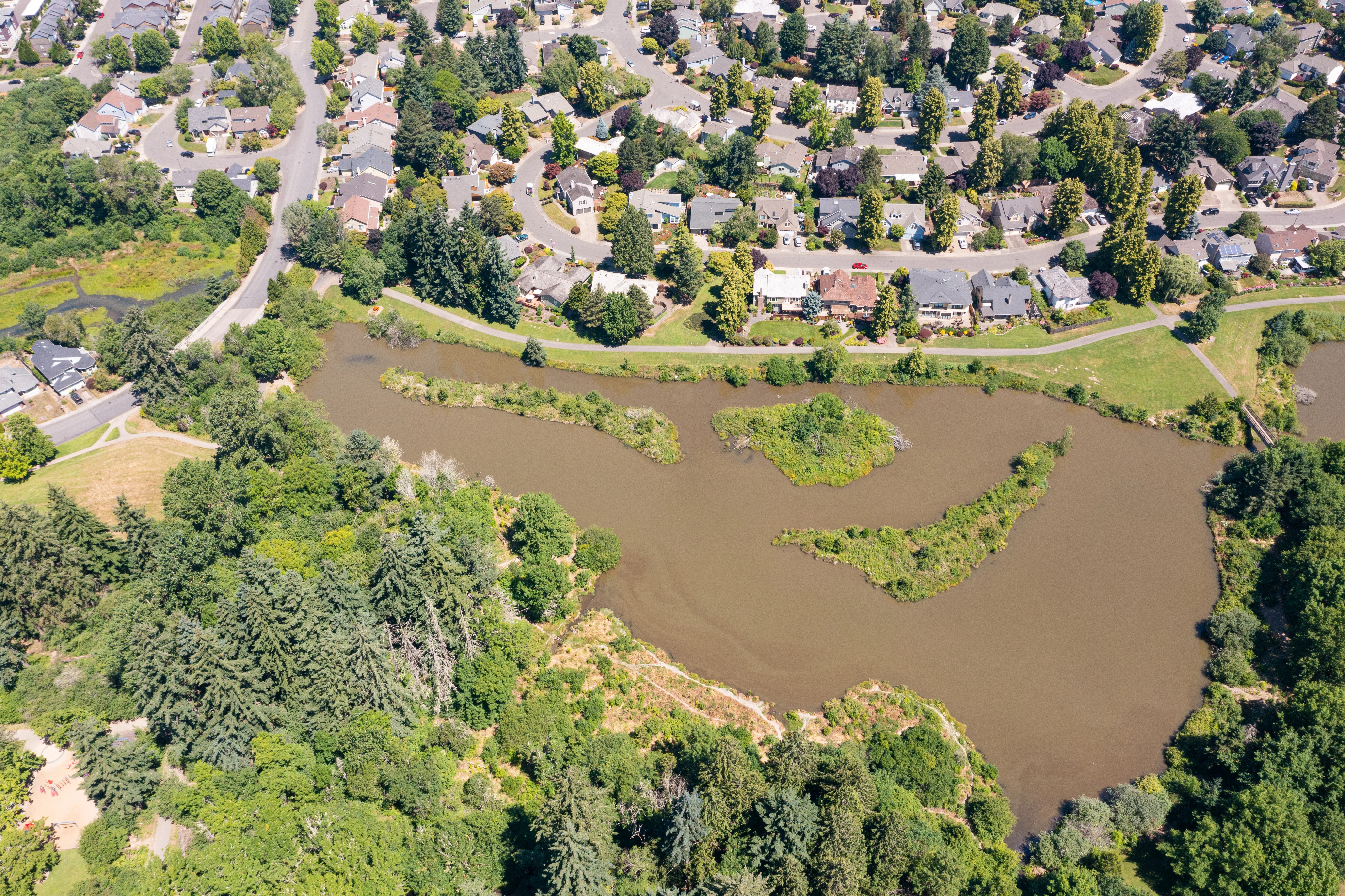
What drives that price tag is a combination of geography, infrastructure, and demand that won't ease anytime soon. Tigard sits at the intersection of I-5 and Highway 217, giving it access to nearly every major Portland Metro employer without requiring you to live in Portland proper. Washington Square and Bridgeport Village put serious retail and dining within 10 minutes of most neighborhoods. Fanno Creek Trail runs through the city. Cook Park sits along the Tualatin River. These aren't abstract amenities — they're the specific reasons families keep choosing Tigard over cheaper alternatives.
This guide breaks down exactly what life here costs in 2026: what the housing market actually delivers at different price points, how property taxes, utilities, and daily expenses stack up, and how Tigard compares to the neighboring cities you're probably also considering. By the end, you'll know whether the numbers work for your household — or whether a different city in the metro makes more financial sense.

Washington County assesses property at a rate of approximately 0.84%, which translates to roughly $4,830 per year — or about $403 per month — on the $575,000 median home. That's a relatively modest figure by Pacific Northwest standards, made even more predictable by Oregon's Measure 50, which caps annual assessed value increases at 3% regardless of how much market value rises. Long-term homeowners often find their assessed value sitting well below their home's actual market price, which keeps the tax bill from spiraling even in appreciating neighborhoods.

Elizabeth Davidson, Cascade Hasson Sotheby's International Realty:
What excites me most about Tigard right now is the range of entry points the market offers — something that's become genuinely rare in Washington County. Buyers who've been priced out of Lake Oswego are finding real value in neighborhoods like Metzger and North Tigard, where well-maintained single-family homes are trading in the $500K–$580K range and often sitting on the market long enough to allow for thoughtful negotiation. That window won't last indefinitely, but for buyers who move in the next six to twelve months, Tigard represents one of the stronger value propositions in the Portland Metro. If you're considering Tigard and want insight into which neighborhoods align with your priorities and budget, I'd welcome the opportunity to share what I've learned from helping hundreds of families make this move successfully.
Tigard's rental market has softened slightly from its 2024 peak, with average apartment rents running around $1,724 per month — down a couple of percentage points year-over-year. The bulk of available rentals fall in the $1,500–$2,000 range, which represents the city's most active inventory tier. About 39% of Tigard households rent, and that share has been growing as new apartment complexes have come online near Downtown Tigard and the Tigard Triangle.
| Unit Type | Average Monthly Rent | Approx. Size |
|---|---|---|
| Studio | ~$1,533 | ~593 sq ft |
| 1 Bedroom | ~$1,555 | ~696 sq ft |
| 2 Bedroom | ~$1,789 | ~957 sq ft |
| 3 Bedroom | ~$2,189 | ~1,170 sq ft |
| 4 Bedroom | ~$3,342 | Varies |
To afford the average Tigard apartment comfortably, most financial planners suggest a household income of at least $62,000–$65,000 annually. A family needing a three-bedroom unit will want to budget closer to $2,200 per month and should plan for limited availability — the three-bedroom market is tight, with inventory moving quickly when priced below $2,300.
Portland General Electric supplies electricity to most Tigard homes, and the bill can surprise newcomers. On-peak rates during the 5–9 p.m. weekday window run well above mid-day pricing, which means households that are home in the evenings — or working remotely — need to think about when they're running dishwashers, laundry, and HVAC. Summer months push electric bills into the $120–$220 range for a typical household, and winter heating via PGE can add $50–$80 more per month compared to mild-season baselines. NW Natural handles gas for homes with gas appliances, and the City of Tigard manages water, sewer, and trash alongside Clean Water Services in some areas. Total monthly utility costs for a typical household run approximately $330–$335.
Tigard is built for cars. Highway 217 and I-5 are the primary arteries, and while TriMet bus routes serve the city and the WES Commuter Rail connects Beaverton to Tualatin with a Tigard stop, most residents drive to work, errands, and activities. The 24-minute average commute to Portland holds up reasonably well outside of peak hours, but the stretch of 99W through Tigard and the Highway 217/I-5 interchange are known bottlenecks during the 7–9 a.m. and 4:30–6:30 p.m. windows. Residents who can shift their schedules by even 30 minutes report noticeably easier drives.
Grocery access is strong. Fred Meyer, Safeway, and WinCo are the everyday anchors, with Trader Joe's and New Seasons within a short drive for specialty shopping. A family of four should realistically budget $800–$1,000 per month for groceries, tracking closely with the national average. Dining out adds up quickly — Tigard and the surrounding Bridgeport Village area have expanded their restaurant options significantly, and a casual dinner for two can easily run $60–$80 with drinks. Healthcare costs benefit from the proximity of Legacy Meridian Park Medical Center and multiple Kaiser Permanente facilities, giving most insured residents solid in-network access without the drive into Portland that other Washington County cities require.
💰 Portland Metro Cost of Living Rankings
Wondering how Tigard stacks up against all 15 Portland Metro suburbs at once? Our complete rankings guide covers every suburb — home prices, monthly PITI, income needed to buy or rent, and property tax rates by county.
See the Full Portland Metro Cost of Living Rankings →| City | Med. Home Price | Property Tax Rate | Commute to PDX | Sales Tax | Cost of Living vs. U.S. |
|---|---|---|---|---|---|
| Tigard | $575,000 | 0.84% | 24 min | None | ~28% above |
| Beaverton | ~$530,000 | ~0.93% | 22 min | None | ~26% above |
| Tualatin | ~$590,000 | ~0.88% | 28 min | None | ~27% above |
| Lake Oswego | ~$800,000 | ~0.90% | 25 min | None | ~45% above |
| King City | ~$450,000 | ~0.82% | 30 min | None | ~22% above |
| Durham | ~$625,000 | ~0.86% | 29 min | None | ~30% above |
| Portland (SW) | ~$550,000 | ~1.10% | 15 min | None | ~30% above |

When thinking about long-term value in Tigard, location within the city genuinely matters. Homes in Bull Mountain tend to hold their value well thanks to the views, newer construction, and strong neighborhood appeal — and well-priced listings there often move within days. Metzger offers more affordability and is attracting buyers who want proximity to Portland without Portland prices, while Summerlake-Scholls draws families looking for that suburban feel with good access to amenities. For buyers with a budget under $600,000, options exist but competition is real, so knowing your position before you start looking is essential.
That's exactly why I encourage people to connect with a lender before they ever walk through a front door. Your true monthly payment in Tigard isn't just principal and interest — property taxes, homeowner's insurance, and any HOA dues all factor in, and they can shift your comfortable number significantly. Getting pre-approved also tells you where you stand, not just what you're approved for at the ceiling. When the right home in a neighborhood like Cook Park or Downtown Tigard hits the market, you want to be ready to move — not scrambling to get paperwork
This table models a household purchasing the $575,000 median home with 10% down — a mortgage of $517,500.
| Expense Category | Monthly Estimate |
|---|---|
| Mortgage (principal & interest, ~6.8% rate) | ~$3,390 |
| Property taxes (0.84% annually) | ~$403 |
| Homeowners insurance | ~$130 |
| HOA (if applicable — varies widely) | $0–$250 |
| Utilities (electric, gas, water, trash) | ~$335 |
| Internet (Comcast Xfinity or CenturyLink) | ~$70 |
| Groceries (family of four) | ~$900 |
| Transportation (gas, insurance, maintenance) | ~$600 |
| Childcare or school costs (varies) | $0–$1,800 |
| Dining, entertainment, incidentals | ~$500 |
| Total (without childcare) | ~$6,328 |
| Total (with average childcare) | ~$7,700–$8,100 |
Oregon's tax structure is a double-edged sword. There is no sales tax — a genuine and meaningful daily savings compared to Washington State residents who cross the river to shop in Oregon. On groceries, clothing, household goods, and major purchases like vehicles, that zero sales tax adds up to real money over a year. But Oregon makes up for it on the income side: the state income tax starts at 4.75% and climbs to 9.9% for higher earners, making Oregon one of the more progressive income tax states in the country. For households earning the Tigard median of $108,823, the effective Oregon income tax rate lands somewhere in the 8–9% range after deductions.
Washington County's property tax structure, governed by Oregon's Measure 50 framework, is one of the friendlier aspects of homeownership here. Because assessed values are capped at 3% annual growth, buyers who purchase and stay long-term benefit from a predictable, slowly-rising tax bill even if the market surges. The practical effect is that long-time Tigard homeowners often pay taxes on assessed values 20–30% below their home's current market price — a quiet but meaningful wealth benefit.
For buyers considering Oregon versus Washington State across the Columbia River, the calculus typically favors Oregon if income is moderate and spending is high. The no-sales-tax advantage erodes for very high earners who feel Oregon's top income tax rate. Oregon also offers a senior property tax deferral program for homeowners 62 and older who meet income guidelines, allowing qualifying seniors to defer taxes until the home is sold — a detail that's easy to overlook during the buying process but can be significant in retirement planning.
Local Expert Takeaway: The buyers who get the most out of Tigard financially are the ones who look past the single-family median and explore the townhome and condo stock first — especially near the Tigard Triangle and along the 99W corridor. Buying a two-bedroom condo in the high $300s puts you in the same school district and gives you the same commute access as a $575,000 house, but with roughly $700 less in monthly housing costs. If you're torn between Tigard and Beaverton, run the property tax math both ways — Tigard's lower rate often offsets what looks like a price premium at first glance.
Looking to buy in Tigard? Estimate your payment.
Enter your numbers to see an estimated monthly mortgage payment.
Estimate only. Excludes HOA fees and mortgage insurance.
💰 Portland Metro Cost of Living Rankings
Ready to compare all 15 Portland Metro suburbs side by side — home prices, monthly PITI, and income needed to buy? Our complete rankings guide covers every suburb — home prices, monthly PITI, income needed to buy or rent, and property tax rates by county.
Portland Metro Suburbs Cost of Living: Top 15 Ranked →Is Tigard expensive compared to the rest of Oregon?
Tigard's overall cost of living runs about 28% above the U.S. average and roughly 12% below the Oregon average — meaning it's a mid-tier city within the state, more expensive than most of rural Oregon and smaller cities, but not at the top of the list the way Portland or Lake Oswego are. The absence of a sales tax and Tigard's relatively low property tax rate of 0.84% help moderate the overall cost picture for homeowners.
How much income do you need to buy a home in Tigard?
Purchasing the median-priced home at $575,000 with 10% down requires a household income in the $120,000–$135,000 range to stay within conventional affordability guidelines. Buyers targeting the townhome and condo market — where prices run $375,000–$415,000 — can qualify comfortably at Tigard's median household income of $108,823. Dual-income households represent the majority of buyers at the single-family price point.
How does Tigard's cost of living compare to Beaverton?
Beaverton's median home price runs roughly $40,000–$50,000 below Tigard's, but Tigard's property tax rate is slightly lower and its proximity to Bridgeport Village, Cook Park, and the Tualatin River corridor adds lifestyle value that many buyers find justifies the gap. For renters, the two cities are nearly identical in monthly costs. The decision usually comes down to which direction you commute and which school district serves your children's needs.
Browse current listings updated daily — filtered for Tigard buyers by Elizabeth Davidson, your local expert.
Powered by Elizabeth Davidson · Cascade Hasson Sotheby's International Realty · 503-939-2035
Explore the full Tigard series: The Ultimate Tigard Relocation Guide · Is Tigard Safe? · Cost of Living in Tigard · Best Neighborhoods in Tigard · Tigard Schools & Family Life · Tigard Youth Sports · Tigard Parks & Recreation · Retiring in Tigard · 1031 Tax-Deferred Exchange in Tigard · Tigard First-Time Homebuyers Guide · Tigard Down Payment Assistance Guide · Moving to Tigard from California · The Tigard Realtor's Perspective · Top 10 Questions a Realtor Gets About Tigard