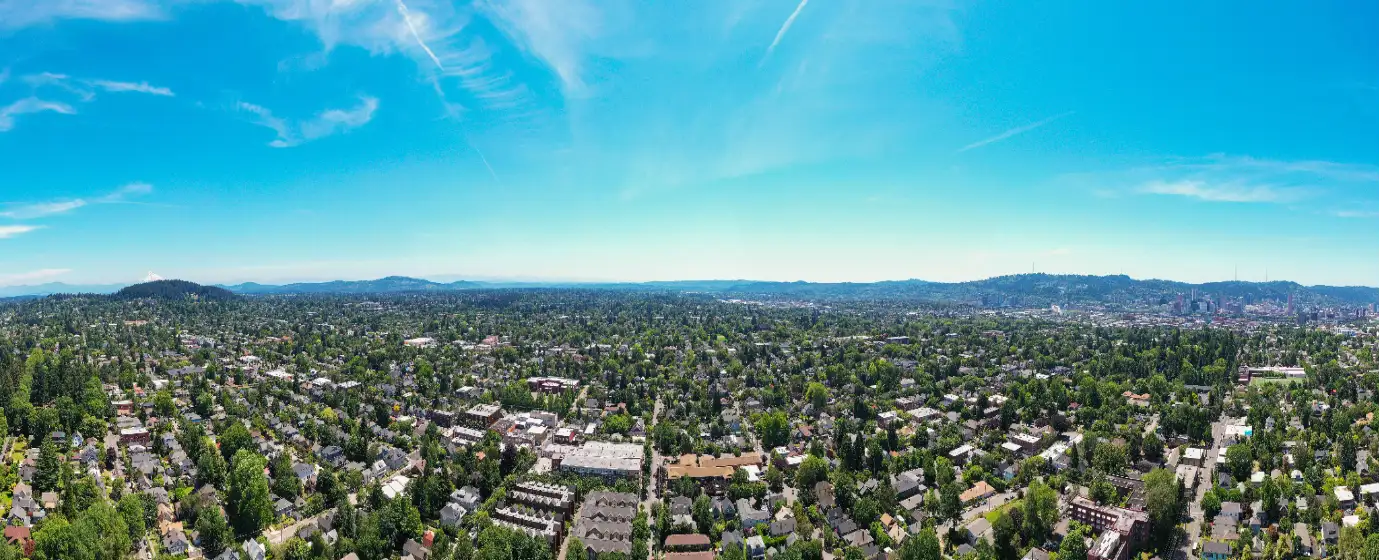
Portland Metro · Oregon
Moving to Scappoose? Top 10 Questions Realtors Get About Living in Scappoose, Oregon (2026)

I'm Elizabeth Davidson, a broker with Cascade Hasson Sotheby's International Realty, and I've spent the better part of my career helping people navigate the Portland Metro's quirks — which neighborhoods deliver on their promises, which ones don't, and where the real value hides. I rank in the top 2% of Portland Metro brokers by volume, but what I'm actually proud of is the repeat clients who come back because I told them the truth the first time, even when it wasn't what they wanted to hear.
Scappoose is one of those towns I genuinely enjoy working in because it attracts a specific type of buyer — people who've done the math on commute times, who value space over walkability, and who understand that "30 minutes to Portland" means something different at 6:30 AM than it does at 8:15 AM. I've sold homes near the Scappoose Industrial Airpark where pilots literally taxi from their hangars, and I've helped young families stretch their budgets in Heritage Park when they realized they'd never afford a comparable home in Beaverton.
This post answers the questions I actually get asked — not the ones that make for pretty marketing copy. We'll cover neighborhoods, schools, the real commute situation, property taxes, and a few things that trip up buyers who underestimate Columbia County's differences from Washington or Clackamas. Let's get into it.
Scappoose is a genuinely good fit for a narrow slice of buyers, and a poor fit for everyone else — which is actually a compliment. It works beautifully for people who want affordable single-family housing with actual yards, don't mind a car-dependent lifestyle, and either work remotely, work locally at employers like West Coast Shoe Company or Cascade Tissue Group, or have already accepted that their commute is the price of a different quality of life.
The town has maintained a small-community character that's increasingly rare this close to Portland. You'll recognize your neighbors. The high school graduation rate sits around 87%, well above Oregon's roughly 80% average. Crown Zellerbach Trail offers 22 miles of hiking and biking into Vernonia. Scappoose Bay provides kayak access that connects you to the Columbia River watershed.
Here's the honest downside: the Walk Score hovers around 14, meaning you're driving to get milk. CC Rider runs one bus daily to Portland, which isn't viable for most commuters. Retail options are limited — you'll do serious shopping in St. Helens or Portland. And Route 30 congestion during peak hours can turn a 30-minute drive into 50 minutes without warning. If you crave urban amenities, walkable restaurants, or robust public transit, Scappoose will frustrate you. If you're trading those things intentionally for space and affordability, it delivers.
Families consistently gravitate toward three areas, each with a distinct personality. Heritage Park sits near the community's recreational facilities and parks, creating that "kids playing in the cul-de-sac" environment that's harder to find closer to Portland. It fosters genuine neighborhood connection — you'll see the same parents at school pickup that you see at community events.
Oliver Landing is one of Scappoose's newer developments with well-maintained streets and a suburban feel. Its proximity to Scappoose Bay Marine Park gives families easy outdoor access, and Highway 30 connectivity means errands don't feel like expeditions. The homes skew newer, which means fewer immediate maintenance surprises for first-time buyers.
Dutch Canyon Estates offers something different — larger lots, a more scenic, canyon-adjacent setting, and views of the surrounding countryside. Families who prioritize privacy and space over proximity to neighbors tend to land here. The trade-off is distance from everyday services like Fred Meyer, and winter canyon road conditions warrant some attention.
For a deeper breakdown on lot sizes, price differences, and which neighborhoods work best for specific buyer profiles, our Best Neighborhoods in Scappoose guide goes into considerably more detail. The short version: most Scappoose neighborhoods are genuinely family-friendly, but the "best" depends heavily on whether you're prioritizing new construction, acreage, or walkability to specific schools.
Scappoose School District 1J ranks #31 in Oregon according to Niche's 2026 rankings, earning a B grade overall. That's solid but not exceptional. What stands out is the graduation rate — approximately 87% compared to Oregon's statewide average around 80% — which tells you something about community engagement and follow-through.
The district serves about 2,227 students across 8 schools, with an average testing ranking of 8/10, placing it in the top 30% of Oregon public schools. Math proficiency lands in the top 20% statewide, and graduation rates are in the top 5%. The standout schools parents specifically ask about are Grant Watts Elementary and South Columbia Family School.
Here's what I tell families who are comparing: Scappoose schools won't compete with Lake Oswego or West Linn's top-tier programs, but they punch above their weight for a town this size. Class sizes tend smaller, teachers know students by name, and there's a cohesion you don't always find in larger districts. The trade-off is fewer advanced course options at the high school level compared to metro schools.
For families coming from underperforming districts elsewhere, Scappoose represents a meaningful upgrade. For families leaving highly-rated suburban districts, the adjustment requires realistic expectations. Our Scappoose Schools and Family Life post covers enrollment specifics and extracurricular offerings in more depth.
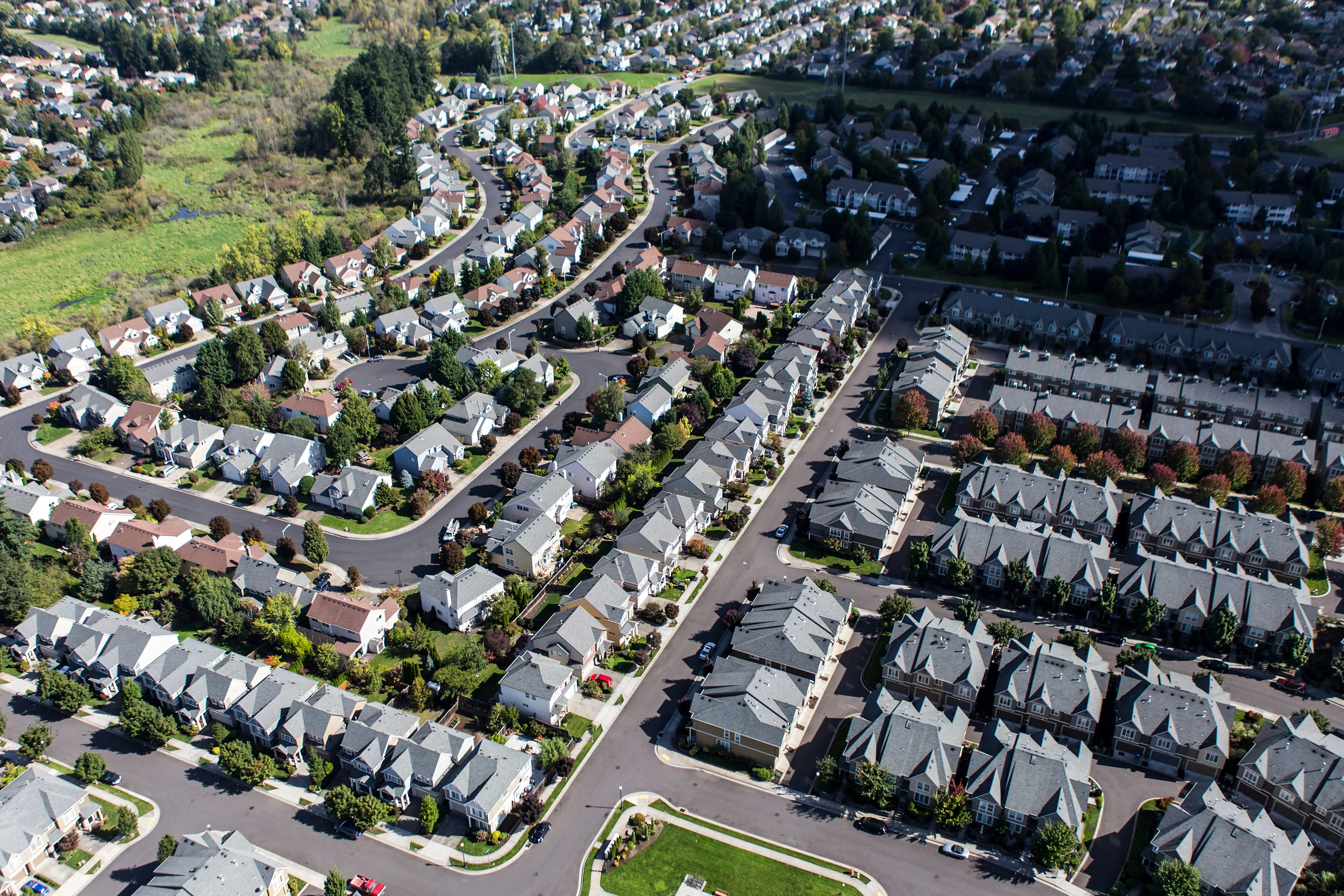
The official answer is 30 minutes to downtown Portland, covering about 21 miles via U.S. Route 30. The real answer is: it depends entirely on when you leave.
If you're on the road by 6:30 AM, 30 minutes is accurate. If you're leaving at 7:45 AM, budget 45-50 minutes during the school year. Route 30 is the only viable corridor, which means any accident, construction, or weather event bottlenecks everyone. There's no alternate route that doesn't add significant time.
Some buyers try CC Rider's bus service, which averages 38 minutes to Portland. The problem: it only runs once daily Monday through Friday. That works for a specific downtown office job with predictable hours, but it's not practical for most commuters or anyone with childcare pickup responsibilities.
The commute math works best for two scenarios: remote workers who only go to Portland occasionally, or early-departure commuters whose jobs align with beating rush hour. I've worked with nurses doing 7 AM hospital shifts who swear by Scappoose — they're against traffic both directions. I've also worked with buyers who lasted 18 months before the Route 30 grind wore them down.
For detailed cost-of-living analysis including fuel costs and time trade-offs, see our Cost of Living in Scappoose breakdown.
As of early 2026, Scappoose is experiencing a slight cooling after several years of aggressive appreciation. The median home value sits around $482,000, down approximately 1.4% year-over-year according to Zillow. Median price per square foot has dropped more noticeably — about 8% compared to last year — suggesting buyers have regained some negotiating leverage.
The market remains competitive but not frantic. Homes receive an average of 1 offer and sell in roughly 14 days. That's a meaningful shift from the 2021-2022 chaos when multiple offers and waived inspections were standard. Buyers now have time to conduct proper due diligence.
Listed prices are running around $511,000 in April 2026, though what homes actually sell for is typically lower. The gap between list price and final sale price matters in Scappoose right now — sellers who priced aggressively last year are adjusting.
For buyers, this market rewards patience and reasonable offers. For sellers, pricing correctly from day one determines whether you sell in two weeks or sit for two months. If you're comparing Scappoose to Portland's inner eastside or Washington County, you're still getting substantially more house per dollar, but the "pandemic discount" migration surge has normalized.
The Ultimate Scappoose Relocation Guide provides broader context on how this fits into your overall moving timeline and budget.
Yes, and the options are more varied than most people expect for a town Scappoose's size. The community I hear the most about is Springlake Community, a resident-owned, gated manufactured home community for 55+ residents. It sits on 33 acres with 145 homes and offers something unusual: it's just 21 miles from downtown Portland with CC Rider public transportation available. Resident ownership means lower monthly costs than comparable rental communities, though it requires buying into the cooperative structure.
Brookdale Rose Valley Scappoose operates as a licensed senior housing complex with 79 apartments on SE Frederick Street. This is more of a traditional assisted living or independent living setup with on-site services.
Columbia Care Center offers 40 pet-friendly senior apartments on E. Columbia Avenue, appealing to residents who want companionship without giving up their animals.
What Scappoose doesn't have is a large-scale, amenity-heavy 55+ development like you'd find in Bend or Southern Oregon — no golf course communities or resort-style active adult enclaves. The options here suit retirees who value Columbia County's quieter pace and lower property taxes over organized social programming.
For a fuller picture of what retirement in this area looks like, including healthcare access and activity options, our Retiring in Scappoose guide covers the details.

Outdoor access is genuinely one of Scappoose's strongest selling points, and I'm not saying that as a brochure talking point.
Veterans Park is the community's flagship — 14 acres with two baseball/softball diamonds, a large turf soccer field, playground equipment, covered picnic areas, two bocce courts, and an off-leash dog area. It's where Little League happens, where community events gather, and where you'll actually see your neighbors on weekends.
Crown Zellerbach Trail is the marquee attraction for serious outdoor enthusiasts. This nearly 22-mile multi-use trail connects Scappoose to Vernonia through forest and countryside, accommodating hiking, biking, and horseback riding. It's legitimately scenic and relatively uncrowded compared to trails closer to Portland.
Scappoose Bay and the kayak launch connect you directly to the Columbia River watershed. The bay provides protected water for paddling, and the broader river system opens up serious exploration for boaters. This is distinctive — most Portland Metro communities don't offer comparable water access.
The outdoor character here differs from suburban parks in Beaverton or Lake Oswego. It's less manicured, more connected to actual wilderness, and reflects Columbia County's working-lands heritage. For families and retirees who prioritize outdoor recreation over urban amenities, this combination is hard to replicate at Scappoose's price point.
More details on facilities and seasonal programming are in our Scappoose Parks and Recreation post.
Three things, consistently.
First: underestimating Route 30 variability. Buyers visit on a Saturday, drive to Portland in 25 minutes, and assume that's their daily commute. It's not. Rush hour, weather events, and the single-corridor constraint mean your actual commute experience varies dramatically. I always recommend buyers do a test drive during their likely commute window before making an offer.
Second: assuming Columbia County services match Washington County's. Scappoose is not Hillsboro. County services, road maintenance response times, and infrastructure investment differ. This isn't a criticism — it's a different tax base serving a different population density. Buyers from Lake Oswego or West Linn sometimes experience adjustment friction around response times or service availability they'd taken for granted.
Third: overlooking flood-zone and drainage considerations. Parts of Scappoose sit in areas with winter drainage challenges. Buyers fall in love with a property's space and views without checking flood maps or asking about creek behavior during atmospheric rivers. I've seen purchase enthusiasm evaporate during inspection when drainage issues surface that the buyer hadn't considered.
The buyers who thrive in Scappoose are those who've chosen it intentionally, understanding exactly what they're trading for space and affordability. The ones who struggle treated it as "Portland but cheaper" without fully processing the differences.
Oregon's property tax system confuses almost everyone who moves from another state, so let me break down what actually matters for Scappoose buyers.
Under Measure 50 (passed in 1997), your property's assessed value for tax purposes is capped at 3% annual growth, regardless of how much the market value increases. This creates a significant gap between assessed value and real market value for long-held properties. When you buy, the county reassesses closer to market value, which means the property tax bill you see from the seller almost certainly won't match what you'll pay.
Columbia County's effective property tax rate runs approximately 0.75-0.86% of assessed value — noticeably lower than the national median of 1.02% and lower than Washington County (closer to 1%). The median annual tax bill in Columbia County is around $3,263.
Here's the practical impact: If you buy a home where the previous owner held it for 15 years with an assessed value of $280,000, and you pay $480,000, the county will reassess. Your tax basis resets closer to purchase price, and your annual bill increases accordingly. This surprises buyers who looked at the seller's $2,800 annual tax bill and didn't understand why their first bill is $3,800+.
Oregon also offers a 3% discount for paying property taxes in full by November 15, which adds up meaningfully over time.
When budgeting for a Scappoose home, calculate property taxes at 0.85% of your purchase price — not the seller's current bill. This gives you a realistic annual number for your first year of ownership and prevents budget surprises at closing.
This is the Scappoose-specific question I get asked most often by buyers who've done their research, and it deserves a direct answer: some areas of Scappoose have legitimate flood and drainage concerns, and winter atmospheric rivers are when problems surface.
Scappoose's geography includes low-lying areas near Scappoose Bay and various creek drainages that can overflow during heavy, sustained rainfall. The South Scappoose and Riverside areas warrant particular attention — not because they always flood, but because they require due diligence. FEMA flood maps show portions of Scappoose in Zone A (high-risk) and Zone X (moderate risk), and these designations directly affect insurance requirements and costs.
What catches buyers off-guard is that a property may not be in a formal flood zone but still experience drainage issues. Atmospheric rivers — those sustained, heavy-rain events that hit the Pacific Northwest between November and March — can overwhelm culverts and drainage infrastructure that handle normal rainfall fine. Neighbors who've lived nearby for decades are your best intelligence source; formal disclosures don't always capture seasonal nuances.
During any Scappoose purchase, I recommend buyers specifically ask about winter water behavior, check FEMA maps independently, and consider a separate sewer scope or drainage inspection if the property shows any grading concerns. This isn't fearmongering — it's the practical reality of buying in Columbia County's topography.
Before submitting an offer on any Scappoose property below 100 feet elevation, pull the FEMA flood map yourself at msc.fema.gov. If the property touches any Special Flood Hazard Area, budget an additional $1,500-$3,000 annually for flood insurance — it's not optional if you're financing.
Scappoose works for people who've made an intentional choice. If you've calculated the commute trade-off, accepted car-dependency, and genuinely want more space for your money in a community that still knows its neighbors — this town delivers. The schools perform solidly, the outdoor access is legitimate, and property taxes in Columbia County won't shock you the way Washington County sometimes does.
It doesn't work for buyers who treat it as "Portland but cheaper" without processing the differences. Route 30's variability, the limited transit options, the adjusted service expectations compared to closer-in suburbs — these wear on people who chose Scappoose primarily for price without fully embracing what comes with it. I'd rather lose a sale than help someone buy a home they'll resent in 18 months.
If you're seriously considering Scappoose, do the work: drive the commute during rush hour, spend a Saturday walking the neighborhoods you're considering, talk to people at the coffee shop about winter weather. The buyers who thrive here did that homework first. If you want to talk through what you've learned or get my unfiltered take on specific properties, reach out — I'll tell you what I actually think, including when the answer is "this isn't the right fit."
Browse current listings updated daily — filtered for Scappoose buyers by Elizabeth Davidson, your local expert.
Powered by Elizabeth Davidson · Cascade Hasson Sotheby's International Realty · 503-939-2035
Explore the full Scappoose series: Living in Scappoose · Is Scappoose Safe? · Cost of Living in Scappoose · Best Neighborhoods in Scappoose · Scappoose Schools & Family Life · Scappoose Youth Sports · Scappoose Parks & Recreation · Retiring in Scappoose · 1031 Exchange in Scappoose · Scappoose First-Time Buyer Guide · · Moving to Scappoose from California · The Scappoose Realtor's Perspective · Top 10 Questions a Realtor Gets About Scappoose