Portland Metro · Oregon
Best Neighborhoods in Scappoose: Where to Buy or Rent (2026)
Scappoose is small enough that newcomers sometimes assume it doesn't matter much where you land. That assumption tends to dissolve quickly. The difference between buying on the eastern edge near the Airpark and settling into a newer subdivision on the south end isn't just a few miles — it's a different daily rhythm, a different noise profile, and in some cases a different commute experience on Highway 30. Get the neighborhood right and Scappoose delivers genuine value. Get it wrong and you'll be watching Zillow again inside two years.
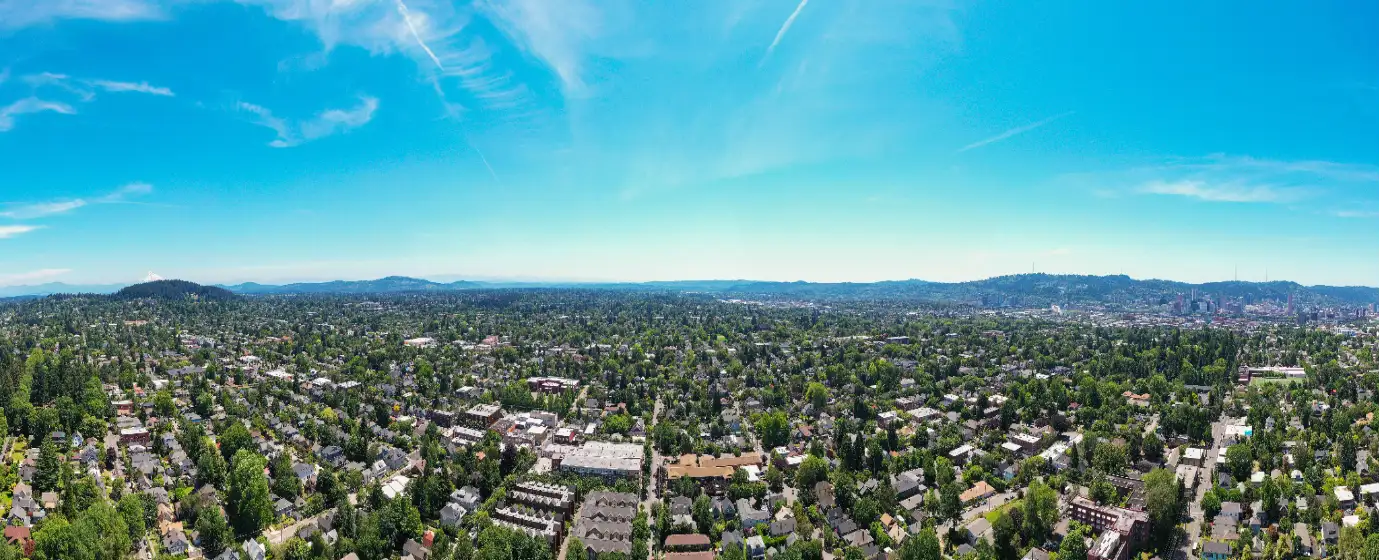
The city's geographic reality shapes everything. Highway 30 forms the main spine running north-south, and the Columbia River marks the northern boundary, creating flood risk for properties in the lower-lying zones. The terrain rises toward the west and southwest into Dutch Canyon, where larger lots and canyon views give way to a more rural character. Downtown sits roughly in the center, walkable by Oregon small-town standards but not by Portland standards. Each zone has a distinct personality, and the price spread between them can easily run $100,000 or more for comparable square footage.
This guide breaks down the eight most significant neighborhoods in Scappoose, what they actually cost, who they're right for, and — just as importantly — what buyers tend to get wrong when they start shopping here. Whether you're relocating from the Portland metro, moving from rural Columbia County, or simply trying to figure out which part of town makes the most sense for your household, the distinctions here matter more than the city's modest size suggests.
| Neighborhood | Best For | Price Range | Vibe |
|---|---|---|---|
| Oliver Landing | Established families, quiet streets | $460K–$530K | Suburban, settled |
| Downtown Scappoose | Walkability seekers, renters, young professionals | $380K–$470K | Small-town main street |
| South Scappoose | Large lot buyers, privacy seekers | $450K–$560K | Rural-residential |
| Dutch Canyon | Scenic views, move-up buyers | $490K–$600K | Semi-rural, spacious |
| Scappoose Airpark Area | Pilots, aviation enthusiasts, mixed-use | $420K–$510K | Industrial-residential hybrid |
| Meadowbrook | Families with kids, newer construction | $490K–$555K | Planned subdivision |
| Heron Meadows | Small-town quiet, outdoor access | $450K–$530K | Low-density, open-sky feel |
| Riverside / Scappoose Bay Area | Boaters, waterfront lifestyle | $440K–$550K+ | Water-adjacent, flood-aware |
| Mountain View | Affordable entry, starter buyers | $390K–$470K | Modest, convenient |
| Heritage Park Area | Families, park access, central location | $440K–$510K | Established, community-oriented |
| Buyer Type | Best Neighborhood | Why |
|---|---|---|
| First-time buyer | Downtown Scappoose / Mountain View | Most accessible price points; smaller square footage but lower entry cost |
| Luxury / move-up buyer | Dutch Canyon | Larger lots, scenic canyon surroundings, more architectural variety |
| Walkability seeker | Downtown Scappoose | Closest to Fred Meyer, farmers market, coffee, and Second Street dining |
| Families with kids | Meadowbrook or Oliver Landing | Newer construction, quiet subdivision streets, close to schools |
| Commuters to Portland | South Scappoose / Meadowbrook | Quick on-ramp to Highway 30; 30-minute corridor if timed well |
| Large lot buyers | South Scappoose / Dutch Canyon | Lot sizes run significantly larger than city-core neighborhoods |
| Renters | Downtown Scappoose area | Most rental inventory; townhouses and apartments within walking distance of amenities |

What I tell every buyer who calls me about Scappoose is this: the median sold price — sitting around $482,000 — actually understates the opportunity in certain pockets of this city. Meadowbrook and Dutch Canyon in particular have seen strong interest from Portland buyers who've been outbid repeatedly in the Beaverton or Hillsboro corridors and are finally doing the math on a 30-minute commute that saves them $150,000 on purchase price. The value differential is real, and it hasn't closed as fast as many assumed it would.
The thing buyers most consistently underestimate is the importance of the Highway 30 corridor timing. Scappoose is genuinely 30 minutes from Portland's west side — if you leave before 7:30 a.m. If you're in a neighborhood that requires a left turn onto 30 at peak hour, add time. I always recommend buyers do the test drive at 7:45 a.m. on a Tuesday before writing an offer. The neighborhoods that feel most commute-friendly are the ones with direct, signal-free access to the highway heading south — and that practically points to Meadowbrook and South Scappoose every time. If you're considering Scappoose and want insight into which neighborhoods align with your priorities and budget, I'd welcome the opportunity to share what I've learned from helping hundreds of families make this move successfully.
Oliver Landing is one of Scappoose's more established single-family subdivisions, sitting in the northern residential quadrant with streets that have fully matured — meaning trees, sidewalks, and neighbors who've been there long enough to keep their lawns tidy. Homes here fall in the $460,000–$530,000 range and tend to be traditional floor plans from the 1990s and early 2000s. The downside is what most older subdivisions carry: deferred maintenance on aging systems, smaller lots than buyers sometimes hope for, and limited inventory that makes finding the right home a patient game.
Best for: Established families who want a quiet, finished neighborhood without paying Dutch Canyon premiums.
The Columbia River Highway runs directly through the center of Scappoose, and the blocks within walking distance of it represent the city's most genuine on-foot lifestyle. The Scappoose Farmers Market runs May through October along Second Street, Fred Meyer and Rite Aid anchor the Scappoose Marketplace for everyday shopping, and there are coffee shops and pubs within a short walk. Smaller condos, apartments, and townhouses in this zone run $380,000–$470,000, making it one of the more accessible entry points in the city. Highway noise is the practical trade-off — homes directly on or near the main corridor feel noticeably different from the quieter residential blocks a few turns off the highway.
Best for: First-time buyers, renters, young professionals, and anyone who prioritizes walkability over square footage.
South Scappoose trades density for acreage. Homes here are primarily single-family on larger lots, built largely between 1970 and 1999, with a tight vacancy rate that reflects genuine owner satisfaction with the area. The $450,000–$560,000 price range buys significantly more land here than anywhere in the city's core. The catch is that "rural character" comes with rural trade-offs: longer drives to the Marketplace, fewer sidewalks, and the kind of loose development pattern that makes walking to anything a choice rather than a convenience.
Best for: Buyers prioritizing land, privacy, and a suburban-rural feel over walkability or newer construction.
Dutch Canyon sits against the rising terrain to the west of city center, where the landscape shifts from flat valley floor to something genuinely scenic. Properties here are among the larger lots in Scappoose, and the canyon surroundings give the neighborhood a character that's rare at this price point in the Portland metro. Homes in the $490,000–$600,000 range attract buyers who've compared this corridor to comparably priced lots in Washington County and found the math compelling. The trade-off is distance from everyday services — getting to Fred Meyer requires a deliberate trip, and the canyon road conditions in winter warrant attention.
Best for: Move-up buyers who want land, views, and a quieter pace without leaving Columbia County.
The neighborhood adjacent to Scappoose Industrial Airpark is genuinely niche — and deliberately so. Some properties in this area have hangar access, attracting private pilots and aviation hobbyists who've found that living near a public-use airpark at prices in the $420,000–$510,000 range is nearly impossible to replicate anywhere closer to Portland. For non-pilots, the appeal is lower prices and industrial proximity that keeps competition down. The downside is obvious: airport operations create noise and activity that standard residential buyers find less charming, and the mixed industrial-residential character of the area makes resale to a general buyer pool more limited.
Best for: Pilots, aviation enthusiasts, and buyers who value price over conventional suburban amenities.
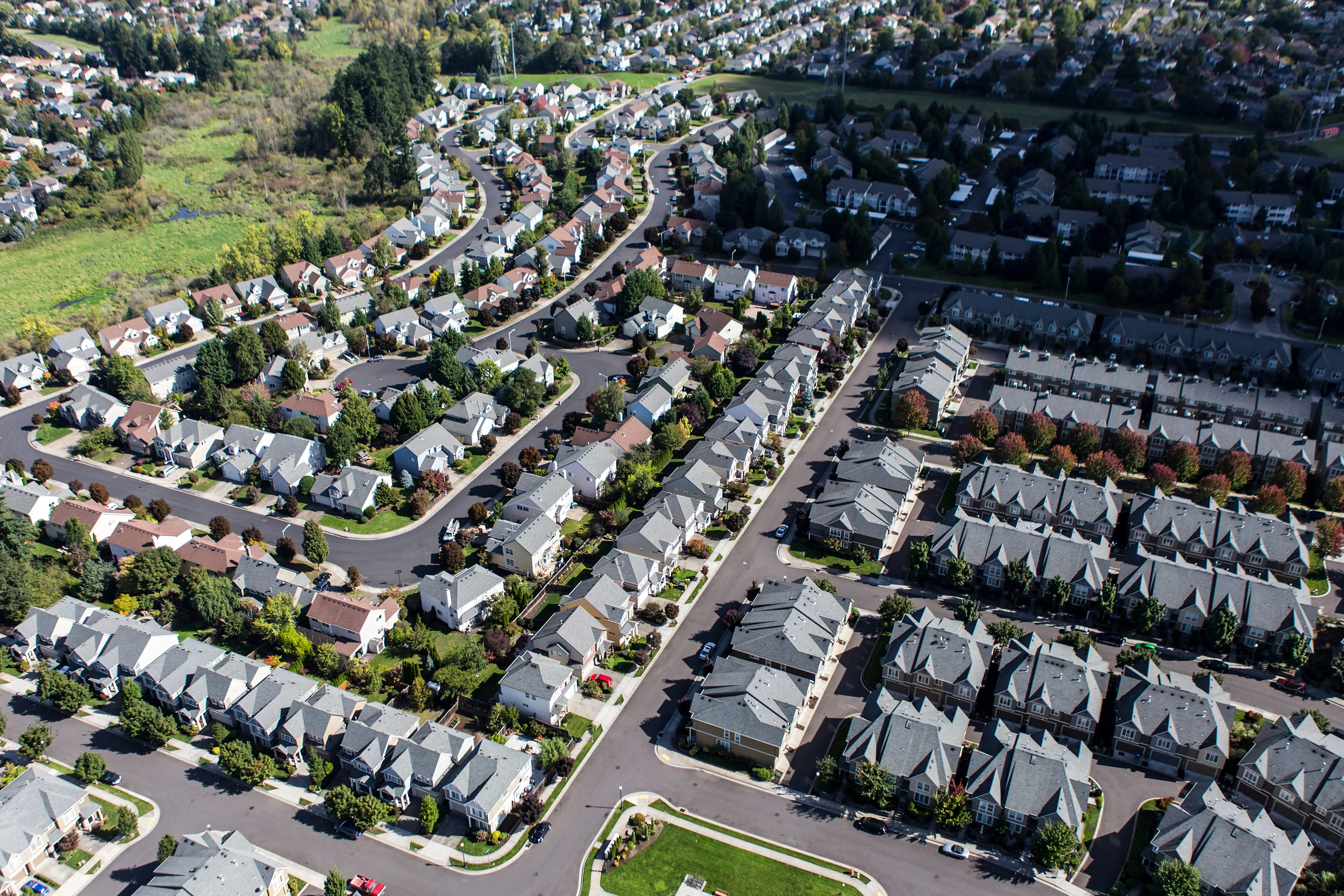
Meadowbrook stands out as Scappoose's most prominent newer development, built largely since 2010 on what were previously open fields on the city's southwestern edge. The subdivision streets are clean and planned, homes run $490,000–$555,000, and the construction quality tends to be more consistent than the city's older stock. Families with school-age children are drawn here by the neighborhood's proximity to Scappoose's schools and the generally kid-friendly street layout. The limitation is the one that all newer subdivisions share: the landscaping is still maturing, the neighborhood lacks the visual warmth of older tree-lined streets, and the HOA or CC&R restrictions in some sections limit exterior modifications.
Best for: Families with children who want newer construction, lower maintenance, and a planned neighborhood feel.
Heron Meadows delivers exactly what its name suggests — a low-density, open-sky neighborhood where the surrounding land hasn't yet been absorbed by the denser growth closer to the city's center. Active listings on Heron Meadows Drive tend toward larger single-family homes in the $450,000–$530,000 range, and the neighborhood consistently earns the description of quiet, even by Scappoose standards. The downside is distance from amenities: this is a drive-for-everything lifestyle, and buyers who underestimate that reality occasionally find the isolation less appealing after six months than it sounded in the listing description.
Best for: Buyers seeking a small-town feel with open surroundings and low density, who don't mind driving for groceries.
The areas closest to Scappoose Bay and the Columbia River system carry a specific lifestyle appeal that doesn't exist anywhere else in the city. Boaters, kayakers, and outdoor-access buyers are drawn to the water proximity, and homes in this zone fall in the $440,000–$550,000 range with occasional outliers for true waterfront parcels. The critical piece of context: roughly 18% of Scappoose properties carry some risk of severe flooding over a 30-year period, and the lower-elevation river-adjacent properties are disproportionately represented in that figure. Flood insurance requirements and FEMA map status should be the first thing verified before making an offer anywhere near the bay.
Best for: Buyers who want water access and an outdoor-recreation lifestyle and have done their flood-zone homework.

Looking to buy in Scappoose? Estimate your payment.
Enter your numbers to see an estimated monthly mortgage payment.
Estimate only. Excludes HOA fees and mortgage insurance.
Assuming Highway 30 commute timing is consistent. The 30-minute drive to Portland is real — under the right conditions. Highway 30 through the Columbia River Gorge corridor has known bottlenecks where the road narrows between Sauvie Island and the outer Portland edge, and the window between a comfortable commute and a frustrating one can be as short as 20 minutes of departure time. Buyers who test-drive on a Saturday afternoon are frequently surprised when Tuesday morning looks nothing like their test run.
Ignoring flood zone status on lower-elevation properties. The Scappoose Bay and Riverside areas are genuinely attractive, but many buyers moving from inland metros haven't navigated FEMA flood maps before. A home in the $460,000 range on an appealing lot near the water can carry mandatory flood insurance that meaningfully changes the monthly carrying cost. This step gets skipped far too often during the due-diligence period, and it surfaces as a problem at renewal time year two.
Prioritizing square footage over neighborhood character near the Airpark. The Airpark-adjacent properties offer some of the city's more favorable price-per-square-foot ratios, and that draws buyers focused primarily on square footage. What they sometimes underestimate is how fundamentally different the resale pool is for a home adjacent to an active industrial airpark versus a conventional residential neighborhood. The discount at purchase can shrink when it's time to sell to a non-pilot buyer.
Buying in South Scappoose expecting urban walkability to improve. South Scappoose has real appeal, but the city's infrastructure investment in that area is modest. Buyers who move there expecting sidewalks, nearby schools within walking distance, or pedestrian access to the Marketplace will be waiting a long time. The neighborhood is what it is — rural-residential with a car-dependent daily routine — and that's a feature for the right buyer and a frustration for the wrong one.
| Area | Ideal For | Typical Rent Range | Trade-off |
|---|---|---|---|
| Downtown / Second Street Corridor | Young professionals, couples without cars | $1,400–$1,850/mo | Highway noise; limited parking |
| South Scappoose residential | Families wanting more space, outdoor access | $1,700–$2,200/mo | Car-dependent; limited rental inventory |
| Meadowbrook | Families with kids in newer homes | $1,900–$2,400/mo | Fewer available rentals; higher end of market |
| Near Scappoose Marketplace | Convenience-focused renters, older adults | $1,500–$1,900/mo | Denser, less residential feel |
| Heron Meadows area | Privacy seekers, outdoor recreationalists | $1,800–$2,200/mo | Remote feel; long drive for daily errands |
Scappoose's rental market is genuinely tight. With a homeownership rate above 74%, purpose-built rental inventory is limited, and what does come available — particularly the three-bedroom single-family homes that relocating families need — tends to move quickly. Most renters end up in the Downtown corridor, where the highest concentration of apartments and townhouses exists, or in older South Scappoose homes listed by individual landlords. If you're relocating to Scappoose and planning to rent first while you orient yourself, build extra lead time into your search. The inventory is thin enough that landing the right unit often takes 45–60 days of active looking.
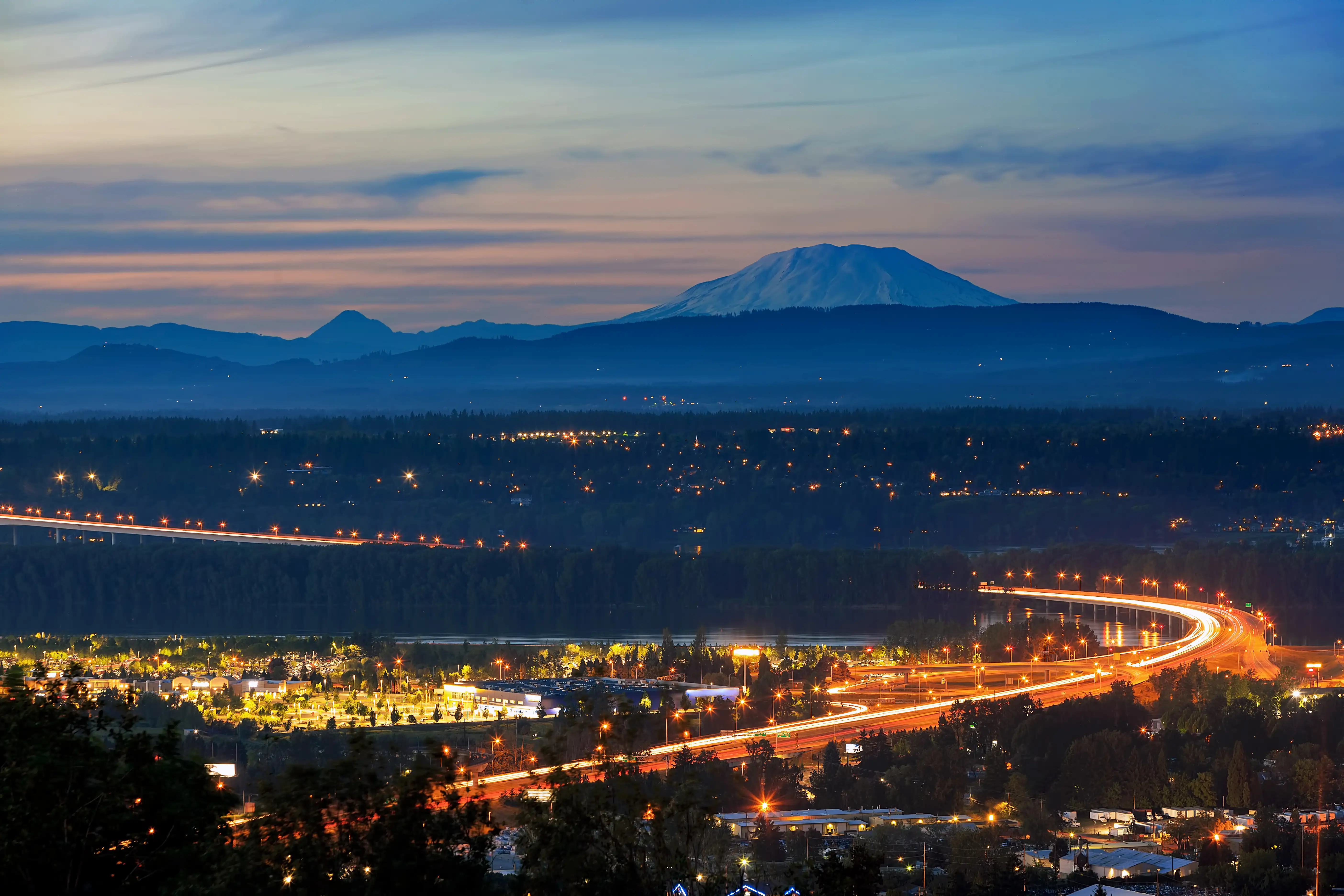
Local Expert Takeaway: The single most important geographic insight for Scappoose buyers in 2026 is understanding the elevation-to-amenity gradient. The lower you are in the valley — toward the bay and river — the better the views and outdoor access, and the higher the flood risk. The higher you go, toward Dutch Canyon and the western slopes, the more land and privacy you get, but the farther you are from the Marketplace and the schools. The sweet spot for most buyers — particularly those commuting to Portland — is the Meadowbrook-to-South Scappoose corridor: newer stock, direct Highway 30 access, reasonable lot sizes, and city-wide median pricing around $482,000 that still makes sense compared to comparably sized homes in Washington County.
Does living near the Scappoose Airpark area affect property values or daily life for residents?
Yes, in ways worth understanding before buying. The Scappoose Airpark area is home to active general aviation operations at the Scappoose Industrial Airpark, which means residents in and near that corridor experience regular small-aircraft traffic overhead — particularly on weekends and during clear weather. For aviation enthusiasts or buyers who don't mind the noise, the area offers larger lots and a distinctive semi-rural character at prices below the city median. For buyers sensitive to overhead noise or planning to spend significant time in outdoor living spaces, the flight patterns are worth testing in person before committing to an address in that corridor.
What are the best neighborhoods in Scappoose for families?
Meadowbrook and Oliver Landing consistently attract families with school-age children. Meadowbrook offers newer construction built since 2010 with planned streets and proximity to Scappoose schools, while Oliver Landing delivers established neighborhood character with mature trees and a quieter residential atmosphere. Both neighborhoods fall near the city-wide median, making them accessible without requiring a significant premium.
Is Scappoose a good place to buy a home in 2026?
For buyers priced out of the Washington County or inner Portland metro corridors, Scappoose offers genuine value. The median sold price around $482,000 sits meaningfully below the Portland metro average, and the 30-minute commute window is realistic for buyers who can adjust their departure time. The market has softened slightly year-over-year, which means buyers currently have more negotiating room than existed during the 2021–2023 run-up.
How do Scappoose neighborhoods compare to each other on price?
The range within Scappoose is wider than most first-time buyers expect. Downtown and Mountain View areas represent the most accessible entry points, with homes starting around $380,000–$470,000 for smaller or older properties. Dutch Canyon and Meadowbrook sit at the upper end, with newer or larger homes reaching into the $550,000–$600,000 range. Choosing a neighborhood in Scappoose is less about prestige and more about matching your daily lifestyle to the right part of town.
Browse current listings updated daily — filtered for Scappoose buyers by Elizabeth Davidson, your local expert.
Powered by Elizabeth Davidson · Cascade Hasson Sotheby's International Realty · 503-939-2035
Explore the full Scappoose series: The Ultimate Scappoose Relocation Guide · Is Scappoose Safe? · Cost of Living in Scappoose · Best Neighborhoods in Scappoose · Scappoose Schools & Family Life · Scappoose Youth Sports · Scappoose Parks & Recreation · Retiring in Scappoose · 1031 Tax-Deferred Exchange in Scappoose · Scappoose First-Time Homebuyers Guide · · Moving to Scappoose from California · The Scappoose Realtor's Perspective · Top 10 Questions a Realtor Gets About Scappoose
Tell us what you need help with and we'll connect you with local resources.

About the Author
Todd Davidson is the founder of Living in Oregon and Living in Washington, where he publishes in-depth city guides, neighborhood resources, and local market insights covering more than 180 communities across the Pacific Northwest. While his background is in home financing and real estate, he created these digital platforms to help families research and compare regions before making a move.