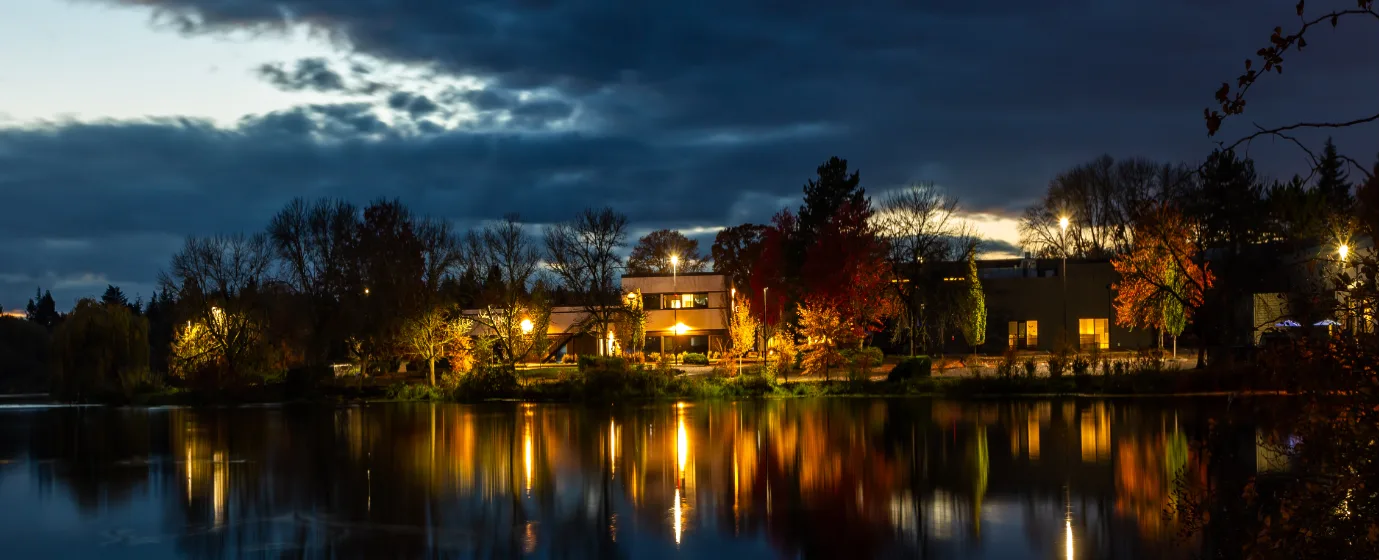
Portland Metro · Oregon
Moving to Beaverton? Top 10 Questions Realtors Get About Living in Beaverton, Oregon (2026)

I'm Elizabeth Davidson, a broker with Cascade Hasson Sotheby's International Realty, and I've spent the better part of two decades helping people find homes across the Portland metro area. I'm consistently in the top 2% of brokers by volume in this market, which means I've seen a lot of transactions — and a lot of buyer misconceptions — come across my desk.
Beaverton is one of my core practice areas, and honestly, it's one of the more interesting markets to work in because it attracts such a diverse range of buyers. I've helped first-time buyers stretch into Cedar Hills fixers, relocated Nike employees hunting for quick commutes, and retirees downsizing from Lake Oswego who want walkability without giving up their car entirely. The questions I get span everything from "Which side of Murray Boulevard should I be on?" to "What's the deal with THPRD fees?"
This post tackles the ten questions I hear most often about Beaverton — and I'm giving you the same candid answers I'd give a friend. Some of these answers are flattering to Beaverton. Some aren't. But they're all honest, and that's what you actually need when you're making a half-million-dollar decision.
Beaverton works well for a specific kind of person, and I'll tell you who that is: someone who wants suburban infrastructure with urban access. You get the strip-mall convenience and newer construction of the suburbs, but you're 15 minutes from downtown Portland in good traffic and have legitimate MAX light rail options. It's the most "city-adjacent" suburb in the metro, and that's either exactly what you want or a deal-breaker.
The positives are real. The Tualatin Hills Park & Recreation District (THPRD) operates over 95 parks and 70 miles of trails — it's genuinely impressive for a suburb. Major employers like Nike and Intel are right here, which creates actual economic stability and attracts a diverse, educated population. The restaurant scene along Beaverton's food corridors (think Korean on SW Watson, Mexican on Canyon Road) punches above its weight. And the Beaverton School District, while not perfect, consistently ranks in Oregon's top five.
The negatives are also real. Traffic on Highway 26 and 217 can be brutal during rush hour — "15 minutes to Portland" becomes 45 in the worst conditions. The housing stock varies wildly; some neighborhoods feel dated and overlooked. And Beaverton doesn't have a particularly strong identity or walkable downtown, despite recent redevelopment efforts. If you want charm and character, this probably isn't your place. If you want functionality and access, it might be perfect.
When families ask me this question, I recommend three areas based on what they prioritize: schools, safety, or community amenities.
Sexton Mountain is probably the most reliably family-oriented neighborhood in Beaverton. It feeds into strong schools like Scholls Heights Elementary and Mountainside High, crime is low, and the suburban infrastructure (sidewalks, cul-de-sacs, parks) is designed around families. Homes here skew newer and larger, often with prices in the mid-$600s and up.
South Beaverton and Progress Ridge consistently rank among the safest areas in the city by crime data. Progress Ridge in particular offers a newer town center feel with walkable restaurants and shops, which appeals to families who want their kids to have some independence. School assignments here are generally favorable, though you'll want to verify specific boundaries.
Bethany is technically its own CDP but is often lumped into "North Beaverton" discussions. It's one of the most sought-after family areas because of its newer construction, modern layouts, and strong community planning. The trade-off is price — Bethany commands a premium, and you'll often be north of $700K for a four-bedroom.
For a more detailed breakdown of each neighborhood's personality and price points, our Best Neighborhoods in Beaverton guide covers this in depth.
The Beaverton School District earns an A-minus on Niche and ranks #5 among all Oregon school districts. That's genuinely strong. But I want to give you the nuanced picture because "A-minus district" can mean different things at the school level.
The district serves nearly 38,000 students with a 17:1 student-teacher ratio, which is decent but not exceptional. Proficiency rates are 43% in math and 53% in reading — again, respectable but not stellar. The graduation rate of about 89% beats the state average comfortably. What this tells you is that Beaverton schools are solidly above-average but not elite.
Where Beaverton shines is in its specialty programs. The Beaverton Academy of Science and Engineering (BASE) ranks #6 among all Oregon public high schools. The International School of Beaverton and Hope Chinese Charter School offer strong language immersion options. Sunset High School consistently lands in Oregon's top 15. These aren't lottery-only magnets — if you position yourself in the right attendance boundaries and your student qualifies, you have legitimate access.
The variability matters for buyers. An elementary school in one part of Beaverton might be rated significantly higher than one two miles away. I always recommend verifying your exact school assignments through the district website before making an offer. Our Beaverton Schools and Family Life post digs into specific school ratings by neighborhood.
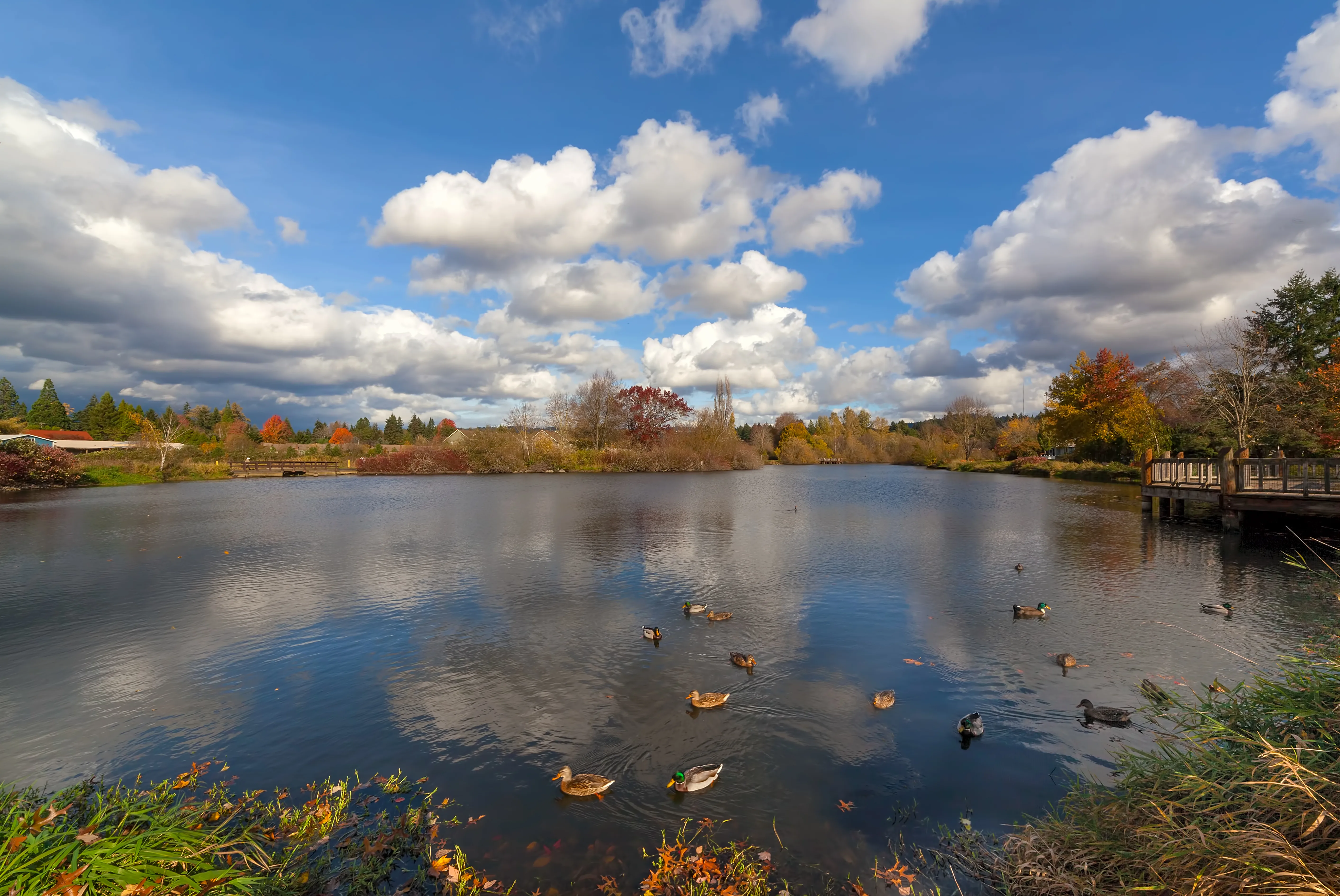
Here's the truth: that "15 minutes to downtown Portland" figure you'll see everywhere is accurate only outside rush hour. During morning and evening commutes, Highway 26 eastbound and Highway 217 become parking lots, and you're looking at 35-50 minutes in heavy traffic. The Portland metro average commute is 28 minutes, and Beaverton residents heading downtown often exceed that.
The good news is you have options beyond driving. The MAX Blue Line runs directly through Beaverton with stops at Beaverton Transit Center, Millikan Way, and Sunset Transit Center, offering a reliable 25-35 minute trip downtown that bypasses traffic entirely. The Red Line (to PDX) is also accessible. The WES Commuter Rail connects downtown Beaverton to Wilsonville if you work south. TriMet bus service fills in the gaps, though frequency varies by route.
Your commute reality depends heavily on where you live within Beaverton and where you work. Living near a MAX station and working downtown? Transit becomes genuinely practical. Working at Nike World Headquarters? You're looking at a 10-minute drive regardless of traffic. Working in Hillsboro tech corridor? You're reverse-commuting and laughing at everyone else. For more specific route times and cost-of-living considerations, our Cost of Living in Beaverton post has detailed breakdowns.
The Beaverton market in 2026 is what I'd call "stable but not exciting." The median sale price sits at $594,000 as of mid-2026, down roughly 2.6% year-over-year. Homes are selling in an average of 29 days, and the market scores 67 out of 100 on competitiveness — which means you'll occasionally face multiple offers on well-priced homes, but bidding wars aren't the norm.
There's significant price variation by ZIP code. The 97003 ZIP (roughly central/west Beaverton) averages around $481K, while 97007 (south Beaverton, including Murrayhill and Progress Ridge) pushes toward $592K. That $110K spread within the same city tells you that neighborhood selection matters as much as timing.
For buyers, this market offers more negotiating room than we saw in 2021-2022, but sellers aren't desperate. Well-maintained homes in desirable school zones still move quickly. Dated homes needing work sit longer and sell below asking. For sellers, pricing accurately from day one matters more than it has in years — overpricing by 5% means sitting for 60+ days instead of 30.
Most analysts expect modest price growth through 2026, not dramatic swings in either direction. If you're waiting for a crash, you'll probably be waiting a while. For a comprehensive overview of buying in this market, our Ultimate Beaverton Relocation Guide covers current conditions in detail.
Yes, and you have legitimate options. The Beaverton area has roughly 19 active adult communities listed on senior housing directories, with about two dedicated 55+ communities within the city limits proper.
Village at Forest Glen is a purpose-built retirement community designed for 55+ independent adults. It offers the amenities and programming that active retirees typically want without requiring any care services.
Terra Buena is a manufactured housing community on 11 acres with 93 homesites and 11 RV sites — it's 55+ age-restricted and offers a lower price point for retirees looking to minimize housing costs while staying in the area.
Courtyard Village at Raleigh Hills sits just outside Beaverton proper but is minutes from Tualatin Hills Nature Park. It's a 55+ apartment community that works well for renters who want to test the area before committing.
For retirees who need a continuum of care, The Springs at Murrayhill provides independent living, assisted living, and memory care in one location — useful for couples with different needs or those planning for future transitions.
The appeal of Beaverton for retirees generally comes down to access: MAX light rail to Portland, excellent parks through THPRD, and major medical facilities (Providence) nearby. Our Retiring in Beaverton post explores these options more thoroughly.
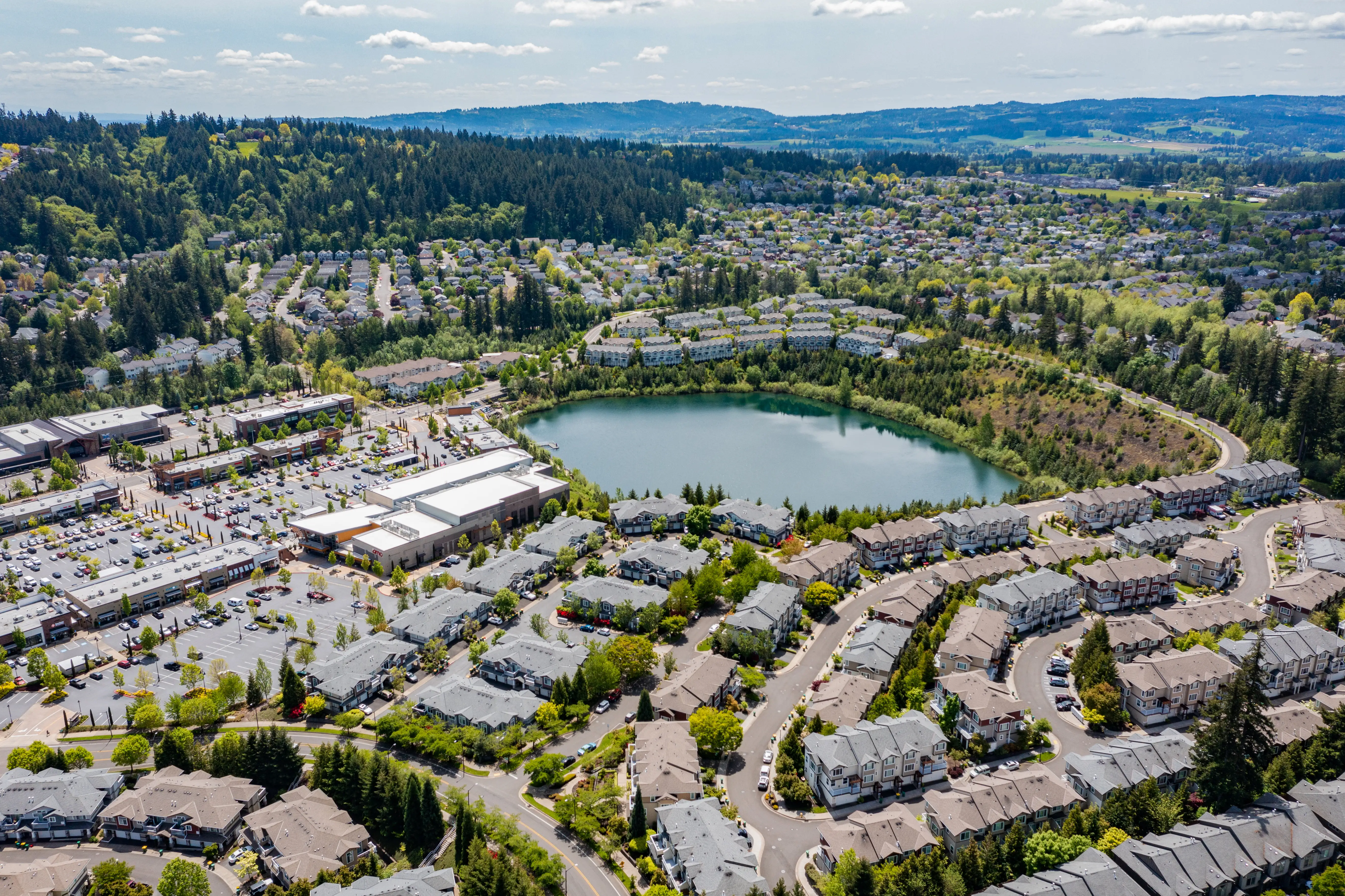
Beaverton's parks and trails system is legitimately one of its strongest selling points, and I don't say that about every suburb I work in. The Tualatin Hills Park & Recreation District operates over 95 park sites, 70 miles of trails, and more than 1,500 acres of natural areas. That's not marketing fluff — it's a genuinely impressive infrastructure that residents use daily.
Tualatin Hills Nature Park is the crown jewel: 222 acres of protected wetlands and wildlife habitat with boardwalk trails winding through forests and marshes. It's often called the best nature preserve in the west Portland metro, and I've shown countless homes specifically to buyers who want to walk there regularly.
Cooper Mountain Nature Park offers a different experience — 232 acres of oak woodlands and prairies with 3.5+ miles of trails and views of the Chehalem Mountains and Tualatin Valley. It's slightly more remote but worth the short drive.
Commonwealth Lake Park is smaller (20.8 acres) but popular with families for its walking path around the lake, playground, and fishing access. It's the kind of neighborhood park that actually gets used.
The Fanno Creek Trail connects Beaverton to Tigard and beyond, offering paved multi-use paths for biking and walking commutes. Our Beaverton Parks and Recreation post has the complete rundown of trails, facilities, and THPRD programs.
The biggest misconception I encounter is that all of Beaverton is the same. Buyers will often say "I want to live in Beaverton" without understanding that Cedar Hills and Murrayhill might as well be different cities. Cedar Hills has smaller, older homes from the 1960s-70s on larger lots, often under $500K. Murrayhill has 1990s-2000s construction with higher finishes, feeding into Mountainside High, often in the mid-$600s. Same city, completely different experience.
The second mistake is underestimating THPRD costs. The park district is funded through property taxes and fees, and while the services are excellent, buyers are sometimes surprised by the additional line item on their tax bill. It's worth it for most people — but you should know it exists.
Third, buyers assume proximity to Nike or Intel automatically means premium prices. It depends heavily on the specific neighborhood. Living directly adjacent to Nike World Headquarters doesn't necessarily command top dollar; the "Nike premium" is more about commute convenience than prestige address. Meanwhile, some buyers overlook perfectly good neighborhoods because they're not brand-name areas.
Finally, I see buyers assume school district boundaries are static. They're not. Always verify current boundaries through Beaverton School District directly, not through third-party sites that may have outdated information. For first-time buyers specifically, our Beaverton First-Time Home Buyer guide covers these pitfalls in detail.
Oregon property taxes confuse nearly every out-of-state buyer I work with, so let me explain how this actually works. Under Measure 50, passed in 1997, your assessed value is capped at a 3% maximum annual increase regardless of actual market appreciation. In Washington County, where Beaverton sits, the effective property tax rate is approximately 1.00%. This means long-time owners often have assessed values far below market value — which is great for them, but creates a trap for buyers.
When you purchase a home, the county reassesses the property at the sale price. If the seller bought in 2005 and their assessed value crept up to $320K, but you're buying at $594K, your tax bill will be calculated on $594K, not $320K. This is why you cannot rely on the seller's current tax bill to estimate your costs. I've seen buyers shocked by tax bills 40-60% higher than what the seller was paying.
In Beaverton (Washington County), the effective property tax rate typically runs between 0.95% and 1.1% of assessed value, depending on your specific taxing district. On a $594K purchase, budget roughly $5,600-$6,500 annually in property taxes. The rate includes THPRD levies, Beaverton School District bonds, and various county services.
Always request the county's Real Market Value (RMV) AND Assessed Value (AV) when evaluating a property. If the AV is significantly lower than the RMV, you're looking at a reset at purchase — budget for it. I run these calculations for every buyer I work with before we write an offer.
This is one of the most common questions I get from relocating tech and corporate employees, and the answer is more nuanced than real estate marketing would suggest.
The practical reality is that proximity to Nike World Headquarters or Intel's Ronler Acres campus does influence pricing — but not as dramatically or consistently as you might expect. Within a 10-minute drive radius of Nike (roughly the Murray Hill and Progress Ridge areas), homes often run 5-10% higher than comparable properties elsewhere in Beaverton. But that premium isn't purely "Nike prestige" — it's driven by the fact that those neighborhoods also happen to have newer construction, better schools, and lower crime rates. Separating the employer effect from the neighborhood quality effect is nearly impossible.
For Intel employees, the calculus is different because many work at Hillsboro campuses rather than Beaverton proper. West Beaverton and the Five Oaks area can offer shorter Intel commutes than living in "prime" Beaverton neighborhoods, often at lower prices. I've worked with Intel relocations who focused on Beaverton's name recognition and ended up adding 15 minutes to their daily commute unnecessarily.
What actually matters more than employer proximity is commute consistency. Living near a MAX station (Beaverton Transit Center, Millikan Way) gives you transit access to both Nike and downtown Portland regardless of traffic. That flexibility often proves more valuable than shaving five minutes off a theoretical drive time.
Before paying a premium for employer proximity, do a test commute during actual rush hour — both driving and via transit. I've watched buyers overpay for "close to work" only to realize their specific route still hits the Highway 217 bottleneck. Sometimes the smarter money is on a home near good transit, not near the campus gate.
Beaverton is a practical choice, not a romantic one. If you're moving here expecting tree-lined downtown streets and boutique shopping, you'll be disappointed. If you're moving here expecting solid schools, reliable transit access, excellent parks, and homes that actually fit your budget compared to inner Portland — you'll probably be very happy.
The buyers I see thrive in Beaverton are those who prioritize function over aesthetics. They want the 20-minute MAX ride to downtown without paying inner-city prices. They want their kids in schools that perform above state averages without the private school tuition. They want to walk a nature trail before dinner without driving 45 minutes to do it. Beaverton delivers on all of that.
My honest advice: narrow down your neighborhood before you start seriously looking. Beaverton is too varied to approach as a single market. Figure out whether you need newer construction (Bethany, Murrayhill) or can trade age for value (Cedar Hills). Verify your school assignments before you fall in love with a house. And come in with realistic expectations about traffic — because that 15-minute commute is real at 6 AM, but not at 8 AM. If you want to talk through what makes sense for your situation, I'm always happy to grab coffee and walk through the options. No pressure, no pitch — just a conversation about what's actually going to work for you.
Browse current listings updated daily — filtered for Beaverton buyers by Elizabeth Davidson, your local expert.
Powered by Elizabeth Davidson · Cascade Hasson Sotheby's International Realty · 503-939-2035
Explore the full Beaverton series: Living in Beaverton · Is Beaverton Safe? · Cost of Living in Beaverton · Best Neighborhoods in Beaverton · Beaverton Schools & Family Life · Beaverton Youth Sports · Beaverton Parks & Recreation · Retiring in Beaverton · 1031 Exchange in Beaverton · Beaverton First-Time Buyer Guide · · Moving to Beaverton from California · The Beaverton Realtor's Perspective · Top 10 Questions a Realtor Gets About Beaverton