Portland Metro · Oregon
Moving to Canby? Top 10 Questions Realtors Get About Living in Canby, Oregon (2026)

I'm Elizabeth Davidson, a broker with Cascade Hasson Sotheby's International Realty, and I've spent the better part of my career helping people find the right home in the Portland metro area. I consistently rank in the top 2% of brokers by volume, but more importantly, I've developed a real understanding of what makes each community work—and who it works for.
Canby holds a particular place in my practice because it represents something increasingly rare: a genuine small town within reasonable reach of Portland. I've walked the Sunday farmers market more times than I can count, watched the Clackamas County Fairgrounds transform during summer events, and helped buyers navigate everything from new construction in Tofte Farms to century-old farmhouses on the outskirts of town. When clients ask me about Canby, I tell them the truth—including the parts that might make them reconsider.
This post answers the questions I hear most often about Canby. Not the polished marketing version, but the real answers I'd give a friend over coffee. We'll cover everything from school performance and commute realities to property taxes and the neighborhoods where families actually thrive. If you're seriously considering Canby, this is the information you need.
Canby is genuinely good for people who want small-town rhythms without completely disconnecting from metro amenities—but it's not for everyone. The population hovers around 18,000, which means you'll recognize faces at the grocery store and your kids will likely go to school with the same classmates from kindergarten through high school graduation. For some families, that continuity is exactly what they're seeking. For others, it feels limiting.
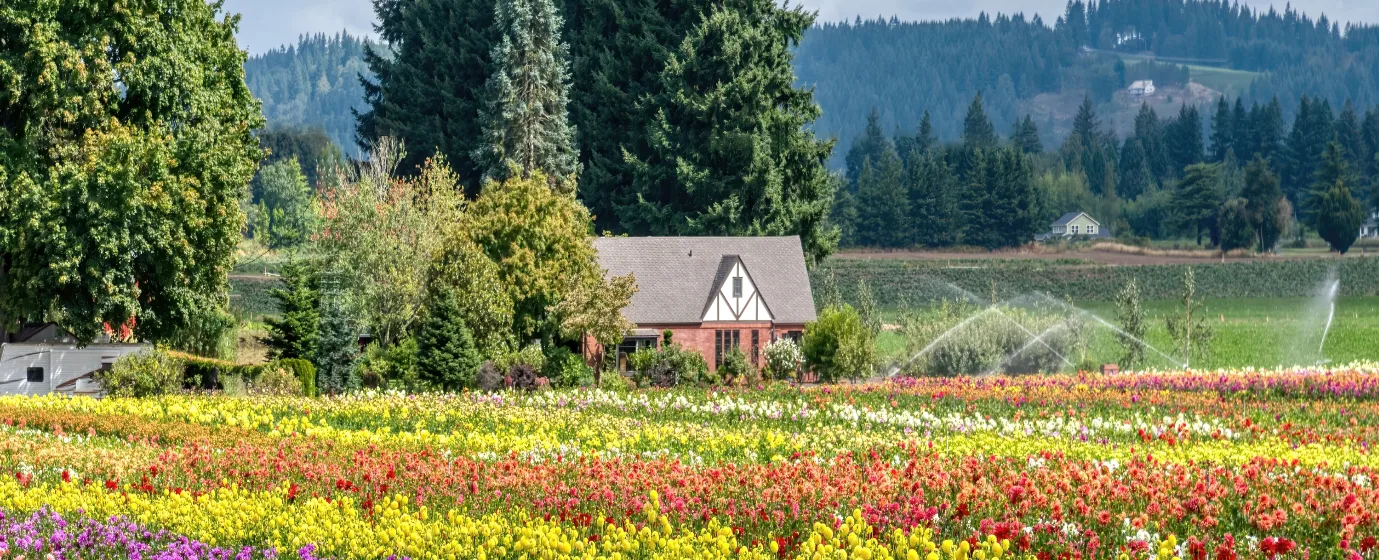
The lifestyle here centers on community events, local agriculture, and outdoor access. The Clackamas County Fairgrounds hosts everything from the annual fair to car shows. The Swan Island Dahlia Fields bring thousands of visitors each August. The Molalla River provides year-round fishing and kayaking. But Canby doesn't have the restaurant scene of Lake Oswego or the nightlife of inner Portland. Your evening entertainment options are more likely to involve a backyard fire pit than a cocktail bar.
The honest trade-off: you're buying space, relative affordability compared to closer-in suburbs, and genuine community character. You're giving up convenience, walkability, and urban amenities. If you work remotely or don't mind a 36-minute commute (on a good day), Canby delivers on its promises. If you need frequent access to Portland proper, the distance will wear on you. For a deeper dive into what everyday costs look like here, our Cost of Living in Canby post breaks it down.
I consistently steer families toward three areas, each with distinct characteristics. Canby North ranks in the top 5.3% of family-friendly neighborhoods statewide according to NeighborhoodScout, and the data backs it up: strong schools, low crime rates, and predominantly owner-occupied single-family homes. The neighborhood has an established feel with mature trees and homes built across several decades.
Tofte Farms appeals to families wanting newer construction and modern floor plans. The development features larger lots and contemporary amenities, with proximity to both parks and schools. Homes here tend toward the higher end of Canby's price range, but you're getting square footage and features that would cost significantly more in closer-in suburbs.
Willamette Farms on the southern end offers a mix of single-family homes and townhomes, making it more accessible for first-time buyers. The area includes dedicated parks and playgrounds, which matters when you have young kids who need safe outdoor space within walking distance.
I'd also mention Northwest Canby for families who prioritize easy access to downtown amenities while maintaining a residential feel. The homes tend to be well-maintained with solid curb appeal. Our Best Neighborhoods in Canby guide covers each area in much more detail, including current price ranges and what to expect street by street.
Canby School District earns a B grade from Niche and ranks #4 among school districts in Clackamas County—solid but not spectacular. The 89% four-year graduation rate exceeds Oregon's statewide average of roughly 80%, which tells you something about follow-through and community support.
Canby High School performs above average compared to Oregon schools overall, offering AP courses and a Gifted & Talented program. It's a comprehensive high school where motivated students can find challenge and support, though it won't have the breadth of course offerings you'd find at larger schools in the metro area. Athletics and vocational programs are strong points.
The standout program worth knowing about: Trost Elementary offers a Spanish dual immersion track running K-6, with students earning a bilingual honor upon graduation. For families prioritizing bilingual education, this is a significant draw—and it's free public school, not private.
The district serves about 4,160 students with a 17:1 student-teacher ratio. Class sizes are manageable, and teachers tend to stay in the district. The honest assessment: if you're coming from a high-performing suburban district in California or the East Coast, you may find the academic rigor a step down. If you're comparing to average Oregon schools, Canby performs well. Our Canby Schools and Family Life post explores specific schools and programs in depth.
The official answer is 36 minutes to downtown Portland. The real answer depends entirely on when you leave and where you're actually going. During morning rush hour, that 36 minutes can stretch to an hour or more, particularly if there's an incident on I-205 or I-5.
Your main routes are Highway 99E north through Oregon City, I-205 via Oregon City, or I-5 via Wilsonville. Each has its own traffic patterns and pain points. I-205 northbound backs up at the Abernethy Bridge regularly. I-5 through Wilsonville can bog down near the Boone Bridge. Highway 99E is surface streets with stoplights but sometimes moves faster than the freeways during peak congestion.
Public transit exists but isn't practical for daily commuting. The CAT 99X bus to Oregon City followed by a MAX transfer to Portland takes roughly an hour and 35 minutes—fine for occasional trips, not viable for a daily work commute.
The Portland International Airport is about 40 minutes away, which matters for frequent travelers. Many of my Canby clients work in Wilsonville, Tualatin, or Oregon City rather than Portland proper, which changes the commute calculus significantly. If your job is in the southern metro, Canby becomes much more practical. The Cost of Living in Canby guide factors in commute costs alongside housing expenses.
As of early 2026, Canby's median sale price sits at $650,000, up 5.3% year over year. Median price per square foot is $278. The market has cooled from the frenzy of 2021-2022 but remains tilted slightly toward sellers, with a market action index of 35.
Here's what that means practically: homes are taking longer to sell. Average days on market has stretched to 109, up significantly from 65 days this time last year. About half of active listings have taken at least one price reduction. Sellers who price correctly from the start still move their homes reasonably quickly; those who overprice are sitting.
For buyers, this creates opportunities that didn't exist two years ago. You have time to think. You can negotiate. Contingencies are back on the table in many transactions. The panic buying of the pandemic era is over.
The median list price currently hovers around $674,000-$694,000 depending on the data source, which tells you there's still a gap between what sellers want and what buyers are willing to pay. Smart buyers are targeting homes that have been on market 60+ days and submitting reasonable offers below asking. For a comprehensive look at inventory and what's actually selling, our Ultimate Canby Relocation Guide provides current context.
Canby has several senior living options, but I need to set expectations: there are no large-scale master-planned active adult communities here like the Sun City-style developments you might know from Arizona or Florida. What Canby offers is smaller-scale, community-oriented senior housing.
Hope Village is the most established option—a faith-based, not-for-profit retirement community on 56 acres dedicated to residents 62 and older. It's about 30 minutes from downtown Portland and offers a campus-style environment. Marquis Vintage Suites at Hope Village provides 92 senior living units and is pet-friendly, which matters to many retirees.
Rackleff Place at 655 SW 13th Ave offers 29 apartments for older adults in a 55+ community setting. Countryside Living of Canby at 390 NW 2nd is a smaller complex with 35 senior apartments.
For active adults who want to age in place in a traditional neighborhood rather than a designated community, Canby's single-level ranch homes and low-maintenance newer construction can work well. The town's walkable downtown, community events, and medical facilities provide what many retirees need without the structured community format. Our Retiring in Canby guide explores all options for the 55+ buyer in detail.
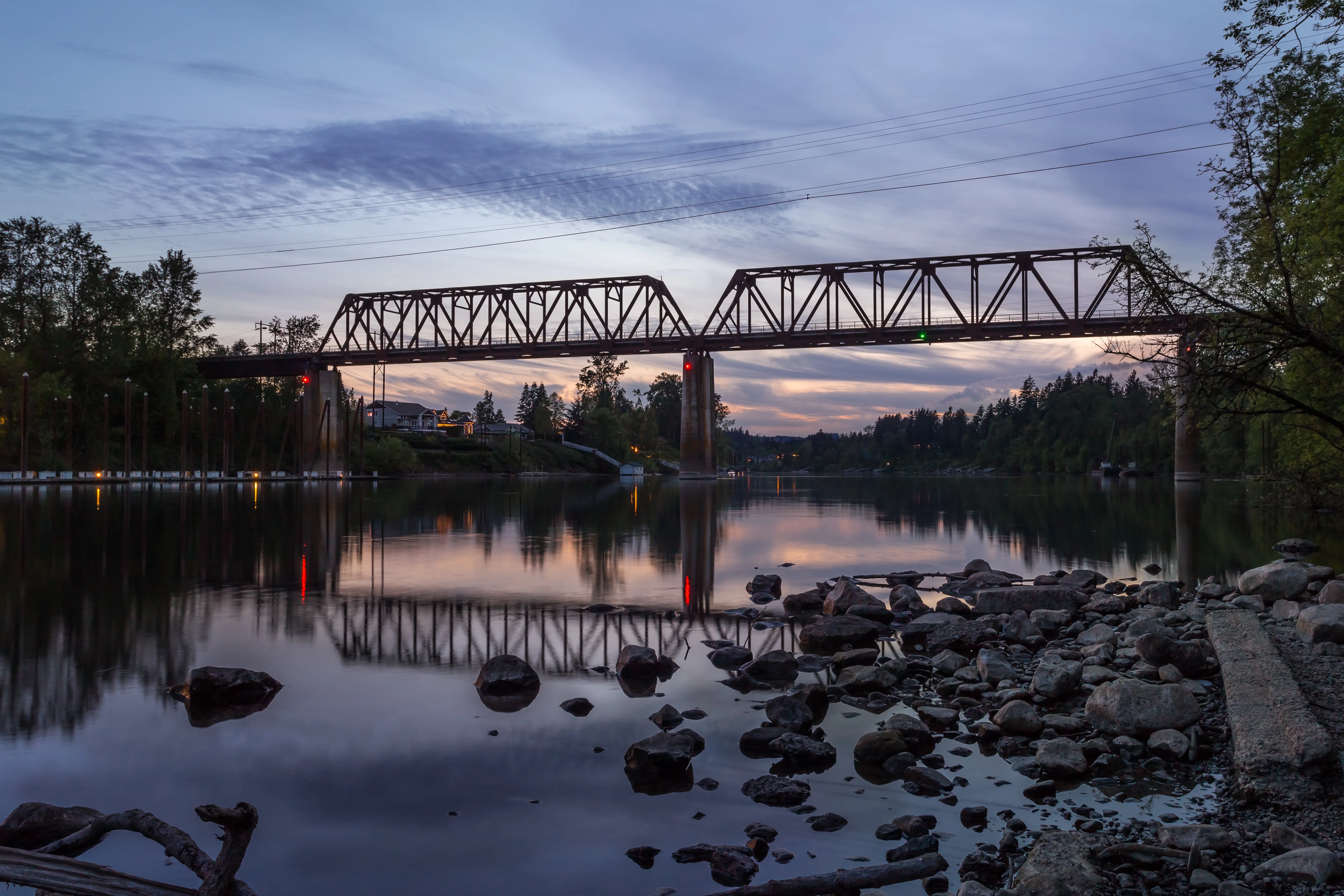
Molalla River State Park tops my list. Located at the confluence of the Willamette, Molalla, and Pudding rivers, it offers something for everyone: grassy picnic areas, an off-leash dog exercise area, fishing access, and a boat ramp. One heads-up: starting March 30, 2026, Oregon State Parks will implement parking fees here, so budget accordingly for regular visits.
Knights Bridge Park sits just across the Molalla River and provides excellent green space with river access for fishing and recreation. It's a local favorite that doesn't appear on tourist radar, which keeps it peaceful.
Canby Community Park is the go-to for families with kids. It features trails, sports fields, and river access in one location. On any given weekend, you'll find youth soccer games, families on the trails, and anglers trying their luck.
For smaller neighborhood parks, Wait City Park, Locust City Park, and Maple Street City Park provide pocket green spaces throughout town. The dahlia fields at Swan Island aren't a park per se, but the seasonal bloom brings remarkable beauty to the area each August and September.
What Canby lacks: extensive paved trail systems for cycling and an aquatic center. For those amenities, residents typically head to neighboring communities. Our Canby Parks and Recreation post maps out all options.
The biggest misconception: assuming Canby is just a cheaper version of Wilsonville or Oregon City. It's not. Canby has its own distinct character—more agricultural, more traditionally small-town, less suburban in feel. Buyers who come expecting "suburbs with better prices" often find themselves disappointed by what's missing (upscale retail, diverse dining, quick freeway access). Buyers who come seeking an actual small town within metro reach usually fall in love with it.
The second mistake: underestimating the commute. I've had clients tour Canby on a Saturday, love everything they see, and then experience their first Monday morning drive to Portland. That 36-minute drive becomes an hour, and suddenly the lower home prices don't feel like such a bargain. Always, always do a rush-hour test drive before making an offer.
Third: overlooking the importance of location within Canby. There's a meaningful difference between living near downtown—where you can walk to coffee and the farmers market—versus the far edges of town where you're driving for everything. In a car-dependent community, some locations are significantly more convenient than others.
Finally, some buyers assume new construction means no issues. Canby has seen considerable development, but not all builders deliver the same quality. Check references, review permits, and don't skip the inspection just because a home is new.
Oregon's property tax system confuses almost everyone moving from out of state, so let me explain how it actually works. Under Measure 50, your assessed value (what you're taxed on) is capped at 3% annual growth, regardless of what the market does. This means long-term owners often pay taxes on assessed values far below their home's market value.
When you buy a property, the county reassesses it at current market value. This is the key point: the seller's tax bill tells you nothing about what you'll pay. I've seen buyers purchase homes where the seller paid $4,000 annually, only to receive their first tax bill for $7,000+ because the reassessment brought the assessed value up to market.
Clackamas County's median effective tax rate runs around 0.85-0.96% of assessed value. The median annual property tax bill is approximately $5,187-$5,196—the highest in Oregon, which reflects both property values and the various levies supporting schools, fire districts, and other services.
One tax-saving strategy: pay your full annual bill by the November deadline to receive a 3% discount, or pay two-thirds by that date for a 2% discount. On a $6,000 bill, that's $180 saved for essentially nothing.
When budgeting for a Canby purchase, calculate your property taxes at roughly 1% of your actual purchase price for year one, then assume the 3% annual cap going forward. This gives you a conservative estimate that accounts for the post-sale reassessment most buyers don't anticipate.
This question comes up often, and for good reason. Canby sits at the confluence of three rivers—the Willamette, Molalla, and Pudding—and during atmospheric river events, flooding becomes a real concern in specific areas.
The Molalla River corridor and low-lying areas near the Pudding River carry the highest flood risk. Properties in these zones may fall within FEMA-designated floodplains, which means mandatory flood insurance if you have a federally-backed mortgage. Even outside official flood zones, some areas experience standing water and saturated soil during heavy winter rains.
I always recommend buyers request the FEMA flood zone determination during due diligence and examine the property's elevation certificate if one exists. Properties in the Riverside area and some portions near Molalla River State Park warrant particular attention. Drive by prospective properties during or immediately after heavy rain to see how the land drains.
The upside: much of Canby sits on higher ground with excellent drainage. The developed neighborhoods like Tofte Farms, Canby North, and most of the central core have no flood concerns. Newer developments typically include engineered drainage systems that handle storm water effectively.
Agricultural properties on the outskirts require the most scrutiny. That beautiful acreage with river frontage may come with seasonal access issues or flood insurance requirements that significantly impact your carrying costs.
Before making an offer on any Canby property, request a CLUE report (Comprehensive Loss Underwriting Exchange) which shows any insurance claims filed on the property, including flood damage. Past claims often reveal issues the seller may not disclose or even know about.
Canby is right for a specific kind of buyer: someone who values community roots over urban convenience, who wants space and relative affordability, and who either works remotely, works in the southern metro, or genuinely doesn't mind a commute. If that describes you, Canby delivers what it promises—a real small town with good schools, genuine neighbors, and access to both agricultural heritage and natural beauty.
Watch out for the distance. I've seen buyers fall in love with Canby's charm only to sell three years later because the drive wore them down. Be honest with yourself about how often you need to be in Portland and what that commute will mean for your daily life. Also recognize that Canby's retail and dining options are limited. If you're used to extensive choices, you'll be driving to Wilsonville or Oregon City for variety.
I'm always happy to talk through whether Canby makes sense for your specific situation—no pressure, no sales pitch. Sometimes the best advice I give is telling someone a community isn't the right fit. If you want to explore Canby or any other Portland-area community, reach out. I'll give you the same honest assessment I've provided here.
Todd Davidson is an Executive Loan Officer at Rocket Mortgage specializing in Oregon home buyers. Whether you're a first-timer or moving up, he'll walk you through your numbers in 15 minutes.
Explore the full Canby series: Living in Canby · Is Canby Safe? · Cost of Living in Canby · Best Neighborhoods in Canby · Canby Schools & Family Life · Canby Youth Sports · Canby Parks & Recreation · Retiring in Canby · 1031 Exchange in Canby · Canby First-Time Buyer Guide · Canby Down Payment Assistance · Moving to Canby from California · The Canby Realtor's Perspective · Top 10 Questions a Realtor Gets About Canby