

I'm Elizabeth Davidson, a broker with Cascade Hasson Sotheby's International Realty, and I rank in the top 2% of REALTORS® in the Portland Metro by volume sold. That ranking comes from working markets most Portland agents treat as an afterthought — Canby, the Willamette Valley corridor, the outer Clackamas County towns where buyers stretch their dollar and actually find the lot size they've been looking for.
Canby is a market I follow closely, which means I know how different it feels to work here versus, say, Lake Oswego or Tigard. The transaction volumes are smaller, the price swings can look dramatic from month to month, and the difference between a well-priced listing and an overpriced one is measured in weeks, not days. I've watched buyers lose well-positioned homes because they didn't understand which parts of Canby move fast — and I've watched other buyers overpay because they assumed the whole city moves like Southeast Canby.
My job isn't to sell you on Canby. It's to give you the kind of neighborhood-specific read you won't get from a national search portal — what's actually there, what different budgets buy, and where the tradeoffs live.
In this guide, I'll walk you through the neighborhoods worth knowing, what the three main price tiers actually get you, and who Canby is genuinely the right fit for — and who it isn't.
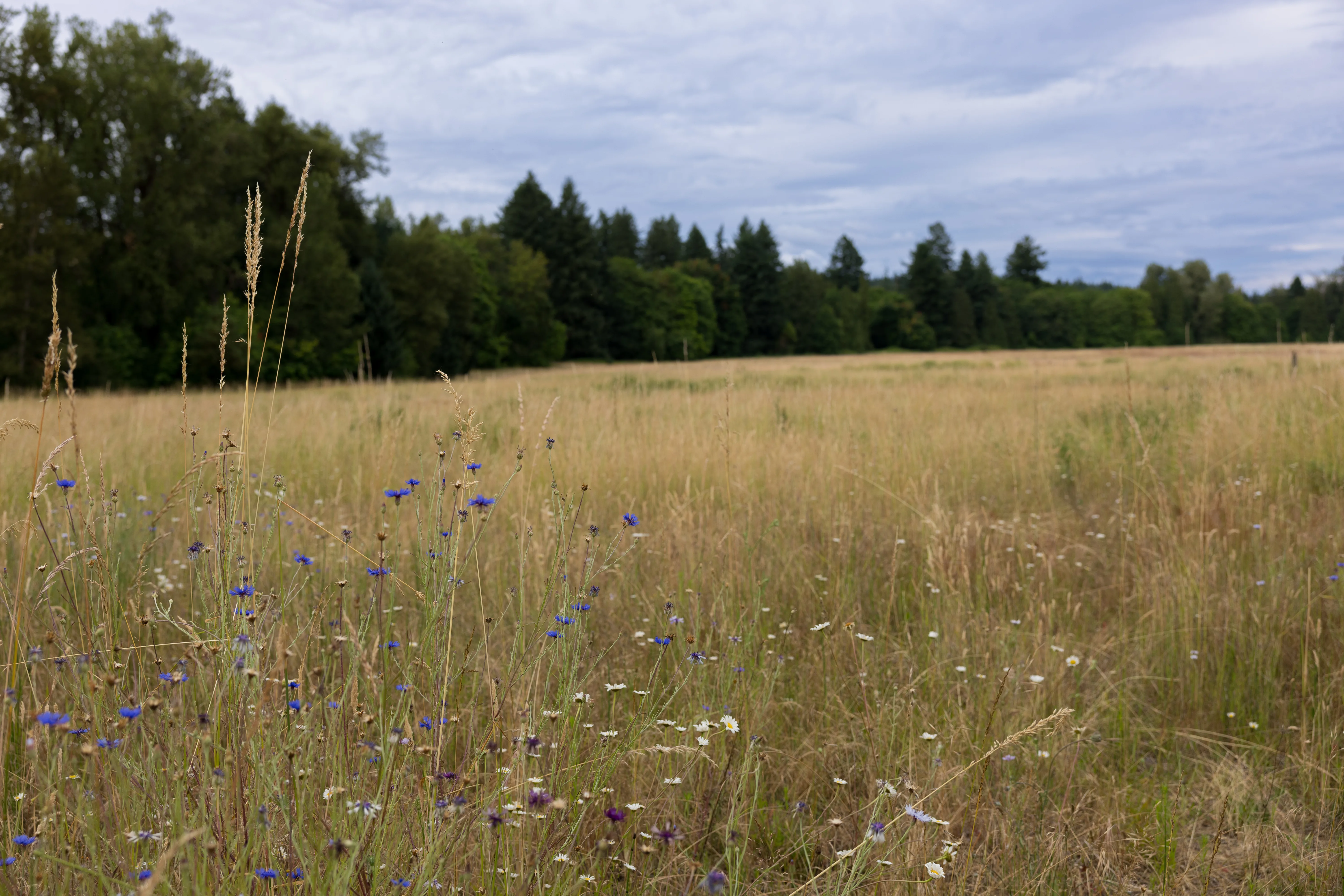
Southeast Canby is where most of the new construction activity is concentrated right now, and Tofte Farms is the most active development in the city. The homes are newer, the finishes are current, and you're looking at views toward Mount Hood and open farmland that remind you how close the Willamette Valley edge still is. This neighborhood sits solidly in the middle tier — and well-priced move-in-ready homes here can go pending quickly, so if you're comparing builder incentives, don't take two weeks to decide.
Northeast Canby is the established family neighborhood that buyers who've done their homework usually land on. The lots run from 6,000 to 10,000+ square feet, the trees are mature, and the sub-development of Northwood Estates — quiet cul-de-sacs, custom builds — draws buyers who want a suburban feel without the density. On a weekday morning you'll see kids on bikes and neighbors walking dogs along streets that feel genuinely lived-in rather than freshly subdivided. This area sits in the middle tier as well.
Southwest Canby is where I send buyers who want the most square footage for their money and aren't afraid of a home that needs updating. A lot of these houses date to the 1970s and 1980s — original kitchens, solid bones, detached garages, fenced yards with established landscaping. Saturday afternoons here have a relaxed, older-neighborhood feel; it's the kind of street where someone is always tinkering in the driveway. Prices come in at the lower end of the middle tier or dip into the entry tier, which makes this the most accessible area in the city for buyers stretching their budget.
Northwest Canby is for the buyer who wants real acreage within city limits — estate-scale lots, space between neighbors, and a genuine transition-zone feel between suburban Canby and the surrounding agricultural land. You won't find this kind of lot size in Wilsonville or Oregon City at comparable prices. This is top-tier territory, and the buyer profile is specific: someone who genuinely needs the land, not someone who thinks it might be nice.
Downtown / Central Canby doesn't get enough credit. Wait Park sits right in the core, and on a summer evening it's where the whole town seems to show up — kids in the splash area, families on the grass, the farmers market a short walk away on NE 2nd Avenue. The proximity to the Canby Depot Museum and the historic main street blocks gives this part of town a character that newer subdivisions simply don't have. Homes here span the entry and middle tiers depending on size and condition, and they appeal to buyers who actually want to walk somewhere.
Riverside is the pocket I mention last because it's the most niche. The proximity to Molalla River State Park means you can be on the water or on a trail in minutes, and the lot character tends toward the larger and more irregular. It draws buyers who want outdoor access as a daily reality, not a weekend drive. Prices here reach into the top tier for the right parcels.
The biggest mistake I see is treating Canby as one market. It isn't. A buyer comparing a 1970s ranch in Southwest Canby to a new build in Tofte Farms is comparing two completely different products, two different buyer profiles, and two different timelines to closing — the citywide median doesn't tell you much about either one.
The second thing buyers get wrong is assuming Canby moves slowly across the board. National sites will show you an average days-on-market figure and it sounds comfortable. What that number buries is the split: well-priced move-in-ready homes in Southeast and Northeast Canby can go pending in two weeks, while a dated home on an oversized lot in the wrong price position might sit for three months. Knowing which situation you're walking into changes your entire strategy.
The third misconception — especially from buyers coming out of California or the Seattle market — is that Canby is a compromise. It isn't, for the right buyer. The commute to Portland is real (about 36 minutes on a normal day), but what you get in return is lot sizes and price-per-square-foot that simply don't exist closer in. Buyers who struggle with Canby are usually ones who haven't honestly reckoned with how often they'll make that drive.
| Budget | What You'll Typically Find | Where to Look |
|---|---|---|
| Under $575K | Older ranch or split-level, 3 bed/2 bath, 1,400–1,800 sq ft, likely needs updating; manufactured homes and smaller lots also in this range | Southwest Canby, Central Canby |
| $575K–$750K | Solid single-family home, 3–4 bed, 1,800–2,400 sq ft, move-in ready or light updating; some new construction with builder incentives | Northeast Canby, Southeast Canby, Tofte Farms |
| $750K+ | Newer construction with modern finishes, larger lots, 4+ bed, or estate parcels with acreage | Northwest Canby, Riverside, top-end Southeast Canby |
As of mid-2026, Canby sits in a market that's closer to balanced than it's been in several years — the Altos Research market action index reads around 35, which leans slightly toward sellers but with none of the urgency buyers faced in 2021 or 2022. Active inventory is up nearly 19% year over year, which means more options and more negotiating room than we've seen recently, though well-priced homes in the middle tier still move in two to three weeks when they're positioned correctly.
Canby fits buyers who want genuine lot size and a slower pace without leaving the Portland Metro orbit entirely. If you're commuting to downtown Portland three to five days a week and you're price-sensitive, the 36-minute drive starts to feel long in a hurry — but if you're hybrid or your employer is in Tualatin, Wilsonville, or the southern metro corridor, Canby's geography works very well. Families with school-age kids consistently land here for the combination of Canby School District's reputation and the ability to afford a four-bedroom home without sacrificing a backyard.
For buyers who need walkable urban amenities, frequent MAX access, or proximity to PDX on short notice, Canby is a harder fit. Oregon City or Milwaukie would serve those buyers better — shorter commute, more urban infrastructure, though you'll give up lot size and probably pay more per square foot.
Buyers coming from California — particularly the Bay Area and Southern California — are consistently surprised by the price-per-square-foot relative to lot size. They arrive expecting the same tradeoff they made at home: either buy small and stay close in, or go far out and get space. Canby breaks that assumption. The middle tier here gets you a real backyard, a four-bedroom home, and a commutable distance to a major city — a combination that simply doesn't exist in most California metros at these price points.
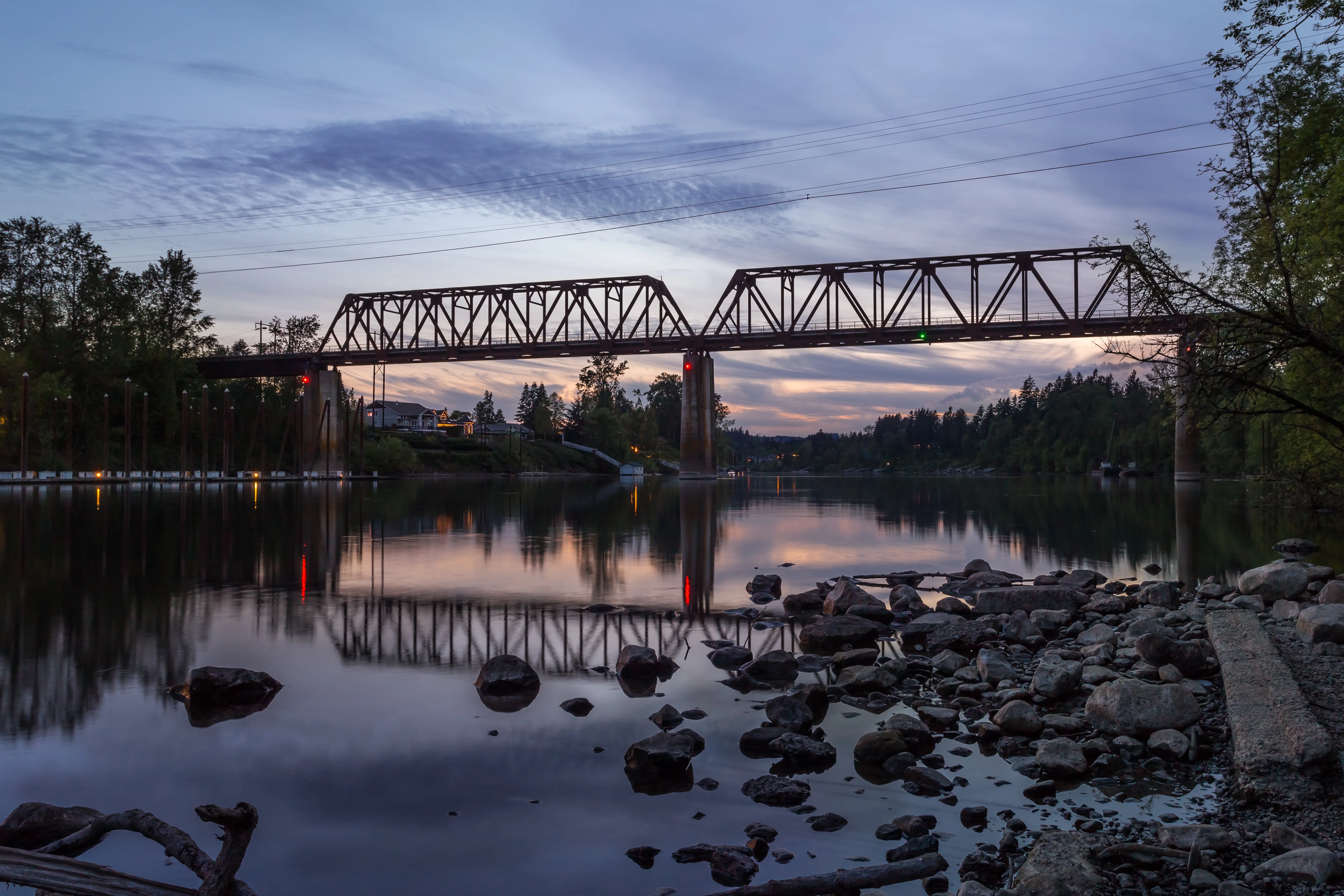
The other thing that catches out-of-state buyers off guard is the seasonal character of the market. The Swan Island Dahlia Fields, the Clackamas County Fairgrounds, the Canby Ferry running across the Willamette — none of these are things you'd anticipate from a search portal, and buyers who visit in the summer often say the town feels completely different from what they imagined based on the listings. That gap between what the data shows and what the place actually feels like is something I always encourage relocation buyers to close with an in-person visit before making any decisions.
| City | Schools | Commute to Portland | How It Compares |
|---|---|---|---|
| Canby | B | ~36 min | More space and lower price/sqft; longer commute than most peers |
| Oregon City | B+ | ~25 min | Closer in, more urban amenities, higher prices in comparable product |
| Wilsonville | A- | ~25 min | Top-rated schools, strong employment nearby, but prices run higher |
| Aurora | Unrated (small) | ~40 min | More rural, very limited inventory, primarily agricultural character |
| Molalla | C+ | ~45 min | Lower prices, but longer commute and fewer services |
| Hubbard | Unrated (small) | ~38 min | Similar rural feel to Aurora; very limited housing options |
What's small-town life in Canby actually like? Genuinely small-town, not just marketed that way. You're at the edge of the Willamette Valley's farmland, the Canby Ferry still runs cars across the Willamette River, and the Swan Island Dahlia Fields and Clackamas County Fairgrounds are local landmarks, not tourist stops. With around 18,000–25,000 residents depending on how you draw the boundary, it functions like a self-contained town that happens to sit within commuting range of Portland, rather than a bedroom suburb that lost its identity.
Is the 36-minute commute to Portland realistic for daily driving? On a normal day, yes — but it's a real number, not a rounding error like the 20-minute commutes you'll see quoted closer in. Canby works best for hybrid workers or anyone whose job is in Tualatin, Wilsonville, or the south metro corridor rather than downtown five days a week. If you're committing to a daily downtown drive, test it at rush hour before you sign anything.
Which part of Canby fits different buyers? Northwest Canby is for buyers who want real acreage — estate-scale lots you won't find in Wilsonville or Oregon City at comparable prices. Downtown/Central Canby, around Wait Park, is the walkable historic core. Southeast Canby and Tofte Farms have the newest construction. Southwest Canby has the most square footage per dollar if you're willing to update a 1970s–80s home.
How are Canby's public schools? Ratings vary depending on the source — some national tools that weight standardized testing heavily grade the district closer to a C, while local and state-level data put it closer to a B. The honest read: Canby School District is solid and improving, not a top-tier district like Wilsonville's, and it's a real factor in why Canby costs less than its neighbors.
How does Canby compare to Oregon City, Wilsonville, and Molalla? Oregon City wins on commute time and urban amenities, but you'll pay more for comparable product. Wilsonville wins decisively on schools and employment proximity, at a real price premium. Molalla is cheaper still, but the commute stretches past 45 minutes and the services thin out fast. Canby sits in the middle on every axis except lot size and value per square foot, where it wins outright.
Is Canby a safe place to raise a family? Yes — Canby's crime rate runs close to or below the national average for a city its size, and the southeast part of town is consistently rated the quietest. Like most small cities, the more visible incident activity concentrates downtown and along the retail corridor rather than in residential neighborhoods, which is a pattern worth understanding rather than a reason for concern.
Can you actually walk anywhere in Canby? Most of the city is car-dependent — it's a small rural-edge town, not built for car-free living. But Downtown Canby, around Wait Park and NE 2nd Avenue, is a genuine exception: it scores as Very Walkable, with the farmers market, the Canby Depot Museum, and Main Street businesses all in easy range. It's one of the few small Clackamas County towns where the historic core actually delivers on walkability.
What's the long-term appreciation case for Canby? Canby runs roughly $270–$290 per square foot — meaningfully less than Oregon City or Wilsonville for comparable product. Active inventory is up nearly 19% year over year, giving buyers more selection and negotiating room than in recent years. The long-term case here is straightforward: as the Portland Metro continues pushing buyers further out for value, Canby's lot sizes and price-per-square-foot become a more compelling trade the longer that trend continues.
If you're serious about Canby, narrow your focus before you start touring. Decide whether you're a middle-tier buyer looking for move-in ready in Northeast or Southeast Canby, or a buyer willing to do work in exchange for more square footage in the entry tier. Those are genuinely different searches, different timelines, and different negotiating postures — and going in without that clarity is how buyers end up making offers on the wrong homes.
What I've learned over years of working this market is that the buyers who end up happiest in Canby aren't the ones who got the lowest price — they're the ones who were honest about their commute tolerance, picked a neighborhood that matched their actual daily life, and didn't try to squeeze a Portland lifestyle out of a Canby address. The town rewards buyers who want what it actually offers. If you're thinking about a move to Canby and want a straight read on where you'd land and what it would cost, reach out — I'm happy to walk through it.
Browse current listings updated daily — filtered for Canby buyers by Elizabeth Davidson, your local expert.
Powered by Elizabeth Davidson · Cascade Hasson Sotheby's International Realty · 503-939-2035
Explore the full Canby series: The Ultimate Canby Relocation Guide · Is Canby Safe? · Cost of Living in Canby · Best Neighborhoods in Canby · Canby Schools & Family Life · Canby Youth Sports · Canby Parks & Recreation · Retiring in Canby · 1031 Tax-Deferred Exchange in Canby · Canby First-Time Homebuyers Guide · · Moving to Canby from California · The Canby Realtor's Perspective · Top 10 Questions a Realtor Gets About Canby