
Oregon Coast · Oregon
Is Brookings Safe? Crime Rates, Safest Neighborhoods & Local Reality (2026)
The honest answer to whether Brookings is safe is: mostly yes, with meaningful caveats. This is a small coastal town of roughly 6,500 people where the daily reality of crime looks very different from the grade a website might assign it. Aggregate safety indexes disagree sharply on Brookings — you'll find grades ranging from A to D+ depending on which site you visit — because aggregators weight the same FBI data in wildly different ways. The raw numbers, which are the most reliable anchor, tell a story of a town that recorded just 97 total reported offenses in 2024, zero homicides, and a violent crime picture well below both the Oregon and national averages.
What those numbers mean in daily life is largely unremarkable. You are far more likely to have something stolen from your unlocked car near the harbor than to encounter anything violent. The commercial corridor along Chetco Avenue and the south part of town, where most of the retail activity concentrates, accounts for a disproportionate share of reported incidents — a pattern common to any small town where visitor traffic and retail density intersect. Residential neighborhoods, particularly those on the hillsides east of Highway 101, see very little of what gets counted in those totals.
This guide walks through the crime data honestly, explains what it looks like neighborhood by neighborhood, and gives you the practical framing that statistics alone never provide.
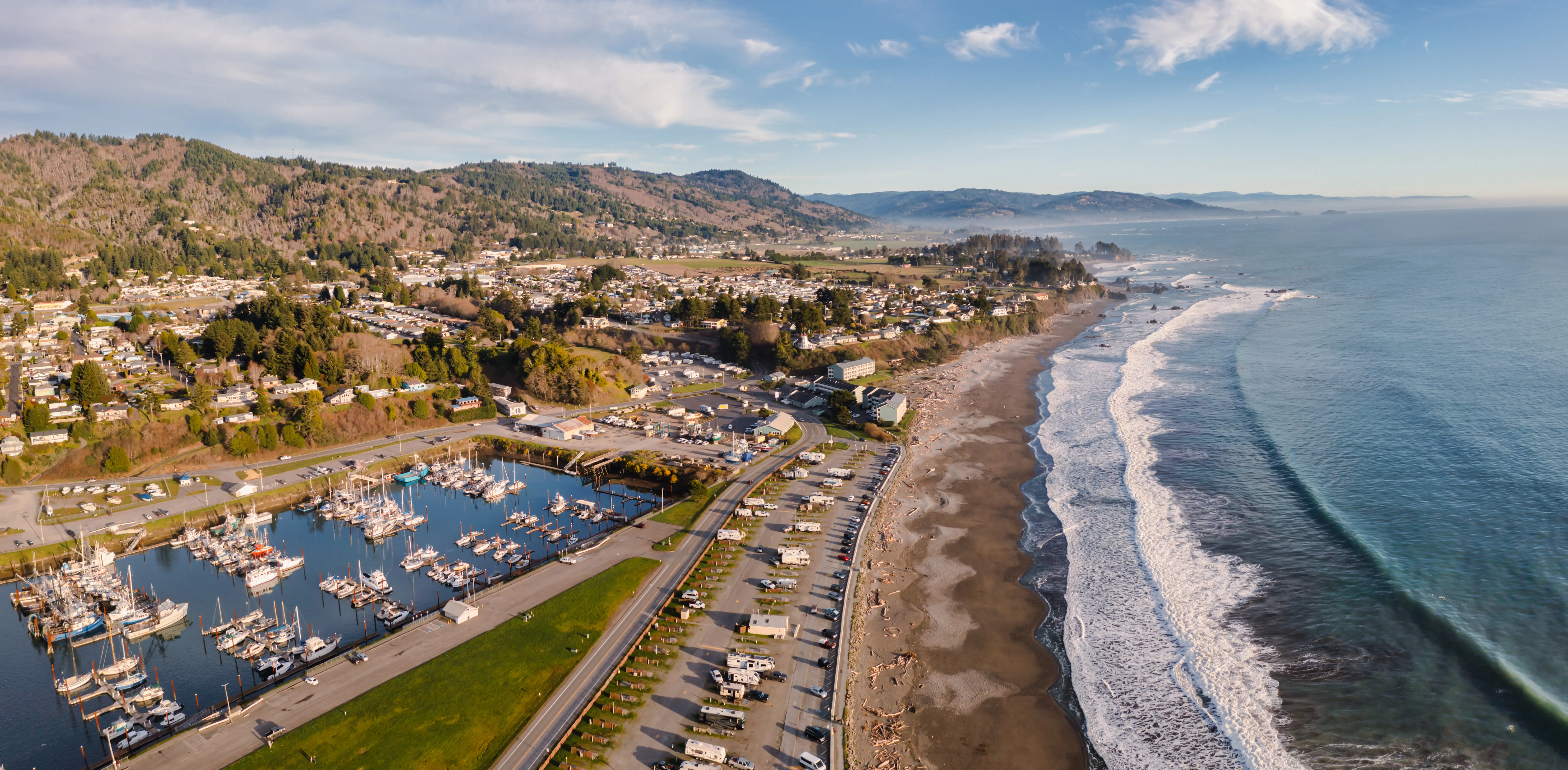
Local police data and FBI reporting suggest Brookings recorded 9 violent crimes and 88 property crimes in 2024 — 97 total reported offenses for a city of about 6,500. That figure represents a roughly 48% drop from the prior year, which is a meaningful shift even accounting for the natural variance in small-city crime statistics. For context, in a city this size, a handful of incidents in either direction can swing a rate dramatically, which is why year-over-year comparisons require some patience and perspective.
The total crime rate, commonly cited around 1,460 per 100,000 residents, runs approximately 31% below the national figure and nearly 47% below Oregon's statewide rate. That framing matters: Oregon as a whole has elevated property crime numbers driven by larger metros like Portland and Eugene, so beating the state average isn't difficult — but beating the national average for total crime is a genuine achievement for a small coastal town. On violent crime specifically, Brookings comes in well below the national rate, with estimates putting the violent crime rate at roughly 135 per 100,000 residents compared to a national figure hovering around 360 per 100,000.
What structurally drives Brookings' numbers is worth understanding. High homeownership rates in residential neighborhoods and a stable year-round population reduce the transient activity that inflates crime in tourist-heavy towns. The commercial south end of the city — the stretch where grocery stores, gas stations, and service businesses cluster near Highway 101 — attracts both visitor traffic and most of the theft activity. Crime rates are measured per resident, which means that area can look more dangerous on a map than it actually feels, because the denominator doesn't account for the thousands of visitors passing through on any given summer weekend.
FBI estimates place Brookings' violent crime at roughly 2.8 per 1,000 residents — a figure that puts your individual odds of experiencing violent crime at approximately 1 in 738 in a given year, compared to about 1 in 302 statewide. Assault makes up the overwhelming majority of violent incidents, commonly accounting for around 95% of violent crime in the most recent reporting period. In a town this small, that means a handful of altercations — many of them domestic or interpersonal in nature — drive the entire violent crime picture. For someone relocating to Brookings from a metro area, the practical daily experience is genuinely quiet.
Theft is the dominant property crime story in Brookings, making up roughly 92% of all property offenses. The property crime rate runs approximately 14 per 1,000 residents — below the U.S. average and meaningfully below Oregon's state average. Most theft activity clusters around retail zones and the marina area, where unattended vehicles and open trucks present easy targets during peak visitor months. There were no reported burglaries or motor vehicle thefts that register as statistically significant in the 2024 data, which tracks with what locals report: the concern in Brookings is almost always opportunistic theft, not organized or violent property crime.

The crime numbers above match what I hear from clients moving here from bigger metro areas — a quiet, low-key town where the commercial stretch along Highway 101 sees most of the theft activity tied to visitor traffic, not the residential neighborhoods where most of my buyers actually end up living. Having lived on Molokai before returning to the Pacific Northwest, I have some perspective on what a genuinely low-crime small community feels like day to day, and Brookings holds up well by that comparison.
For buyers specifically weighing safety alongside neighborhood choice, I usually recommend looking at the residential areas away from the south-end commercial corridor mentioned above — Brookings North and the Azalea Park area tend to come up often in these conversations. If you're weighing a move to Brookings and safety is a top priority for your family, I'd welcome the opportunity to share what I've learned about which pockets of town feel quietest day to day.
The central core of Brookings, anchored along Chetco Avenue, is where most commercial activity happens and where the highest concentration of reported incidents occurs. This is the retail spine of the city — groceries, services, fuel — and the visitor traffic it draws elevates the statistical crime picture without reflecting what residential life here actually looks like. Locals treat it the same way they would any small-town commercial district: don't leave valuables in an unlocked car, don't leave your truck bed unattended. Those two habits eliminate most of the risk.
Best for: Buyers who want walkable access to daily errands and don't mind trading a quieter setting for convenience.
Pacific Heights sits on elevated ground west of the commercial corridor, with a residential character that feels insulated from the activity near Highway 101. The neighborhood's hillside positioning, combined with a high proportion of owner-occupied homes, correlates with some of the lower incident rates in the city. Long-term residents here tend to know their neighbors well, which informally extends the community's eyes on the street.
Best for: Families and retirees who want a calm residential setting with coastal views and close proximity to town.
Spyglass sits at higher elevation on the south side of Brookings, offering sweeping Pacific views and a quiet residential atmosphere that keeps it well removed from the commercial zone's activity. The neighborhood's layout — winding roads, elevated lots, limited through-traffic — naturally discourages opportunistic activity. Residents commonly describe it as one of the more settled and peaceful corners of the city.
Best for: Buyers seeking privacy, ocean views, and a neighborhood where foot traffic is primarily your neighbors.
Seacrest Estates is a quieter residential pocket where owner-occupancy rates are high and the feel is distinctly neighborhood-oriented rather than transient. It sits far enough from the retail south end that the commercial-zone property crime clustering doesn't reach it. This is the kind of neighborhood where people know when someone unfamiliar is walking the street — an informal but real deterrent.
Best for: Households with school-age children or retirees who want a stable, low-activity residential environment.
The Harbor neighborhood sits south of the Chetco River near the marina and boat ramp area, and it carries a different character than Brookings' residential hillsides. Marina-adjacent areas in any coastal town see elevated opportunistic theft — fishing gear, boat equipment, and unattended vehicles are common targets during summer months. That said, Harbor is a working waterfront community with deep roots, and the permanent residents who live here year-round navigate it comfortably and with local awareness.
Best for: Buyers connected to the fishing or maritime community who understand seasonal rhythms and take basic precautions during peak visitor months.
The Azalea Park neighborhood benefits from proximity to one of Brookings' most beloved civic spaces — the park itself hosts the annual Azalea Festival each Memorial Day weekend, and the surrounding streets carry the low-traffic, tree-lined character of an established residential zone. Incident rates here are low, and the neighborhood's walkability to the park and downtown core makes it appealing without the commercial-zone exposure that drives citywide statistics upward.
Best for: Buyers who want community character, walkable green space, and a neighborhood identity that goes beyond a subdivision name.
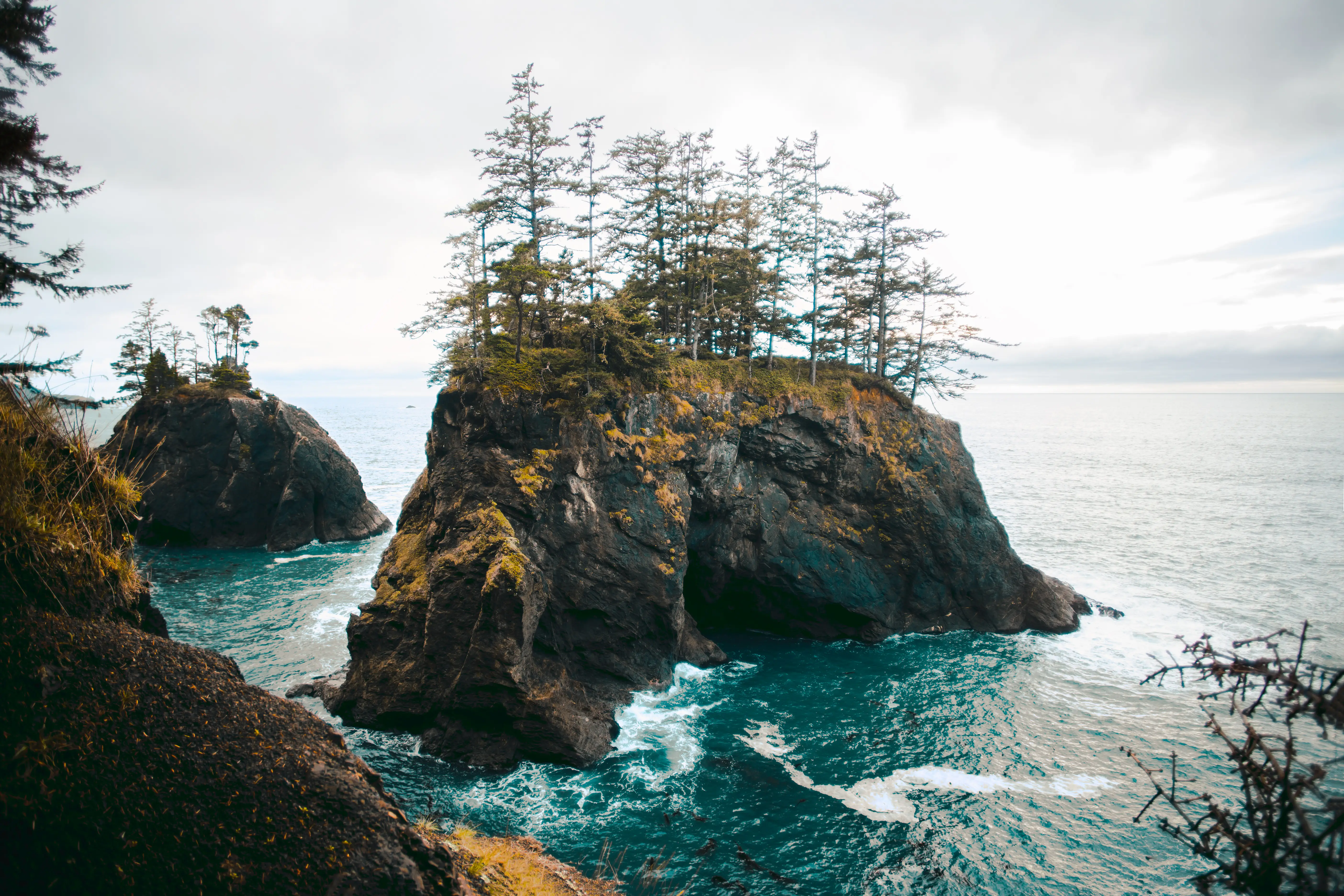
| City | Violent Crime / 1K | Property Crime / 1K | Overall Safety Profile |
|---|---|---|---|
| Brookings, OR | ~2.8 | ~14 | Below state average; above national average overall |
| Gold Beach, OR | ~3.1 | ~18 | Comparable coastal profile; slightly elevated property crime |
| Crescent City, CA | ~7.5 | ~32 | Significantly higher on both metrics; driven by prison population proximity |
| Cave Junction, OR | ~5.2 | ~22 | Rural Inland Oregon; higher violent crime relative to coastal peers |
| Harbor, OR | Unincorporated | Unincorporated | Falls under Curry County Sheriff jurisdiction; limited separate data |
| Smith River, CA | Unincorporated | Unincorporated | Rural CDP; limited independent reporting |
Looking to buy in Brookings? Estimate your payment.
Enter your numbers to see an estimated monthly mortgage payment.
Estimate only. Excludes HOA fees and mortgage insurance.
The thing safety apps and aggregator sites miss about Brookings is timing. Summer weekends, when Highway 101 carries a steady stream of California tourists heading north and Oregon families heading to Harris Beach State Park, represent a genuinely different environment than the quiet Wednesday morning you might experience in February. Opportunistic theft near the harbor and the Chetco Point Park parking area spikes during those peak months. Locals leave nothing visible in their vehicles when parking near the boat launch or the beach access points — not because Brookings is dangerous, but because beach parking lots everywhere attract the same category of low-effort theft.
The south Chetco Avenue corridor — the stretch from roughly the Fred Meyer area toward the city's southern edge — accounts for a disproportionate share of reported property incidents. This isn't a dangerous area, but it's where commercial density and visitor traffic combine to produce most of what gets counted. The residential streets that run perpendicular to that corridor, heading east toward the hills, see very little of it. The Brookings Police Department, which operates 24/7 and also serves as the county's primary 9-1-1 dispatch center, maintains a visible presence in that commercial zone precisely because the concentration of activity justifies it.
What most long-term residents will tell you is that the practical experience of living in Brookings feels far safer than the statistics suggest at first glance. The city recorded zero homicides in 2024. The violent crime that does occur is predominantly assault — usually interpersonal, often domestic — rather than stranger-danger scenarios. People walk Azalea Park in the morning, leave their garage doors open while gardening, and let their kids ride bikes through Pacific Heights without the hypervigilance that urban buyers sometimes bring when they first arrive. That normalcy is real, and it's worth more than any letter grade.
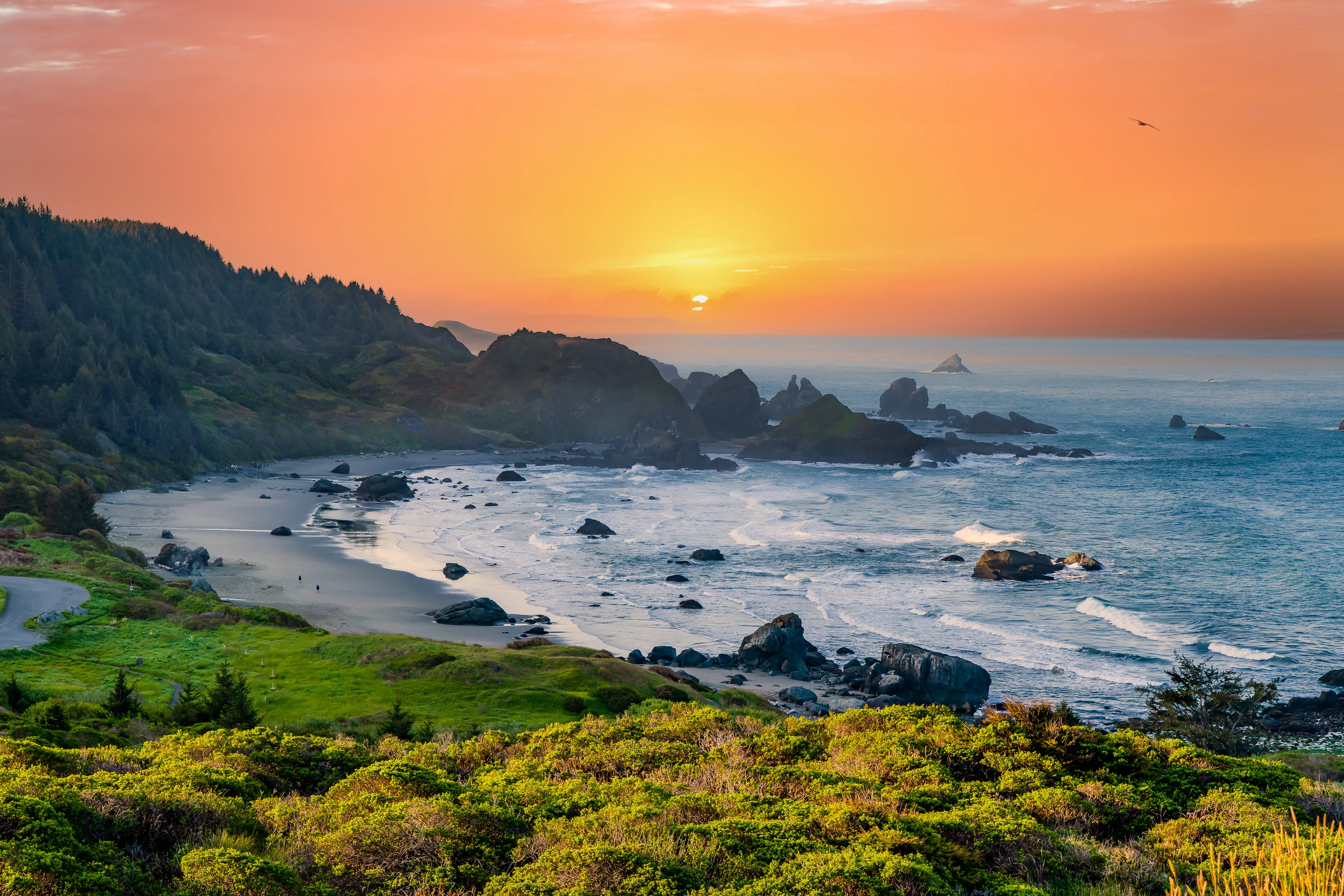
Local Expert Takeaway: Buyers concerned about safety in Brookings should focus their search on the hillside residential neighborhoods east of Highway 101 — Pacific Heights, Spyglass Ridge, and Seacrest Estates offer the lowest incident environments in the city. Avoid leaving anything visible in your vehicle when parking near the harbor or beach access points during summer months. And disregard any single aggregator grade you find online — the FBI raw data tells a far more favorable story than most indexes suggest.
✅ Brookings recorded zero homicides in 2024, and its violent crime rate sits well below both the Oregon and national averages — making it among the safer places to live on the Southern Oregon coast.
⚠️ Theft near the commercial south end and marina area is the primary concern. This is opportunistic and seasonal — peak summer visitor traffic drives most of the property crime numbers.
📍 Hillside neighborhoods like Pacific Heights, Spyglass, and Seacrest Estates offer the quietest residential environments in the city, while the Chetco Avenue commercial corridor carries most of the statistical weight.
Is Brookings, Oregon a safe place to live?
For a small coastal town, Brookings compares favorably to Oregon's state average and reasonably well against the national average. The city recorded just 97 total reported offenses in 2024 — including zero homicides — and violent crime runs roughly 62% below the statewide rate. Day-to-day residential life, particularly in the hillside neighborhoods, is quiet and stable.
What is the most common crime in Brookings?
Larceny-theft accounts for roughly 78% of all reported crimes in Brookings, and theft makes up about 92% of all property offenses. The pattern is consistent with what you'd find in any small coastal town where visitor traffic, marina parking, and retail density create opportunistic conditions — not organized or violent crime.
How does Brookings compare to Crescent City, California for safety?
Brookings is meaningfully safer on both metrics. Crescent City's violent crime rate runs more than double Brookings' figure, and its property crime rate is roughly twice as high. Much of that gap is attributable to factors specific to Crescent City — particularly its proximity to a major state prison — that don't apply to the Brookings area at all.
Explore the full Brookings series: The Ultimate Brookings Relocation Guide · Is Brookings Safe? · Cost of Living in Brookings · Best Neighborhoods in Brookings · Brookings Schools & Family Life · Brookings Youth Sports · Brookings Parks & Recreation · Retiring in Brookings · 1031 Tax-Deferred Exchange in Brookings · Brookings First-Time Homebuyers Guide · · Moving to Brookings from California · Brookings Realtor's Perspective · Top 10 Questions a Realtor Gets About Brookings
Tell us what you need help with and we'll connect you with local resources.

About the Author
Todd Davidson is the founder of Living in Oregon and Living in Washington, where he publishes in-depth city guides, neighborhood resources, and local market insights covering more than 180 communities across the Pacific Northwest. While his background is in home financing and real estate, he created these digital platforms to help families research and compare regions before making a move.
Check Out the Oregon Coast Rankings: Oregon Coast Cost of Living — All 16 Cities Ranked · Best Places to Retire on the Oregon Coast · Best Oregon Coast Cities for Families · Best Oregon Coast Cities for Remote Workers · Oregon Coast Real Estate Market Report 2026 · Oregon Coast vs. Washington Coast