
Mt Hood / Columbia Gorge · Oregon
Retiring in Boring, Oregon: Is It the Right Fit for Your Next Chapter? (2026)
Boring, Oregon will not be the right retirement destination for everyone — and that's the most honest thing anyone can tell you before you fall in love with the idea of a rural property east of Portland. The town is small, genuinely rural, and intentionally unhurried. If you've spent 30 years dreaming of a half-acre with a view of the Cascades, some Douglas firs for company, and a commute that no longer matters, this stretch of Clackamas County might feel like exactly what retirement is supposed to look like.
The retiree who thrives here tends to be self-sufficient by nature — someone comfortable driving 10 to 20 minutes for groceries, who owns a reliable car, and who defines a good day as a long walk on a wooded trail rather than a stroll to a nearby café. Proximity to Portland is real (about 35 minutes to the city), but Boring itself offers none of the urban amenities. What it offers instead is space, quiet, and a pace of life that feels fundamentally different from the suburbs.
This guide will walk you through the Oregon tax picture for retirees, the healthcare options serving this area, the senior living communities within reach, and an honest assessment of what daily life actually looks like when you choose Boring as your base for retirement.
Oregon's tax treatment of retirement income is one of the first things out-of-state retirees research — and the picture is more nuanced than the headline numbers suggest.
| Income Type | Oregon Tax Treatment |
|---|---|
| Social Security Benefits | Exempt from Oregon income tax |
| Public Pension (PERS/CSRS) | Partially taxable; federal civilian pensions may qualify for deduction |
| Private Pension / 401(k) Distributions | Fully taxable as ordinary income |
| IRA Withdrawals | Fully taxable as ordinary income |
| Oregon Income Tax Brackets | Top rate of 9.9% (income above ~$250K); most retirees land in 8.75% bracket |
| Capital Gains | Taxed as ordinary income |
| Property Tax Rate (Boring/Clackamas) | Approximately 0.76% of assessed value |
| Sales Tax | None — Oregon has no sales tax |
| Estate / Inheritance Tax | Oregon estate tax begins at $1 million |
What these rates mean practically for a retiree living in Boring is a mixed picture. The absence of sales tax is a genuine, everyday financial benefit — you pay no tax on groceries, clothing, or household goods. Social Security income escaping taxation is a meaningful benefit for retirees leaning on those checks. The challenge comes with larger pension and IRA distributions, which are taxed at Oregon's full income rates. A retiree pulling $80,000 annually from a mix of pension and IRA withdrawals will face an effective state tax burden that surprises many transplants from states like Nevada, Florida, or Washington.
On the property side, Boring's 0.76% effective tax rate is genuinely low — below Oregon's statewide average and well below what Multnomah County residents pay across the river. On a home at the $581,000 median sold price, annual property taxes run approximately $4,416. Oregon also offers a Property Tax Deferral for Senior Homeowners under ORS 311.668, which allows qualifying homeowners 62 and older to defer property taxes rather than pay them annually. The deferred amount becomes a lien on the property, repaid when the home is sold or transferred — a useful tool for retirees managing fixed income without a clean exemption program. Compared to Washington, which taxes Social Security and has no income tax at all, Oregon's structure favors retirees with lower distribution income and penalizes those pulling heavily from deferred accounts.
Healthcare proximity is the single most important practical factor in rural retirement planning, and Boring requires an honest conversation about it.
The town has no hospital, no urgent care clinic within its borders, and no cluster of specialist offices. What it has is reasonable driving distance to two solid community hospitals. Legacy Mount Hood Medical Center, located at 24800 SE Stark St in Gresham, sits roughly 10 miles to the west and serves as the primary emergency resource for most Boring residents. It's a 115-bed, full-service community hospital with 24/7 emergency care, robotic-assisted surgery capabilities, a comprehensive cancer program, and an oncology facility that operates as part of the OHSU Knight Cancer Institute's regional network — which means access to cancer care well above what its community hospital size might suggest. CMS rates it at 4 stars.
For retirees who need cardiac care specifically, Kaiser Sunnyside Medical Center in Clackamas is approximately 12 miles southwest along the I-205 corridor. With 233 licensed beds, it holds Clackamas County's only dedicated heart surgery facility and has received national recognition for cardiac surgery excellence. The drive from central Boring takes roughly 20–25 minutes depending on where you're coming from — manageable for a scheduled appointment, but worth factoring against time-sensitive emergencies.
The broader picture is actually stronger than Boring's isolation might initially suggest. Adventist Health Portland, Providence Willamette Falls in Oregon City, and Providence Portland Medical Center are all within 15–20 miles. OHSU Hospital — ranked the number one hospital in Oregon and nationally ranked in five adult specialties — is approximately 20 miles west. For serious or complex care, Portland's academic medical infrastructure is accessible in a way that genuinely differentiates this corner of Oregon from more remote rural retirement options in the state.
The honest limitation is that day-to-day healthcare convenience — the quick blood draw, the telehealth follow-up that occasionally needs to be in person, the specialist who doesn't travel to rural clinics — requires planning. Retirees who are in good health and comfortable with scheduled drives will find the system workable. Those managing multiple chronic conditions who need frequent, same-day access to providers may find the logistics wearing over time.
Boring itself has no senior living campuses, no assisted living facilities, and no continuing care retirement communities within the community's borders. The nearest meaningful concentration of senior housing is in Gresham, roughly 10 miles west, with additional options in Sandy, about 10 miles to the east.
| Community | Type | Location | Est. Monthly Cost |
|---|---|---|---|
| Bonaventure of Gresham | Independent, Assisted, Memory Care | Gresham | $3,800–$5,200 |
| Courtyard Fountains | Independent, Assisted | Gresham | $3,500–$5,000 |
| Solista Gresham by Cogir | Independent Living | Gresham | $3,200–$4,500 |
| Prestige Senior Living Huntington Terrace | Assisted Living | Gresham | $4,500–$5,500 |
| Gresham Manor | Independent Lifestyle | Gresham | $2,800–$4,000 |
| Rainbow Vista | 55+ Independent (LGBTQ-affirming) | Gresham | $3,000–$4,400 |
| Avamere at Sandy | Assisted Living, Memory Care | Sandy | $4,000–$5,500 |
| Cascadia Village | Independent, Assisted | Sandy | $3,500–$5,000 |
The Gresham average for senior living runs approximately $4,394 per month across care types, with assisted living specifically averaging closer to $4,831 — above both the state average and the national average. Sandy comes in slightly lower on average, making it a competitive alternative for retirees who prefer the mountain-town feel but want more services within walking distance. For retirees who begin their Boring chapter in a single-family home and later need to transition into a care community, the Gresham corridor provides a reasonable safety net without requiring a move to the Portland core.
Looking to buy in Boring? Estimate your payment.
Enter your numbers to see an estimated monthly mortgage payment.
Estimate only. Excludes HOA fees and mortgage insurance.
Boring's day-to-day retirement experience is defined almost entirely by the rhythm of rural Oregon — which is genuinely beautiful if it matches your temperament and genuinely frustrating if it doesn't.
Walkability is essentially nonexistent. There is no downtown grid, no sidewalk-connected neighborhood where you can stroll to a coffee shop or pharmacy. The Boring Station Trailhead connects to the Springwater Corridor, offering flat, paved trail access that's genuinely usable for daily walks and light cycling. Tickle Creek Park and Boring Bark Park serve as informal community gathering spots. But getting anywhere practical — a grocery store, a doctor's office, a hardware store — requires a car.
The cultural calendar in Boring is thin but specific. The town's annual claim to fame is the Boring and Dull Sister City celebration, a genuine annual event that plays on the town's name with good humor and draws visitors who want to see what Boring actually looks like. The North American Bigfoot Center on SE Highway 212 operates as a year-round attraction and an oddly earnest gathering point for the community. Boring Community Church functions as a social anchor for many longtime residents. For retirees who find meaning in community involvement rather than scheduled programming, Boring's small size actually creates opportunities — the kind of place where showing up to a few community events makes you a known face quickly.
Getting around without a car is not realistic in Boring. TriMet bus service exists along the Highway 212 corridor but is not designed around pedestrian-friendly frequency or proximity to residential areas. Retirees who anticipate giving up driving in the next 5–10 years should factor this into their planning honestly. Rideshare availability is inconsistent in this part of Clackamas County.
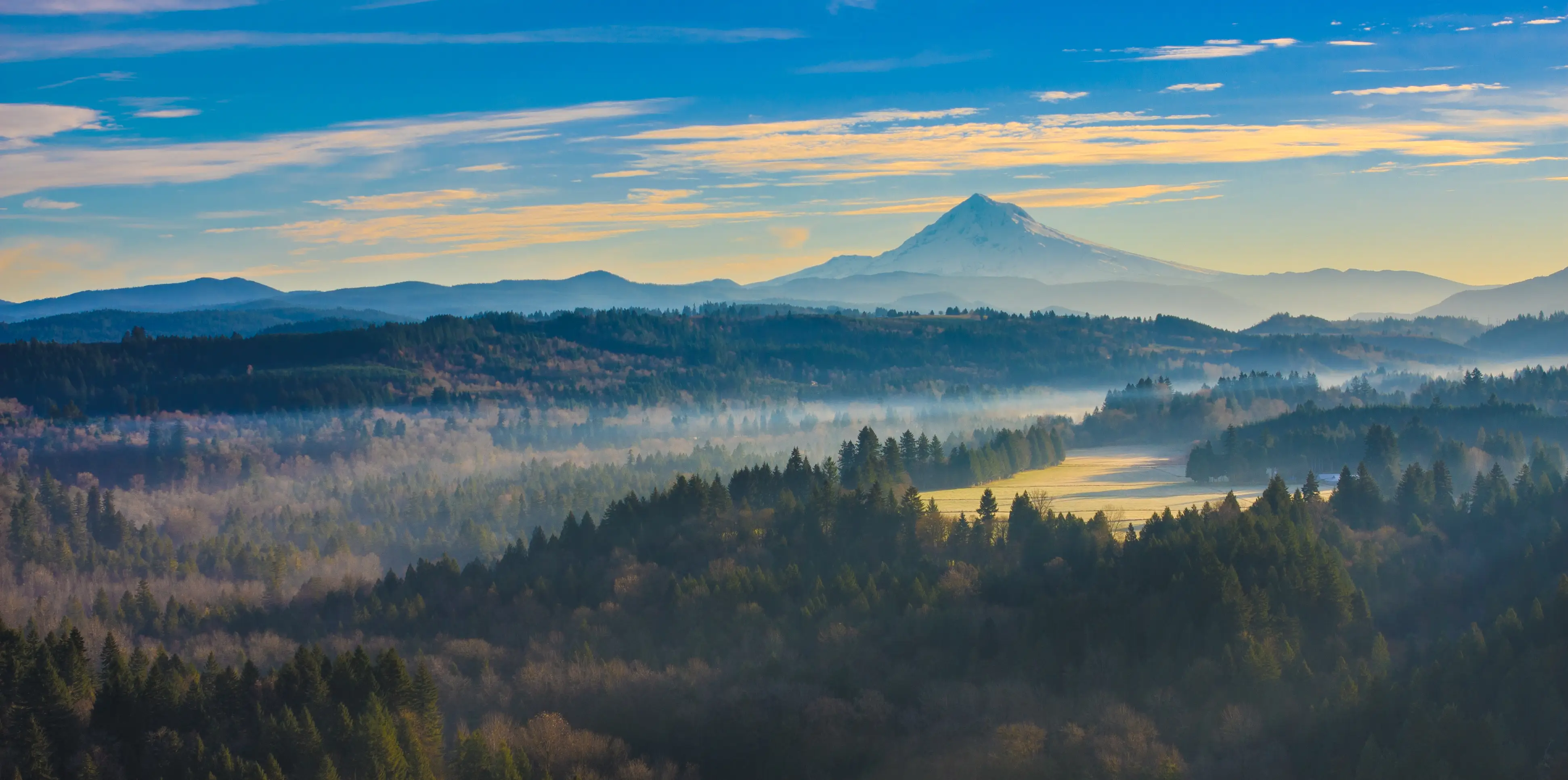
What surprises most people after six months of living here is how much of their social life self-organizes around the outdoors. The Cascades are visible on clear days from multiple points around town. Mount Hood National Forest is genuinely close. The Sandy River, accessible from Dodge Park, becomes a summer ritual rather than an occasional outing. Retirees who expected to miss urban amenities often find they've reorganized their social calendar around hikes, river days, and the particular pleasures of living somewhere genuinely uncrowded.
What brings people to leave after a few years tends to be the healthcare logistics and the winters. The stretch from November through March can feel isolating when fog settles in the valley and the drive to anywhere medical becomes less comfortable on wet roads. Retirees who relocated from sunnier climates often underestimate how much the gray season affects morale.
| City | Median Home Price | Closest Hospital | Walkability | Senior Community Depth | Overall Retirement Fit |
|---|---|---|---|---|---|
| Boring | $581,000 | Legacy Mt. Hood (10 mi) | Very Low | Low (go to Gresham/Sandy) | ★★★☆☆ — Best for rural-oriented retirees |
| Sandy | ~$520,000 | Providence Willamette Falls (20 mi) | Low–Moderate | Moderate (Avamere, Cascadia) | ★★★☆☆ — Small-town feel with more services |
| Gresham | ~$450,000 | Legacy Mt. Hood (on-site) | Moderate | High (11+ communities) | ★★★★☆ — Best healthcare proximity |
| Damascus | ~$560,000 | Kaiser Sunnyside (12 mi) | Very Low | Low | ★★☆☆☆ — Rural but fewer amenities |
| Happy Valley | ~$680,000 | Kaiser Sunnyside (8 mi) | Moderate | Moderate | ★★★★☆ — Suburban polish, higher cost |
| Oregon City | ~$540,000 | Providence Willamette Falls (local) | Moderate–High | Moderate | ★★★★☆ — Best walkability in the comparison |
The comparison reveals Boring's core trade-off clearly. It offers the most rural character and among the lowest property tax burdens in the region, but it asks retirees to accept limited walkability, minimal senior infrastructure, and the responsibility of maintaining their own independence through car ownership and proactive healthcare planning. Gresham wins on healthcare access and senior living depth. Oregon City wins on walkability and civic life. Happy Valley wins on suburban polish and commute convenience for families still connected to work. Boring wins on space, quiet, and the particular lifestyle that comes with genuine rural Oregon.
Local Expert Takeaway: Boring works best for retirees who arrive healthy, own a reliable vehicle, and genuinely want acreage over amenities — think Cottrell Road or out toward Revenue for the most rural character at the most reasonable price points. Retirees who anticipate needing frequent specialist care or who want walkable access to daily life will be better served by Gresham or Oregon City. If you're choosing Boring, choose it because the land and the quiet are what you're actually buying — not because it's a compromise on something else.
Is Boring a good place to retire?
Boring suits a specific type of retiree well — someone who values acreage, outdoor access, and genuine rural quiet over walkable amenities and dense senior services. If your retirement vision centers on hiking the Springwater Corridor, spending summers at Dodge Park on the Sandy River, and living in a community where you actually know your neighbors, Boring delivers that authentically. Retirees who need frequent medical care, prefer walkable neighborhoods, or anticipate giving up driving within a few years will likely find the rural infrastructure limiting.
What healthcare options are available near Boring?
The closest hospital is Legacy Mount Hood Medical Center in Gresham, approximately 10 miles west, offering 24/7 emergency care, cancer treatment, and robotic-assisted surgery. Kaiser Sunnyside Medical Center in Clackamas, about 12 miles southwest, holds the region's strongest cardiac care program. For serious or complex conditions, OHSU Hospital in Portland — the state's top-ranked academic medical center — is roughly 20 miles away.
How does Boring compare to Sandy or Gresham for retirement?
Sandy offers a similar rural character with slightly more small-town walkability and two dedicated senior communities nearby, at a somewhat lower median home price. Gresham offers the highest concentration of senior living options in the area, with Legacy Mount Hood Medical Center essentially on-site — making it the strongest choice for retirees prioritizing healthcare proximity. Boring sits between them geographically and offers more land per dollar than either, but with the least senior infrastructure of the three.
Explore the full Boring series: The Ultimate Boring Relocation Guide · Is Boring Safe? · Cost of Living in Boring · Best Neighborhoods in Boring · Boring Schools & Family Life · Boring Youth Sports · Boring Parks & Recreation · Retiring in Boring · 1031 Tax-Deferred Exchange in Boring · Boring First-Time Homebuyers Guide · · Moving to Boring from California
Tell us what you need help with and we'll connect you with local resources.

About the Author
Todd Davidson is the founder of Living in Oregon and Living in Washington, where he publishes in-depth city guides, neighborhood resources, and local market insights covering more than 180 communities across the Pacific Northwest. While his background is in home financing and real estate, he created these digital platforms to help families research and compare regions before making a move.