Oregon Coast · Oregon
Best Neighborhoods in Seaside: Where to Buy or Rent (2026)
Seaside is small enough that it's tempting to treat it as one homogeneous market. That would be a mistake. Within a city of roughly 7,100 people, the difference between buying a block west of Highway 101 and a block east of it can mean a $300,000 swing in price, a completely different relationship to noise and tourism, and whether your neighbors are year-round residents or rotating vacation renters. Choosing the wrong pocket doesn't just affect your lifestyle — it shapes your resale flexibility, your rental income potential, and how much you actually enjoy living here.
The geographic divide that defines Seaside is simple but easy to underestimate from the outside: the ocean side versus the inland side, and the tourist corridor versus the residential core. The Promenade and Downtown attract the highest prices and the most vacation-rental activity. The Cove and South Seaside attract surfers and locals who want nothing to do with Broadway Street on a summer weekend. Seaside East and the neighborhoods hugging the Necanicum River represent a third character entirely — greener, quieter, and often more affordable.
This guide maps out exactly where the best places to live in Seaside fall on that spectrum. Whether you're weighing oceanfront investment potential against full-time livability, comparing condo prices to single-family lots, or just trying to figure out which area makes sense for your budget and your commute tolerance, these are the distinctions that will actually matter once you're living here.

| Neighborhood | Best For | Price Range | Vibe |
|---|---|---|---|
| The Promenade | Oceanfront investment, vacation rentals | $800K–$3M+ | Iconic, high-tourist, premium |
| Downtown | Walkability, first-time buyers | $350K–$650K | Lively, mixed-use, historic |
| The Cove | Surfers, full-time residents | $380K–$580K | Local, owner-occupied, laid-back |
| South Seaside | Families, golf access | $360K–$550K | Quiet, residential, parks-adjacent |
| North Seaside | Value seekers, rentals | $320K–$500K | Mixed, transitional, river-adjacent |
| Seaside East | Privacy seekers, nature lovers | $300K–$480K | Wooded, secluded, local |
| Seaside West | Beach proximity without top prices | $450K–$750K | Residential, near-Prom, convenient |
| Seaside Heights | Elevated views, single-family | $380K–$600K | Hillside, quieter, suburban feel |
| Blue Heron Pointe | Established, larger lots | $400K–$620K | Stable, family-oriented |
| Thomson Falls Estates | Large lots, newer construction | $420K–$680K | Spacious, newer builds, quiet |
| Buyer Type | Best Neighborhood | Why |
|---|---|---|
| First-time buyer | Seaside East or North Seaside | Most accessible price points; avoid vacation-rental competition |
| Luxury buyer | The Promenade | Direct oceanfront; short-term rental income potential |
| Walkability seeker | Downtown | Steps to Broadway, the Turnaround, and the Prom |
| Families with kids | South Seaside or Blue Heron Pointe | Cartwright Park, quieter streets, less tourist traffic |
| Commuters to Portland | Seaside East | Quickest access to US-26; 91-minute drive with minimal in-town congestion |
| Large lot buyers | Thomson Falls Estates | Newer construction, more land, away from the tourist core |
| Renters | Downtown or North Seaside | Most rental inventory; range of price points |
Downtown Seaside runs along Broadway Street between US-101 and the Turnaround at the beach, and it's the most genuinely mixed neighborhood in the city — single-family homes, older duplexes, apartment buildings, and a few studio cottages all coexist within a few blocks of the Seaside Aquarium and the town's main dining and retail strip. Prices range from the $350,000s for older fixer stock to $650,000 for well-positioned homes with even partial ocean views. The downside is real: summer weekends bring heavy foot traffic, noise, and parking gridlock on and around Broadway, which some full-time residents find exhausting after a few tourist seasons.
Best for: Buyers who want maximum walkability and don't mind the seasonal energy of a tourist town's commercial core.
The Promenade corridor — the stretch of homes and condos running parallel to the 1.5-mile beachfront walk between Avenue U and 12th Avenue — is the most iconic address in Seaside, and the price tag reflects it. Oceanfront and promenade-adjacent properties commonly trade between $800,000 and $3 million depending on lot size, views, and condition, with historic bungalows sitting alongside modern builds featuring full-width decks and walls of west-facing glass. The catch is that City of Seaside vacation rental policy has shaped this corridor heavily toward investment ownership, meaning your immediate neighbors may rotate weekly rather than become long-term community members.
Best for: Buyers seeking premium oceanfront property with short-term rental income potential — not the right fit for buyers prioritizing a stable, owner-occupied neighborhood feel.
The Cove occupies the southern edge of Seaside near Tillamook Head, and it has a fundamentally different character than the tourist-facing neighborhoods to the north. Historically, this area has restricted short-term vacation rentals far more tightly than the Promenade or Downtown, which means most homes are owner-occupied by year-round residents — many of them tied to the area's identity as one of Oregon's premier cold-water surf breaks. Prices typically fall between $380,000 and $580,000, and while the surfing community brings its own stream of daily traffic, the neighborhood itself feels genuinely local in a way that few coastal Oregon areas can claim. Buyers who need quick beach-proximity but want actual neighbors should look here first.
Best for: Full-time residents, surfers, and buyers who want owner-occupied neighborhood culture with direct access to Tillamook Head trails.
South Seaside is the residential workhorse of the city — quieter than Downtown, less investment-driven than the Promenade, and home to Cartwright Park and the Seaside Golf Course. The housing stock is a practical mix of single-family homes and smaller multi-family buildings, with prices generally landing in the $360,000–$550,000 corridor. The main limitation is that South Seaside doesn't have the commanding ocean views of the Promenade, and its proximity to Tillamook Head means some of the southernmost lots sit in areas that require awareness of natural hazard zones during storm season.
Best for: Families with kids and buyers who prioritize park access and neighborhood quiet over beachfront proximity.
North Seaside sits above 12th Avenue toward the Necanicum River estuary, where the density drops and the prices generally follow suit. This is where buyers with budgets in the $320,000–$500,000 range find the most realistic entry points into Seaside ownership, and it's also where a meaningful portion of the city's long-term rental inventory sits. The catch is that North Seaside has a more transitional feel — a mix of full-time residences, vacation properties, and older rental stock that hasn't seen the same renovation investment as neighborhoods closer to the Prom. It's not the most polished part of town, but it's where value-focused buyers find room to negotiate.
Best for: First-time buyers, value seekers, and renters looking for the most affordable entry into living in Seaside Oregon.
East of Highway 101, the character of Seaside shifts noticeably. Seaside East feels less like a beach town and more like a Pacific Northwest woodland community — home to Broadway Park and Bear Valley, with a mix of single-family homes and apartment complexes set among heavier tree cover. Prices in the $300,000–$480,000 range make this one of the most accessible areas in the city, and buyers headed toward Portland find the highway access here genuinely easier than fighting through the tourist core. The distance from the ocean is the honest drawback — you're not walking to the Promenade from here, and on a clear evening when the beach is busy, Seaside East can feel like it belongs to a different town entirely.
Best for: Commuters, nature-oriented buyers, and households who want Seaside address pricing without paying the oceanside premium.
Blue Heron Pointe is one of Seaside's more established residential subdivisions, with a settled, family-oriented feel and homes that tend to sit on slightly larger lots than the older downtown stock. Pricing runs approximately $400,000–$620,000, reflecting the neighborhood's combination of newer construction and relative quiet. The area lacks the walkability of Downtown or the coastal identity of the Promenade — it's suburban in the most straightforward sense, which is exactly what draws buyers who are relocating from Portland-area suburbs and want continuity with what they already know. Activity in Blue Heron Pointe tends to be slower-paced, and the neighborhood doesn't benefit meaningfully from Seaside's tourism economy.
Best for: Families with children seeking a stable, established neighborhood at moderate price points without the vacation-rental turnover of western Seaside.

Looking to buy in Seaside? Estimate your payment.
Enter your numbers to see an estimated monthly mortgage payment.
Estimate only. Excludes HOA fees and mortgage insurance.
Assuming vacation-rental zoning is guaranteed. One of the most expensive mistakes buyers make in Seaside is purchasing a Promenade or Downtown property with STR income projections baked into their financial model — without confirming current licensing availability. The City of Seaside has actively managed short-term rental permits, and the availability of new licenses in popular zones is not infinite. Before you make an offer on a property marketed as a vacation rental investment, verify the license status independently.
Underestimating the US-101 noise reality. Highway 101 runs directly through the city, and properties on or very near it — particularly along the Broadway corridor and sections of North Seaside — can experience persistent traffic noise that doesn't show up on a Saturday morning showing in November. Visit on a summer weekend, stand outside for ten minutes, and recalibrate your expectations accordingly.
Ignoring flood and tsunami zone designations. Portions of Seaside — particularly near the Necanicum River estuary in North Seaside and some lower-lying sections near the beach — fall within designated flood and tsunami inundation zones. This affects insurance costs, financing options, and long-term resale. Buyers focused on the Promenade or any riverfront property should pull the FEMA flood map before falling in love with a listing.
Conflating list price with market reality. With median days on market running 86–88 days in 2026 and inventory at 20–25 active listings, the gap between list price and actual sale price has widened. Buyers who accept asking price without researching comparable sales in the past 90 days are leaving money on the table in most neighborhoods except the most competitive oceanfront properties.
| Area | Ideal For | Typical Rent Range | Trade-off |
|---|---|---|---|
| Downtown / Broadway Corridor | Singles, young professionals | $1,100–$1,600/mo | Summer noise and tourist traffic |
| North Seaside | Budget renters, families | $950–$1,400/mo | Older stock, less polished |
| Seaside East | Commuters, privacy seekers | $1,000–$1,450/mo | Distance from beach and amenities |
| South Seaside | Families, long-term renters | $1,100–$1,500/mo | Limited rental inventory |
| The Cove / Tillamook Head vicinity | Surfers, locals | $1,200–$1,700/mo | Tight availability; low turnover |
Seaside's rental market is genuinely constrained. With a large portion of the city's housing stock tied up in vacation rentals — particularly on the west side near the Promenade — long-term rental inventory stays limited year-round. The median household income for renters in Seaside runs well below the broader city median, and with rental costs pushing above $1,200 per month for most decent units, housing affordability is a real pressure point here. Renters relocating from Portland or the Willamette Valley may find the per-square-foot cost surprising given the smaller-city setting. North Seaside and Seaside East offer the most realistic options for budget-conscious renters who plan to stay more than one season.
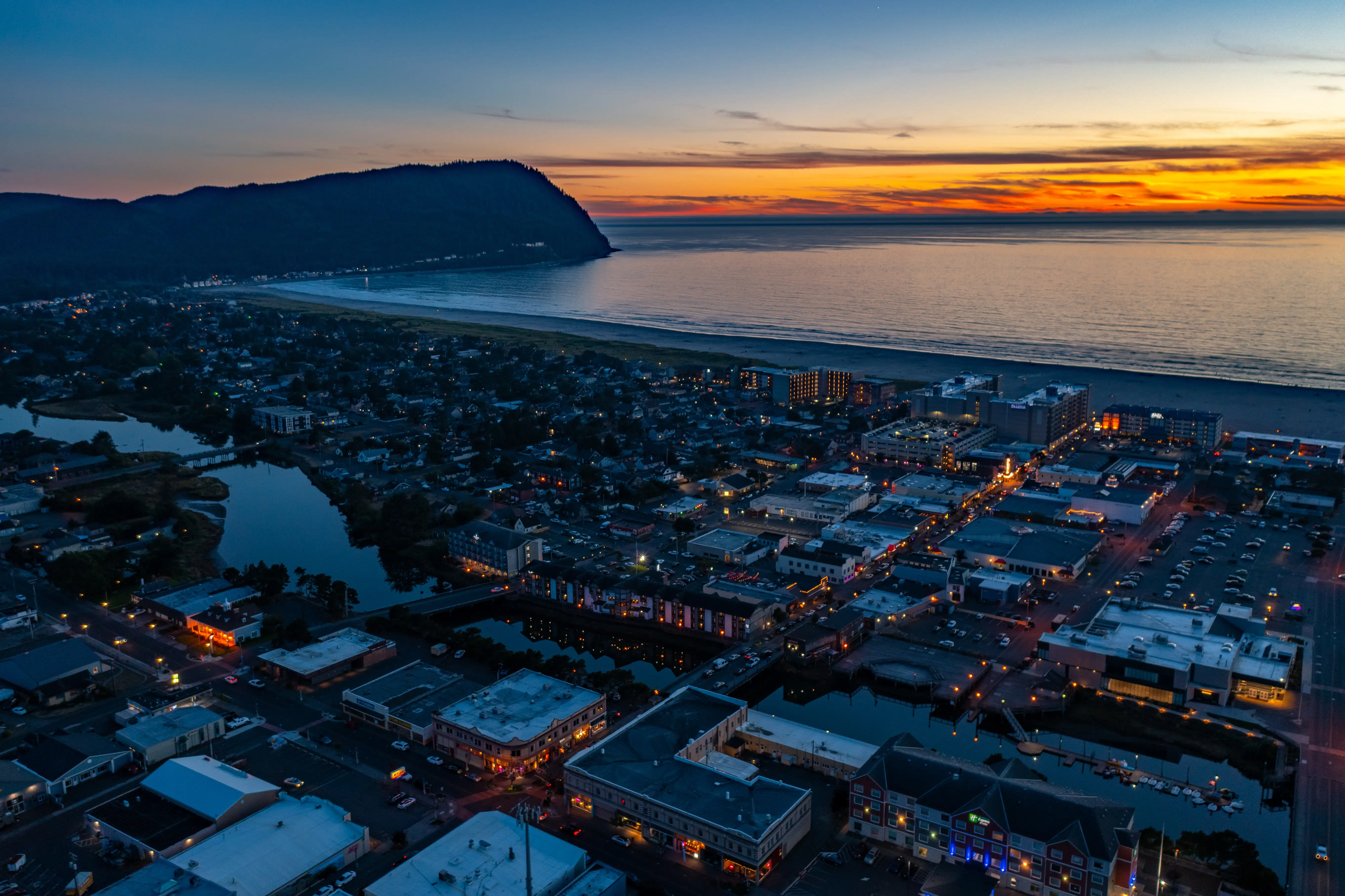
Local Expert Takeaway: The single most important geographic decision in Seaside isn't which street you buy on — it's which side of Highway 101 you land on. West of 101, you're buying into beach culture, tourism economics, and premium pricing that rewards short-term rental strategy but can complicate full-time living. East of 101 — particularly in Seaside East and parts of North Seaside — you get a quieter, more owner-occupied community at prices $100,000–$150,000 below comparable square footage on the coast side. Buyers who genuinely intend to live here year-round, especially those commuting toward Astoria or using US-26 toward Portland, consistently report that the east-side trade-off was worth it within the first six months.
What is the best neighborhood in Seaside for full-time residents?
The Cove and South Seaside consistently attract the highest proportion of year-round owner-occupants, largely because vacation rental activity is more restricted there than near the Promenade. For buyers who want genuine neighbors and a quieter daily environment, these two areas are the strongest choices among the best places to live in Seaside.
Is Seaside Oregon a good real estate investment in 2026?
The short answer depends heavily on which neighborhood you're buying in. Promenade-adjacent properties with active short-term rental licenses have historically generated strong returns, but the market has softened — days on market are averaging 86–88 days in 2026, giving buyers more negotiating room. Properties in Seaside East and North Seaside offer more modest appreciation profiles but lower entry points and a more stable owner-occupant base.
How do Seaside home prices compare to nearby coastal cities?
Seaside's $440,000 median sold price is generally below Cannon Beach — where oceanfront properties routinely exceed $1 million — and competitive with Gearhart, which has a smaller housing stock and similarly premium coastal positioning. Astoria and Warrenton tend to come in lower than Seaside's median, offering buyers who prioritize budget over beach access an easier entry point while still accessing the North Oregon Coast lifestyle.
Explore the full Seaside series: The Ultimate Seaside Relocation Guide · Is Seaside Safe? · Cost of Living in Seaside · Best Neighborhoods in Seaside · Seaside Schools & Family Life · Seaside Youth Sports · Seaside Parks & Recreation · Retiring in Seaside · 1031 Tax-Deferred Exchange in Seaside · Seaside First-Time Homebuyers Guide · Moving to Seaside from California
Tell us what you need help with and we'll connect you with local resources.

About the Author
Todd Davidson is the founder of Living in Oregon and Living in Washington, where he publishes in-depth city guides, neighborhood resources, and local market insights covering more than 180 communities across the Pacific Northwest. While his background is in home financing and real estate, he created these digital platforms to help families research and compare regions before making a move.
Check Out the Oregon Coast Rankings: Oregon Coast Cost of Living — All 16 Cities Ranked · Best Places to Retire on the Oregon Coast · Best Oregon Coast Cities for Families · Best Oregon Coast Cities for Remote Workers · Oregon Coast Real Estate Market Report 2026 · Oregon Coast vs. Washington Coast