Southern Oregon · Oregon
Living in Klamath Falls: The Ultimate Relocation Guide (2026)
Maybe you've been priced out of Bend and someone mentioned Klamath Falls as the alternative. Maybe your company has ties to Oregon Tech or Sky Lakes Medical Center and you're trying to decide whether the move makes sense. Or maybe you drove through on the way to Crater Lake, spotted a "For Sale" sign on a decent-looking house with a lake view, looked up the asking price, and did a double-take. Klamath Falls has that effect on people. The city's central tension is this: it genuinely delivers on affordability and sunshine in a way few Oregon cities can match, but it asks something real in return — distance from the major metro amenities most transplants assume will be nearby, a local economy with real constraints, and a pace of life that either settles into you or slowly frustrates you, depending on who you are.
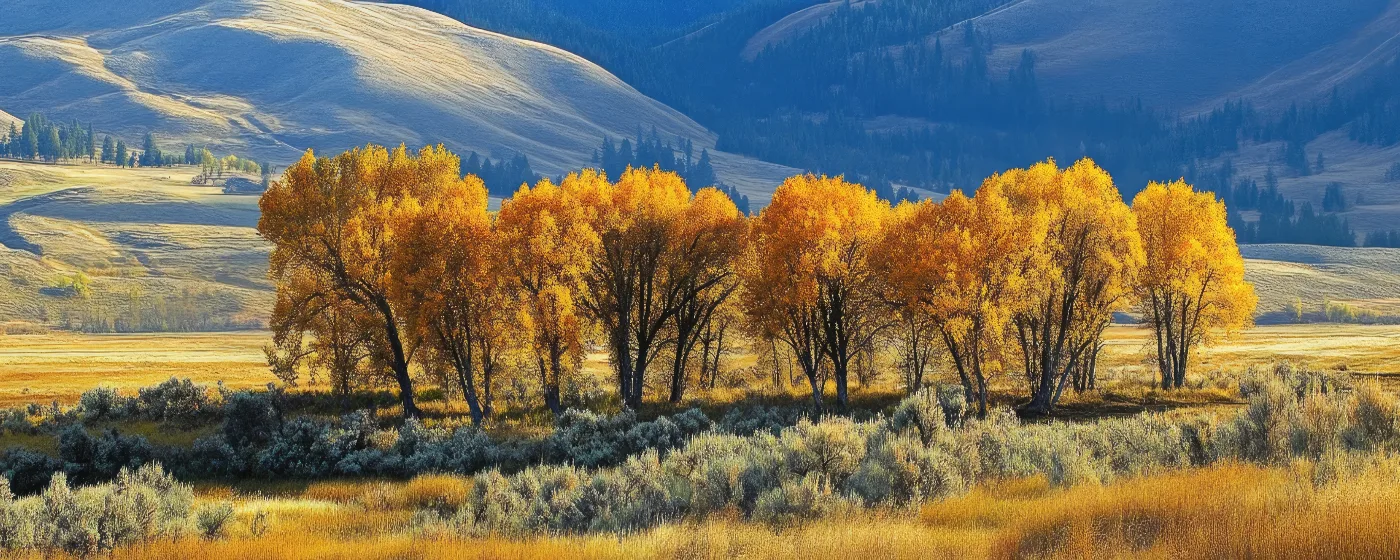
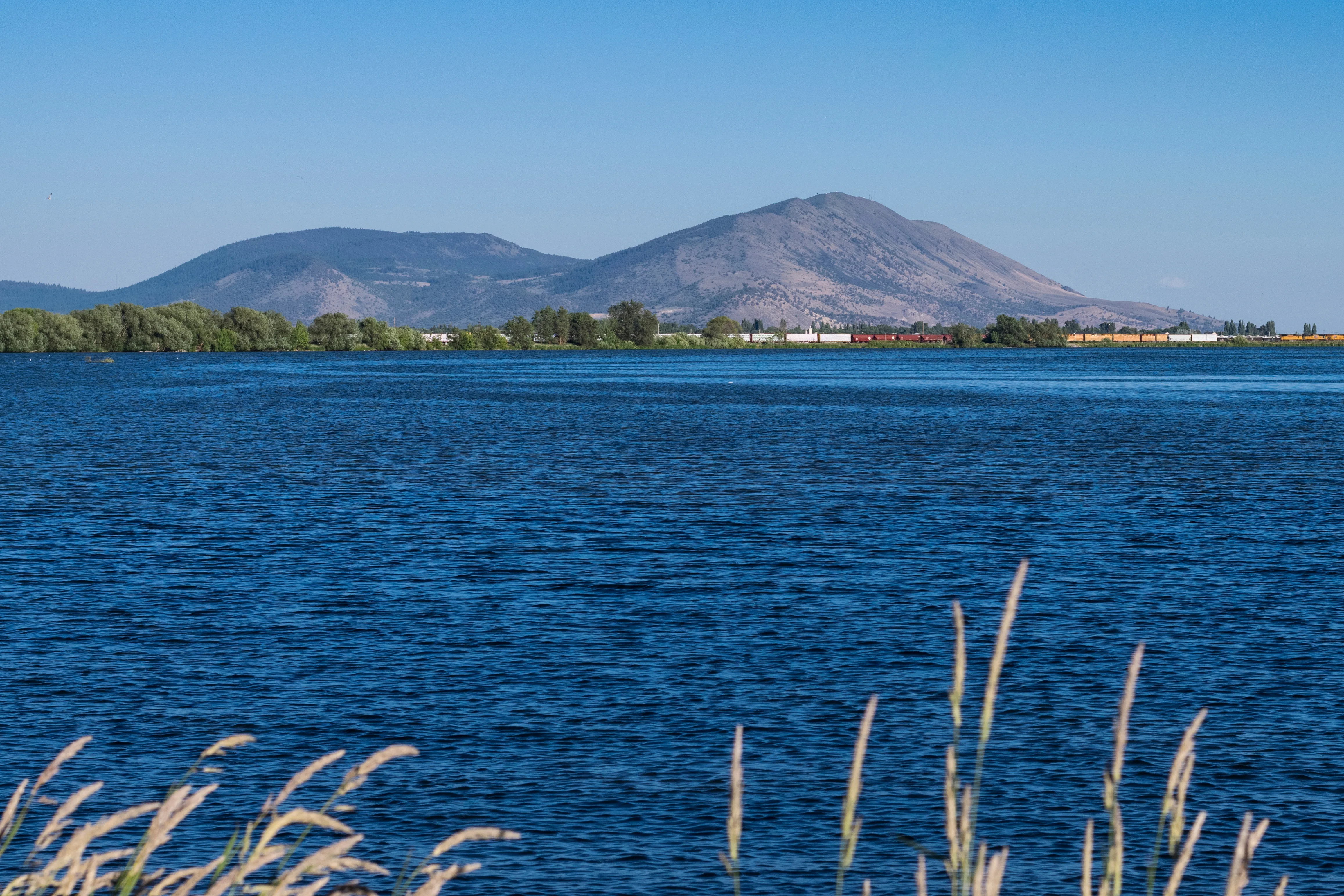
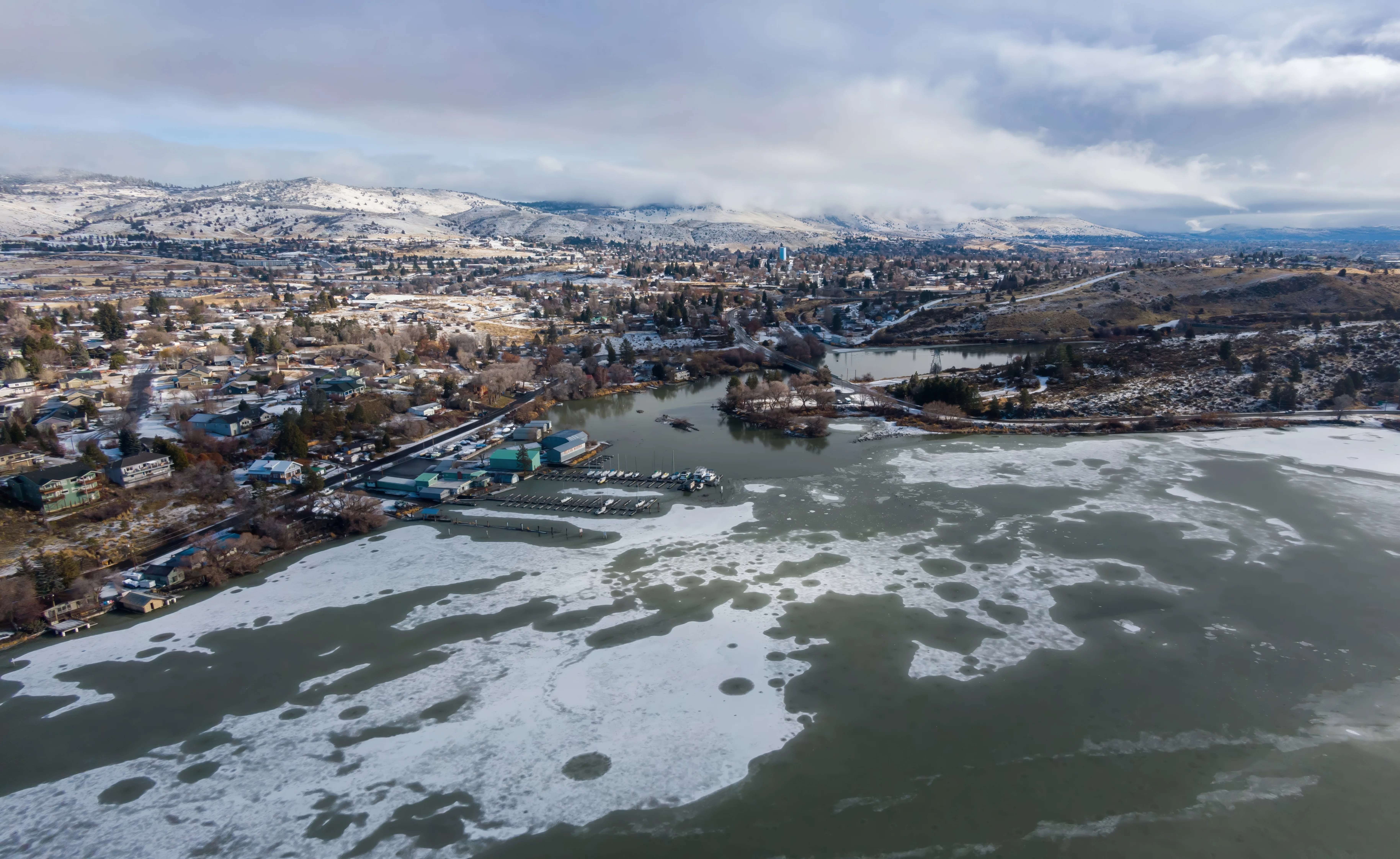
Geographically, Klamath Falls sits at 4,094 feet on the southeastern shore of Upper Klamath Lake, right where the Cascade foothills flatten into high desert. That elevation explains a lot: approximately 300 days of sunshine per year (the city markets itself as "Oregon's City of Sunshine"), winters that are cold but rarely buried in snow, and a landscape that looks nothing like Portland or Eugene. The nearest large city is Medford, roughly two hours southwest over the Cascades — a commute that's scenic but not casual. This is not a suburb in disguise. It is a self-contained regional hub of about 22,300 people that functions as the economic and cultural center of Klamath County.
This guide will help you figure out whether Klamath Falls fits your actual life — not just your spreadsheet. We'll walk through who thrives here, what daily life actually feels like, what the housing market looks like right now, which neighborhoods deserve your attention, and what the honest tradeoffs are before you make an offer.
The city suits some buyers and situations almost perfectly. It dramatically misses for others. Use this table as a quick filter before going deeper.
| Best For | Why |
|---|---|
| First-time buyers on a realistic budget | The median sold price sits at $318,000 — well below the Oregon average and 25% below the national average — with entry-level homes available in the low-$200s |
| Remote workers seeking space and sunshine | High-desert landscape, 300 sunny days, low housing costs, and improving rural broadband make this genuinely workable for remote-first households |
| Healthcare and education professionals | Sky Lakes Medical Center and Oregon Institute of Technology are major anchor employers; the region recruits actively for both sectors |
| Retirees who want low cost and outdoor access | Affordable housing, geothermal-heated neighborhoods, proximity to Crater Lake and Upper Klamath Lake canoe trails, and mild winters relative to elevation |
| Outdoor-focused families | OC & E Woods Line State Trail, Moore Park, and year-round lake access create a genuinely active outdoor lifestyle for households with kids |
| Military families | Kingsley Field-Oregon Air National Guard base keeps a steady rotation of military households moving through the city, making the relocation process familiar and well-supported |
Downtown Klamath Falls is compact and functional rather than polished. Main Street has the bones of a working regional downtown — a county museum, a few local restaurants, some retail — but it doesn't yet have the coffee-shop-and-boutique density that draws transplants to places like Ashland. What it does have is authentic use: real people running real errands, not a revitalized streetscape built to impress visitors. If you're coming from a larger metro expecting a scaled-down version of that energy, the adjustment takes a few months. If you came here for space and affordability and you've recalibrated what "downtown" means, you start to appreciate it on its own terms.
Daily life here is shaped by the lake more than anything else. Upper Klamath Lake is enormous — roughly 25 miles long — and it creates a genuine sense of place that most inland cities at this size don't have. Watching pelicans work the shoreline at Moore Park on a Saturday morning in June is the kind of thing that makes people forget they were on the fence about moving here. The Link River trail connects downtown to the lake in a way that feels casual and walkable, even in a city with a Walk Score of 40 that otherwise requires a car for most errands.
The commute reality is important to understand before you sign anything. Getting to Medford is a roughly two-hour drive on US-97 South over the Cascades — doable a few times a month, not a daily option for most people. The Klamath Falls Airport (LMT) has limited regional service, mostly connecting through Portland or San Francisco. If your job is fully remote or based at one of the local anchors — OIT, Sky Lakes, Kingsley Field — the isolation is irrelevant. If you're a hybrid worker who needs to be in a larger city twice a week, Klamath Falls will wear on you quickly.
What surprises most people after six months of living here is how tight the community actually feels. With a combined city-and-suburb population around 42,000 (including Altamont), everyone eventually knows everyone. The OIT athletic events draw real crowds. The Klamath County Fair is a genuine local anchor event, not a nostalgia act. Neighbors notice when you're new and they introduce themselves — which is either exactly what you wanted or takes some adjustment depending on your temperament.
The cost of living is the headline, and it holds up to scrutiny. Housing at $318,000 median is the obvious entry point, but the full picture is more compelling: average rent runs around $730 for a one-bedroom, utilities cost about 3% less than the national average (before geothermal advantages kick in for eligible homes), and Oregon's zero sales tax means the grocery and retail savings compound over time. BestPlaces puts the overall cost at about 13.8% below the U.S. average — and roughly 24.6% below the Oregon average. For households earning near the $46,693 median income, that differential is the difference between financial stress and actual breathing room.
The geothermal heating system is one of the most genuinely unusual features of any American city, and it's not a marketing gimmick. In the Hot Springs neighborhood and parts of the older city, residents tap directly into a natural underground aquifer where water runs between 200 and 220°F. Oregon Tech uses geothermal energy campus-wide and estimates it saves roughly $1.4 million annually — and residential users in the right neighborhoods access the same infrastructure. The city also runs geothermal snowmelt systems under downtown sidewalks and bridges. You won't find this anywhere else in the Pacific Northwest.
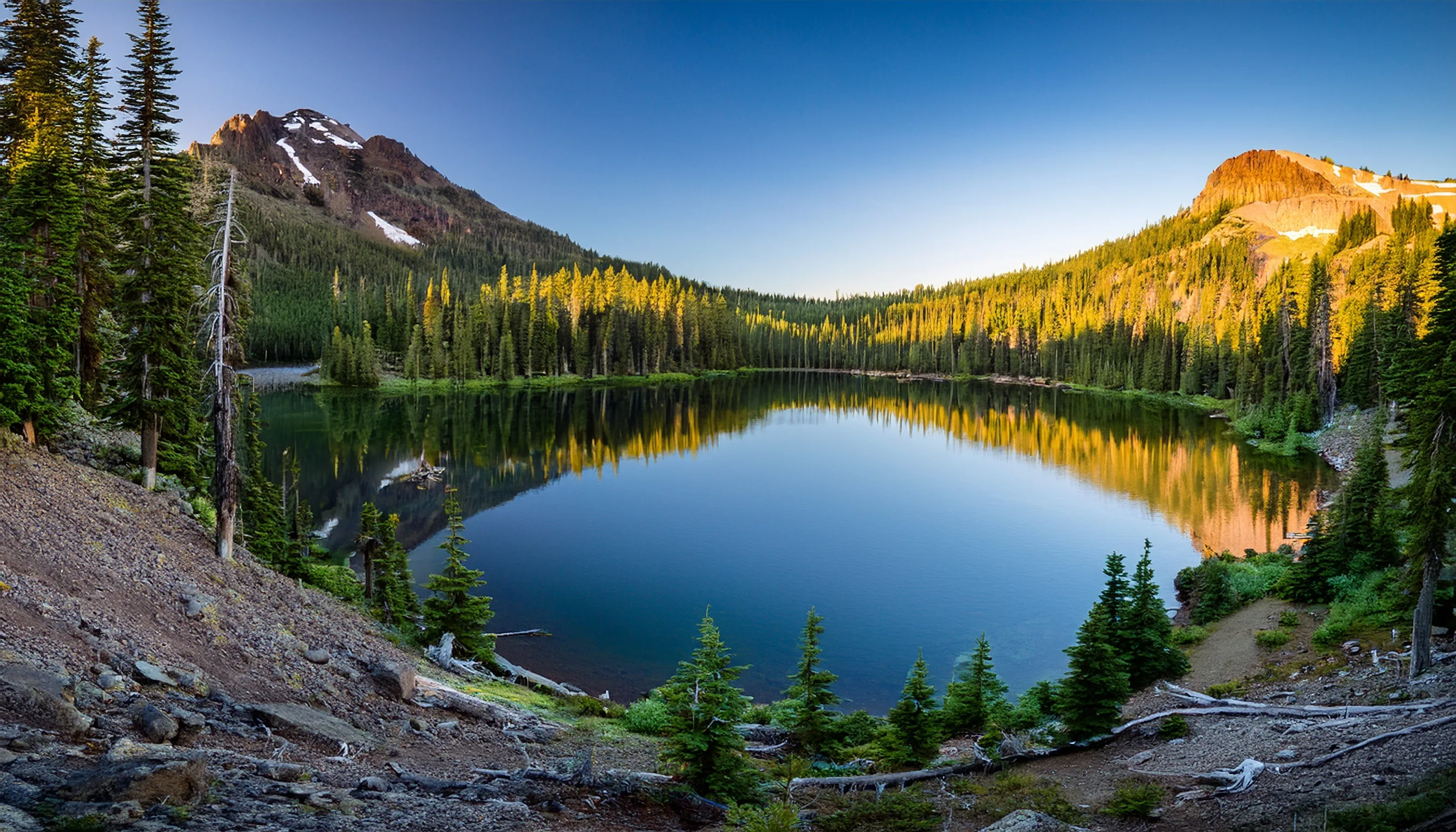
Outdoor access at this price point is extraordinary. Crater Lake National Park is about 60 miles north — a day trip, not a destination requiring a hotel. The OC & E Woods Line State Trail extends more than 100 miles through high desert terrain and is accessible directly from the city. Upper Klamath Lake offers canoe trails through one of the largest freshwater marshes in the West, with white pelican populations that draw serious birders from across the country. Moore Park sits right on the lake with playgrounds, picnic facilities, a marina, and easy swimming access.
The sunshine is real and it matters more than it sounds. After six months of gray Oregon coast or Willamette Valley winters, 300 sunny days per year changes your baseline mood. The elevation keeps summer temperatures reasonable, and while winters are cold, major snow events are infrequent enough — roughly every six to eight years for significant accumulation — that most residents don't treat them as a core planning variable.
Looking to buy in Klamath Falls? Estimate your payment.
Enter your numbers to see an estimated monthly mortgage payment.
Estimate only. Excludes HOA fees and mortgage insurance.
The economic constraint is the most important one to name clearly. With a median household income of approximately $46,693 and a poverty rate near 23%, Klamath Falls has a narrower economic base than most comparably sized Pacific Northwest cities. The major employers — Sky Lakes, OIT, Kingsley Field, JELD-WEN, Columbia Forest Products — are stable but not growing dramatically. Buyers who need career mobility or a robust local job market for two working adults may find the options limiting, especially in sectors like tech, finance, or professional services.
The distance from major services compounds over time in ways that aren't obvious at first. Medical specialists, major-airport access, Costco, IKEA, and specialty retail all require Medford or Bend. The Medford drive is manageable a few times a month but represents a real time cost over years. Families with children who develop specialized medical needs, households that travel frequently for work, and buyers accustomed to a dense retail and restaurant environment are the ones who most commonly cite this as their reason for eventually leaving.
The school district carries a C+ rating and the Klamath Falls City School District has faced budget and resource challenges that are publicly documented and worth researching in depth if schools are a primary decision driver. Families who prioritize school quality often choose to live in Klamath Falls proper but pay close attention to individual school options — including OIT's dual-enrollment opportunities for high schoolers, which partially offset the district's limitations at the secondary level.
Why do people leave? Usually one of three things: career limitations hit a ceiling, a family member's health situation requires closer proximity to a major medical center, or the social isolation of a small regional city outpaces the financial benefits. These aren't hypothetical complaints — they're the actual reasons that come up consistently among people who moved here with genuine enthusiasm. None of them are unfixable, but they're worth naming before you move rather than discovering them afterward.
The historic core runs along Main Street and Klamath Avenue, with older commercial buildings that have seen varying degrees of reinvestment. Housing here skews toward smaller older homes, some rental conversions, and a handful of renovation projects. Geothermal-heated buildings are common in this zone, and walkability — while low by big-city standards — is at its best relative to the rest of the city. Prices generally run below the city median, making this a realistic entry point for buyers comfortable with an urban fixer opportunity.
Best for: First-time buyers or investors who want geothermal access and are comfortable with a neighborhood still mid-revitalization.
Running Y is the city's clear premium neighborhood — a master-planned resort community roughly 10 miles south of downtown, adjacent to Upper Klamath Lake and anchored by a golf course and the Running Y Ranch Resort hotel. The median real estate price here runs approximately $555,000, making it the city's most expensive enclave by a significant margin. Newer construction, HOA amenities, and lake views drive the premium. The catch is that it functions almost as a separate community from Klamath Falls proper — groceries and everyday errands require a drive.
Best for: Retirees, second-home buyers, or high-income households who want resort-quality amenities and don't mind the commute into town.
Hot Springs is the neighborhood most defined by its literal geology. Sitting on a fault line where residential wells reach geothermal water at depths of just 100 to 400 feet, homeowners here have been heating their homes with underground hot water since the 1930s. The housing stock is predominantly mid-century, with prices generally in the $240,000–$310,000 range. This is the neighborhood that makes the most sense to research carefully from a utility cost standpoint — the infrastructure that sounds exotic is genuinely functional.
Best for: Budget-conscious buyers who want a practical ownership advantage and don't need new construction.
Lake Shore Gardens sits along the eastern edge of Upper Klamath Lake and offers some of the most direct waterfront and near-waterfront access in the city. The neighborhood is established rather than new, with a mix of older ranch homes and modest lakefront properties. Prices here vary considerably based on proximity to the water, but city-wide median pricing generally applies to non-waterfront stock in this area. The lake views and access to the Moore Park corridor make this consistently attractive to buyers for whom the water is the deciding factor.
Best for: Buyers who want proximity to the lake without Running Y's price tag or HOA structure.
Altamont Acres sits within or adjacent to the Altamont census-designated place just east of the city, a suburban-style area that significantly expands the effective Klamath Falls residential footprint. Housing here tends to be post-1970s residential, more suburban in character than downtown, with good access to shopping along the US-97 corridor. The neighborhood functions well for households who prioritize a conventional suburban layout and easy car access to the city's main retail and services.
Best for: Families who want a traditional suburban feel with practical access to schools and shopping.
Pacific Terrace is one of the established mid-century residential neighborhoods on the western hillside above downtown. Like Hot Springs, this area has geothermal access that predates most current residents — some homes have been tapping underground heat for 80-plus years. Housing prices run close to the city median, with the neighborhood offering a mix of original mid-century stock and some renovation projects. The hillside positioning gives a number of homes here elevated views over the city and lake.
Best for: Buyers who want established neighborhood character, geothermal potential, and views without paying Running Y prices.
North Hills occupies higher ground north and northwest of downtown, with some of the more elevated views in the city. The housing mix includes larger lots and a slightly more spacious feel than the tighter downtown-adjacent streets. This area suits buyers who want a residential neighborhood that's close enough to reach downtown quickly but set apart enough to feel removed from it. Pricing is generally in line with or slightly above the city median depending on lot size and condition.
Best for: Buyers who prioritize views, larger lots, and a quieter residential setting within the city.
Southview sits on the southern edge of the city, offering a more accessible entry point to the Running Y corridor and the US-97 South route without the HOA fees and resort premiums of Running Y itself. Housing here is a mix of newer construction and 1980s-to-1990s residential, with pricing that generally falls at or just above the city median for comparable square footage. The southern location works particularly well for Kingsley Field commuters.
Best for: Military families stationed at Kingsley Field or buyers who want newer construction at a moderate price point.
| City | Best For | Median Home Price | Commute to Klamath Falls | Vibe |
|---|---|---|---|---|
| Klamath Falls | Affordability, outdoor access, local anchors | $318,000 | — | High-desert regional hub |
| Medford | Career options, services, Rogue Valley amenities | ~$380,000 | ~2 hours | Growing mid-size Oregon city |
| Ashland | Culture, walkability, Southern Oregon University | ~$520,000 | ~2.5 hours | Arts-focused college town |
| Bend | Recreation, tech economy, lifestyle amenities | ~$650,000 | ~2.5 hours | High-growth outdoor destination |
| Chiloquin | Rural solitude, very low cost | ~$200,000 | ~30 min | Small rural town, very limited services |
| Merrill | Farming community, extreme affordability | ~$150,000 | ~25 min | Agricultural, minimal amenities |
| Metric | Figure |
|---|---|
| Population (2026 est.) | ~22,308 |
| Median Sold Home Price | $318,000 (Redfin, late 2025) |
| Median Household Income | ~$46,693 |
| Property Tax Rate | ~0.66% |
| Average Rent (1BR) | ~$730/month |
| Walk Score | 40 (car-dependent) |
| Sunny Days Per Year | ~300 |
| Elevation | 4,094 feet |
| Violent Crime per 1,000 | 5.3 |
| School District Rating | C+ (Klamath Falls City SD) |
| Major Employers | Sky Lakes Medical, OIT, Kingsley Field, JELD-WEN |
| Closest Major City | Medford (~2 hours) |
The geothermal sidewalks in downtown Klamath Falls are the most practically unusual thing about this city — and most people don't know they exist until they notice that the sidewalk in front of a government building is bone dry during a snowstorm. The city circulates hot underground water through pipes embedded in sidewalks and bridge decks, which means downtown can get overnight snow while the pavement stays clear. It's not a novelty — it's active infrastructure, and it's been running since the mid-20th century.
The white pelican migration on Upper Klamath Lake is a genuinely spectacular annual event that draws wildlife photographers and birders from across the West. Every spring, tens of thousands of American white pelicans use the lake as a major stopover point, visible from the shore at Moore Park or from the canoe trails through the marsh. Locals treat it with the casual familiarity that most cities reserve for a famous annual parade — it happens, it's remarkable, and you get used to watching people pull over on the highway to stare at the sky.
OIT Hustlin' Owls athletics function as a community anchor in a way that disproportionately reflects the city's size. Oregon Tech competes at the NAIA level, and the basketball and baseball programs in particular draw real crowds from the broader community — not just students. Home games at the college create one of the few regular social gathering points in a city that doesn't have a dense bar or entertainment district, and the university's presence gives the city intellectual energy that isn't always visible from the outside.
What I would not do if moving here: Don't buy in the flood-adjacent areas along the lowest points near Klamath Lake without doing careful due diligence on flood zone mapping. The lake's historic water levels have fluctuated significantly due to irrigation and drought conditions, and certain parcels that appear attractively priced are that way for a reason. The FEMA flood zone designation doesn't always capture the full picture of seasonal water behavior in this basin.
Local Expert Takeaway: If your budget is $280,000–$380,000 and you're willing to drive rather than walk for most daily errands, Klamath Falls gives you more square footage, better outdoor access, and lower operating costs than anywhere else in Oregon at that price point. The buyers who struggle here are the ones who underestimate how much the Medford distance matters for career growth and specialty services — that 2-hour drive is fine for a weekend trip, but it compounds when you're making it for a job interview, a specialist appointment, or an airport connection. Before you make an offer, live the Medford drive twice in one week and see how it feels.
✅ Klamath Falls is a genuine value play in the Oregon market — the $318,000 median price, geothermal heating options, and 300 sunny days create a combination that buyers from wetter, more expensive parts of the state routinely underestimate.
⚠️ Distance and economic limitations are the real filters — if you need career mobility for two working adults in professional sectors, or frequent access to a major airport or medical specialists, the isolation will eventually outweigh the savings.
📍 Your neighborhood choice matters more here than in most cities — the difference between Hot Springs (geothermal heat, older stock), Running Y (resort-level amenities, $555K median), and Altamont Acres (suburban conventional) is significant enough that where you land shapes your daily experience almost entirely.
Is Klamath Falls a good place for families?
Klamath Falls can work well for families who prioritize outdoor lifestyle, affordability, and a tight-knit community over elite school rankings or urban amenities. The city has parks, lake access, organized youth sports, and OIT's presence — but the Klamath Falls City School District carries a C+ rating, and families who place school quality at the top of their list should research individual schools and options carefully before committing.
What is the crime rate in Klamath Falls?
The violent crime rate runs approximately 5.3 per 1,000 residents — higher than the Oregon average and meaningfully above the national average for a city of this size. Property crime comes in around 20 per 1,000. The city is working actively on community safety programs, and crime is not uniformly distributed across all neighborhoods, but buyers should treat the numbers as a real data point rather than a statistic to dismiss.
How does Klamath Falls compare to Medford?
Medford offers a larger job market, more retail and restaurant options, better airport access through Rogue Valley International, and a faster-growing economy — but homes run roughly $60,000 more at median and the cost of living is meaningfully higher. Klamath Falls wins on pure affordability and outdoor access; Medford wins on career options and services. Most buyers choosing between them are really making a career-vs-cost-of-living decision first, with lifestyle as the tiebreaker.
Explore the full Klamath Falls series: The Ultimate Klamath Falls Relocation Guide · Is Klamath Falls Safe? · Cost of Living in Klamath Falls · Best Neighborhoods in Klamath Falls · Klamath Falls Schools & Family Life · Klamath Falls Youth Sports · Klamath Falls Parks & Recreation · Retiring in Klamath Falls · 1031 Tax-Deferred Exchange in Klamath Falls · Klamath Falls First-Time Homebuyers Guide · · Moving to Klamath Falls from California
Tell us what you need help with and we'll connect you with local resources.

About the Author
Todd Davidson is the founder of Living in Oregon and Living in Washington, where he publishes in-depth city guides, neighborhood resources, and local market insights covering more than 180 communities across the Pacific Northwest. While his background is in home financing and real estate, he created these digital platforms to help families research and compare regions before making a move.