
Southern Oregon · Oregon
Cost of Living in Klamath Falls: Housing, Taxes, Utilities & Lifestyle (2026)
The first thing relocating buyers notice about Klamath Falls pricing is that the spreadsheet doesn't lie. A $318,000 median sold price in a city with a real downtown, a regional medical center, and a state university seems almost suspicious in 2026 — until you understand that this is one of the most affordable mid-sized cities in the American West. What makes the number real rather than a warning sign is context: Klamath Falls isn't cheap because it's declining. It's affordable because it's never been discovered the way Bend or Medford have been.
What shapes the cost picture here is a combination of high-desert geography, a stable institutional employment base, and Oregon's structural advantages — specifically, no sales tax. Sky Lakes Medical Center, Oregon Institute of Technology, and Kingsley Field keep the local economy grounded without generating the speculative real estate pressure you see in college towns or healthcare hubs elsewhere in the state. The result is a market where a median-income household can still realistically qualify to buy a home — a sentence that can't be written about most of Oregon west of the Cascades.
This guide breaks down exactly what you'll spend in Klamath Falls: housing by price tier, realistic rent figures, what utilities actually run in a high-desert climate, and how your total monthly cost of living compares against the neighboring region. Whether you're relocating from the Bay Area or moving up from Medford, the numbers here will tell you what you're actually signing up for.
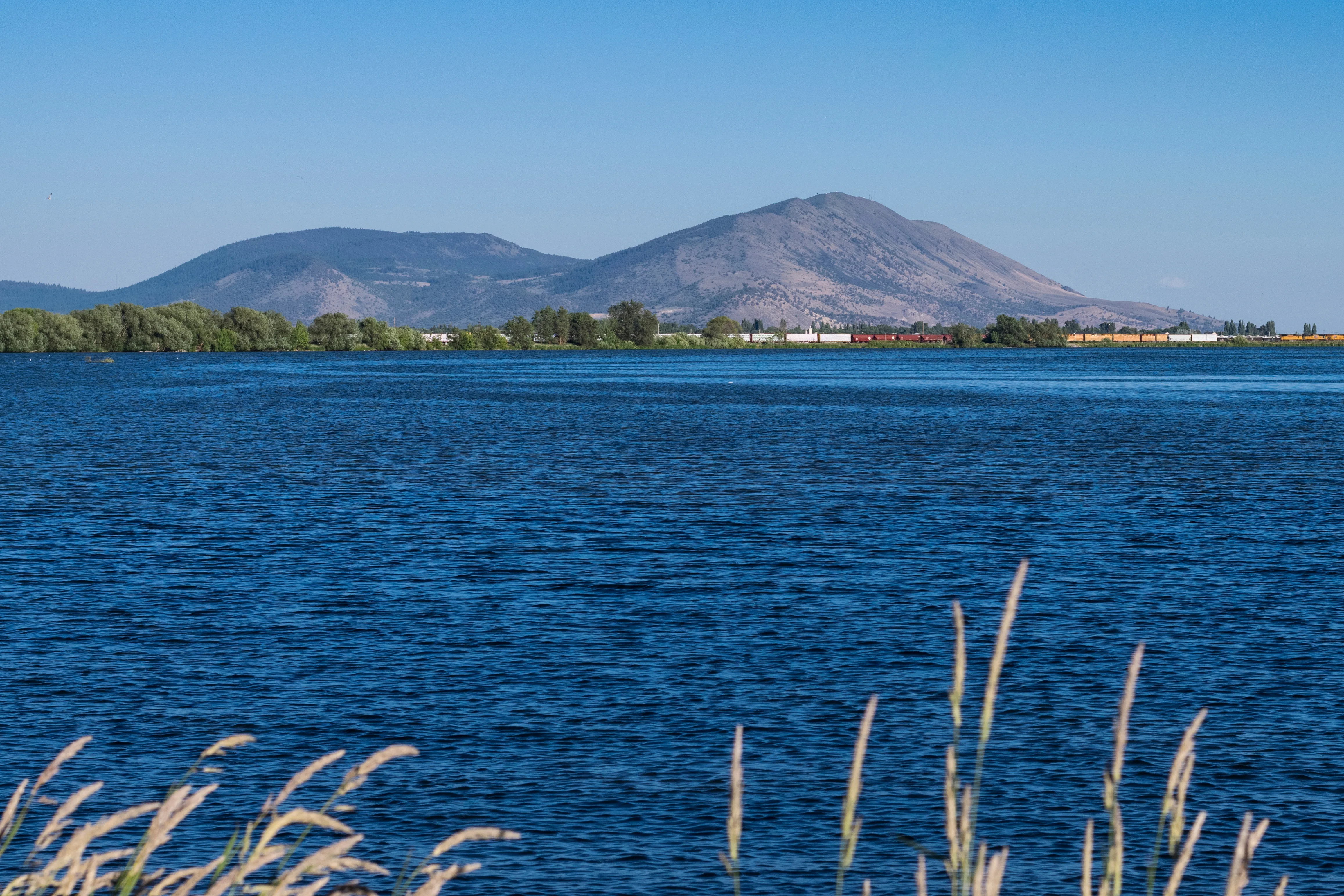
As of late 2025, the median sold price in Klamath Falls sits at $318,000 — roughly 25% below the national average and well below Oregon's overall median. That figure buys a 3-bedroom, 2-bath home on a standard city lot, typically with a garage and a yard, in move-in condition. The price-per-square-foot runs approximately $212, which means buyers accustomed to Portland or the I-5 corridor will find themselves doing double takes at what $300,000 actually looks like here.
The market has been moving at a measured pace — average days on market has stretched to around 63 days, giving buyers more negotiating room than they'd find in tighter Oregon markets. Entry-level homes in the $200,000s do exist, mostly older construction in established neighborhoods, though they often need updating. New construction, concentrated along the city's southern and eastern edges, is listed closer to $349,000. Running Y Ranch, the one true premium enclave, operates in a different tier entirely and shouldn't anchor your expectations for the broader market.
Appreciation has been running in the range of 2–3% annually — steady, not explosive. This is a balanced market, not a frenzy, which means buyers can take their time and sellers should expect to negotiate.
| Budget | What You Get |
|---|---|
| Under $200,000 | Older 2–3 BR homes, likely needing updates; functional but dated |
| $200,000–$280,000 | Solid 3 BR / 1–2 BA in established neighborhoods like Altamont Acres or North Hills |
| $280,000–$380,000 | Updated 3–4 BR homes, newer construction, larger lots; most buyers land here |
| $380,000–$500,000 | Larger homes, premium finishes, newer subdivisions, some Running Y Ranch adjacency |
| $500,000+ | Running Y Ranch golf community homes, lakefront properties, custom builds |
Klamath County's effective property tax rate of 0.66% is notably low — below both the national median of around 1.02% and Oregon's statewide median of approximately 0.87%. On a $318,000 home, that translates to roughly $2,099 per year, or about $175 per month. Oregon's Measure 50, passed in 1997, caps the assessed value growth of existing properties at 3% per year regardless of market appreciation, which means longtime owners are often paying taxes on an assessed value well below their current market value — a meaningful long-term savings that new buyers begin accumulating from day one.
Rental pricing in Klamath Falls is among the most accessible of any Oregon city. The overall average rent as of mid-2026 runs approximately $1,275 per month — roughly 34% below the national average. The rental market is heavily weighted toward single-family houses and smaller apartment complexes rather than large multifamily developments, which gives the rental experience a different texture than you'd find in Portland or Eugene.
| Unit Type | Average Monthly Rent |
|---|---|
| Studio | $610–$700 |
| 1 Bedroom (apartment) | $800–$900 |
| 1 Bedroom (house) | $900–$1,000 |
| 2 Bedroom (apartment) | $1,100–$1,200 |
| 2 Bedroom (house) | $1,200–$1,350 |
| 3 Bedroom (house) | $1,500–$1,758 |
| 4 Bedroom | $2,100–$2,300 |
Rental inventory skews toward older single-family homes and duplexes, particularly in neighborhoods like Altamont Acres, Lynnewood, and Pacific Terrace. Large Class A apartment complexes are limited, though smaller complexes near Oregon Tech and Sky Lakes attract a mix of students, healthcare workers, and young professionals. Rent has increased only modestly year over year — roughly 2% — which means renters aren't facing the kind of annual shock that became common in Bend or Medford over the past five years.
Klamath Falls sits at roughly 4,100 feet elevation in high-desert terrain, which shapes utility costs in ways that matter. Winters are cold and dry — temperatures regularly dip into the teens and single digits between December and February — which means heating costs are real. The city has a genuinely unusual advantage here: a geothermal district heating system that serves much of downtown and adjacent areas, reducing natural gas dependency for residents connected to it. Pacific Power handles electricity for most of the city, and the utilities cost index for Klamath Falls runs about 6% below the national average despite the heating demand.
Total estimated monthly utilities for a standard 3-bedroom home run approximately $200–$250 for electricity and gas combined, depending on season and whether you're connected to geothermal. Internet service is available through Charter Spectrum and several providers; expect to pay $50–$90 per month for standard broadband. Water, sewer, and garbage from the city typically add another $80–$110 monthly.
Transportation here is almost entirely car-dependent — the Walk Score of 40 reflects the reality that most daily errands require driving. Gas prices in Klamath Falls tend to run slightly below the Oregon statewide average, partly due to lower demand density. The monthly transportation cost for a typical household runs around $850, which is actually about 11% below the national average — likely because distances within the city are short and there's no tolled infrastructure. Oregon bans self-service gas stations, so budget for the full-service premium if you're coming from out of state.
Grocery access is solid for a city this size. Fred Meyer on Washburn Way handles the bulk of household shopping for much of the city. Grocery Outlet on South Sixth Street draws budget-conscious shoppers. WinCo Foods provides the lowest per-item prices for larger households. Dining out is meaningfully affordable by Pacific Northwest standards — dinner for two at a sit-down restaurant runs $40–$65 on average, and the local food scene along Main Street and Klamath Avenue includes a mix of independent restaurants, breweries, and longtime local spots that won't drain a budget the way Portland dining would.
Healthcare costs run approximately 3% below the national average. Sky Lakes Medical Center serves as the regional hospital and is the city's largest employer, which means specialist access is better here than in many comparably sized rural cities. Monthly healthcare spending for a typical household lands around $375.

Looking to buy in Klamath Falls? Estimate your payment.
Enter your numbers to see an estimated monthly mortgage payment.
Estimate only. Excludes HOA fees and mortgage insurance.
| City | Median Home Price | Monthly Rent (2BR) | Property Tax Rate | Commute to Klamath Falls |
|---|---|---|---|---|
| Klamath Falls | $318,000 | $1,100–$1,350 | 0.66% | — |
| Medford | $380,000–$420,000 | $1,400–$1,650 | ~0.75% | ~60 min |
| Ashland | $520,000–$580,000 | $1,600–$1,900 | ~0.75% | ~75 min |
| Bend | $620,000–$680,000 | $1,700–$2,100 | ~0.85% | ~2 hrs |
| Grants Pass | $360,000–$395,000 | $1,300–$1,500 | ~0.78% | ~90 min |
| Chiloquin | $180,000–$230,000 | Limited inventory | ~0.65% | ~30 min north |
| Altamont | $285,000–$310,000 | $950–$1,200 | ~0.66% | Adjacent |
The gap between Klamath Falls and Medford is smaller than it used to be, but it's still meaningful — buyers who need I-5 corridor access or a larger job market pay a 20–30% premium for Medford's median. Ashland commands a significant lifestyle premium tied to its arts and university identity. Bend is in a different category entirely. Klamath Falls offers the most purchasing power of any incorporated city in this region, without requiring buyers to go rural.
This reflects a household purchasing a $318,000 home with 10% down ($31,800), financing $286,200 at an assumed 30-year rate.
| Expense Category | Estimated Monthly Cost |
|---|---|
| Mortgage (principal + interest) | $1,725–$1,875 |
| Property taxes (~$175/mo) | $175 |
| Homeowner's insurance | $90–$130 |
| Electricity + gas/geothermal | $200–$250 |
| Water, sewer, garbage | $85–$110 |
| Internet + phone | $120–$160 |
| Groceries (family of 4) | $700–$850 |
| Transportation (gas, maintenance) | $750–$900 |
| Healthcare (out-of-pocket) | $300–$450 |
| Dining out + entertainment | $250–$400 |
| Childcare / school costs (if applicable) | $600–$900 |
| Estimated Total | $5,000–$6,200 |
A dual-income household earning close to the median household income of $46,693 combined will feel the stretch on a median-priced purchase — the price-to-income ratio runs about 5.1x, slightly above the national average of 4.8x. Households earning above $60,000, which is achievable at Sky Lakes, Oregon Tech, or Kingsley Field, will find the budget considerably more comfortable. The no-sales-tax environment quietly adds real money back to every grocery run, appliance purchase, and home improvement project.
Oregon's tax structure creates a specific cost-of-living reality that anyone relocating from a sales-tax state needs to internalize before comparing sticker prices. The absence of any state or local sales tax — Oregon is one of only five states with none — means every retail transaction, every restaurant meal, and every car purchase is priced exactly as listed. A household spending $2,000 per month on taxable goods in a state with 8% sales tax is effectively paying $2,160. That $160 monthly difference adds up to nearly $2,000 per year, which offsets a meaningful portion of Oregon's higher income tax burden for working households.
Oregon's income tax runs from 4.75% up to 9.9% for high earners, with most middle-income households falling in the 8–9% bracket. Retirement income is taxed as ordinary income in Oregon, which matters for anyone planning to relocate here for retirement. Pensions, IRA withdrawals, and 401(k) distributions all count as taxable income at the standard rates — there's no special exemption for seniors the way some states offer. Oregon does have a property tax senior deferral program that allows qualifying homeowners 62 and older to defer property tax payments until the home is sold, which provides meaningful cash flow relief for fixed-income retirees.
The net tax picture in Klamath Falls is favorable by most measures. Klamath County ranked among the top 10 least tax-burdened counties in Oregon on SmartAsset's index. Property taxes at 0.66% are well below what buyers pay in most of the country. And for households whose income is primarily earned (rather than investment or retirement), the no-sales-tax structure provides consistent daily savings that compound over time.
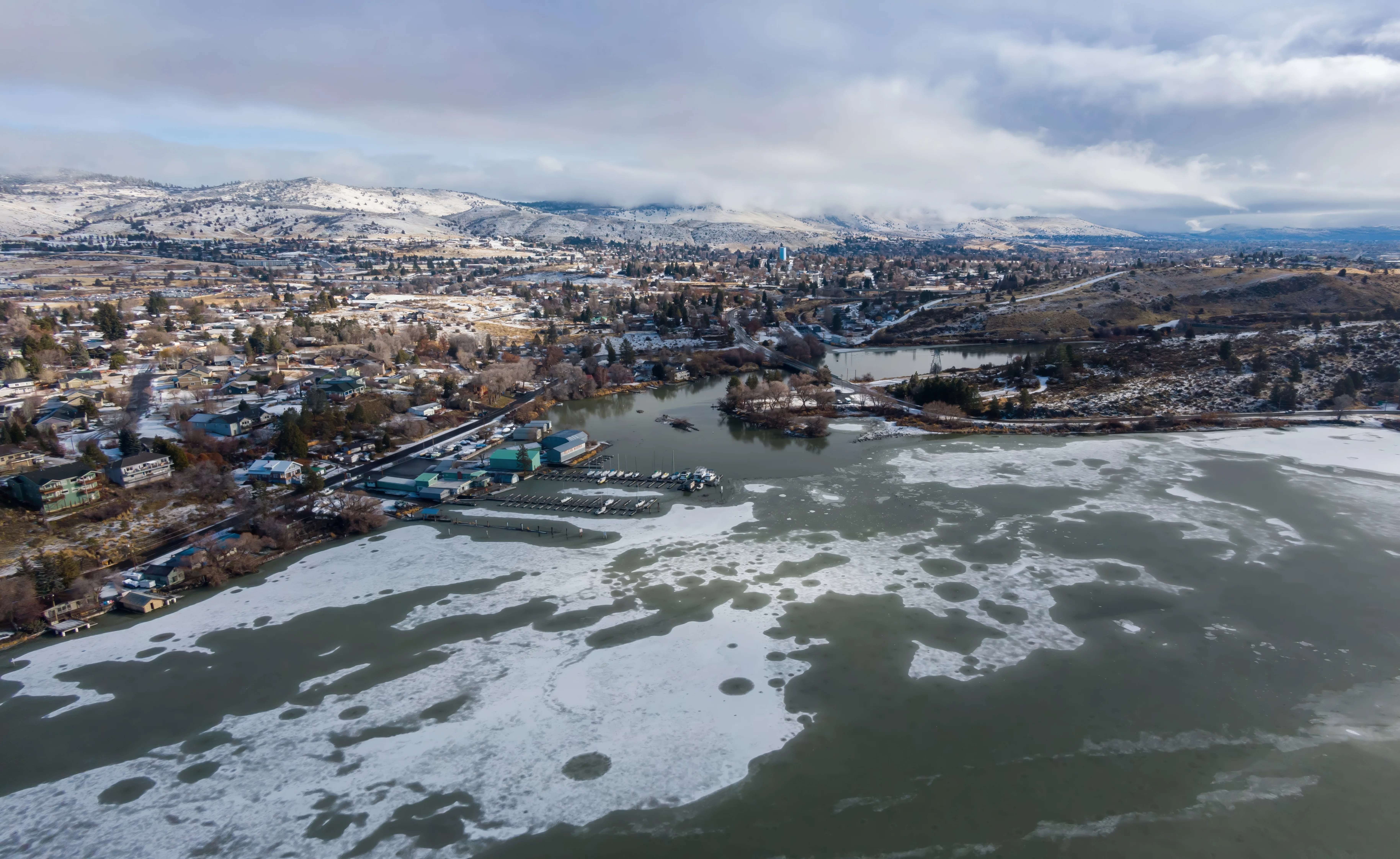
Local Expert Takeaway: The most commonly missed opportunity in Klamath Falls is the combination of Oregon's Measure 50 assessed value cap and the 0.66% effective tax rate — buyers who lock in now at $318,000 are also locking in a tax base that grows by no more than 3% per year, regardless of what the market does. Neighborhoods like Pacific Terrace and Sky Lakes Area offer updated 3–4 bedroom homes in the $280,000–$360,000 range where the monthly all-in cost genuinely pencils out at median income, something that's nearly impossible to say about any comparable Oregon city west of the Cascades.
Is Klamath Falls affordable compared to the rest of Oregon?
Yes — Klamath Falls ranks among the 15 most affordable cities in Oregon, with overall costs running about 10% below the state average. The housing market specifically sits well below what you'd find in Medford, Bend, or the Portland metro, while still offering city-level amenities including a regional hospital and a four-year university.
How much do property taxes cost on a typical Klamath Falls home?
At the county's 0.66% effective rate, the annual property tax on a $318,000 home runs approximately $2,099 — around $175 per month. Oregon's Measure 50 caps assessed value growth at 3% per year, meaning your tax bill increases predictably and modestly over time even if market values rise faster.
How does the cost of living compare if you rent instead of own in Klamath Falls?
Renters benefit even more from the affordability picture — average 2-bedroom rents run $1,100–$1,350 per month, roughly 34% below the national average. A renter's total monthly household expenses, including utilities, transportation, and groceries, typically land in the $3,500–$4,200 range, which is meaningfully below what comparable lifestyle costs in Medford or Bend.
Explore the full Klamath Falls series: The Ultimate Klamath Falls Relocation Guide · Is Klamath Falls Safe? · Cost of Living in Klamath Falls · Best Neighborhoods in Klamath Falls · Klamath Falls Schools & Family Life · Klamath Falls Youth Sports · Klamath Falls Parks & Recreation · Retiring in Klamath Falls · 1031 Tax-Deferred Exchange in Klamath Falls · Klamath Falls First-Time Homebuyers Guide · · Moving to Klamath Falls from California
Tell us what you need help with and we'll connect you with local resources.

About the Author
Todd Davidson is the founder of Living in Oregon and Living in Washington, where he publishes in-depth city guides, neighborhood resources, and local market insights covering more than 180 communities across the Pacific Northwest. While his background is in home financing and real estate, he created these digital platforms to help families research and compare regions before making a move.