
Oregon Coast · Oregon
Is Bandon, Oregon Safe? Crime Rates, Safest Neighborhoods & Local Reality (2026)
Bandon's reputation as a laid-back coastal town isn't marketing spin — it's backed by crime data that consistently puts this city among the safer places to live on the Oregon Coast. That said, any honest conversation about safety in a small tourist town has to account for the fact that crime statistics in a city of around 3,300 permanent residents look very different when tens of thousands of visitors pass through each summer. The numbers tell a reassuring story, but context matters.
Daily life in Bandon feels low-key and unguarded in a way that stands out to people relocating from larger cities. Residents leave kayaks in their yards, walk the beach loop at dusk without thinking twice, and know most of their neighbors by name. The practical reality of living here is that violent crime is genuinely rare — the kind of rare where a single incident shifts the annual statistics noticeably. Property crime, primarily petty theft concentrated in the commercial and tourist corridors, is the more relevant concern for most households.
This guide breaks down what the numbers actually mean, where they come from, which parts of town carry more risk, and what longtime residents do differently — or don't bother doing — because of how safe their neighborhood actually is.

Bandon generates a confusing spread of crime figures depending on which tool you consult, and understanding why is more useful than memorizing any single number. FBI-reported data for the most recent full year shows just one violent crime in the city — roughly 30 per 100,000 residents, a figure that runs about 90% below the national average. Property crime sits at approximately 1,700 per 100,000, which is modestly below national norms. Meanwhile, projection-based tools that extrapolate from broader county or regional patterns produce dramatically higher estimates. The FBI-reported figures are the most grounded, and they paint a genuinely positive picture.
What structurally keeps Bandon's crime profile manageable is a combination of high homeownership rates, a tight geographic footprint, and a community where strangers are noticed. The city's commercial activity concentrates along a short stretch of Highway 101 and in Old Town, which means tourist-related incidents cluster in a small area rather than spreading across residential neighborhoods. That geographic concentration is exactly why citywide per-capita figures can look inflated on certain platforms — the denominator is 3,300 permanent residents, but the numerator includes incidents involving the much larger visitor population cycling through the golf resort, the state beaches, and the Old Town restaurant district on any given summer weekend.
Over the past five years, both violent and property crime have trended downward in Bandon. The 2024 figures represented a particularly sharp drop from 2023 — roughly an 80% decline in the overall crime index by one measure — though in a city this small, a single year's fluctuation shouldn't be read as a structural shift in either direction. The trend across a longer window is what matters, and that trend is consistently encouraging. Bandon's crime rate is lower than an estimated 70% of Oregon communities, according to FBI-based analysis.
Violent crime in Bandon is genuinely uncommon. FBI data for the most recent reported year shows a violent crime rate approximately 55% below the national average, with residents facing roughly a 1-in-587 annual chance of becoming a victim — a figure that puts daily life here in the same safety bracket as small college towns and established suburban communities. Aggravated assault, the most frequently occurring violent offense nationally, happens at a rate nearly half the national average here, and murder has registered zero incidents in recent reporting years. For most residents, the practical implication is simple: Bandon does not carry the ambient threat that shapes how people behave in higher-crime environments. You don't think about it much, because you don't have to.
Property crime is the more relevant category for Bandon households, and it deserves a honest look. Larceny and theft account for the largest share of incidents — primarily opportunistic theft from unlocked vehicles, rental bikes left unattended near the beach, and occasional retail shoplifting in the Old Town shopping corridor. These incidents are disproportionately concentrated in the commercial west side of the city, where visitor traffic is highest. The overall property crime rate still runs well below national averages — roughly 61% lower by one commonly cited estimate — but the northwest quadrant near the highway commercial strip sees a meaningfully higher volume of incidents than the quieter residential east and south sides. Locking your car and not leaving valuables visible remains the most practical precaution locals mention, and it applies most specifically to parking areas near the beach access points and the Old Town waterfront.

I've lived on this stretch of coast long enough to recognize the pattern this guide describes — the low property crime concentrated around the Old Town and highway commercial corridor, and the quieter feel in the residential east and south sides of town. It tracks with what I see and hear from clients who've settled into different parts of Bandon.
When I'm working with buyers who are weighing safety alongside everything else, I try to be candid about which blocks see more foot traffic from visitors and which don't, rather than letting a citywide statistic answer a very specific, personal question. If you're deciding where in Bandon feels right for your family's comfort level, I'd welcome the opportunity to share what three decades on this coast have taught me about which streets fit which kind of buyer.
Old Town is Bandon's commercial and social core, and it carries the city's highest concentration of foot traffic — which means it also carries the highest concentration of the city's reported incidents. The waterfront district along First Street and the surrounding blocks host restaurants, galleries, and shops that draw visitors from across the region, and the same dynamics that make it lively also make it the neighborhood most susceptible to opportunistic property crime: unlocked bikes, items left in parked cars, and the occasional retail incident. For residents who live in or near Old Town rather than just visiting it, the overall picture is still mild by any urban comparison. Northwest Bandon — where Old Town sits — sees the most incidents annually of any city quadrant, roughly 81 per year by available estimates, but those are spread across a mix of resident and visitor activity in a very concentrated commercial area.
Best for: Buyers who want to walk to dinner and don't mind a bit more ambient activity; less suited to households prioritizing maximum residential quiet.
The Beach Loop corridor — the scenic stretch of Beach Loop Drive running south along the ocean — is consistently cited by residents as one of the more peaceful parts of the city to actually live. The street sees tourist traffic during daylight hours, particularly around the Face Rock State Scenic Viewpoint and the beach access points, but the residential properties set back from the viewpoint pullouts occupy a quieter zone. Incidents here tend to be parking-area related — items left visible in cars, minor theft from trailhead lots — rather than anything affecting the homes themselves. Locals who park at beach access points know to leave nothing visible on the seat.
Best for: Buyers who want the coastal lifestyle front and center; ideal for people who will spend real time outdoors rather than commuting in and out.
Ocean Terrace sits on the south side of the city, an established neighborhood a few blocks from the beach with a mix of ranch-style and newer construction homes. The south side of Bandon consistently shows up in resident surveys and geographic crime mapping as among the safer quadrants — with the southwest specifically registering the lowest overall crime risk of any city direction, around 1 incident per 27 residents annually versus 1 in 10 for the northwest. Daily life here feels distinctly removed from the Old Town activity, and the neighborhood's residential character means strangers are noticeable. Families with children tend to find the south-side neighborhoods reassuring in exactly the ways that matter: predictable, quiet evenings and neighbors who wave.
Best for: Families with school-age children looking for residential calm within easy reach of the beach.
Glenwood Estates offers a more suburban feel within Bandon's compact footprint, with newer construction homes and streets that see minimal through-traffic. The relative newness of the development means fewer of the overgrown hedgerows and visibility gaps that create cover for property crime in older neighborhoods. Residents here report a strong sense of mutual familiarity — the kind of informal neighborhood awareness that functions as one of the most effective natural crime deterrents in small cities. Crime statistics specific to this subdivision aren't broken out separately, but its location on the south-to-southeast side of the city puts it in the quadrant that sees the fewest annual incidents citywide, approximately seven total crimes per year in the southeast.
Best for: Buyers who want newer construction and a quieter residential environment without sacrificing proximity to town.
Bandon Heights sits at higher elevation, which creates a natural separation from the commercial corridors below and contributes to its reputation as one of the more settled residential areas in the city. The elevated position also offers partial ocean views from some parcels, and the streets here are predominantly owner-occupied — a structural factor that correlates consistently with lower property crime rates. The remove from Highway 101 traffic means significantly less drive-through activity than the neighborhoods flanking the main commercial strip, and residents tend to describe evenings here as genuinely quiet rather than just relatively so.
Best for: Buyers prioritizing residential quiet, views, and a higher rate of owner-occupied neighbors.
North Bandon straddles the transition between the city's residential fabric and the agricultural and rural land to the north, giving it a different character than the beach-adjacent neighborhoods to the south. It's one of the Nextdoor-recognized sub-communities in the area, reflecting a distinct enough identity that residents think of it separately. Property crime risk is somewhat more diffuse here — the lower density and more varied land uses mean fewer concentrated hot spots but also fewer eyes on the street in isolated stretches. Residents in North Bandon tend to be more self-reliant in the rural Oregon sense: they know their immediate neighbors well and are generally attentive to anything out of the ordinary.
Best for: Buyers who want more land, a rural edge, and lower density; less suited to households looking for walkable neighborhood feel.

| City | Violent Crime/1K | Property Crime/1K | Overall Safety Profile |
|---|---|---|---|
| Bandon | ~0.3–4.6 (source-dependent) | ~17–35 (source-dependent) | Among safer Oregon Coast communities; tourist traffic inflates some metrics |
| Coquille | ~3.8 | ~28.5 | Small county seat; moderate property crime for its size |
| Coos Bay | ~6.2 | ~48.3 | Largest nearby city; noticeably higher property crime, especially near downtown |
| North Bend | ~5.1 | ~41.7 | Adjacent to Coos Bay; similar urban-adjacent crime profile |
| Port Orford | ~2.9 | ~22.1 | Small and relatively quiet; limited commercial activity keeps crime low |
| Myrtle Point | ~3.2 | ~24.0 | Inland small-town profile; lower tourist-driven crime than coastal cities |
Looking to buy in Bandon? Estimate your payment.
Enter your numbers to see an estimated monthly mortgage payment.
Estimate only. Excludes HOA fees and mortgage insurance.
The thing that crime apps don't capture about Bandon is that most of what gets reported happens within a very specific geography. The stretch of Highway 101 through town, the Old Town waterfront blocks, and the beach access parking areas along Beach Loop Drive account for a disproportionate share of annual incidents. Residents who live more than a few blocks off these corridors — particularly on the south and southeast sides — describe a day-to-day experience that feels almost completely disconnected from those numbers. If you're buying in Glenwood Estates or Ocean Terrace, your relevant reference point isn't the citywide average; it's the southeast quadrant figure, which runs at roughly seven total incidents per year.
What locals actually do differently is pretty minimal. Locking car doors and not leaving anything visible on seats is the consistent recommendation — not because car break-ins are rampant, but because the few that do occur happen to unlocked vehicles at beach parking pullouts, and it's an easy habit to build. Some residents mention being attentive to foot traffic around the Old Town area late on summer weekend evenings when the bars are closing, but framing it as a precaution rather than a concern. The Bandon Police Department operates out of 555 U.S. Highway 101 and is reachable at (541) 347-2241 for non-emergencies; for a department serving a city this size, response times in the residential neighborhoods are generally considered reasonable by locals.
The honest caveat for anyone relocating here is that Bandon's safety profile is genuinely one of its quieter selling points — something residents appreciate without talking about constantly, because it isn't something they think about constantly. That's the most accurate description of what daily safety actually feels like in this city.
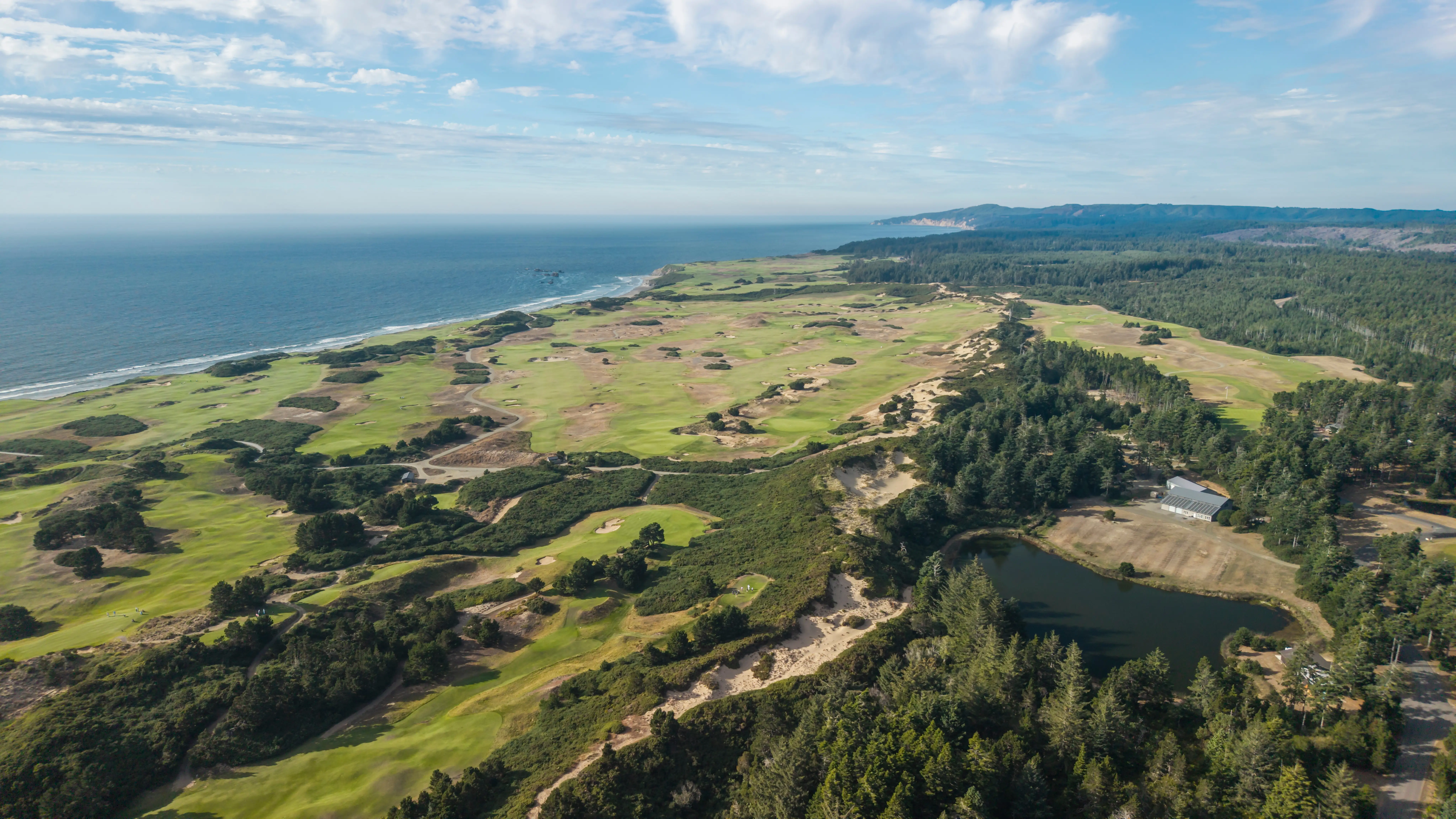
Local Expert Takeaway: If you're weighing safety as part of your Bandon decision, focus your attention on the south and southeast residential quadrants — Ocean Terrace, Glenwood Estates, and the streets above the Beach Loop viewpoint — where the combination of owner-occupied homes, low through-traffic, and distance from the commercial corridor produces the city's most consistently calm residential environment. The citywide averages are already favorable, but those specific neighborhoods sit at the low end of even those numbers. If Old Town access matters to you, buy as far south on Beach Loop Drive as your budget allows rather than going north toward the highway commercial strip.
✅ Bandon's violent crime rate is among the lowest in the country for cities its size — FBI data consistently shows fewer than five violent incidents per year in recent reporting periods, with multiple years recording zero murders.
⚠️ Property crime is the relevant category to watch, and it clusters in specific areas: the Old Town waterfront, Highway 101 commercial blocks, and beach access parking areas. Residential neighborhoods away from these corridors see very few incidents.
📍 The south and southeast sides of the city — including Ocean Terrace, Glenwood Estates, and Bandon Heights — consistently register the lowest crime density of any city quadrant, making them the strongest choices for buyers prioritizing residential safety.
Is Bandon a safe place to live?
By most available measures, yes — Bandon ranks safer than an estimated 70% of Oregon communities, with a violent crime rate that runs well below state and national averages. The city's small, tight-knit residential base and high homeownership rates create natural community awareness that supports the statistics.
What type of crime is most common in Bandon?
Petty theft and larceny are the most frequently occurring offenses, typically concentrated in tourist-heavy areas near the Old Town waterfront and beach access parking lots. Vehicle break-ins involving visible valuables left on seats make up a meaningful share of these incidents. Violent crime is genuinely rare across all parts of the city.
How does Bandon compare to Coos Bay for safety?
Bandon consistently shows lower crime rates than Coos Bay across both violent and property categories. Coos Bay's larger population, urban commercial density, and more complex socioeconomic mix produce a noticeably higher property crime rate — particularly around the downtown corridor. For households prioritizing residential safety, Bandon's numbers are more favorable even accounting for methodological differences between data sources.
Explore the full Bandon series: The Ultimate Bandon Relocation Guide · Is Bandon Safe? · Cost of Living in Bandon · Best Neighborhoods in Bandon · Bandon Schools & Family Life · Bandon Youth Sports · Bandon Parks & Recreation · Retiring in Bandon · 1031 Tax-Deferred Exchange in Bandon · Bandon First-Time Homebuyers Guide · · Moving to Bandon from California · Bandon Realtor's Perspective · Top 10 Questions a Realtor Gets About Bandon
Tell us what you need help with and we'll connect you with local resources.

About the Author
Todd Davidson is the founder of Living in Oregon and Living in Washington, where he publishes in-depth city guides, neighborhood resources, and local market insights covering more than 180 communities across the Pacific Northwest. While his background is in home financing and real estate, he created these digital platforms to help families research and compare regions before making a move.
Check Out the Oregon Coast Rankings: Oregon Coast Cost of Living — All 16 Cities Ranked · Best Places to Retire on the Oregon Coast · Best Oregon Coast Cities for Families · Best Oregon Coast Cities for Remote Workers · Oregon Coast Real Estate Market Report 2026 · Oregon Coast vs. Washington Coast