
Oregon Coast · Oregon
Cost of Living in Bandon, Oregon: Housing, Taxes, Utilities & Lifestyle (2026)
The misconception most buyers carry into Bandon is that a small coastal town in southern Oregon must be cheap. It isn't — not anymore, and not in the ways that matter most to someone planning a household budget. The median sold price sits at approximately $500,000, in a community where the median household income is $48,187. That gap is the defining financial tension of life in Bandon, and it shapes nearly everything about who can afford to live here.
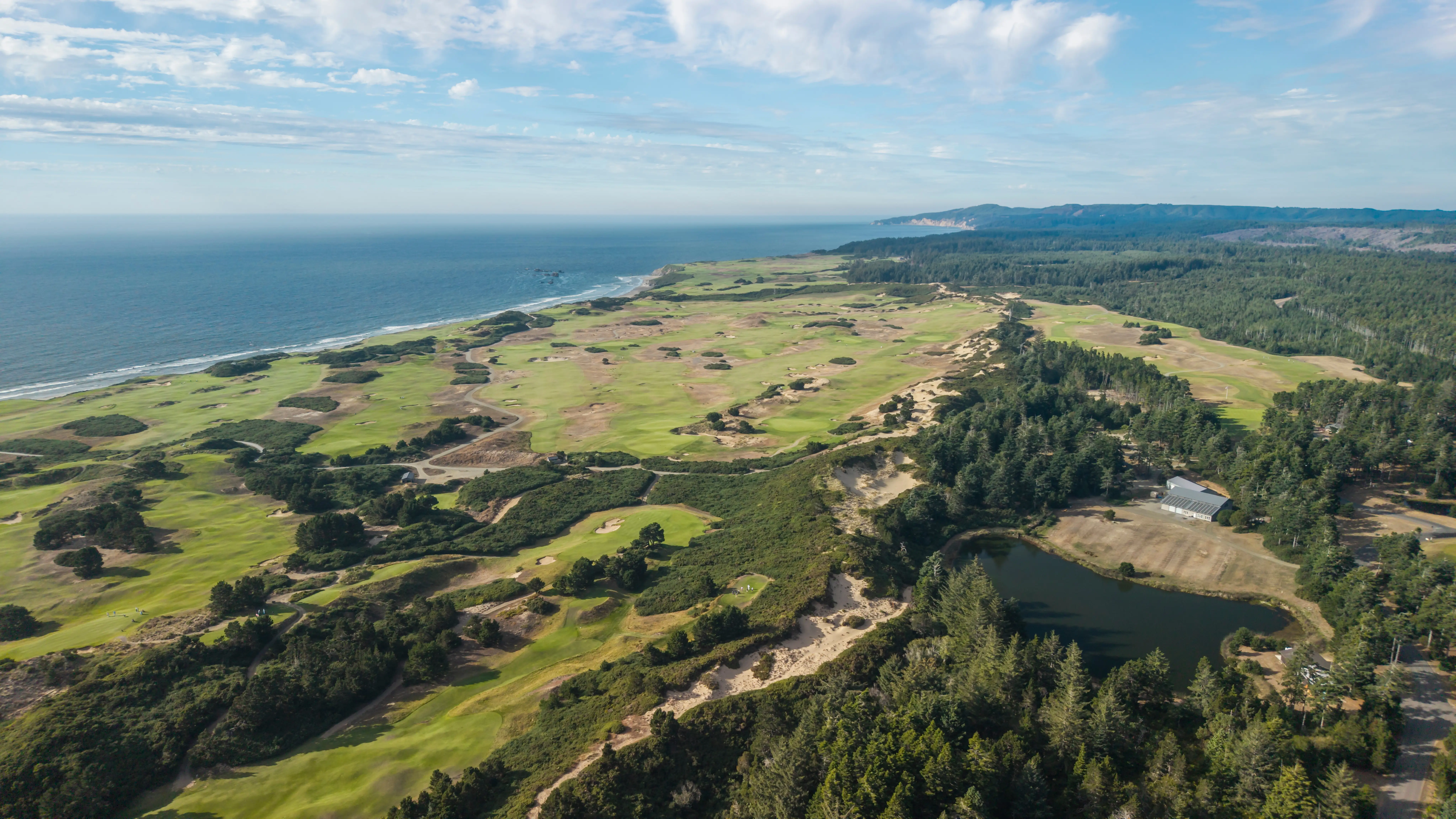
What drives Bandon's cost picture is a combination of coastal premium, limited supply, and a tourism economy that pulls housing in two directions simultaneously. Bandon Dunes Golf Resort brings affluent visitors and second-home buyers who push prices well above what local wages can comfortably support. Meanwhile, a 12.9% vacancy rate — much of it tied to seasonal and short-term rental stock — further compresses the inventory available to full-time residents.
This guide breaks down exactly what it costs to buy, rent, and live in Bandon in 2026: from property taxes and utility bills to how the local budget stacks up against neighboring Coos Bay, Port Orford, and the broader southern Oregon Coast.

The median sold price in Bandon runs approximately $500,000 — confirmed across multiple recent data points including Redfin's February 2026 figures and Census ACS estimates sitting just above $503,000. At $349 per square foot on recent sales, Bandon is not a discount coastal market. What that price buys varies significantly: in Old Town and Beach Loop, $500,000 gets you a well-maintained older home or a modest view property; in newer subdivisions like Ocean Terrace or Glenwood Estates, the same budget stretches toward larger footprints but still competes with second-home cash buyers.
The market tempo in Bandon is genuinely split. The Redfin Compete Score sits at 24 out of 100, meaning the market is not hot by any stretch — and homes that are priced optimistically can linger 90 to 127 days before going pending. But well-priced properties in desirable coastal positions move fast, sometimes within 18 days and close to list price. Buyers who assume they have negotiating leverage on every home are often wrong on the ones they actually want.
List prices on current inventory are running noticeably higher than recent sold prices, with median asking prices approaching $650,000 on some aggregators. The gap between list and sold — typically around 4% below asking — is important context for buyers writing their first offer.
| Budget Range | What You're Likely to Find |
|---|---|
| Under $350,000 | Manufactured homes, fixer-uppers, older construction on smaller lots |
| $350,000–$475,000 | Modest single-family homes, some dated interiors, inland or edge-of-town locations |
| $475,000–$600,000 | Updated single-family homes, entry-level beach-area access, median market range |
| $600,000–$800,000 | Newer construction, larger square footage, ocean-view or beachfront-adjacent lots |
| $800,000+ | Oceanfront, resort-adjacent, or custom builds; waterfront median listing ≈ $620,000 |
Coos County's effective property tax rate is approximately 0.68%, meaningfully below Oregon's statewide effective rate of around 0.87%. On a $500,000 home, that translates to roughly $3,400 per year at full market value assessment — though many long-term owners pay considerably less because Oregon's Measure 50 caps annual assessed value increases at 3%, meaning assessed value often runs well below market value. Buyers purchasing at today's prices should budget toward the higher end of that range, as their assessed value will be reset closer to the purchase price at time of sale.

The gap this guide points to — a $500,000 median sold price against a $48,187 median household income — is the single most important number I go over with buyers moving to Bandon, especially ones coming from outside the area who assume a small coastal town means small prices. It doesn't, and the tourism economy around Bandon Dunes is a big part of why.
On the tax side, Coos County's 0.68% effective rate and Oregon's Measure 50 cap are genuinely good news for long-term owners, and it's worth understanding before you write an offer, not after closing. If you're working through what buying in Bandon will actually cost you month to month, I'd welcome the opportunity to run the real numbers with you against your specific budget, not just the market averages.
Bandon's rental market is thin. The community has roughly 1,831 occupied housing units, and about 36% of those are rentals — but a meaningful portion of that stock cycles through short-term and vacation use, especially in the summer months when Bandon Dunes Golf Resort draws a steady flow of visitors. Year-round rental inventory is genuinely limited, and renters here face a rent-to-income ratio estimated at 45%, well above the conventional 30% guideline.
| Unit Type | Estimated Monthly Rent |
|---|---|
| Studio / 1-bed apartment | $950–$1,250 |
| 2-bedroom apartment or duplex | $1,200–$1,600 |
| 3-bedroom single-family rental | $1,600–$2,100 |
| Vacation/short-term rental (peak season) | $200–$400/night |
Utilities in Bandon run modestly by Oregon standards. Pacific Power serves electricity for most of the city, with average monthly bills for a single-family home typically falling in the $90–$140 range depending on season and heating source. Natural gas service is limited in Bandon — many homes use propane or electric heat, which can push winter heating costs higher than comparable inland cities. Water and sewer services are provided by the City of Bandon, adding roughly $60–$100 per month depending on household size.
Transportation is the expense that surprises many new arrivals. Bandon is a car-dependent city — full stop. There is no meaningful public transit system, and the surrounding geography makes biking or walking impractical for most errands. The average Bandon household owns roughly one car, but most families with two working adults need two. The nearest significant commercial corridors are in Coos Bay and North Bend, roughly 25 miles north on US-101, which means most residents make that drive regularly for big-box retail, medical specialists, and grocery variety. Gas prices along the Oregon Coast typically run $0.20–$0.40 per gallon above the state average, and fuel costs add up quickly for households making the Coos Bay run multiple times per month.
Groceries and dining in Bandon center on a small but functional local core. Ray's Food Place on Michigan Avenue NE is the primary full-service grocery store in town, and it handles most household staples competently. For Costco, Walmart, or expanded grocery selection, residents head to Coos Bay. Dining in Old Town runs toward casual seafood and local staples, with a handful of well-regarded restaurants in the $15–$35 per-person range for dinner. Coffee, bakeries, and daytime dining options are reasonably represented for a town of 3,300. The cost of a moderate dinner out for two typically lands in the $60–$90 range before tip.
Healthcare costs are a practical consideration. Southern Coos Hospital and Health Center handles primary and emergency care locally, but specialist care, elective procedures, and anything requiring hospital-level imaging typically means traveling to Coos Bay or Eugene. For retirees and older residents — who make up over 36% of Bandon's population — this is a meaningful budget and lifestyle factor worth quantifying before committing to the move.

💰 Oregon Coast Cost of Living Rankings
Wondering how Bandon stacks up against other Oregon Coast cities on cost? Our complete rankings guide covers every coast city — home prices, monthly costs, rent, and overall affordability side by side.
See the Full Oregon Coast Cost of Living Rankings →Looking to buy in Bandon? Estimate your payment.
Enter your numbers to see an estimated monthly mortgage payment.
Estimate only. Excludes HOA fees and mortgage insurance.
| City | Med. Home Price | Property Tax Rate | Cost of Living vs. U.S. | Sales Tax | Key Trade-off |
|---|---|---|---|---|---|
| Bandon | $500,000 | 0.68% | ~1–15% above U.S. avg | None | Coastal premium, limited local income |
| Coos Bay | ~$280,000 | ~0.90% | Near U.S. average | None | More services, less scenic |
| North Bend | ~$275,000 | ~0.90% | Near U.S. average | None | Industrial base, more rentals |
| Port Orford | ~$350,000 | ~0.75% | Slightly below U.S. avg | None | More isolated, smaller amenity base |
| Myrtle Point | ~$220,000 | ~0.80% | Below U.S. average | None | Inland, limited coastal access |
| Coquille | ~$210,000 | ~0.80% | Below U.S. average | None | Rural, county seat services |
| Langlois | ~$290,000 | ~0.70% | Below U.S. average | None | Very small, minimal services |
This table reflects a household purchasing at the $500,000 median with 10% down ($50,000), financing $450,000 over 30 years at approximately 6.8% interest.
| Expense Category | Monthly Estimate |
|---|---|
| Mortgage (P&I, $450K at 6.8%) | $2,945 |
| Property taxes (0.68% on $500K) | $283 |
| Homeowner's insurance | $130–$180 |
| Electricity + propane/heating | $110–$160 |
| Water/sewer/garbage | $80–$110 |
| Internet (fiber/cable, providers vary) | $60–$100 |
| Groceries (2-person household) | $500–$650 |
| Transportation (2 vehicles, fuel, maintenance) | $600–$800 |
| Dining out + entertainment | $300–$500 |
| Healthcare (premiums + out-of-pocket avg) | $400–$600 |
| Personal spending / misc | $300–$500 |
| Total Estimated Monthly | $5,708–$6,748 |
Oregon's tax structure offers meaningful advantages that buyers relocating from California, Washington, or the Midwest should understand clearly. Oregon has no state sales tax — not at the state level, not at the local level — which makes every retail purchase, restaurant meal, and home improvement project cost less than it would in most states. On a $50,000 annual spending budget, that's a tangible saving.
The other side of that equation is Oregon's income tax, which tops out at 9.9% on income above $125,000 for single filers. For households earning in the $48,000–$80,000 range, the effective rate lands between 7% and 9%, which is meaningfully higher than states like Washington (no income tax) or Nevada. Remote workers earning out-of-state salaries need to factor Oregon income tax into their relocation math. The state does offer a senior property tax deferral program for homeowners 62 and older who meet income eligibility thresholds — a program that many Bandon retirees use to manage property tax exposure on appreciated homes. Oregon also has no estate tax on estates under $1 million, which matters for older buyers with significant assets.
The net effect for most buyers: no sales tax partially offsets the income tax burden, and the relatively low property tax rate of 0.68% keeps annual carrying costs below what buyers from California or New England typically expect. Bandon's overall tax picture is not the cheapest in the region, but it is competitive with most West Coast alternatives.
Local Expert Takeaway: The biggest financial mistake buyers make in Bandon is building their budget around the $500,000 median without accounting for the full carrying cost picture — propane heating, the Coos Bay grocery run adding $150–$200 per month in fuel, and healthcare access costs for anyone over 60 who needs specialist care. If your household income is below $80,000 and you're financing the full purchase, run the complete monthly budget before committing. For remote workers and equity-rich buyers from California, Bandon's 0.68% property tax rate and zero sales tax make the total cost of ownership genuinely competitive with coastal markets to the south.
💰 Oregon Coast Cost of Living Rankings
Wondering how Bandon stacks up against other Oregon Coast cities on cost? Our complete rankings guide covers every coast city — home prices, monthly costs, rent, and overall affordability side by side.
See the Full Oregon Coast Cost of Living Rankings →Is Bandon affordable compared to other Oregon Coast towns?
Bandon carries one of the higher coastal premiums on the southern Oregon Coast, with a $500,000 median sold price compared to roughly $275,000–$280,000 in nearby Coos Bay and North Bend. That premium reflects the golf resort economy, scenic beach access, and Old Town character — but it means buyers choosing Bandon over its neighbors are paying a real cost for the lifestyle difference.
What are the ongoing monthly costs of owning a home in Bandon?
A household purchasing at $500,000 with 10% down should budget approximately $5,700–$6,700 per month when accounting for mortgage, property taxes, insurance, utilities, groceries, transportation, and healthcare. Transportation costs — particularly the regular Coos Bay drive for services and big-box retail — are consistently underestimated in initial budget planning.
Does Oregon's tax structure help offset Bandon's housing costs?
Oregon's lack of a sales tax reduces the effective cost of daily spending compared to most states, and Bandon's 0.68% property tax rate is below both the Oregon state average and national median. For households earning above $125,000, Oregon's 9.9% top income tax rate is the biggest tax-side negative. On balance, Oregon's tax picture is competitive for buyers coming from California or northeastern states with combined state and local tax burdens above Oregon's.
Explore the full Bandon series: The Ultimate Bandon Relocation Guide · Is Bandon Safe? · Cost of Living in Bandon · Best Neighborhoods in Bandon · Bandon Schools & Family Life · Bandon Youth Sports · Bandon Parks & Recreation · Retiring in Bandon · 1031 Tax-Deferred Exchange in Bandon · Bandon First-Time Homebuyers Guide · · Moving to Bandon from California · Bandon Realtor's Perspective · Top 10 Questions a Realtor Gets About Bandon
Tell us what you need help with and we'll connect you with local resources.

About the Author
Todd Davidson is the founder of Living in Oregon and Living in Washington, where he publishes in-depth city guides, neighborhood resources, and local market insights covering more than 180 communities across the Pacific Northwest. While his background is in home financing and real estate, he created these digital platforms to help families research and compare regions before making a move.