
Southern Oregon · Oregon
1031 Exchange & Investment Real Estate in Jacksonville (2026)
Not every 1031 buyer is a seasoned real estate investor rolling equity from a commercial portfolio. Many are California homeowners — people who bought in the Bay Area in 2012, watched their equity compound for a decade, and finally sold. Now they're sitting on $800,000 to $1.4 million in proceeds, staring down a capital gains bill that could easily clear $200,000, and looking for somewhere to deploy that capital without handing a third of it to the IRS. Jacksonville, Oregon keeps showing up in those conversations — and for good reason. A federally designated National Historic District with one of Southern Oregon's most durable tourism economies, Jacksonville offers something increasingly rare in Pacific Northwest investment markets: a genuine lifestyle premium that keeps rents firm and vacancy low even when the broader market softens.
The rental demand here is more layered than most small-town markets. Jacksonville's draw — the Britt Music & Arts Festival, the Peter Britt Gardens, the Historic District's wine-tasting rooms and boutiques — creates a year-round stream of short-term rental demand that most landlords in comparable Oregon markets simply don't have access to. At the same time, the town's position 10 minutes from Medford's employment base anchors a solid long-term tenant pool: healthcare workers at Asante and Providence, food manufacturing employees at Amy's Kitchen and Harry & David, and the growing wave of remote workers who moved to Southern Oregon for quality of life and stayed. The property types that trade as investment vehicles here skew heavily toward single-family homes and the occasional historic commercial conversion — true multifamily is scarce, which matters a great deal if you're working a 45-day identification window.
This guide covers 1031 mechanics, Jacksonville's actual investment property market, realistic cap rates by property type, Oregon's tax treatment of rental income, and the property management realities that out-of-state owners consistently underestimate. If you're deciding whether Jacksonville makes sense as a replacement property target — or comparing it against other Southern Oregon markets — this is the data and context you need.

The core mechanics are straightforward, but the timelines are unforgiving. Once your relinquished property closes, the clock starts immediately — you have 45 calendar days to identify potential replacement properties in writing, and 180 calendar days from that same closing date to complete the acquisition. These deadlines run concurrently, not sequentially, and neither the IRS nor your qualified intermediary can grant extensions outside of federally declared disasters. The identification must be submitted to your QI before midnight on day 45, naming up to three properties under the standard three-property rule (or more properties under the 200% rule if their combined value doesn't exceed twice the relinquished property's value).
A qualified intermediary isn't optional — it's structural. You cannot touch the proceeds between transactions. If funds are deposited into your personal account for even a moment, the exchange is disqualified and the full gain becomes taxable in that year. The QI holds the funds in a segregated escrow-type account and releases them directly to the closing of your replacement property. The like-kind requirement is more permissive than most people realize: all real property qualifies for exchange against all other real property in the United States, meaning you can sell a California apartment building and buy a historic commercial space in Jacksonville, or sell a single-family rental and buy a duplex, without triggering the like-kind disqualification.
The boot trap is where investors get hurt. If your replacement property costs less than your relinquished property, or if you walk away from closing with any cash, that difference — called "boot" — is taxable. The same applies to debt: if your replacement property carries less mortgage debt than your relinquished property, the difference in debt relief is treated as boot. The solution is straightforward — replace at equal or greater value, take on equal or greater debt (or pay cash), and take nothing out at closing.
Jacksonville's investment market is defined by scarcity and specificity. Total active listings hover around 25 to 30 properties at any given time, and the properties that trade as rentals represent an even smaller subset of that inventory. Single-family homes dominate — the townscape is almost entirely SFR stock built between the 1850s and 1880s, with a modest layer of 20th-century infill. True multifamily — duplexes, triplexes, small apartment buildings — is exceptionally rare within city limits. Investors who need to identify a replacement property quickly are better served beginning the search before they close on their relinquished property, not after.
As of mid-2026, the median list price in Jacksonville sits at $700,000, with typical sold prices running in the $595,000 to $700,000 range depending on condition, location within the Historic District, and whether the property carries any existing short-term rental track record. Homes are averaging roughly 82 days on market for standard sales, though well-positioned properties with rental income history — particularly those close to the Britt Festival grounds on the east side of town — can go pending in under three weeks. The market is thin enough that one or two motivated sellers can shift the monthly median by $50,000 in either direction.
| Property Type | Typical Price Range | Est. Cap Rate | Avg Days to Close |
|---|---|---|---|
| Historic SFR (long-term rental) | $550,000–$750,000 | 3.0%–4.5% | 45–60 days |
| Historic SFR (short-term rental) | $600,000–$850,000 | 5.0%–8.0% (seasonal) | 45–60 days |
| Duplex / Small Multifamily | $650,000–$900,000 | 4.5%–6.0% | 50–65 days |
| Historic Commercial / Mixed-Use | $700,000–$1.4M+ | 4.0%–5.5% | 60–90 days |
Short-term rental properties in the Historic District and near Britt Hill move fastest — buyers recognize the tourism premium and compete accordingly. Commercial mixed-use properties, by contrast, tend to sit longer due to the complexity of financing, zoning review, and the narrower buyer pool. For 1031 buyers on a clock, SFR and duplex are the categories where a clean offer with a competent local agent can close within the 180-day window without heroics.
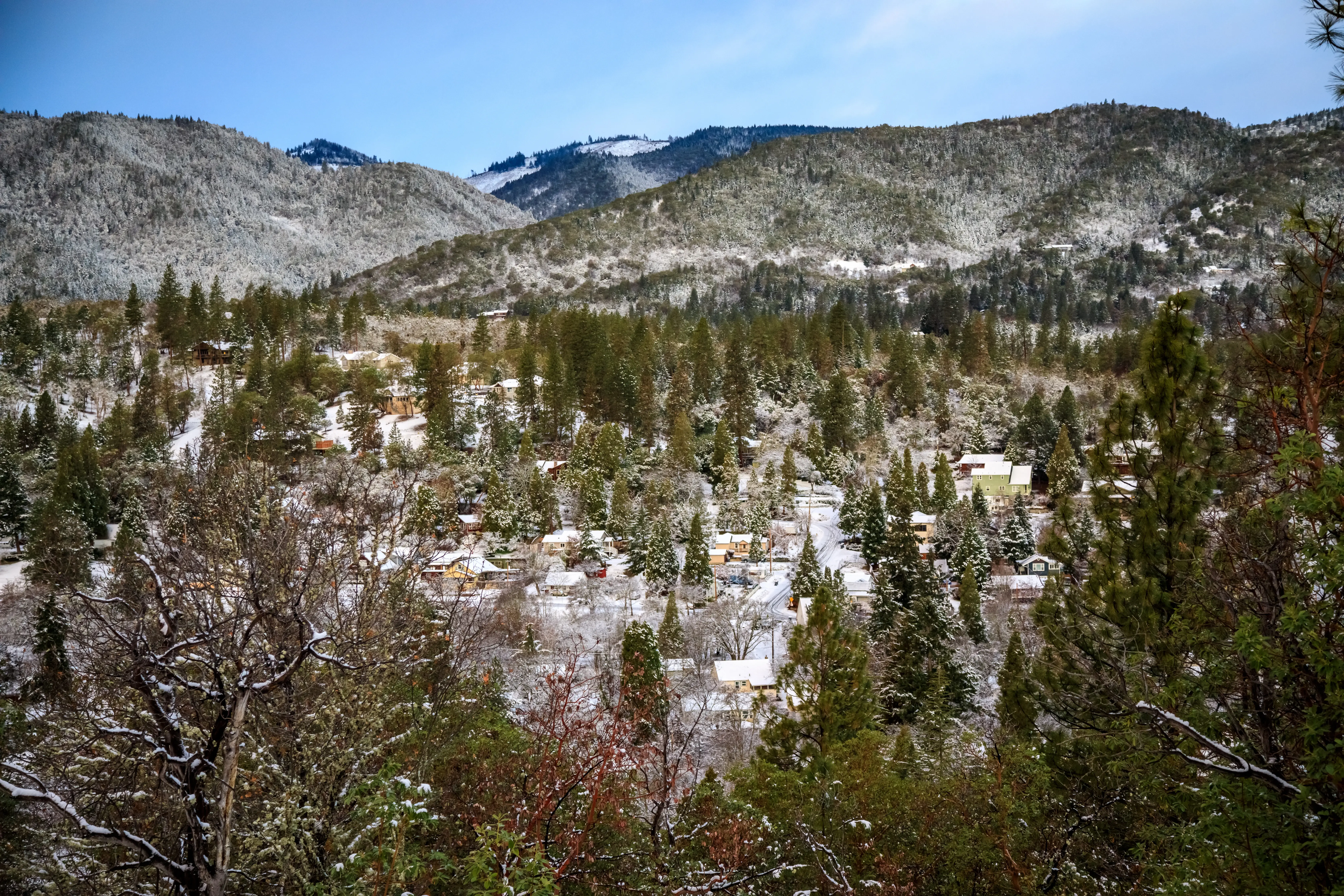
The math is the starting point, but it's the lifestyle anchor that keeps California capital here. Jacksonville isn't just cheaper — it's a different relationship between price, quality, and return. In most California coastal markets, investors have been cash-flow negative for years, surviving on appreciation alone. Jacksonville offers a reset: lower basis, durable rental demand, and an asset class (historic tourism property) that doesn't exist in most suburban California markets.
A Bay Area homeowner who purchased in 2013 and sold in 2024 or 2025 could be sitting on $900,000 to $1.4 million in equity. At Jacksonville's $700,000 median, that investor can acquire a primary replacement property outright, potentially debt-free, and still have proceeds to identify a second property under the three-property rule. The appeal isn't just the lower price — it's the ability to move from leveraged, low-yield Bay Area rentals into an owned asset with no debt service and a short-term rental income stream tied to the Britt Festival's summer season.
Los Angeles and San Diego investors arriving with proceeds from a multifamily sale or a high-appreciation SFR find Jacksonville's historic commercial and mixed-use inventory particularly compelling. A California investor accustomed to cap rates of 3.5% or below in LA County can find assets in the 4.5% to 5.5% range in Jacksonville's commercial core — not dramatically higher, but combined with Oregon's property tax rate of approximately 0.92%, the all-in carrying cost on a Southern California-priced asset purchased here drops meaningfully.
Sacramento and Inland Empire sellers often have smaller relinquished property values — $500,000 to $800,000 in proceeds — and Jacksonville's price range fits cleanly. This investor profile tends to target long-term residential rentals rather than STR plays, and the West Main corridor and South Jacksonville residential areas offer the most accessible entry points. The Medford employment base — Asante, Providence, Lithia Motors, Amy's Kitchen — provides a reliable tenant pool for buy-and-hold investors who want stable cash flow without the operational complexity of short-term rentals.
Looking to buy in Jacksonville? Estimate your payment.
Enter your numbers to see an estimated monthly mortgage payment.
Estimate only. Excludes HOA fees and mortgage insurance.
Oregon's tax environment for real estate investors is a genuine mixed bag — one significant structural advantage, one meaningful cost, and a property tax rate that compares favorably to what California buyers are used to paying on newly acquired assets.
| Tax Item | California | Oregon |
|---|---|---|
| State income tax on rental income | Up to 13.3% | Up to 9.9% |
| Property tax rate (new purchase) | ~1.1%–1.2% (Prop 13 reset) | ~0.92% (Jackson County) |
| State sales tax | 7.25%–10.75% | 0% |
| Capital gains treatment | Taxed as ordinary income | Taxed as ordinary income |
| Depreciation (1031 carryover) | Carried over, not stepped up | Carried over, not stepped up |
The no-sales-tax benefit is concrete and immediate for investors doing a rental rehab. Materials, appliances, furnishings, contractor supplies — all purchased tax-free in Oregon. On a $60,000 renovation budget, that's $4,000 to $6,000 that simply doesn't leave your account. Oregon's income tax on rental income runs up to 9.9%, but leveraged properties with active depreciation schedules often produce little or no net taxable income in the early years of ownership — the 27.5-year depreciation schedule on residential property offsets a substantial portion of gross rental receipts.
Depreciation basis carries over in a 1031 exchange rather than stepping up to the new acquisition price. That's a nuance worth understanding before you close: you're inheriting the depreciation schedule of your original asset, not starting fresh. For investors considering a completely passive alternative, a Delaware Statutory Trust allows you to exchange into a fractional interest in an institutional-grade property — no management, no tenants, no toilets — while satisfying the 1031 requirements. DSTs aren't appropriate for every investor profile, but for a California retiree who wants to defer the gain without taking on landlord responsibilities, they're worth a conversation with your QI.
Oregon's landlord-tenant law is among the more tenant-protective frameworks in the country, and Jacksonville owners — particularly out-of-state owners — need to understand what that means before they close. No-cause evictions are restricted under Oregon law: after the first year of tenancy, landlords must have a qualifying cause to terminate a month-to-month lease in most situations, and notice requirements are longer than California equivalents. Rent increase caps under Oregon's statewide rent control law (currently 10% annually for 2025, adjusted yearly based on CPI) apply to units more than 15 years old, which covers nearly all rental stock in Jacksonville's Historic District.
Local property management options in the Jacksonville–Medford corridor include firms operating out of Medford that serve the greater Jackson County market — Berkshire Hathaway HomeServices Real Estate Professionals and J&L Moore Property Management are among the established names covering this corridor. Typical management fees run 8% to 10% of gross monthly rent, with leasing fees of 50% to 100% of one month's rent for placing a new tenant. For a $2,200/month rental, annual management costs add up to roughly $2,100 to $2,600 — a real carrying cost that out-of-state investors consistently fail to model accurately when calculating projected returns.
Vacancy is the variable most investors get wrong in Jacksonville's favor. The combination of Historic District tourism, Britt Festival summer demand, and the tight Medford rental market keeps vacancy rates low relative to Oregon as a whole. Well-maintained properties in the California Street and Historic District areas often achieve full occupancy with minimal marketing time. The challenge is not finding tenants — it's managing the relationship compliantly from 700 miles away, which is precisely why a vetted local property manager matters more here than in a larger, more transactional market.
| Item | What to Verify | Local Resource |
|---|---|---|
| Title search | Clear title, no liens, no historic easements | Jackson County title companies |
| Sewer vs. septic | City sewer connection or septic permit status | City of Jacksonville Public Works |
| Radon testing | Oregon has elevated radon zones; test before closing | Oregon Health Authority radon map |
| Flood zone status | FEMA flood map; insurance implications | FEMA Flood Map Service Center |
| Rental permit requirements | Jacksonville historic district may require STR permit | City of Jacksonville Planning Dept. |
| HOA / CC&R restrictions | Any HOA restrictions on rental activity or STR | Title report / HOA documents |
| ADU / zoning potential | Zoning for accessory dwelling unit to increase income | Jackson County Planning |
| Historic District overlay | Renovation restrictions under National Register designation | State Historic Preservation Office |
| School district confirmation | Medford School District; affects tenant pool quality | Medford School District |
| Current lease status | Tenant in place? Lease terms? Oregon notice requirements | Property manager or attorney |
| Deferred maintenance inspection | Period construction: foundation, roof, plumbing, wiring | Local inspector familiar with historic homes |
| Septic/sewer inspection | Separate from title — physical inspection of system | Licensed Oregon inspector |
| Property management referral | Have manager lined up before closing, not after | Medford-area PM firms |
| Title company recommendation | Use a Jackson County title company familiar with historic properties | Ask your local agent |

Local Expert Takeaway: The single most common mistake California 1031 buyers make in Jacksonville is sizing their replacement property target to match California rental income expectations. A restored historic SFR on the east side of California Street is not a $3,500/month rental — Jacksonville rents in the $1,800 to $2,500 range for long-term tenants. If your 1031 math only works at California rent levels, revisit the STR model for festival-season income, or consider identifying a second lower-cost property in the Medford corridor to balance the portfolio. The buyers who thrive here are the ones who bought the Jacksonville asset for appreciation and lifestyle premium, not because the cap rate competed with Phoenix multifamily.
If you're approaching the end of your 45-day identification window and haven't locked in a Jacksonville property yet, the most valuable thing you can do right now is get pre-approved for investment financing — not because you need the money, but because a pre-approval letter makes your offer credible in a thin market where sellers have options. DSCR loans are worth a serious look: they qualify based on the property's rental income rather than your personal debt-to-income ratio, which keeps a large investment property purchase completely off your personal balance sheet. Todd can connect you with lenders who work the Southern Oregon market regularly and understand the 180-day window pressure that 1031 buyers are operating under.
✅ Jacksonville's Historic District creates genuine STR demand — the Britt Festival and year-round tourism anchor short-term rental income that most small Oregon markets can't replicate, making festival-area properties a legitimate 5%–8% cap rate play in season.
⚠️ Inventory is the real risk for 1031 buyers — with 25 to 30 active listings on a good month, Jacksonville buyers on a 45-day clock need to begin their search before their relinquished property closes, not after. Missing the identification deadline because you couldn't find a qualifying property is a real outcome here.
📍 Long-term cap rates are appreciation plays, not cash-flow plays — at the $700,000 median price and $1,800 to $2,500 in long-term monthly rents, Jacksonville SFRs pencil at 3% to 4.5% cap rates. Investors who need cash flow from day one should look at the Medford market or model a mixed-use STR/LTR strategy.
What is the cap rate on rental property in Jacksonville, Oregon?
Long-term residential rentals in Jacksonville typically run 3.0% to 4.5% at current price levels — a compressed yield that reflects the Historic District premium and the appreciation expectations built into that price point. Short-term rentals near the Britt Festival grounds can reach 5% to 8% during peak season, though those figures are highly seasonal and depend on active management. Investors treating Jacksonville as a pure cash-flow play will be disappointed; those treating it as an appreciation and STR income hybrid have a more defensible thesis.
Can I do a 1031 exchange into a duplex or small multifamily in Jacksonville?
Yes — any real property qualifies as like-kind replacement property under 1031 rules, including duplexes and small multifamily. The practical challenge in Jacksonville is finding one. True multifamily is rare within city limits; the housing stock is overwhelmingly single-family. Duplexes and small multifamily properties in the Jacksonville–Medford corridor do come to market, but they move quickly and are rarely listed publicly before a buyer with a local agent connection makes an offer. Start looking before your 45-day clock starts.
What is DSCR lending and can I use it for a 1031 replacement property?
A DSCR (Debt Service Coverage Ratio) loan qualifies based on whether the property's rental income covers the mortgage payment — typically at a 1.0x to 1.25x ratio — rather than your personal income or DTI. For 1031 buyers who are retired, self-employed, or carrying existing investment debt, DSCR lending keeps the Jacksonville acquisition entirely separate from personal finances. It's a clean, fast-closing product that works well within the 180-day 1031 window, and several lenders active in the Southern Oregon market offer it specifically for investment property acquisitions.
Explore the full Jacksonville series: The Ultimate Jacksonville Relocation Guide · Is Jacksonville Safe? · Cost of Living in Jacksonville · Best Neighborhoods in Jacksonville · Jacksonville Schools & Family Life · Jacksonville Youth Sports · Jacksonville Parks & Recreation · Retiring in Jacksonville · 1031 Tax-Deferred Exchange in Jacksonville · Jacksonville First-Time Homebuyers Guide · · Moving to Jacksonville from California
Tell us what you need help with and we'll connect you with local resources.

About the Author
Todd Davidson is the founder of Living in Oregon and Living in Washington, where he publishes in-depth city guides, neighborhood resources, and local market insights covering more than 180 communities across the Pacific Northwest. While his background is in home financing and real estate, he created these digital platforms to help families research and compare regions before making a move.