
Southern Oregon · Oregon
Cost of Living in Grants Pass: Housing, Taxes, Utilities & Lifestyle (2026)
If you've been told that Grants Pass is one of Oregon's most affordable cities, that's true — with important context. The median home price of $405,464 puts it well below Portland, Bend, and even Medford, but the local income picture tells a more complicated story. With a median household income of $59,646 — roughly three-quarters of the Oregon state median — the affordability ratio here isn't as comfortable as the sticker price alone suggests.
What shapes the cost picture in Grants Pass is the combination of Southern Oregon's relatively low property taxes, Oregon's complete absence of a sales tax, and a job market that skews toward healthcare, retail, and manufacturing rather than high-wage tech or finance. The city sits in Josephine County, where the tax base has historically been lean, and that reality shows up in both public services and housing demand. The cost of daily life is genuinely lower here than in most Oregon metros — but it's not a financial free ride.
This guide breaks down exactly what you'll spend on housing, rent, utilities, transportation, and lifestyle in Grants Pass, and puts those numbers next to what you'd pay in Medford, Ashland, and other Southern Oregon neighbors. Whether you're moving from California, remote-working and downsizing, or retiring on a fixed income, these numbers will help you decide if Grants Pass actually pencils out for your household.
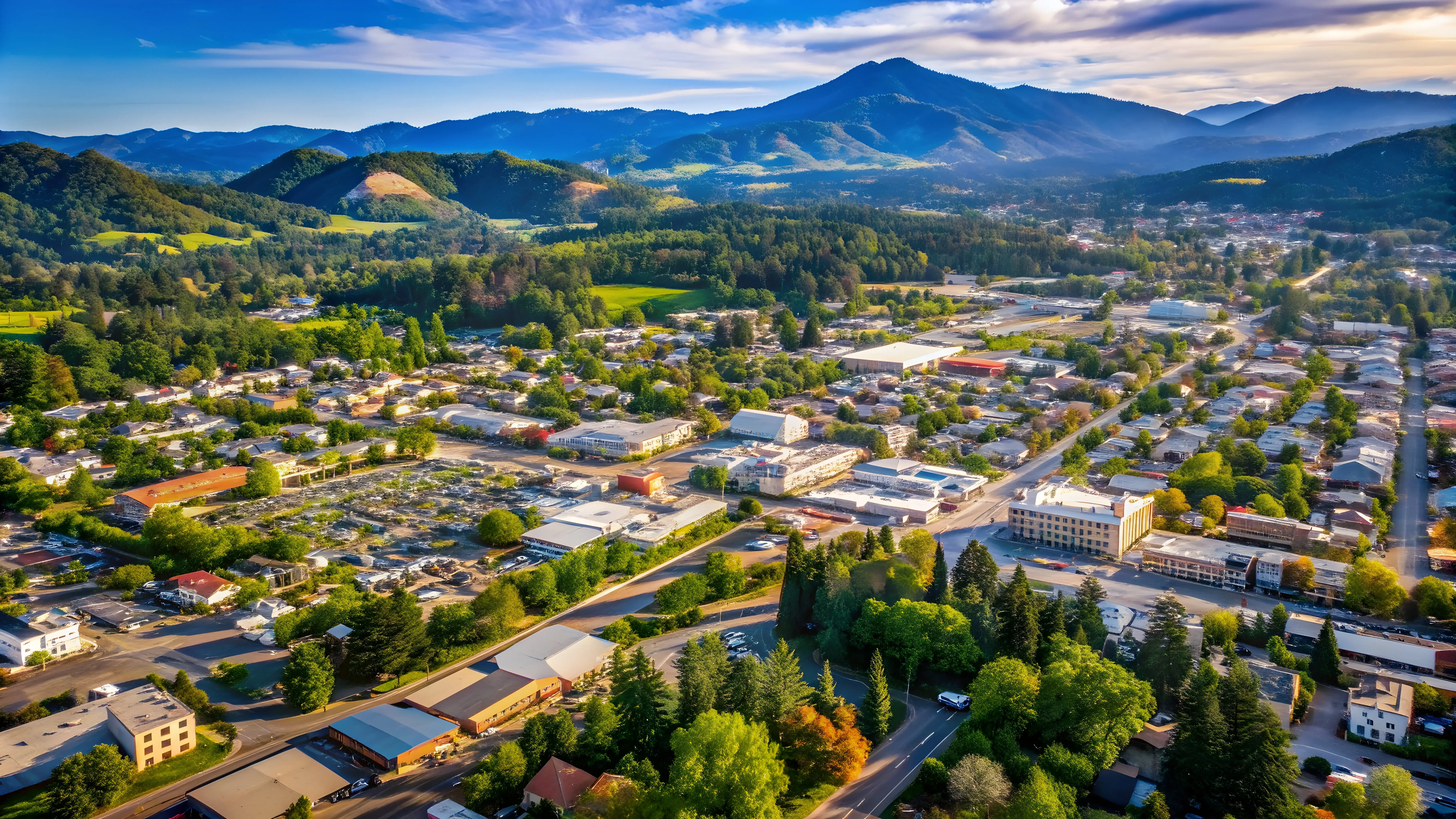
The median home value in Grants Pass sits at approximately $405,464 as of early 2026 — a figure that reflects the broader Zillow index for the area. Actual sold prices in the city core tracked closer to $360,000 through much of 2025, while newer construction and premium neighborhoods like Redwood and Pleasant Valley push well above that figure. What does $405,000 buy you here? In most parts of town, it's a three-bedroom, two-bath single-family home — often built in the 1980s or early 1990s — on a standard lot with a two-car garage and some yard space. That's a genuinely livable home, not a starter compromise.
The market moved at a measured pace through 2025, with homes taking roughly 72 to 130 days to sell, up significantly from prior years. Nearly 60% of homes sold below asking price, which means buyers who do their homework have real negotiating room. Redfin rates the market at 62 out of 100 for competitiveness — active enough that good homes move, slow enough that panic-bidding is rare. Condos represent a smaller slice of inventory, generally priced between $215,000 and $324,500, while river-access properties along the Rogue River Highway in Fruitdale can push toward $900,000 or more.
Budget by price range — what your money buys in Grants Pass:
| Budget Range | What to Expect |
|---|---|
| Under $300,000 | Condos, older townhomes, fixer-uppers in the city core or Gilbert Creek area |
| $300,000–$400,000 | Solid 3BR/2BA homes, built 1970s–1990s; Fruitdale, directional quadrants |
| $400,000–$500,000 | Updated single-family homes; Meadow Wood, Lincoln Park, Redwood entry-level |
| $500,000–$600,000 | Newer construction, larger lots, Pleasant Valley and upper Redwood |
| $600,000+ | Premium rural parcels, river access, custom builds, acreage properties |
Josephine County's effective property tax rate on residential property runs approximately 0.56% — one of the lower rates in Oregon. On the median-priced home, that works out to roughly $2,271 per year, or about $189 per month. Oregon's Measure 50, passed in 1997, caps how quickly assessed values can rise, which means long-term homeowners often pay taxes on an assessed value well below what their home would sell for today — a meaningful protection against the kind of runaway tax bills common in fast-appreciating markets.
The rental market in Grants Pass is relatively tight by square-footage-per-dollar standards, partly because the city's 71.7% homeownership rate means landlord inventory stays limited. Renter households earn a median of around $45,000 annually, which puts pressure on affordability at the upper end of the local rental range. The market skews toward single-family rentals and older apartment stock — purpose-built luxury rental buildings are essentially absent here.
| Unit Type | Avg Monthly Rent (2026) |
|---|---|
| Studio / 1BR apartment | $950–$1,150 |
| 2BR apartment | $1,200–$1,500 |
| 3BR apartment | $1,500–$1,800 |
| 3BR single-family home | $1,700–$2,100 |
| 4BR+ single-family home | $2,000–$2,500 |
Renters looking for walkability to downtown services and the farmers market on G Street will find the most inventory in the core city neighborhoods, though units turn over slowly. Fruitdale and North Valley offer more space for comparable rent, but require a car for everything. One practical note: the gap between what renters earn here and what it costs to rent a decent three-bedroom is real, and many households in Grants Pass address this through roommates, multigenerational living, or targeting the lower end of the single-family rental market.
Monthly utilities in Grants Pass run on the moderate side of Pacific Northwest norms. Pacific Power serves most of the city for electricity, and Avista Utilities covers natural gas. A typical month for a 1,500–2,000 square foot home — electricity, gas, water, sewer, and trash — runs in the range of $200–$280. Summers in the Rogue Valley are genuinely hot, with temperatures regularly hitting the high 90s from June through August, which means air conditioning adds meaningfully to summer electric bills compared to coastal Oregon cities.
Grants Pass is a car-dependent city. Rogue Valley Transportation District (RVTD) operates some local bus service, and about 9% of the workforce works remotely — among the higher rates nationally — but the vast majority of residents drive for every errand, grocery run, and appointment. The commute to Medford runs about 35 minutes via I-5, which is manageable but adds up over a five-day workweek. Local commutes within the city itself average under 20 minutes, and traffic chokepoints are mild compared to any Oregon metro — the intersection of Redwood Highway and Grants Pass Parkway during evening rush is about as bad as it gets locally.
Grocery and daily expenses are accessible and competitive. Grocery Outlet on Redwood Avenue is the go-to for budget-conscious households. Safeway and WinCo Foods serve the city's core shopping corridors, and the Saturday Growers Market downtown runs spring through fall along G Street. Dining is affordable by Oregon standards — a sit-down dinner for two at one of the downtown restaurants along SW 6th or G Street typically runs $40–$65 without alcohol. Gas prices generally track 10–20 cents above the Oregon average given the inland Southern Oregon location.
Telecom and internet options include Charter Spectrum for cable internet and Ziply Fiber in expanding coverage areas, with typical monthly costs running $65–$110 depending on speed tier and bundling.

Looking to buy in Grants Pass? Estimate your payment.
Enter your numbers to see an estimated monthly mortgage payment.
Estimate only. Excludes HOA fees and mortgage insurance.
Putting Grants Pass in regional context makes the value proposition clearest. The city consistently undercuts Medford and Ashland on housing costs while offering a more walkable downtown than most of its rural neighbors.
| City | Median Home Price | Property Tax Rate | State Income Tax | Sales Tax | Commute Feel |
|---|---|---|---|---|---|
| Grants Pass | $405,464 | 0.56% | Yes (up to 9.9%) | None | Small-city easy |
| Medford | ~$430,000–$460,000 | ~0.76% | Yes | None | Metro congestion |
| Ashland | ~$580,000–$650,000 | ~0.76% | Yes | None | Tight, tourist-driven |
| Rogue River | ~$340,000–$380,000 | ~0.65% | Yes | None | Rural, limited services |
| Cave Junction | ~$250,000–$300,000 | ~0.55% | Yes | None | Very rural, long commute |
| Merlin | ~$300,000–$370,000 | ~0.55% | Yes | None | Rural, no city services |
| Gold Hill | ~$290,000–$340,000 | ~0.60% | Yes | None | Small-town, limited jobs |
The comparison with Medford is the one most buyers actually face. You gain roughly $30,000–$55,000 in purchasing power by choosing Grants Pass over Medford, plus a lower property tax rate. What you give up is Medford's larger commercial base, Costco, more restaurant options, and slightly faster access to the Rogue Valley International Airport. For many households, particularly remote workers and retirees, that trade makes strong financial sense.
This table reflects a household purchasing at the $405,464 median price with 10% down, financing $364,918 at a mid-2026 rate environment.
| Expense Category | Monthly Cost |
|---|---|
| Mortgage (principal + interest, ~7%) | ~$2,430 |
| Property taxes (0.56% / 12) | ~$189 |
| Homeowners insurance | ~$110 |
| HOA (if applicable — many areas have none) | $0–$150 |
| Electricity + gas | ~$170 |
| Water, sewer, trash | ~$95 |
| Internet | ~$80 |
| Groceries (2-person household) | ~$500–$650 |
| Transportation (1–2 vehicles, gas + insurance) | ~$600–$800 |
| Dining out / entertainment | ~$300–$450 |
| Healthcare (employer-based plan, employee share) | ~$250–$450 |
| Estimated Monthly Total | ~$4,724–$5,354 |
A household earning the $59,646 median income takes home roughly $4,100–$4,400 per month after Oregon income taxes — which means the full budget above is a stretch without dual incomes or additional income streams. Buyers at the median income level typically target the $300,000–$380,000 price range to keep housing costs within a comfortable 30–35% of gross income.
Oregon runs on income tax, not sales tax. There is no sales tax anywhere in the state, which saves an Oregon household a meaningful amount annually on major purchases — vehicles, appliances, electronics, and furniture. For a household spending $30,000 on discretionary goods per year, that's roughly $2,400–$2,700 in avoided sales tax compared to a California or Washington buyer (depending on local rates). Oregon's income tax ranges from 4.75% to 9.9%, with most middle-income earners in Grants Pass landing in the 8.75% bracket on income between approximately $18,400 and $250,000.
Oregon also offers a Senior Property Tax Deferral program, which allows qualifying homeowners 62 and older to defer property taxes until the home is sold or transferred — a significant financial tool for fixed-income retirees who own their homes outright or carry minimal mortgage debt. Josephine County's already-low effective rate makes this program especially powerful locally. There's no estate tax at the county level, though Oregon does levy a state estate tax on estates above $1 million, which is worth factoring into retirement planning for those with significant real estate equity.

Local Expert Takeaway: Buyers who come to Grants Pass from California often anchor on the median price and assume they can buy at or below it in any neighborhood they like. The reality is more stratified than the headline number suggests. If Redwood or Pleasant Valley is your target because of the schools or new construction, budget $500,000 and up. If you're flexible on neighborhood and open to 1980s-era construction with good bones, $360,000–$405,000 genuinely works. The buyers who make the best financial decisions here are the ones who understand that Grants Pass has a real price range — not just a median.
Is Grants Pass affordable compared to other Oregon cities?
Yes, Grants Pass sits comfortably below Oregon's median home price and carries one of the lower property tax rates in the state. The real affordability challenge is the local income level, which runs roughly 28% below the state median — households earning close to the $59,646 median income will find the most comfortable budget in the $300,000–$380,000 purchase range rather than at the full $405,464 median.
What is the property tax rate in Grants Pass?
Josephine County's effective residential rate is approximately 0.56%, which translates to roughly $2,271 annually on the median-priced home. Oregon's Measure 50 caps annual increases in assessed value, so long-term homeowners often pay taxes on a assessed value significantly lower than current market value — a benefit that compounds over time in any appreciating market.
How does the cost of living in Grants Pass compare to Medford?
Grants Pass typically comes in $30,000–$55,000 lower on median home prices than Medford, with a meaningfully lower property tax rate as well. What Medford offers in return is a larger job market, more commercial retail options, and proximity to the regional airport. For remote workers and retirees whose income doesn't depend on local employment, Grants Pass frequently offers better dollar-for-dollar value.
Explore the full Grants Pass series: The Ultimate Grants Pass Relocation Guide · Is Grants Pass Safe? · Cost of Living in Grants Pass · Best Neighborhoods in Grants Pass · Grants Pass Schools & Family Life · Grants Pass Youth Sports · Grants Pass Parks & Recreation · Retiring in Grants Pass · 1031 Tax-Deferred Exchange in Grants Pass · Grants Pass First-Time Homebuyers Guide · · Moving to Grants Pass from California
Tell us what you need help with and we'll connect you with local resources.

About the Author
Todd Davidson is the founder of Living in Oregon and Living in Washington, where he publishes in-depth city guides, neighborhood resources, and local market insights covering more than 180 communities across the Pacific Northwest. While his background is in home financing and real estate, he created these digital platforms to help families research and compare regions before making a move.