Portland Metro · Oregon
The Forest Grove Realtor's Perspective

I'm Elizabeth Davidson, a broker with Cascade Hasson Sotheby's International Realty, and I'm ranked in the top 2% of REALTORS® in the Portland Metro by volume sold. That standing comes from spending real time in markets like Forest Grove — not just pulling comps remotely, but walking neighborhoods, tracking which blocks are turning over, and understanding why two homes a mile apart can price so differently.
Forest Grove is one of those markets that rewards genuine local knowledge. Washington County's numbers don't tell the story, and neither does the citywide median — the real picture lives at the neighborhood level, in the gap between what buyers expect and what they actually find when they arrive.
My approach here is straightforward: I'll tell you what I'd tell my own clients — which neighborhoods fit which buyers, what different budgets actually get you, and where the common assumptions go sideways.
In this post, I'll walk you through the neighborhoods worth knowing, what the three main price tiers really look like on the ground, how Forest Grove compares to its neighbors, and who this city genuinely fits — and who it doesn't.
Downtown Historic District. This is where you get the most walkable version of Forest Grove — coffee at a Main Street café, weekend browsing at local shops, and the kind of tree-lined streetscape that takes decades to grow into. Homes here are older Craftsman and Victorian stock, and most fall in the entry tier (under $450K), though well-renovated examples can push into the middle tier. It's a good fit for buyers who want to feel the city rather than commute through it.
Pacific University Neighborhood. The campus anchors this pocket, and the character shows — mature trees, sidewalks that actually connect places, and an easy walk to Pacific's events and facilities. Pricing tends toward the entry tier, and there's a healthy mix of owner-occupants and rental properties. Buyers who want a lively, walkable block with some institutional energy around it tend to respond well here.
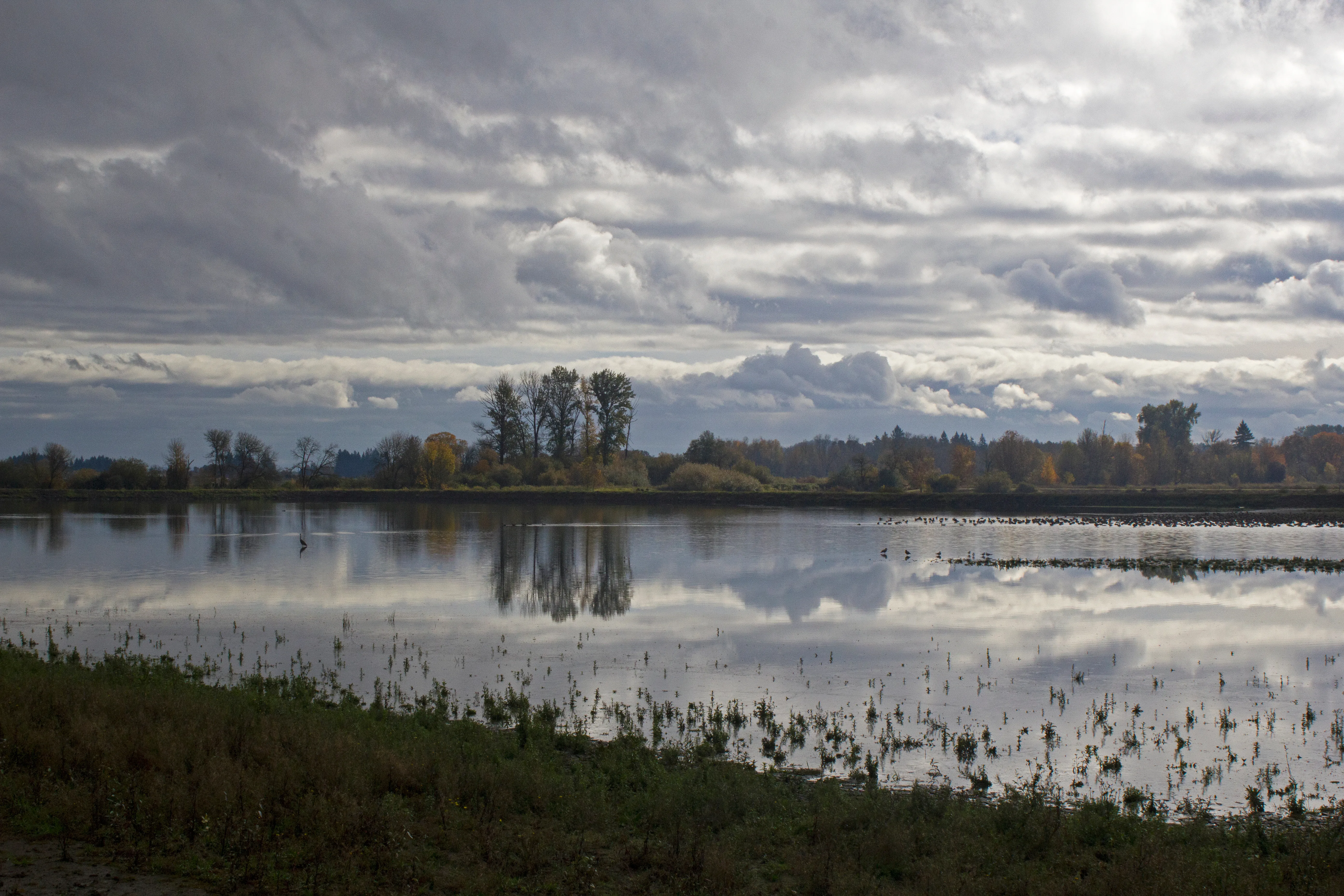
Northwest Forest Grove. This is the premium end of the market. Lots run larger, homes are newer, and on a clear day the views toward the Coast Range make the price feel earned. As of mid-2026, it's solidly in the top tier — expect to start around $600K and up. A Saturday morning walk here might end with coffee on a back deck looking west toward the hills; it's the kind of neighborhood that photographs well because it actually looks like that.
Walker-Naylor District. One of the three neighborhoods buyers search most often when they're looking in Forest Grove, and for good reason — it offers the kind of established feel that newer subdivisions can't manufacture. Think quiet streets, mature landscaping, and proximity to downtown without being in the thick of it. It sits in the middle tier, and it consistently moves because it appeals to a broad slice of buyers.
Cornelius-Forest Grove. Technically straddling the border with Cornelius, this is the most active part of the market — more transactions, more inventory turning over, and the widest selection of move-in-ready homes at any given time. It spans the middle tier comfortably. If you want to shop efficiently and have realistic options in both directions, this is where I'd start the search.
Forest Gale Heights. A well-established neighborhood with larger footprints and newer construction than you'll find closer to downtown. It sits in the middle tier, trending toward the upper end of that range. On a weekday afternoon, it's quiet in a way that feels intentional — wide streets, maintained yards, and easy access to the edge of town without feeling like you're in the middle of nowhere.
The single biggest mistake I see is treating Forest Grove as one uniform market. The citywide median — which has been running in the $520K range on a trailing 12-month basis — tells you almost nothing useful about whether a specific neighborhood fits your budget or your lifestyle. Northwest Forest Grove and the Downtown Historic District are genuinely different products priced at genuinely different levels, and collapsing them into one number obscures both.
The second mistake is assuming Forest Grove is just a cheaper version of Hillsboro. It isn't. Hillsboro has the Intel corridor, more corporate density, and significantly more retail infrastructure. Forest Grove has Pacific University, a walkable historic downtown, and a slower pace that some buyers are actively seeking — but if you're relocating for a job in Beaverton and you picture Forest Grove as a commuter suburb identical to everything east of it, you'll be surprised by the 40-minute drive.
The third thing buyers get wrong is the pricing trajectory. National sites sometimes surface the December 2025 figure — around $485K — as the current median. That was a seasonal trough. A more accurate current read is closer to $520K on sold prices. The list price and sold price tell different stories right now, and the gap matters when you're deciding what to offer.
| Budget | What You'll Typically Find | Where to Look |
|---|---|---|
| Under $450K | Older homes (Craftsman, mid-century), smaller lots, some deferred maintenance; condos and townhomes | Downtown Historic District, Pacific University Neighborhood |
| $450K–$600K | The broad middle of the market: 3–4 bed, 2-bath homes, reasonable condition, good neighborhood infrastructure | Cornelius-Forest Grove, Walker-Naylor District, Forest Gale Heights |
| $600K+ | Larger lots, newer construction, updated interiors, views in some cases | Northwest Forest Grove, upper end of Forest Gale Heights |
The middle tier — $450K to $600K — is where most of the action is, and it's where buyers get the most realistic selection right now. The top tier in Forest Grove still represents meaningful value compared to similar product in Hillsboro or Beaverton.
Forest Grove is running close to a balanced market right now, with roughly 4.5 months of inventory — meaning neither buyers nor sellers hold a clear advantage. Days on market have stretched compared to the frenzied 2022 pace; most homes are taking 50–80 days to sell, and bidding wars are not a current feature of this market. If you're a buyer who felt squeezed out two or three years ago, the environment today is meaningfully more navigable.
Forest Grove fits buyers who want a genuine small-city feel within reach of Portland — and who can absorb a 40-minute commute in exchange for more house, more land, and a slower pace. It works especially well for buyers tied to Pacific University, Tuality Healthcare, or the smaller Washington County employers that don't require daily trips to Portland's core. Families who prioritize yard space over walkability scores and want a recognizable Main Street to walk to on weekends tend to be happy here.
It's a weaker fit for buyers who need to be in Portland or Beaverton quickly and frequently. The commute is real, and there's no light rail cushion — you're driving Highway 8 or TV Highway, and both corridors have traffic. Buyers who want dense walkability, a wide restaurant scene, or proximity to the tech corridor usually find Hillsboro or Beaverton solves more of their problems.
Buyers coming from California — especially the Bay Area or Southern California — consistently underestimate how much house the Forest Grove middle tier actually buys. They've been conditioned to expect that $500K means a small condo or a serious compromise, and when they see what that budget delivers here — a 3- or 4-bedroom home on a real lot, in a neighborhood with mature trees — it recalibrates their expectations fast.
The other consistent surprise is the downtown. Buyers arriving from larger metros expect a quiet, slightly depressed small-town core — and instead find McMenamins Grand Lodge on the edge of the historic district, a functioning Main Street with independent businesses, and Pacific University giving the whole area an energy that smaller towns without an anchor institution don't have. It's not Portland, and nobody is pretending it is. But it's more than people expect.
| City | Schools | Commute to Portland | How It Compares |
|---|---|---|---|
| Forest Grove | B- | ~40 min | Affordable, small-city feel, Pacific University anchor, no light rail |
| Hillsboro | B+ | ~25–30 min | Stronger schools, Intel/tech corridor, more retail, higher prices |
| Cornelius | C+ | ~35 min | Lower price point, less amenities, adjacent to Forest Grove |
| North Plains | B | ~35 min | Rural feel, smaller inventory, limited walkability |
| Banks | B- | ~45 min | Very rural, cheaper, longer commute, minimal services |
Is Forest Grove affordable compared to the rest of the Portland Metro? Yes, in relative terms. The current median sold price runs around $520K, which is meaningfully below Washington County's average of roughly $590K. The entry tier — under $450K — still exists here in a way it doesn't in Hillsboro or Beaverton.
Which neighborhoods have the best commute access to Portland? Cornelius-Forest Grove and the southeast side of the city put you closest to TV Highway (Highway 8), which is your main artery east. The difference between neighborhoods within Forest Grove on commute time is modest — you're adding or subtracting 5 minutes, not 20. The real commute question is whether the 40-minute baseline works for your life.
How competitive is the Forest Grove market right now? More relaxed than it's been in years. With roughly 4.5 months of inventory and most homes taking 50–80 days to sell, you have room to be deliberate. Bidding wars are not common. Well-priced homes in the middle tier still move, but buyers have more negotiating leverage than at any point since 2020.
What does the middle tier actually buy in Forest Grove versus Hillsboro? In Forest Grove, $450K–$600K typically gets you a 3–4 bedroom home on a real lot in an established neighborhood. In Hillsboro, that same budget often buys a smaller home, less lot, or an older property in need of updating. The product is genuinely comparable or better in Forest Grove at that price band — the tradeoff is the commute and the school district.
Is the entry tier — under $450K — actually viable, or is it all distressed properties? It's viable, but you need realistic expectations. The Downtown Historic District and Pacific University Neighborhood have genuine inventory under $450K — older homes, smaller lots, some deferred maintenance, but livable and in neighborhoods with real character. You're not looking at distressed-only inventory, but you're also not getting a turnkey 2015 build. Know what you're shopping for.
If you're seriously considering Forest Grove, the most useful thing you can do before calling anyone is drive Highway 8 from Forest Grove to wherever you're actually going at 7:30 on a Tuesday morning — not a Sunday, not mid-day. The commute is real, and it's the detail that most often changes the calculus for buyers who got excited about the price point and the downtown before they'd done that drive.
What I've seen over the years is that the buyers who end up happiest here are the ones who wanted Forest Grove specifically — not buyers who landed here because it was the last affordable option. The small-city feel, the Giant Sequoia on the Pacific University campus, McMenamins Grand Lodge on a Friday night, the Fernhill Wetlands on a Saturday morning — those aren't consolation prizes for missing out on something else. For the right buyer, they're the whole point.
If you're thinking about a move to Forest Grove, I'd genuinely love to help you think it through.
Browse current listings updated daily — filtered for Forest Grove buyers by Elizabeth Davidson, your local expert.
Powered by Elizabeth Davidson · Cascade Hasson Sotheby's International Realty · 503-939-2035
Explore the full Forest Grove series: The Ultimate Forest Grove Relocation Guide · Is Forest Grove Safe? · Cost of Living in Forest Grove · Best Neighborhoods in Forest Grove · Forest Grove Schools & Family Life · Forest Grove Youth Sports · Forest Grove Parks & Recreation · Retiring in Forest Grove · 1031 Tax-Deferred Exchange in Forest Grove · Forest Grove First-Time Homebuyers Guide · · Moving to Forest Grove from California · The Forest Grove Realtor's Perspective · Top 10 Questions a Realtor Gets About Forest Grove