Eastern Oregon · Oregon
Living in La Grande: The Ultimate Relocation Guide (2026)
Maybe you've been priced out of the Willamette Valley and someone at work mentioned a college town in Eastern Oregon where you can actually afford a house. Maybe your employer is relocating to the region, or you're remote and finally free to choose your zip code — and you've started wondering what it would mean to live somewhere with a genuine downtown, real mountains, and a median home price that doesn't require a second income just to qualify. Maybe you drove through La Grande on I-84 and something about it didn't match what you expected from a small Eastern Oregon city. That's the tension at the start of every serious conversation about La Grande: it's more than it looks from the freeway, but it's also genuinely, unapologetically remote.
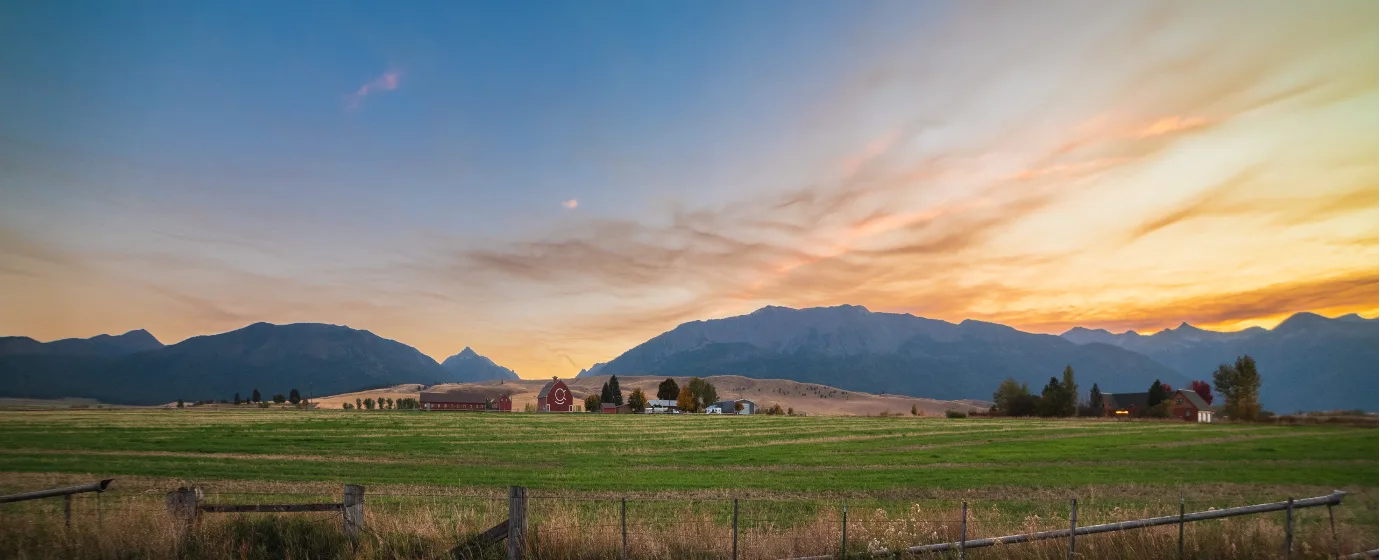
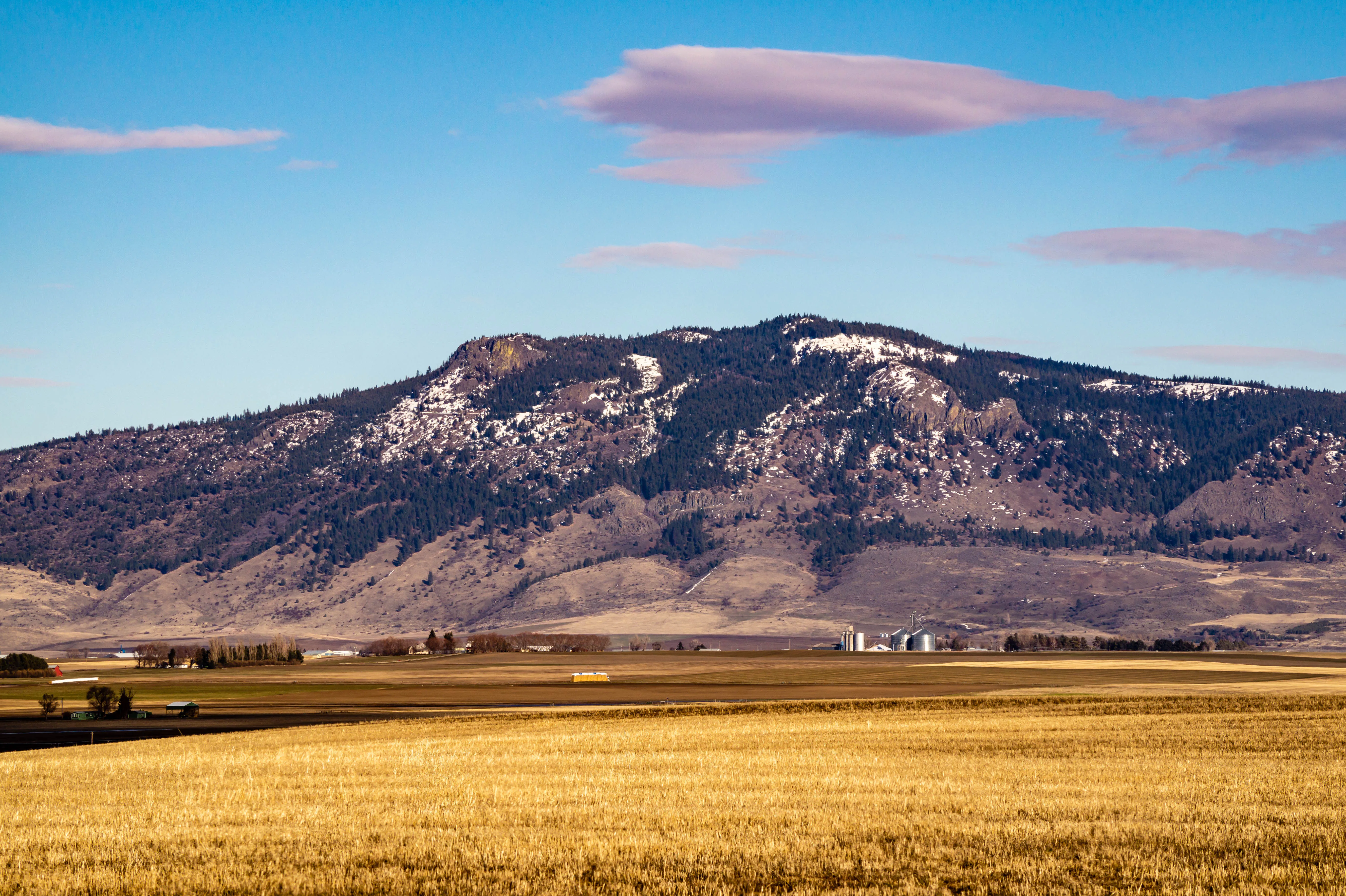
La Grande sits in the Grande Ronde Valley at roughly 2,800 feet elevation, hemmed in by the Blue Mountains to the west and the Wallowa Mountains to the east. The valley was a major campsite on the Oregon Trail, and the landscape still carries that sense of something consequential — wide, open, and surrounded by wilderness in every direction. Portland is 4.5 hours away on I-84. Pendleton, the nearest city of meaningful size, is about 60 miles northwest. The Grande Ronde River runs along the city's north side, the Wallowa-Whitman National Forest begins just east of town, and Anthony Lakes ski area is roughly an hour's drive. Daily life here is organized around the city itself — because the alternatives require a real commitment.
This guide is built for people seriously considering a move to La Grande who want honest information, not a tourism pitch. You'll find what the housing market actually looks like as of mid-2026, which neighborhoods suit which kinds of buyers, what the local job market can and can't support, and where La Grande genuinely earns its reputation — and where it falls short. If you're weighing La Grande against Baker City, Pendleton, or a smaller valley city, this is the guide that will help you make a real decision.
La Grande works well for a specific kind of buyer — and works poorly for others. The table below cuts straight to the categories that matter most for relocation decisions.
| Best For | Why |
|---|---|
| Remote workers | Sub-$320K median home prices, high-speed internet in most neighborhoods, and wilderness access on your lunch break |
| Families with school-age children | La Grande School District holds a B rating; the high school posted a 93.75% graduation rate for the Class of 2025 |
| Outdoor enthusiasts | 2+ million acres of Wallowa-Whitman National Forest, 1,700+ miles of trails, and world-class elk hunting and fly-fishing minutes from town |
| First-time buyers | One of the most accessible home prices in Oregon; strong 5-year appreciation (+40% since 2021) rewards early entry |
| Retirees seeking a slower pace | Grande Ronde Hospital is a nationally recognized Top 100 Critical Access Hospital; small-town pace without small-town neglect |
| EOU faculty and staff | Campus walkability, affordable housing, and a community built in part around the university |
The downtown along Adams Avenue and Depot Street is the kind of place that makes you revise your expectations of a small Eastern Oregon city. The commercial district is listed on the National Register of Historic Places, and the 1920s brick storefronts house locally owned restaurants, wine markets, music venues, and outdoor gear shops — not a row of empty windows. The Liberty Theater anchors the cultural scene. Max Square provides a genuine civic gathering point. On a Friday evening in summer, downtown La Grande is alive in a way that takes newcomers by surprise.
The freeway is close enough to matter. I-84 runs along La Grande's edge and connects the city to Pendleton in about an hour — though the commute statistics cited in some relocation guides are worth examining carefully, because Pendleton is the realistic regional hub, not a daily commute for most residents. Portland at 4.5 hours is an occasional trip, not a workweek reality. The practical implication is that La Grande functions as its own self-contained economy, which means what's available here is what you'll work with most of the time.
What surprises most people in their first six months is how quickly the community folds you in. With roughly 13,060 residents and a university running through the middle of it, La Grande has the density of connection that larger cities lose. You'll see the same faces at the farmers market, at the high school basketball game, and at the trailhead on Saturday morning. The median age sits around 32 — notably young for a city this size — partly because Eastern Oregon University's approximately 2,900 students keep the energy from stagnating.
The one friction point worth naming upfront: groceries and specialty retail require real planning. Safeway covers the basics. But if you're used to the selection of a Whole Foods, a Trader Joe's, or a large Asian or Latin grocery, La Grande will require periodic runs to Pendleton or Boise for certain items. It's not a dealbreaker for most people who move here, but it's the complaint you'll hear most consistently from newcomers in year one.
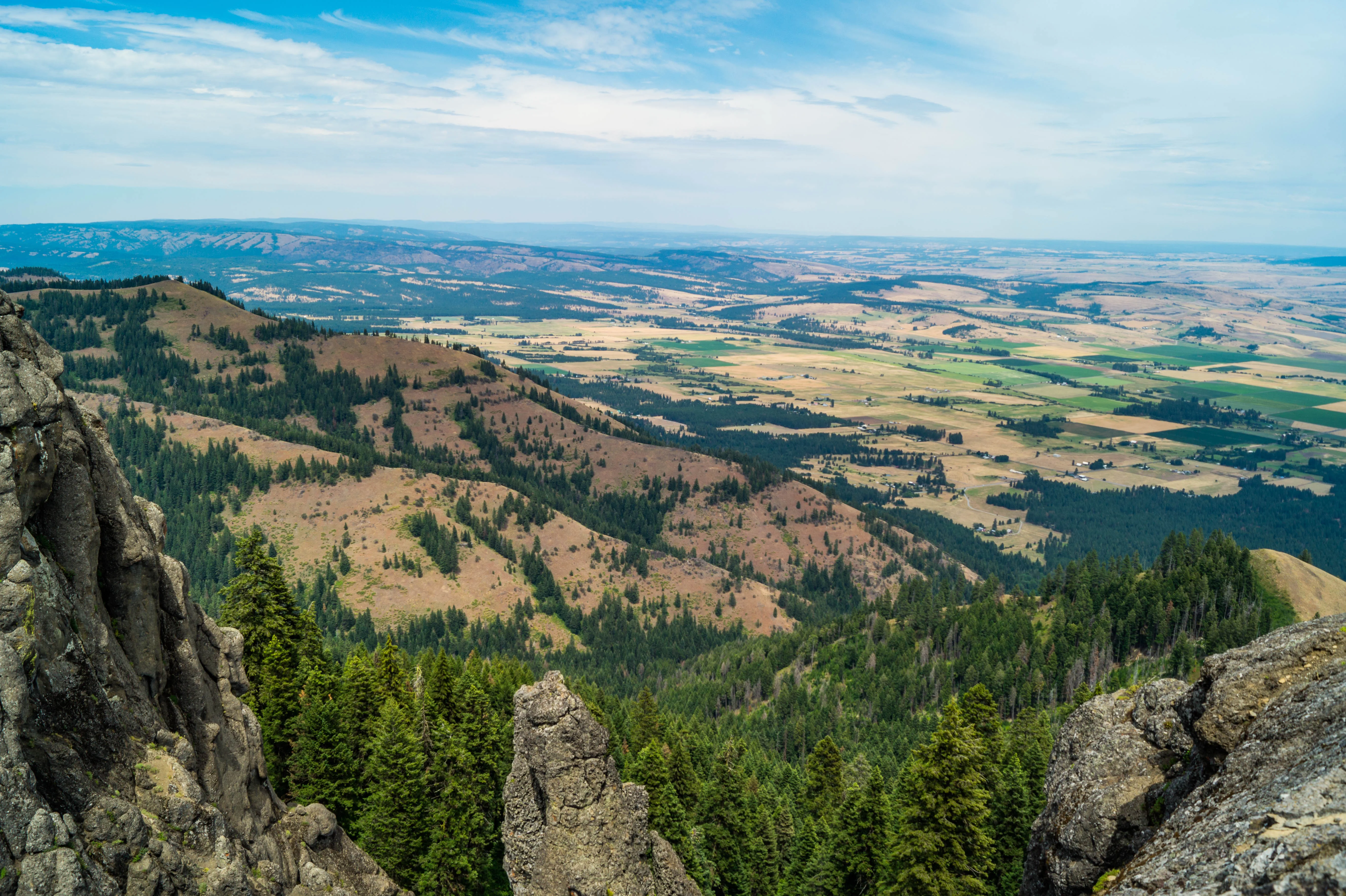
The outdoors access is not just marketing. The Wallowa-Whitman National Forest covers more than 2 million acres east of the city, with over 60 campgrounds and more than 1,700 miles of trails. The Eagle Cap Wilderness — one of the most spectacular alpine environments in the Pacific Northwest — begins roughly 30 miles from downtown. The Grande Ronde River running along the city's north side is a legitimate fly-fishing destination. Anthony Lakes offers skiing in winter. Residents here describe a lifestyle where a serious mountain adventure is a Saturday morning decision, not a vacation plan.
Housing affordability relative to the rest of Oregon is a structural advantage, not a temporary blip. With a median sold price in the low-to-mid $300,000 range, La Grande is genuinely accessible to buyers on a single income in a way that most Oregon cities haven't been for years. The five-year appreciation trajectory also means this isn't a market where values are frozen — buyers here have watched their equity grow at a rate that tracks with more expensive Oregon markets, just from a far lower starting point.
Grande Ronde Hospital is a community asset that deserves more credit than it typically gets in relocation conversations. Named a Top 100 Critical Access Hospital for the eighth time in February 2025, it provides care that most small cities this size rely on regional centers to supply. For families and retirees alike, the fact that quality healthcare is local — rather than requiring a drive to Pendleton or Portland for anything beyond basic care — is a meaningful quality-of-life factor.
The university changes the character of the city in ways that are easy to overlook if you only look at the enrollment number. Eastern Oregon University's roughly 2,950 students bring arts programming, athletics, public lectures, and a constant renewal of people who choose to be here. The La Grande Symphony, the Hoke T. Dickinson Memorial Clock Tower on campus, and the performing arts calendar are all downstream of a functioning university. The EOU campus and the surrounding streets give the city an intellectual and creative energy that most cities of 13,000 don't have.
Looking to buy in La Grande? Estimate your payment.
Enter your numbers to see an estimated monthly mortgage payment.
Estimate only. Excludes HOA fees and mortgage insurance.
The remoteness is real and it compounds over time in ways that are hard to fully anticipate before you move. Portland is 4.5 hours. Boise is about 2.5 hours. On a clear day, neither feels conceptually far — but when you need a specialist medical appointment that Grande Ronde can't handle, or you want to see a concert that doesn't come to Eastern Oregon, or you're dealing with a major home repair that requires a part nobody stocks locally, the distance becomes a recurring operational reality rather than a one-time inconvenience.
The local job market is the most significant limiting factor for buyers who aren't remote workers or already aligned with one of the major employers. Eastern Oregon University, Grande Ronde Hospital, the La Grande School District, Union Pacific Railroad, Beef Northwest Feeders, and city government are the anchors. Outside of those sectors and the surrounding retail and service economy, professional opportunities are narrow. People leave La Grande most commonly for two reasons: a career ceiling they can't break through locally, and a desire for the urban amenities — restaurants, nightlife, cultural institutions, retail variety — that a city of 13,000 in Eastern Oregon simply can't sustain at scale.
The weather is a factor that reads differently depending on where you're coming from. La Grande averages highs in the low 60s and lows in the upper 30s — colder than the Willamette Valley, with genuine winter snow and occasional periods of single-digit cold in January and February. That's a feature for people who want four seasons and don't mind driving on snow-packed roads. For transplants from the coast or the Bay Area who romanticized Oregon winters without experiencing an Eastern Oregon one, the December-through-February stretch is frequently the moment they reconsider.
La Grande's footprint covers about 4.6 square miles — compact enough that most neighborhoods are minutes apart by car, but distinct enough in character and price that where you buy shapes your daily life noticeably.
Downtown is the city's commercial and cultural heart, centered on Adams Avenue and Depot Street within the National Register historic district. The architecture is genuine — brick storefronts from the 1920s that have been maintained rather than replaced — and the businesses inside reflect a community that actually shops local. Walkability is the highest in La Grande here, and EOU students and downtown professionals share the same streets. Housing stock skews toward older single-family homes and smaller lots within walking distance of the core.
Best for: Buyers who want walkability, community density, and the ability to walk to dinner, live music, or the farmers market without getting in a car.
The South Side is La Grande's most established residential neighborhood, with tree-lined streets, mid-century ranch homes, and a mix of long-term owners and newer families. It tends to attract buyers who prioritize neighborhood stability over walkability scores, and the housing stock — mostly built from the 1950s through the 1970s — offers solid square footage at prices that still track near or below the city median. The tradeoff is that it's a drive to downtown rather than a walk.
Best for: Families with school-age children who want a quiet, established neighborhood with room to grow.
The North Side sits closest to the Grande Ronde River and offers some of the most affordable access points in the city, with a working-class character that has remained consistent over time. North Side Park anchors the neighborhood's recreational side. Buyers here typically get more land for their dollar, and the proximity to the river corridor is a genuine lifestyle advantage for anglers and trail users. It's less polished than the South Side but priced accordingly.
Best for: First-time buyers and outdoor-oriented buyers who want river access and more lot size per dollar.
West La Grande is where the newer residential development has concentrated, with craftsman-style homes on the hillside terrain offering views of the valley and the mountains. Construction quality here tends to be newer, which means fewer deferred maintenance surprises and more modern floor plans. The price premium over the South Side is real but not dramatic — buyers pay for newness and the view more than for location.
Best for: Remote workers and move-up buyers who want newer construction and don't need to walk to downtown.
Island City is technically a separate incorporated city of roughly 1,000 residents immediately adjacent to La Grande's eastern edge — but functionally, buyers considering it are comparing it to La Grande neighborhoods rather than to other cities. Housing here is affordable, lots tend to run larger, and the distance to La Grande's amenities is measured in minutes rather than miles. The rural-adjacent feel is more pronounced than anywhere inside La Grande proper.
Best for: Buyers who want more land, lower density, and a quieter setting while staying within daily reach of La Grande's services.
This refers to the broader agricultural valley that surrounds La Grande, where properties range from rural ranchettes to working farm acreage. Valley properties offer the dramatic landscape — open fields, mountain views, and the kind of physical space that the city proper can't provide — but require comfort with well and septic systems, longer drives to services, and the operational realities of rural ownership. Some buyers who fall in love with the landscape here find that the acreage lifestyle takes more maintenance than they planned for.
Best for: Agricultural buyers, hobby farmers, and retirees who want land and privacy and have the experience to manage a rural property.
The Greenwood and Y Avenue corridor is one of La Grande's more transitional residential areas, offering affordable entry points with improving fundamentals. It's not the first neighborhood most buyers tour, but it's where budget-conscious buyers can find older homes with larger lots and reasonable access to both downtown and the highway corridor. Like any transitional neighborhood, the quality of individual blocks varies more here than in the South Side.
Best for: First-time buyers and investors looking for the most affordable entry point inside city limits.
Stonewood is among La Grande's newer planned residential areas, with homes that trend larger and more recent in construction than the city average. It draws families who want newer builds, HOA-managed common areas, and a subdivision feel that's more familiar to buyers relocating from suburban markets in other states. The location keeps it close enough to La Grande's core to remain practical without feeling like it's fighting the city's small-town character.
Best for: Buyers relocating from larger suburban markets who want a familiar subdivision environment at an Eastern Oregon price point.
| City | Best For | Home Price (approx.) | Commute to Portland | Vibe |
|---|---|---|---|---|
| La Grande | Outdoor access + university town character | $300K–$342K | 4.5 hrs | Small city with real bones |
| Pendleton | Western heritage, regional hub services | $275K–$310K | 3.5 hrs | Rodeo town, more retail |
| Baker City | Historic charm, smaller scale, lower prices | $230K–$280K | 5 hrs | Very quiet, arts community |
| Union | Rural small-town, proximity to Wallowas | $200K–$250K | 5 hrs | Agricultural, very small |
| Enterprise | Wallowa County access, deep outdoors culture | $280K–$340K | 6+ hrs | Remote, tight community |
| Elgin | Affordable rural, La Grande within reach | $175K–$220K | 5 hrs | Very small, agricultural |
The comparison that comes up most often is La Grande versus Baker City — two Eastern Oregon cities with genuine downtowns, affordable housing, and proximity to serious wilderness. Baker City is quieter, slightly cheaper, and about 45 minutes further from everything else. La Grande has the university, the hospital designation, and a more active downtown. If remote work is your situation and you want the most outdoor access per dollar in a city with actual amenities, La Grande edges Baker City for most buyers.
| Category | Detail |
|---|---|
| Population | ~13,060 (2025) |
| Median home price | $277,000 (baseline); recent sold prices range $300K–$342K |
| Median household income | ~$56,400 |
| Property tax rate | Approximately 0.89% |
| School district | La Grande School District (B rating) |
| High school graduation rate | 93.75% (Class of 2025) |
| Distance to Portland | ~4.5 hours via I-84 |
| Distance to Pendleton | ~60 miles / ~1 hour |
| Major employers | EOU, Grande Ronde Hospital, School District, Union Pacific, Beef Northwest Feeders |
| Violent crime rate | 2.83 per 1,000 residents |
| Cost of living | ~4–10% below national average |
The Oregon Trail identity is not just a history lesson. La Grande takes its position on the original wagon road seriously — and it shapes how the community thinks about itself. The Grande Ronde Valley was one of the most celebrated rest stops on the entire trail route because of its water, grass, and level ground after the brutal Blue Mountain crossing. That sense of earned arrival, of being somewhere that people specifically chose to stop and stay, carries into the modern local character in a way that's genuine rather than performative.
The elk hunting culture is its own social infrastructure. When locals say La Grande is world-class elk hunting territory, they mean it in a way that shapes the social calendar from late August through November. Opening weekend of elk season is a significant community event. Businesses adjust. People take time off. If you're not a hunter, you don't have to be — but you'll miss something real about the community if you dismiss it as a regional quirk rather than a core part of local identity. The Grande Ronde River's fly-fishing culture runs on a similar track, occupying serious anglers from spring steelhead through fall.
EOU Homecoming is the closest thing La Grande has to a civic holiday. Eastern Oregon University's homecoming weekend each fall fills downtown in a way that surprises first-year residents. Alumni return from across the state, the farmers market and downtown restaurants are at capacity, and the football game at Russ Baldwin Memorial Field draws the kind of crowd that reminds everyone how tightly the university and the city are woven together. If you move to La Grande and don't engage with the university community at all, you're leaving the best part of the local social fabric untouched.
What I would not do if moving to La Grande: I would not buy in the Greenwood-Y Ave corridor without walking the specific block at least twice at different times of day. The corridor averages well, but individual block quality varies more than the neighborhood label suggests. A two-block difference can mean meaningfully different noise levels, street conditions, and neighbor tenure. La Grande is small enough that one wrong block is avoidable — but only if you look at it directly rather than trusting the neighborhood name as a proxy for consistency.
Local Expert Takeaway: If you're seriously considering La Grande, narrow your neighborhood decision before you start touring homes — the city is compact enough that two buyers with different lifestyles should be in completely different parts of town. Remote workers and outdoor-first buyers should look west toward the hillside development and newer craftsman builds. Families with school-age children typically settle fastest on the South Side for the neighborhood stability and school proximity. First-time buyers who can handle an older home should look hard at the North Side before assuming they can't afford La Grande — that's where the most accessible price points in the city live, and the river access is genuinely undervalued.
✅ La Grande punches above its weight for a city of 13,000 — a nationally ranked hospital, a functioning university, a National Register downtown, and wilderness access that most Pacific Northwest cities charge twice the housing price for.
⚠️ The remoteness is cumulative. The 4.5-hour drive to Portland doesn't feel long until you need something — a specialist, a concert, a specific part — that isn't available locally. Plan your life around what La Grande has, not what you'll drive to get.
📍 The housing market moves faster than buyers expect at this price point. Homes are averaging 31 days on market and the market is characterized as very competitive. Pre-approval in hand before you start touring is not optional — it's how you stay in the game.
Is La Grande a good place to live for families?
La Grande offers a combination of affordable housing, a B-rated school district, and a tight-knit community that many families find genuinely livable. The high school graduation rate for the Class of 2025 came in at 93.75% — the highest in 12 years — and Grande Ronde Hospital provides healthcare access that most small cities can't match. The outdoor lifestyle translates well to families with active kids, and the community's manageable size means children grow up knowing their neighbors and their teachers in a meaningful way.
What is the crime rate in La Grande?
La Grande's violent crime rate sits at approximately 2.83 incidents per 1,000 residents — a figure that places it in a comfortable range for a small Oregon city. Property crime runs higher at roughly 25.88 per 1,000, which is worth factoring in when choosing a specific neighborhood and evaluating home security. The city's size and community density mean that most residents report feeling safe in their day-to-day movements, particularly in the South Side, EOU-adjacent areas, and the downtown commercial district.
How does La Grande compare to Baker City for relocation?
Baker City and La Grande are the two most common comparison cities for buyers interested in affordable Eastern Oregon living with genuine character. La Grande has the stronger institutional infrastructure — Eastern Oregon University, a nationally ranked hospital, and a larger downtown commercial district — while Baker City is quieter, slightly less expensive, and carries a strong arts and Victorian architecture identity. La Grande is roughly 45 minutes closer to Pendleton and the broader regional service network. For buyers who value the university energy and don't mind a slightly higher entry price, La Grande typically wins that comparison.
Explore the full La Grande series: The Ultimate La Grande Relocation Guide · Is La Grande Safe? · Cost of Living in La Grande · Best Neighborhoods in La Grande · La Grande Schools & Family Life · La Grande Youth Sports · La Grande Parks & Recreation · Retiring in La Grande · 1031 Tax-Deferred Exchange in La Grande · La Grande First-Time Homebuyers Guide · · Moving to La Grande from California
Tell us what you need help with and we'll connect you with local resources.

About the Author
Todd Davidson is the founder of Living in Oregon and Living in Washington, where he publishes in-depth city guides, neighborhood resources, and local market insights covering more than 180 communities across the Pacific Northwest. While his background is in home financing and real estate, he created these digital platforms to help families research and compare regions before making a move.