Eastern Oregon · Oregon
Living in Hermiston: The Ultimate Relocation Guide (2026)
Maybe your company is transferring you to the Tri-Cities corridor and you've been told Hermiston is where the money goes further. Maybe you've been watching Eastern Oregon real estate from a distance, surprised that a city of nearly 20,000 people with interstate access and major employers still has median home prices in the mid-$300s. Maybe you drove through on I-84 and wondered what was actually behind the exit signs. The central tension in any Hermiston relocation decision is this: the city punches significantly above its size in terms of economic activity and infrastructure, yet it carries the trade-offs of a high-desert agricultural community — extreme summer heat, limited nightlife, and a drive to anything resembling a major metro. Understanding that tension before you make an offer is the whole game.
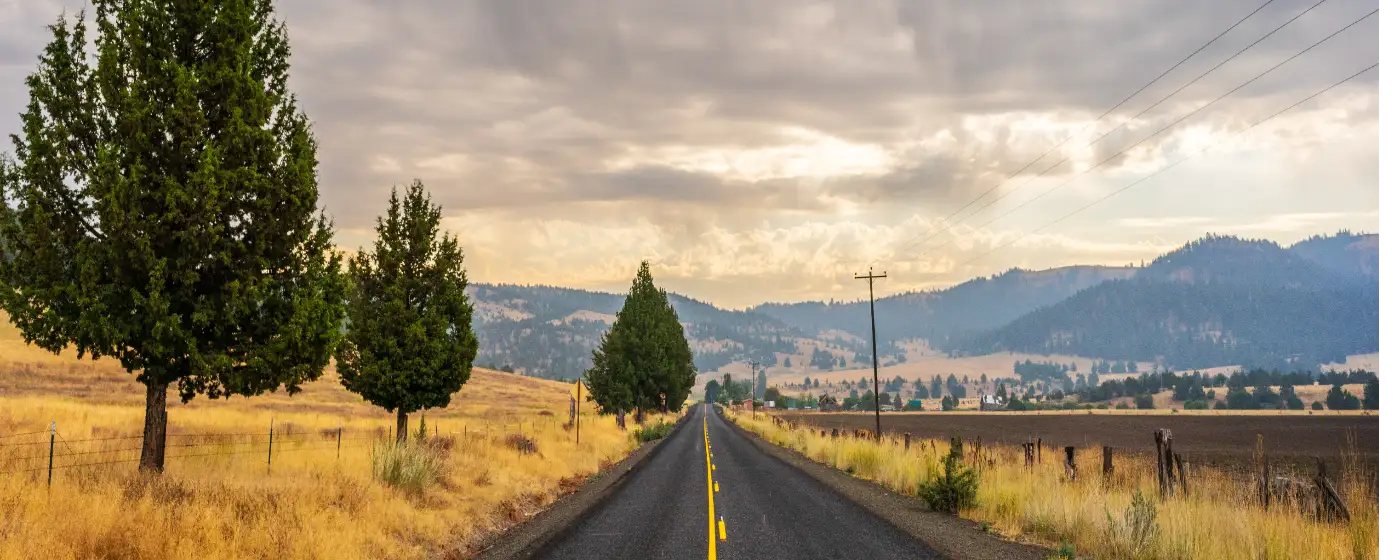
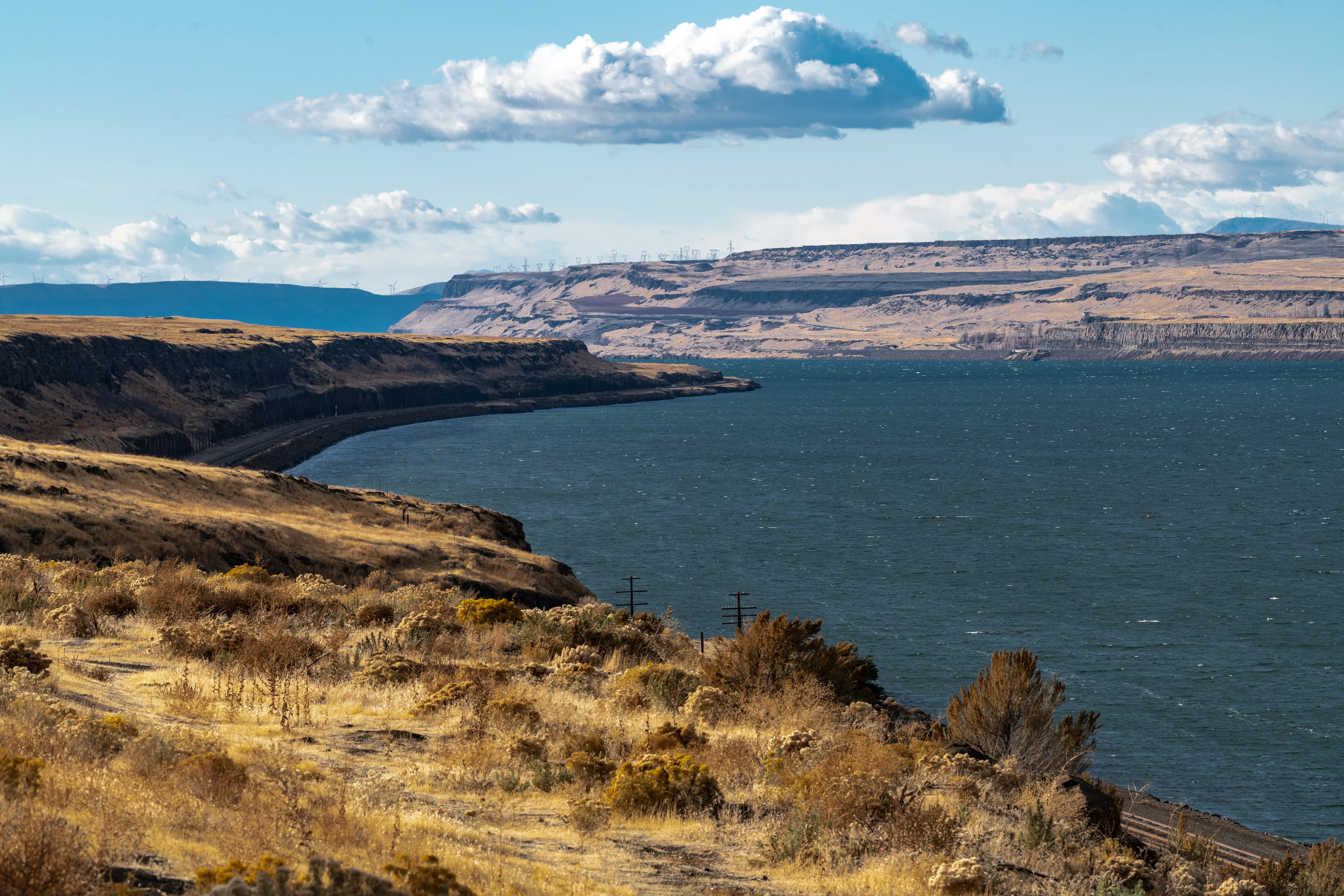
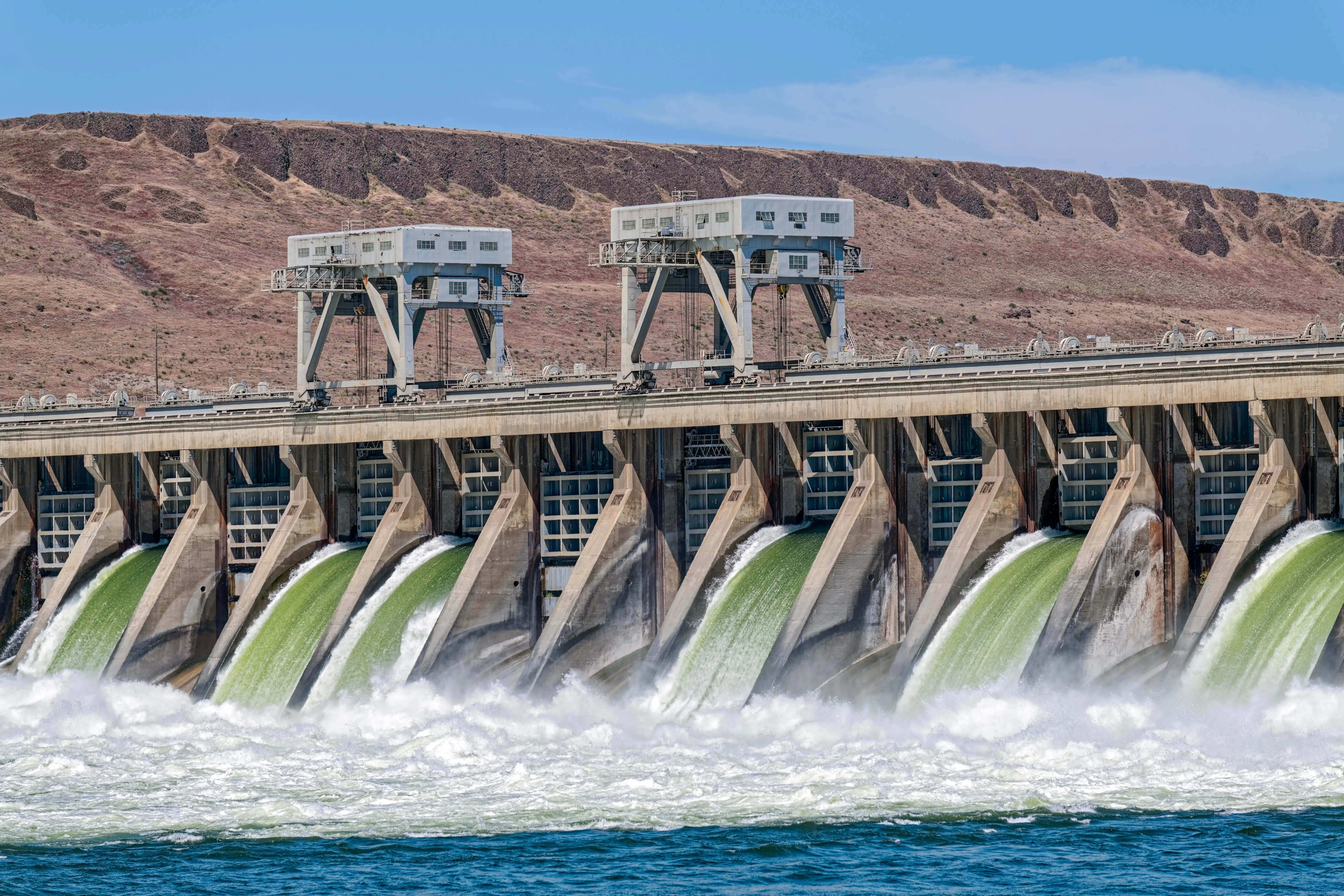
Hermiston sits at one of Eastern Oregon's most strategically useful intersections — I-84, I-82, and US-395 converge within a few miles of each other here, making the city a logistics and agricultural hub unlike anything else in the region. You're roughly 30 minutes from the Tri-Cities, about 45 minutes from Pendleton, and three hours from Portland. The Columbia River is just seven miles north, Lake Wallula and McNary Dam are practically neighbors, and the high desert landscape defines everything from the architecture to the lifestyle. The city holds approximately 19,546 residents with a notably young median age of around 31 years, a large and growing Hispanic population representing nearly 35% of residents, and a pace of development that has surprised observers watching Eastern Oregon from the west side.
This guide covers everything a serious relocating buyer needs to evaluate Hermiston honestly: what daily life actually feels like, where the best neighborhoods are and what they cost, how the school district compares to expectations, who thrives here and who tends to leave within two years, and how Hermiston stacks up against Pendleton, Kennewick, and Boardman for buyers weighing their options. If you're still deciding whether Hermiston belongs on your shortlist, this is the guide that answers that question.
Not every buyer's profile fits every market. Hermiston rewards certain buyers and frustrates others — and knowing which category you fall into before you start touring homes saves everyone time.
| Best For | Why |
|---|---|
| Commuters to Tri-Cities | 30-minute drive north on US-395 puts you in Kennewick or Pasco — without Washington state home prices |
| Families with school-age children | Affordable entry-level homes, youth sports infrastructure, and a community oriented around young families |
| First-time buyers | Median home prices around $365,000 make ownership accessible on a single income in a way that's impossible in the Willamette Valley |
| Remote workers | Low cost of living, a real house with a yard, and improving broadband access make Hermiston an underrated work-from-home base |
| Agricultural or logistics professionals | Direct access to Lamb Weston, Corteva, Walmart Distribution, and Amazon Data Services without competing with Portland for housing |
| Retirees seeking affordability | Good Shepherd Health Care provides real local medical infrastructure; cost of living runs roughly 13% below the national average |
The first thing most newcomers notice is how much is concentrated in a relatively small footprint. Downtown Hermiston along Main Street and the surrounding commercial corridors have a genuine Eastern Oregon character — local diners, farm supply businesses, community events, and the kind of infrastructure that reflects a city that functions as the economic hub of the Umatilla Basin rather than a bedroom community to somewhere else. There's no lifestyle illusion being sold here. What you see is what you get, and for many buyers that honesty is part of the appeal.
The commute picture is more nuanced than the highway access suggests. Getting to the Tri-Cities takes about 30 minutes under normal conditions, which makes Hermiston a legitimate option for workers at the Hanford Site, Kadlec Regional Medical Center, or any of the industrial employers clustered around Pasco and Kennewick. The drive to Portland is a committed 184 miles — plan on that trip being an event, not a casual errand. Within Hermiston itself, almost everything moves by car; the Walk Score of 45 reflects the reality that most neighborhoods require a short drive to commercial services, and the city's grid layout makes those drives quick.
The community vibe skews young and family-forward. With a median age under 31 and nearly a third of residents under 18, Hermiston feels more like a growing family city than a retirement community. The diversity here is real and embedded — not a recent demographic trend but a multigenerational characteristic of the agricultural community. Summer afternoons at the Hermiston Family Aquatic Center draw the kind of crowds that remind you this is a city that takes recreation seriously. The Hermiston Raceway attracts regional audiences. Funland Park and McKenzie Park are genuine neighborhood anchors, not afterthoughts.
The human friction moment most newcomers don't expect: summer heat. On June 29, 2021, Hermiston recorded 118°F — one degree below Oregon's all-time state record. Even in a typical July, hitting 105°F for a week straight is common. Air conditioning isn't optional, it's infrastructure. Buyers who research Hermiston in March and fall in love with the desert landscape and manageable home prices sometimes don't fully account for what late June through August means in practical terms. Do not tour a home in April and assume the spring weather represents the year.
Affordability that's real, not theoretical. A median sold price in the $365,000–$399,000 range in a city with a cost of living index around 87 means your housing dollar actually goes further than the number suggests. Buyers arriving from Portland, Seattle, or California routinely find themselves looking at three-bedroom homes with yards and garages for what they'd spend on a two-bedroom condo in a major metro. At a property tax rate of approximately 1.22%, annual property taxes on a median-priced home run roughly $4,453 — predictable and manageable.
Major employer diversity protects economic stability. Hermiston isn't a one-industry town, and that matters for long-term housing value. Lamb Weston, one of the world's largest potato processors, employs hundreds locally. Amazon Data Services operates significant facilities in the region. Good Shepherd Health Care is a genuine regional medical center. Walmart Distribution, Corteva Agriscience, and the Umatilla Army Depot round out an employment base that spans food processing, technology, healthcare, logistics, agriculture, and government. A city where you can work in data center operations, medical services, or agricultural science without moving is more resilient than its size implies.
Interstate access that actually functions as advertised. The I-84/I-82/US-395 convergence near Hermiston isn't marketing copy — it genuinely opens up the Pacific Northwest in a way that comparable-sized Oregon cities can't match. You're 30 minutes from Tri-Cities Airport, about 45 minutes from Pendleton, and connected to both Portland and Seattle via different interstate routes. For buyers whose work involves regional travel, Hermiston's position on the map is a practical asset.
A young, growing city with real momentum. The population has grown roughly 12% since 2019 and is projected to approach 20,500 by 2026. New construction is active. Infrastructure investment follows population growth. Buyers who got into View Wood Estates and Diamond Run early have watched values move. This isn't a static market waiting for external validation — it's a city that has been quietly growing for a decade, anchored by employers that aren't going anywhere.
Community life with actual texture. The Hermiston Raceway has been drawing regional racing fans for years. The community events calendar around Butte Park and the Hermiston Community Center reflects a city that invests in bringing people together. The Hermiston Family Aquatic Center is a genuine amenity, not a token gesture toward recreation. Desert Lanes Bowling Alley has been a local gathering point for decades. These aren't substitute activities for people who wish they lived somewhere else — they're the actual social infrastructure of the community.
Looking to buy in Hermiston? Estimate your payment.
Enter your numbers to see an estimated monthly mortgage payment.
Estimate only. Excludes HOA fees and mortgage insurance.
The heat is not a minor inconvenience. Hermiston sits in a steppe climate where summer temperatures regularly reach triple digits. Climate projections suggest a 114% increase in days over 98°F over the next 30 years — a meaningful long-term consideration for buyers thinking about 15- and 30-year time horizons. Older homes in the city may have undersized HVAC systems, and utility costs during July and August can surprise buyers who moved from the Pacific Northwest's temperate west side. Budget for cooling infrastructure the same way you'd budget for heating in a Minnesota home.
The school district is a genuine consideration for families. Hermiston School District's rating of C+ reflects a district doing meaningful work in a community with significant socioeconomic complexity, but buyers relocating from higher-rated districts need to have honest conversations about expectations. The district serves a diverse student population with a substantial English Language Learner enrollment, and performance metrics reflect those challenges. The individual school experience varies considerably depending on which school and which programs a family accesses — but coming in with unrealistic expectations about test scores and graduation rates commonly leads to disappointment for families accustomed to western Oregon or Washington state suburban districts.
The retail and dining ecosystem is limited. Hermiston has essential retail covered — a Walmart Supercenter, the major grocery chains, and fast food along the commercial corridors. What it doesn't have is the kind of restaurant variety, independent retail scene, or cultural amenities that characterize mid-sized west side Oregon cities. Buyers who genuinely value food culture, independent bookstores, art scenes, or walkable retail neighborhoods tend to find Hermiston's options thin within six months. The Tri-Cities and occasional Portland trips fill the gap for many residents, but if daily access to diverse dining and retail is non-negotiable, understand this limitation clearly before committing.
Why some people leave. The buyers and renters who tend to move out of Hermiston after two to four years usually cite one of three things: teenagers aging into high school and wanting more social infrastructure, the cumulative effect of the summers, or a professional opportunity that pulls them toward a larger market. For families without deep community roots, the lack of cultural infrastructure starts to feel heavier once kids hit middle school age. Hermiston isn't a city that holds everyone — but the people it holds, it holds well.
Downtown Hermiston along Main Street and the commercial corridors near City Hall represents the most walkable version of the city — a relative statement, but a meaningful one. Residents here can reach local restaurants, the library, and community events on foot in a way that most Hermiston neighborhoods can't replicate. Housing in the immediate downtown area includes older single-family homes and some attached housing, typically priced below the city median in the $280,000–$340,000 range. The tradeoff is older housing stock and more commercial noise.
Best for: Buyers who want the most walkable lifestyle Hermiston offers and are comfortable with older homes.
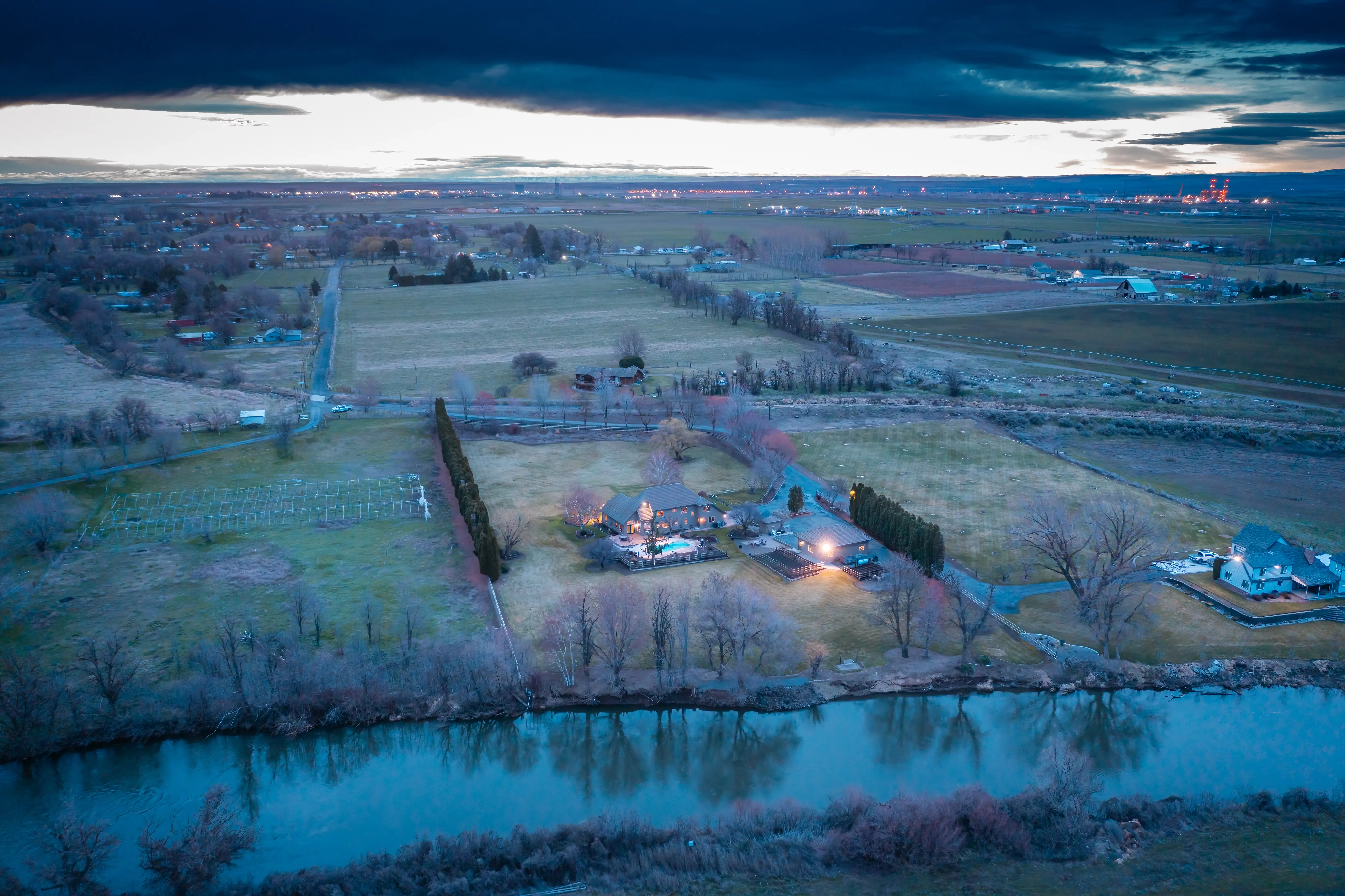
North Hermiston encompasses the more rural-residential character of the city as it grades toward the Columbia River corridor. Agricultural land and rural residential parcels define the feel here — this is classic high-desert farming community territory, with larger lots and more distance between neighbors. Buyers looking for room and privacy find it here, though the drive to commercial services adds a few minutes to every errand. Pricing varies significantly based on lot size but typically aligns with or runs slightly below the city median.
Best for: Buyers who want acreage or a rural character within Hermiston's city boundaries.
South Hermiston has attracted meaningful residential development over the past decade, with newer construction homes and subdivisions that give it a more contemporary feel than the city's older core. Access to commercial services along the US-395 corridor is straightforward, and proximity to schools makes this area popular with households with children. Median pricing here generally runs in the $360,000–$410,000 range for newer construction. The downside: less character than established neighborhoods and some traffic on the main commercial arteries.
Best for: Families with school-age children who prioritize newer homes and easy commercial access.
West Hermiston carries a more established residential character — mature landscaping, traditional ranch-style homes, and streets that feel settled rather than newly developed. This part of the city tends to attract buyers who prefer a neighborhood that's already rooted rather than one still taking shape. Homes here often come with larger lots than newer subdivisions offer and price somewhat below the city median, typically in the $300,000–$360,000 range. The tradeoff is that some of the housing stock requires updating.
Best for: Buyers who value mature neighborhoods with established trees and larger lots over turnkey newer construction.
East Hermiston sits along the agricultural fringe of the city, sharing some of the Columbia River corridor character of the north side. The transition from residential to agricultural land is visible and literal, which appeals to buyers who want proximity to the high-desert landscape as part of their daily environment. Housing is a mix of established single-family homes and rural-adjacent properties. Pricing aligns roughly with the west side, in the $300,000–$365,000 range.
Best for: Buyers who want proximity to open land and the Columbia River corridor without fully leaving city services behind.
View Wood Estates is one of Hermiston's most actively discussed neighborhoods among buyers and local agents. New construction homes near downtown give it a contemporary profile that most of Hermiston can't match, and the proximity to city amenities — the Hermiston Community Center, schools, and Main Street — makes it one of the most convenient addresses in the city. Pricing reflects the demand, with homes typically landing in the $380,000–$450,000 range. The catch is that it's one of the pricier neighborhoods in a city where affordability is usually the headline.
Best for: Buyers willing to pay a premium for new construction with downtown proximity.
Diamond Run shares the contemporary, in-demand character of View Wood Estates and has seen similar appreciation momentum. The neighborhood attracts buyers who want a newer-construction feel with a community that's still building its identity. Pricing runs comparably to View Wood, typically in the $375,000–$445,000 range. Buyers who got into Diamond Run early have watched values appreciate more consistently than the city average, though that trend is never guaranteed to continue.
Best for: Buyers prioritizing newer construction and neighborhood appreciation momentum.
Rocky Heights occupies one of Hermiston's elevated positions, offering the desert views and quieter residential pace that hilltop neighborhoods typically provide in Eastern Oregon communities. Lots here tend toward the larger end, and the distance from the city's commercial noise is noticeable. Pricing varies based on lot size and vintage but generally falls in the $330,000–$390,000 range. The tradeoff is a slightly longer drive to downtown and commercial services — not dramatic, but real.
Best for: Buyers who prioritize views, larger lots, and a quieter neighborhood pace over walkability.
| City | Best For | Home Price | Commute to Hermiston | Vibe |
|---|---|---|---|---|
| Hermiston, OR | Value, employer access, affordability | ~$365,000 | — | Working city, agricultural roots, family-forward |
| Pendleton, OR | History, culture, smaller-town character | ~$310,000 | ~45 min | Western heritage, tight-knit, less growth-oriented |
| Kennewick, WA | Washington state amenities, retail variety | ~$390,000 | ~30 min | Suburban, retail-rich, Washington wages |
| Boardman, OR | Maximum rural quiet, lowest prices | ~$240,000 | ~30 min | Very small, agricultural, limited services |
| Umatilla, OR | Columbia River access, smaller community | ~$280,000 | ~15 min | Small river town, quieter than Hermiston |
| Richland, WA | Higher-income professionals, STEM employers | ~$480,000 | ~40 min | Educated, suburban, Hanford-adjacent |
| Metric | Detail |
|---|---|
| Population | ~19,546 (2025 ACS); ~20,500 projected 2026 |
| Median Sold Home Price | $365,000 (city baseline); recent sold data suggests $365K–$399K range |
| Median Household Income | ~$67,000 |
| Cost of Living Index | ~87 (U.S. average = 100) |
| Property Tax Rate | ~1.22% |
| Commute to Tri-Cities | ~30 minutes via US-395 |
| Violent Crime per 1,000 | 3.3 |
| School District Rating | C+ (Hermiston School District) |
| Median Age | ~30.9 years |
| Walk Score | 45 (car-dependent) |
The Hermiston Raceway is a genuine community institution. On summer nights, the sound of engines carries across the east side of the city. The raceway draws regional audiences and functions as a social anchor for a segment of the community that newcomers from west-side Oregon cities often overlook entirely. If your new neighbors invite you to a race night, go — it's one of the fastest ways to actually meet people in Hermiston.
Hermiston's watermelon legacy still shows up in community identity. The city was once known nationally as the "Watermelon Capital of the World" — and while large-scale commercial watermelon production has shifted, that agricultural identity still surfaces in local events, signage, and the way longtime residents talk about the area's history. It's not a tourist attraction, but it's a real thread in the community's self-image.
The summer heat transforms community life in ways that take one full year to fully appreciate. Early mornings become the functional outdoor hours from late June through August. Residents adapt by running, gardening, and walking before 8 a.m. and retreating indoors by noon. Events and outdoor activities shift toward evenings. Newcomers who try to maintain their west-side outdoor schedules through a Hermiston July tend to struggle. The community has fully adapted to the climate — follow their lead.
What I would not do if moving to Hermiston: I would not buy a home on the older commercial corridors along East Gladys Avenue or the fringe streets near industrial areas without walking those blocks at 6 p.m. on a weekday and a Saturday afternoon. The residential-to-industrial transitions in some parts of Hermiston's east side are abrupt in ways that don't always show up in listing photos or map screenshots. Drive the actual streets at actual times before committing.
Local Expert Takeaway: If you're deciding between Hermiston and a comparable-priced home in the Tri-Cities, run the numbers on Washington state property taxes and the true commute cost before assuming Kennewick is the upgrade. Hermiston's $365,000 median with Oregon's no-income-tax retirement provision and a 1.22% property tax rate frequently wins on a five-year total-cost basis for buyers who do the math honestly. Within Hermiston, View Wood Estates and Diamond Run are the two neighborhoods with the clearest appreciation case — but if budget matters more than upside, West Hermiston's established homes in the $310,000–$360,000 range offer the best value for buyers who don't need new construction.
✅ Hermiston's affordability is real and structural — not a sign of weakness but a reflection of a working agricultural city with a cost of living roughly 13% below the national average and no comparable west-side Oregon city offering this combination of employer access, interstate connectivity, and median home prices.
⚠️ The school district and summer heat are the two factors most likely to change your mind — both require honest evaluation before committing, especially for families with school-age children and buyers who've never experienced a high-desert summer.
📍 View Wood Estates and Diamond Run are the neighborhoods with the most buyer momentum in 2026 — but West Hermiston and South Hermiston offer the best value-to-livability ratio for buyers who want established neighborhoods without paying the premium.
Is Hermiston a good place to raise a family?
Hermiston can be a strong fit for families with children, particularly those who prioritize affordability, outdoor recreation, and community involvement in youth sports and local events. The city's young demographic skew and family-oriented infrastructure — including the Hermiston Family Aquatic Center, McKenzie Park, and an active youth sports calendar — reflect a community built around households with kids. Families coming from higher-rated school districts should research the Hermiston School District's programs carefully, as the C+ district rating suggests meaningful variability in academic outcomes.
What is the crime rate in Hermiston?
Hermiston's violent crime rate runs approximately 3.3 incidents per 1,000 residents — a figure that compares reasonably well against other working agricultural cities of similar size in the Pacific Northwest. Property crime at 31.5 per 1,000 is the more meaningful number to watch, reflecting the reality of a city with visible economic inequality and a transient workforce. Residents commonly report that the northeast part of the city tends to have a safer feel for day-to-day residential life.
How does Hermiston compare to Pendleton for buyers considering Eastern Oregon?
Pendleton typically offers lower home prices — in the $310,000 range — along with a stronger Western heritage cultural identity and the annual Pendleton Round-Up as a genuine community anchor. Hermiston counters with better interstate access, larger employer diversity, faster population growth, and the 30-minute Tri-Cities commute option. Buyers who prioritize cultural character and a more established small-town feel often prefer Pendleton; buyers who prioritize economic opportunity, newer housing stock, and regional connectivity tend to land in Hermiston.
Explore the full Hermiston series: The Ultimate Hermiston Relocation Guide · Is Hermiston Safe? · Cost of Living in Hermiston · Best Neighborhoods in Hermiston · Hermiston Schools & Family Life · Hermiston Youth Sports · Hermiston Parks & Recreation · Retiring in Hermiston · 1031 Tax-Deferred Exchange in Hermiston · Hermiston First-Time Homebuyers Guide · · Moving to Hermiston from California
Tell us what you need help with and we'll connect you with local resources.

About the Author
Todd Davidson is the founder of Living in Oregon and Living in Washington, where he publishes in-depth city guides, neighborhood resources, and local market insights covering more than 180 communities across the Pacific Northwest. While his background is in home financing and real estate, he created these digital platforms to help families research and compare regions before making a move.