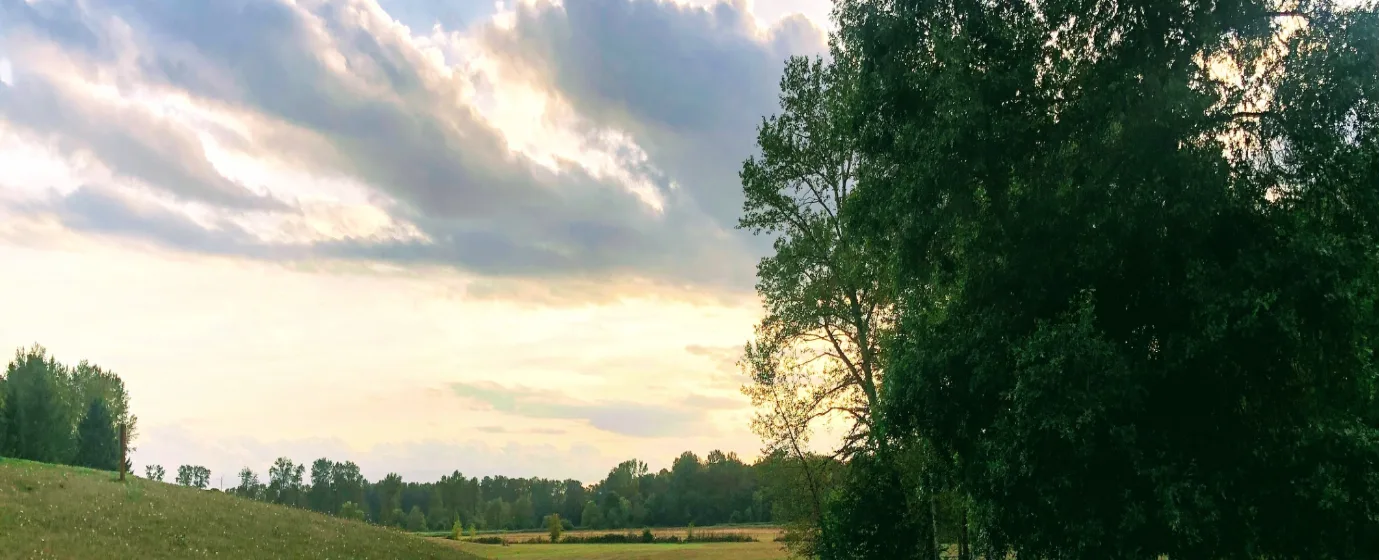
Willamette Valley · Oregon
Living in Molalla: The Ultimate Relocation Guide (2026)
Maybe you've been priced out of Oregon City or Canby and someone in your office mentioned Molalla as the place where you can still buy a house without a co-signer and a small miracle. Maybe you've been watching Portland's suburbs creep southward and you're wondering how far down Route 213 you need to go before the lots get bigger and the prices drop back into reach. Or maybe you drove through on the way to the Molalla River Corridor on a summer weekend, caught the smell of pines and pastures, and started doing the math on your commute. Whatever brought you here, Molalla has a way of surprising people — not always in the ways they expect.
The central tension in Molalla is real and worth naming upfront: this is a working town that functions as a last-affordable-exit on the southern Clackamas County corridor, and it wears that identity honestly. The Cascade foothills start climbing just east of downtown. Oregon Route 213 is the only meaningful artery in or out. The nearest hospital is 16 miles away in Tualatin, the school district carries academic challenges that Portland-suburb parents don't always anticipate, and the town's services reflect a population of just over 10,000 rather than the sprawling suburban amenity belts of Wilsonville or Lake Oswego. What Molalla offers in exchange is a homeownership rate around 74%, a median sold price that remains genuinely accessible at approximately $484,000, and a community with deep roots in timber, rodeo, and rural Pacific Northwest identity.
This guide will help you decide whether that trade makes sense for your family. We'll cover neighborhoods, commute realities, schools, what longtime residents love, what drives people away, and the local quirks that don't show up in any listing description. By the end, you'll have a clear-eyed picture of what daily life in Molalla actually looks like — not the spreadsheet version, but the real one.
Not every city suits every buyer, and Molalla is more specific than most. Here's where it genuinely shines and where it tends to disappoint.
| Best For | Why |
|---|---|
| First-time buyers | Median sold price around $484,000 with entry points starting near $315,000 — one of the few remaining accessible markets in Clackamas County |
| Commuters to Oregon City or Canby | Both employment hubs are 20–30 minutes away; the 47-minute Portland commute is manageable if you work hybrid or off-peak |
| Remote workers | Larger lots, lower prices, and a quieter pace — if you can skip the daily Portland drive, Molalla's value proposition is hard to beat |
| Outdoor-oriented households | Direct access to the Molalla River Corridor, Table Rock hiking, and Cascade foothills trails without leaving town |
| Families prioritizing space over amenities | Newer subdivisions offer 3-4 bedroom homes with yards at prices that buy you a townhouse in Tualatin |
| Early retirees on fixed income | Low property tax rate of approximately 0.72% and lower cost of living relative to the broader Portland metro |

Molalla is one of those Clackamas County towns that serious relocation buyers keep discovering a year or two after they should have. It sits just far enough from the Portland Metro core to feel genuinely rural — large lots, quiet streets, a real small-town identity — while still being commutable to Oregon City or Canby for work. The buyers I work with who land here are typically coming from higher-cost markets and prioritizing space, value, and a community where neighbors still introduce themselves.
Inventory in Molalla tends to be limited, which keeps competition real even in slower markets. When a well-priced home comes up under $500K with acreage or a shop, it moves quickly. If you're relocating to this area, getting pre-approved and understanding your contingency strategy before you start touring is not optional — it's the difference between getting the home and watching someone else close on it.
Molalla's geography shapes everything. The town sits in a bowl-like lowland where the Cascade foothills begin their rise to the east, and that setting creates a physical and psychological sense of separation from the Portland metro that feels more pronounced than the 47-minute drive suggests. Route 213 is the connective tissue — a two-lane state highway that carries trucks, commuters, farm equipment, and school buses through the same corridor. On weekday mornings, the stretch between Molalla and Oregon City can add 15 minutes to what Google Maps promises, particularly north of Beavercreek Road where the road narrows and passing opportunities disappear.
Downtown Molalla is compact and honest. Main Street has the bones of a mid-century small-town commercial district — a hardware store, a few local diners, a pharmacy, a feed store — without the retrofitted tasting-room aesthetic that towns like Dundee or Carlton have layered over their historic cores. There's no brewery district here, no food cart pod, no boutique running shop. What there is: a real sense that most people you encounter at the Tractor Supply or the post office have lived here for a decade or more and know each other by name.
The community vibe runs strongly rural-working-class with an increasingly mixed demographic as younger households from the Portland suburbs arrive looking for affordability. That mix occasionally creates friction around school priorities, land use, and the pace of development — but it hasn't broken the town's fundamental cohesion. The Molalla Buckaroo rodeo, held every July at the Buckaroo Rodeo Grounds on South Molalla Avenue, draws the community together in a way that few events manage in newer bedroom communities. It's been running since 1916, and it's the kind of tradition that tells you something real about a town's identity.
One thing that surprises most newcomers after six months: how quickly the lack of a full-service grocery store registers as a daily friction point. Molalla has a Bi-Mart, a Dollar General, and a small IGA-style market, but major grocery shopping means a trip to Canby or Oregon City. Families who do a weekly Costco or Fred Meyer run quickly build that 25-minute drive into their routine — but buyers who assume they'll walk to a full-service store tend to underestimate how much this shapes the rhythm of the week.
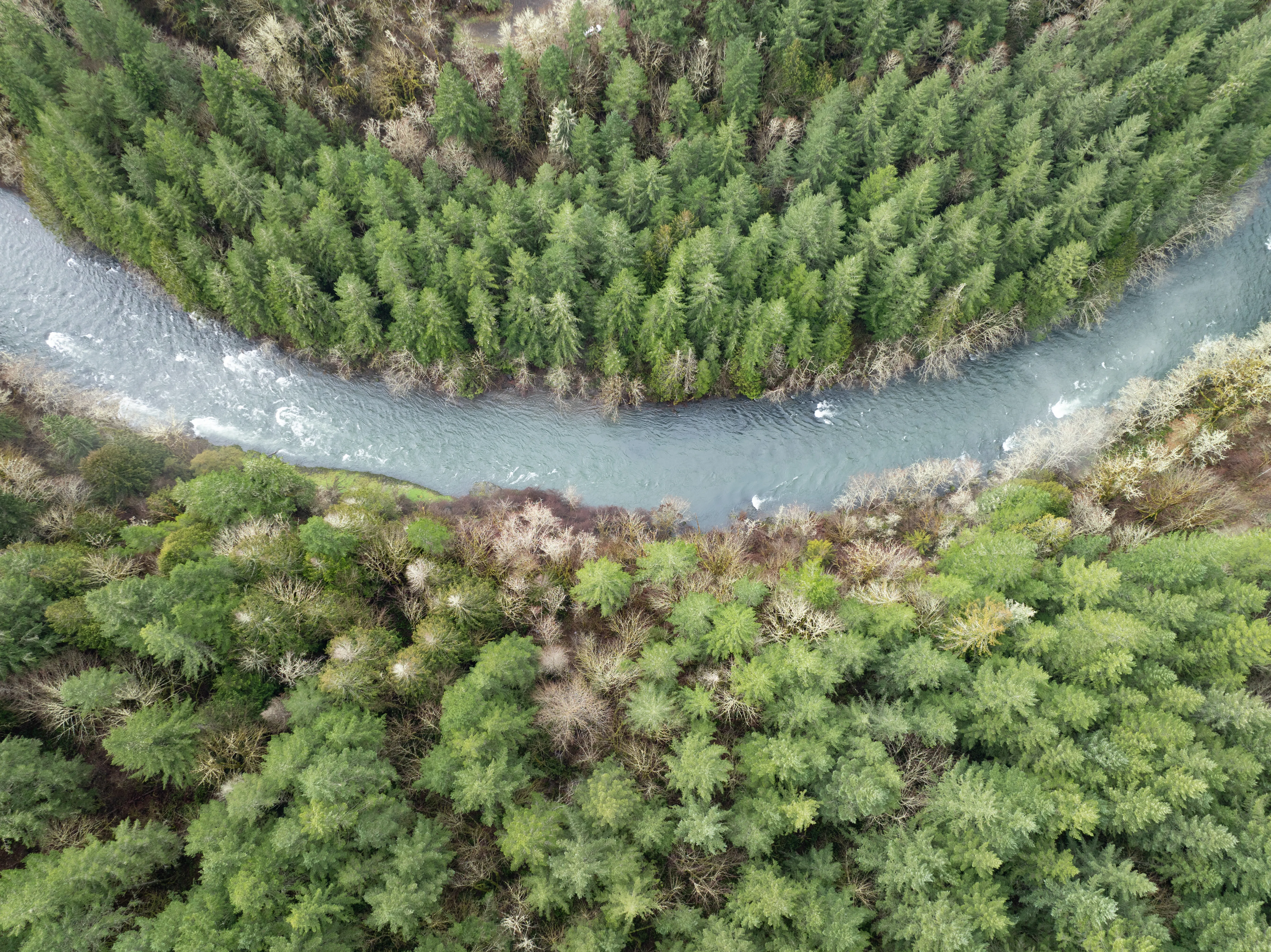
The outdoor access is the first thing longtime residents mention and the first thing that surprises relocating buyers who've only seen Molalla from the highway. The Molalla River Corridor — a BLM-managed stretch of river canyon with swimming holes, hiking trails, and seasonal steelhead fishing — begins at the edge of town and runs east into the Cascade foothills. On a July afternoon, locals are floating the river or parked at the trailheads before Portland residents have even left their neighborhoods. Table Rock, roughly 15 miles southeast via Dickey Prairie Road, offers a hike with Cascade views that would draw significant crowds if it were near a larger city. Living in Molalla means this kind of access is Tuesday afternoon, not a special weekend trip.
The property tax math matters more than buyers initially realize. At approximately 0.72% effective rate, a homeowner with a $484,000 purchase is looking at roughly $3,485 annually in property taxes — a figure that saves $1,500 to $3,000 per year compared to equivalently-priced homes in portions of Washington County or the closer-in Clackamas suburbs. Over a ten-year hold, that difference compounds meaningfully. Oregon's Measure 50 caps assessed value growth at 3% per year, which means long-term owners in Molalla enjoy a degree of property tax stability that California transplants often find genuinely remarkable.
The pace of life here is a genuine selling point for the right buyer. Molalla doesn't have rush-hour gridlock, parking anxiety, or a competition-for-amenity culture. Fox Park, Clark Park, Long Park, and the Molalla Train Park — where the Molalla Pacific Railroad Club operates a working miniature train — give families real gathering infrastructure without crowds. The Train Park in particular has a devoted local following; weekend rides are a legitimate local tradition that families with young children discover quickly. The community also maintains Ivor Davies Park along the Molalla River, which functions as a de facto backyard for residents in the southern neighborhoods.
The affordability isn't just about the purchase price. With a cost of living index of approximately 107 — only modestly above the national average — Molalla holds its own against the broader Portland metro, where that index typically runs 130 or higher. Households earning the local median income of approximately $89,318 can actually afford to own here, which is increasingly rare in the Pacific Northwest. That fundamental affordability attracts educators, tradespeople, timber workers, and local government employees who form the backbone of the community and keep turnover lower than you'd expect.

Looking to buy in Molalla? Estimate your payment.
Enter your numbers to see an estimated monthly mortgage payment.
Estimate only. Excludes HOA fees and mortgage insurance.
The school district is the most significant variable for families with children, and it deserves honest treatment. The Molalla River School District carries academic performance metrics that fall below Oregon state averages — roughly 25% of students proficient in math and 41% in reading, based on available state assessment data. Graduation rates at Molalla High School run in the 80–84% range, near the Oregon state average but not above it. The district is investing in infrastructure, including a groundbreaking for a new Molalla River Middle School, and 100% of teachers are licensed. But families moving from higher-performing districts in the Portland metro should understand the gap and factor it into their decision.
The commute picture is honest but not flexible. The 47-minute Portland commute assumes off-peak conditions with reasonable traffic on Route 213 and Highway 99E. During peak morning hours, that number can stretch to 60–70 minutes, and there is no meaningful alternative route. Public transit is essentially non-existent for daily commuters — the South Clackamas Transportation District runs limited bus service, but fewer than 1% of residents use it for commuting. If you're driving to a Portland office five days a week, the cumulative time and fuel cost is a real budget line, not a minor inconvenience.
Healthcare access is a structural gap that Molalla's growth hasn't resolved. Legacy Meridian Park Medical Center in Tualatin is 16 miles away, which means emergency situations involve a cross-county drive or a paramedic response to a community that has one fire station. Routine specialist care, urgent care visits, and maternity services all require leaving town. For healthy working-age households this rarely registers as a daily concern, but for families with young children or anyone managing a chronic condition, it's worth mapping out before you close.
Why do people leave? The honest answer is usually a combination of factors rather than a single breaking point. School dissatisfaction drives some families out when their kids reach middle school. Commute fatigue hits around year three for five-day-a-week Portland office workers. And for buyers who moved here expecting the amenity trajectory of Canby or Oregon City — expecting the coffee shops, the restaurants, the retail mix to arrive — Molalla's pace of commercial development can feel disappointing. The town is growing, but it's growing on its own schedule.
Bear Creek is Molalla's most recognizable newer subdivision, established around 2018, and it's where the clearest contrast with the older town emerges. Homes here are modern single-family builds with open floor plans, EV-ready garages, and HOA-maintained common areas — details that read as suburban Portland but sit at Molalla prices. Expect the mid-to-upper end of the city-wide range, with homes in the $480,000–$590,000 range depending on size and upgrades.
Best for: Remote workers and first-time buyers who want newer construction and don't want to manage deferred maintenance.
River Meadows sits in Molalla's southern quadrant with proximity to the Molalla River Corridor, making it one of the more sought-after addresses for households who moved here specifically for outdoor access. Homes tend to be a mix of late-1990s and 2000s construction on modestly sized lots, and the neighborhood has a quiet, settled feel. Pricing in the area generally falls in the $430,000–$510,000 range for move-in ready inventory.
Best for: Outdoor-focused households who want a short drive to river trailheads and a neighborhood with established landscaping.
The western edge of Molalla has seen the most active development pressure as the city has grown along the Route 213 corridor. Molalla West captures a range of housing ages and types — some 1980s ranch-style homes alongside newer infill builds — and benefits from being the closest residential area to the commercial strip along Route 213 for daily errands. Prices here span the city's range, roughly $380,000 to $530,000, depending heavily on lot size and home age.
Best for: Commuters who prioritize quick Route 213 access and want the most practical day-to-day location within the city.
Living in or adjacent to downtown means walkable access to the Main Street commercial core, the post office, and the small collection of local businesses that give Molalla its working-town character. Housing stock here tends toward older craftsman and bungalow-style homes from the early-to-mid twentieth century, with prices that often start below the city median — sometimes in the $315,000–$400,000 range for homes that need updating. The upside is character and location; the downside is that deferred maintenance on older construction is common and inspection findings can be significant.
Best for: Buyers seeking entry-level pricing who are comfortable with renovation projects and want the most walkable location in the city.
Old Town is Molalla's historic residential core, with tree-lined streets and housing stock that dates back to the early 1900s. It's a quieter, more intimate version of the downtown experience, with bungalows and farmhouses that have been updated to varying degrees. Prices here can be the most variable in the city — well-maintained historic homes command a modest premium, while deferred-maintenance properties can still be found at entry-level prices below $380,000. The neighborhood has a loyal following among buyers who prioritize character over square footage.
Best for: Buyers who value historic homes and established streetscapes and are patient enough to find the right property.
Big Meadows represents the newer edge of Molalla's residential development — larger lots, newer builds, and a more suburban feel than the central neighborhoods. It attracts households who want maximum space for the dollar and don't mind being a longer walk from downtown. Construction here tends toward 2010s-era and newer, with homes generally priced in the $470,000–$580,000 range. The neighborhood is still filling in, which means less established landscaping but also more available inventory than older areas.
Best for: Families with children who want newer construction with larger yards and are willing to drive for most daily needs.
| City | Best For | Median Home Price | Commute to Portland | Vibe |
|---|---|---|---|---|
| Molalla | Affordability, outdoor access, space | ~$484,000 | ~47 min | Rural-working, independent |
| Canby | Amenities + rural feel balance | ~$520,000–$560,000 | ~40 min | Small-city suburban, more retail |
| Oregon City | Historic character, stronger schools | ~$520,000+ | ~30 min | Established suburb, hillside character |
| Silverton | Walkable downtown, gardens/arts culture | ~$440,000–$490,000 | ~55 min | Arts-forward small town |
| Colton | Maximum rural isolation, acreage | ~$450,000–$550,000 | ~55 min | Agricultural, very rural |
| Mulino | Unincorporated rural, large lots | Market varies | ~45 min | Farmland adjacent, minimal services |
The honest comparison most buyers face is Molalla vs. Canby. Canby has a more developed commercial core, slightly shorter commute times, and a school district that consistently outperforms Molalla's. The catch is that Canby prices have moved higher and inventory is tighter. Buyers who land in Molalla are almost always making a deliberate affordability trade — and the ones who stay long-term typically do so because the outdoor access and space exceed what they expected.
| Metric | Detail |
|---|---|
| Population | ~10,085 (2026) |
| Median Home Price | ~$484,000 |
| Property Tax Rate | ~0.72% effective |
| Median Household Income | ~$89,318 |
| Commute to Portland | ~47 minutes via OR-213 |
| Violent Crime per 1,000 | 2.16 |
| Property Crime per 1,000 | 11.69 |
| School District | Molalla River School District |
| Homeownership Rate | ~74% |
| Cost of Living Index | ~107 (national avg = 100) |
The Molalla Buckaroo. Since 1916, the Molalla Buckaroo Rodeo has been held every July at the Buckaroo Rodeo Grounds on South Molalla Avenue, and it remains one of the most attended community events in Clackamas County's rural corridor. For new residents, showing up the first summer is a genuine orientation to Molalla's identity — livestock, local families, carnival food, and a bleacher crowd that's been coming back for generations. It's not performative small-town nostalgia; it's the actual social fabric.
The Molalla Pacific Railroad. The Molalla Train Park on Heintz Street is operated by a volunteer club that has been running miniature train rides for the public since the 1980s. Rides typically run on weekend afternoons during the warmer months, and the park draws a consistent crowd of local families. It's the kind of neighborhood institution that newcomers discover within their first month and then mention to every visitor afterward.
The River Access Mindset. Locals treat the Molalla River Corridor less like a destination and more like a utility — a place to cool off, walk the dog, fish a weekday morning, or introduce visiting family to what makes Clackamas County genuinely different from Portland's western suburbs. The BLM-managed river access points are largely free, uncrowded on weekdays, and within 10 minutes of most residential neighborhoods. This easy access shapes the town's rhythms in ways that don't show up on any walkability score.
What I Would Not Do. I would not buy an older home in the downtown core or Old Town without a thorough inspection that specifically addresses foundation, plumbing, and electrical systems. Molalla has a significant stock of pre-1970 construction that has been minimally updated, and the entry-level prices in those areas can obscure renovation costs that exceed what comparable newer construction would have required. The $315,000–$380,000 listings downtown can be genuine opportunities — or they can be money pits that erase the affordability advantage entirely. Hire a local inspector who knows Molalla's housing stock, not one dispatched from the Portland metro who hasn't seen this type of construction regularly.

Local Expert Takeaway: If you're comparing Molalla and Canby side by side, the decision usually comes down to one question: can you get the full value out of Molalla's outdoor access and lower price point, or do you need Canby's amenity depth to make daily life work? Buyers who answer yes to the first question — particularly remote workers and households who actively use the Molalla River Corridor and Table Rock trails — tend to be among the most satisfied homeowners in this market. Focus your search on Bear Creek and Big Meadows for newer construction with the lowest maintenance risk, and negotiate hard on anything with a pre-1990 build date given current days-on-market conditions.
✅ Molalla offers the most accessible entry prices remaining in Clackamas County, with a median sold price around $484,000 and genuine entry-level inventory still available below $400,000 — a combination that's nearly disappeared from Oregon City and Canby.
⚠️ The school district and commute are the two variables most likely to drive buyers away. Academic performance metrics fall below Oregon averages, and the Route 213 commute has limited flexibility during peak hours.
📍 Outdoor access is the underrated premium. The Molalla River Corridor and Table Rock are legitimate recreational assets that most buyers don't fully factor into their quality-of-life math until they've lived here for a season.
Is Molalla a good place for families?
Molalla offers affordable housing, strong outdoor access, and a community-oriented small-town culture that many families find genuinely rewarding. Parents with school-age children should research the Molalla River School District carefully, as academic performance metrics currently run below state averages — though the district is investing in new infrastructure and all teachers are fully licensed.
What is the crime rate in Molalla?
Molalla has a violent crime rate of 2.16 per 1,000 residents and a property crime rate of 11.69 per 1,000 — both notably below Oregon's overall averages for communities of comparable size. AreaVibes assigns the city an "A" grade for crime, and the overall trend has been downward over the past decade and a half.
How does Molalla compare to Canby or Oregon City?
Canby and Oregon City both offer shorter commutes to Portland, stronger school districts, and more developed commercial amenities, but each carries meaningfully higher home prices. Molalla's advantage is price and space — buyers who genuinely engage with the outdoor access and can accommodate the commute tend to find that the value gap justifies the tradeoffs Canby and Oregon City don't require them to make.
Explore the full Molalla series: The Ultimate Molalla Relocation Guide · Is Molalla Safe? · Cost of Living in Molalla · Best Neighborhoods in Molalla · Molalla Schools & Family Life · Molalla Youth Sports · Molalla Parks & Recreation · Retiring in Molalla · 1031 Tax-Deferred Exchange in Molalla · Molalla First-Time Homebuyers Guide · Moving to Molalla from California
Tell us what you need help with and we'll connect you with local resources.

About the Author
Todd Davidson is the founder of Living in Oregon and Living in Washington, where he publishes in-depth city guides, neighborhood resources, and local market insights covering more than 180 communities across the Pacific Northwest. While his background is in home financing and real estate, he created these digital platforms to help families research and compare regions before making a move.